
Introduction
Victoria International Airport (YYJ) is the gateway to Vancouver Island’s capital, a city celebrated for its gardens, heritage architecture, and coastal charm. For travelers landing at YYJ, the question of how to reach downtown Victoria is immediate. While shuttles and taxis offer speed and convenience, the public bus remains the most affordable option.
Routes 87 and 88 connect the airport to Sidney, where passengers transfer to BC Transit services that continue into Victoria. For those who prioritize savings and authenticity, the bus offers a unique experience.
The History of Transit at YYJ
Public transit has long been part of Victoria’s identity. BC Transit, the provincial agency responsible for bus services, has operated routes across Vancouver Island for decades. As air travel expanded, the need to connect YYJ with surrounding communities became clear.
Routes 87 and 88 were introduced to link the airport with Sidney, a seaside town just north of Victoria. From Sidney, passengers can transfer to buses heading south into the capital. Unlike larger Canadian airports such as Toronto Pearson or Vancouver International, YYJ never invested in rail links.
Instead, it relied on road transport, with buses forming the backbone of affordable access. This decision reflects Victoria’s scale and ethos: a smaller city with a preference for practical, community‑oriented solutions.
The Journey from Airport to City
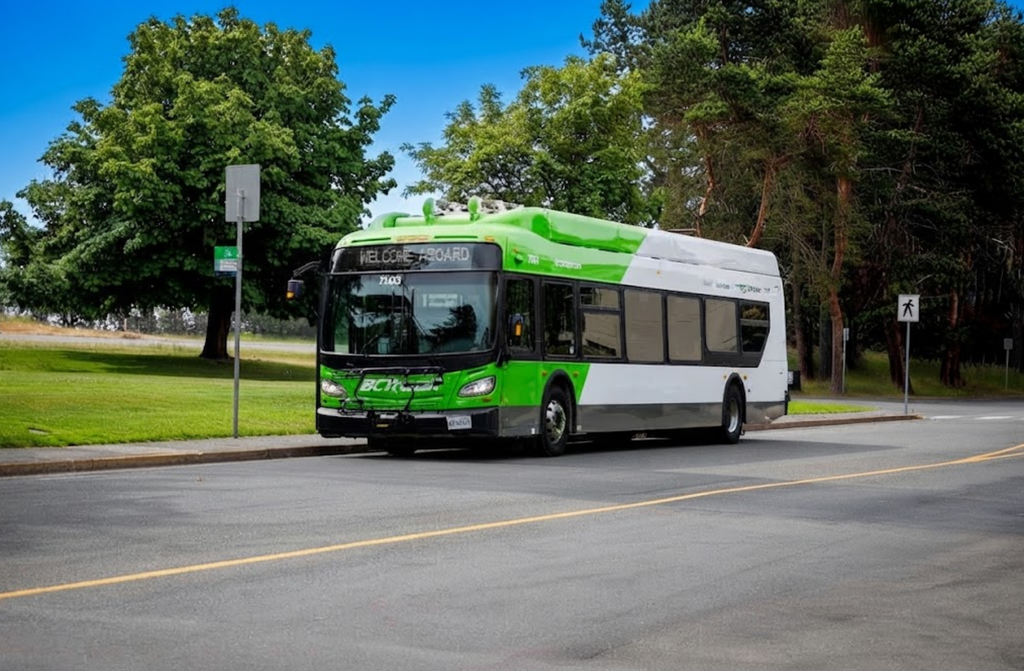
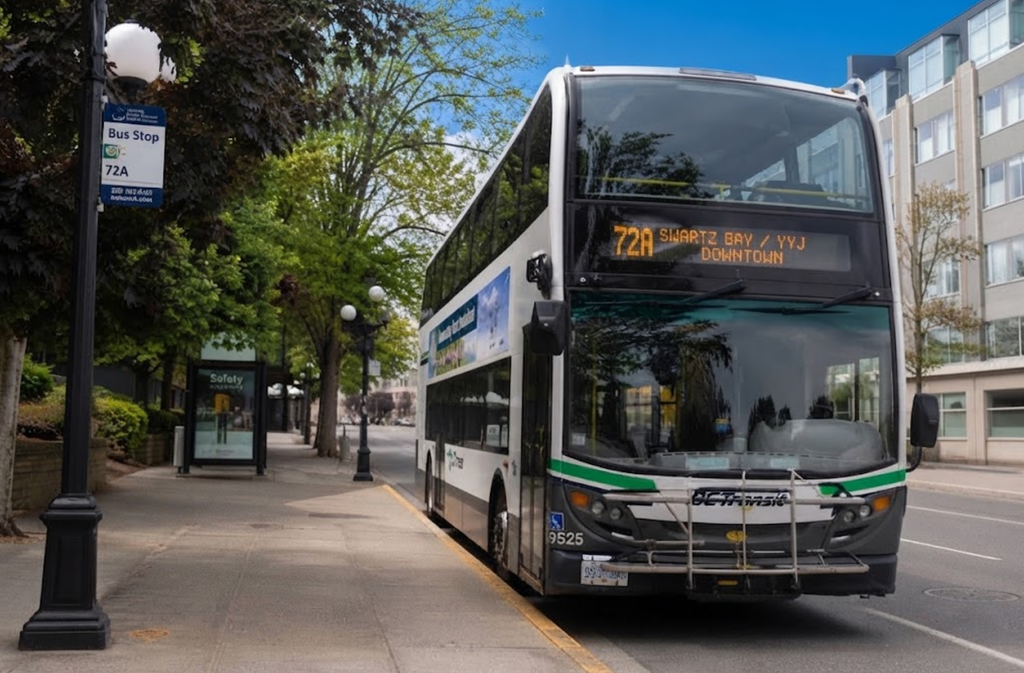
The bus journey begins just outside the arrivals terminal, where BC Transit stops are clearly marked. Routes 87 and 88 run between the airport and Sidney, a trip of about fifteen minutes. From Sidney, passengers transfer to Route 72 or other services heading into downtown Victoria.
The total journey takes 50 to 59 minutes, depending on traffic and connections. The ride itself is scenic. Travelers pass through farmland, coastal glimpses, and suburban neighborhoods before reaching the city. Unlike the shuttle or taxi, which focus on efficiency, the bus offers a slower rhythm that allows passengers to absorb the island’s atmosphere. For many, this is their first encounter with Vancouver Island’s landscapes, and the bus provides a window into daily life.
Affordability and Accessibility
The greatest strength of the public bus is its affordability. A single fare costs only a few dollars, making it the cheapest option by far. For backpackers, students, or budget‑conscious travelers, this savings can be redirected toward experiences in Victoria itself — a museum ticket or a harbor tour.
BC Transit also offers day passes and monthly passes, which are particularly useful for longer stays. Accessibility is another advantage. Buses are equipped with ramps and designated spaces for mobility devices, ensuring that all passengers can travel comfortably.
Limitations of the Bus System
Yet the bus has limitations. Schedules do not always align perfectly with flight arrivals, and late‑night options are limited. Travelers arriving after midnight may find themselves waiting for hours or forced to choose another mode of transport. Luggage can also be a challenge.
Unlike shuttles, buses lack dedicated storage space, and passengers must manage their bags within the cabin. For those carrying heavy suitcases, this can be inconvenient. Transfers are another consideration. The need to change buses in Sidney adds complexity, particularly for visitors unfamiliar with the system. While signage is clear, the process requires attention and patience.
Cultural Immersion
Despite these drawbacks, the bus offers something unique: cultural immersion. Unlike shuttles or taxis, which cater primarily to visitors, the bus is shared with locals commuting to work, school, or errands. This creates a sense of authenticity, allowing travelers to glimpse daily life on Vancouver Island.
Conversations overheard, neighborhoods passed, and routines observed all contribute to a richer understanding of the region. For many travelers, this immersion is part of the adventure. The bus becomes not just a means of transport but a lens through which to view the community.
Environmental Impact
Public transit is also the most eco‑friendly option. By choosing the bus, travelers contribute to reducing emissions and supporting Victoria’s commitment to sustainability. The city has long emphasized green living, with initiatives ranging from cycling infrastructure to renewable energy. The bus system aligns with this ethos, offering a way to travel responsibly.
Comparisons with Other Cities
Comparing Victoria’s bus system to other Canadian airports highlights its uniqueness. Toronto Pearson boasts the UP Express, a dedicated train linking the airport to downtown in 25 minutes. Vancouver International connects to the SkyTrain, offering rapid transit into the city.
YYJ, by contrast, relies on buses — slower, yes, but more intimate. This choice reflects Victoria’s scale and priorities. Rather than investing in expensive rail infrastructure, the city maintains a human‑scaled system that emphasizes affordability and community.
Traveler Profiles
Different types of travelers gravitate toward the bus. Backpackers and students often choose it for its low cost. Eco‑conscious visitors appreciate its sustainability. Long‑term residents returning home may prefer the familiarity of public transit. Even tourists seeking authenticity may opt for the bus, valuing the chance to experience local life.
Advantages and Drawbacks in Balance
The bus offers affordability, accessibility and environmental benefits. Yet it is slower, less convenient, and requires transfers. For some, these drawbacks outweigh the advantages. For others, they are part of the charm. The choice ultimately depends on priorities: speed versus savings, convenience versus authenticity.
A First Impression of Victoria
Culturally, the bus is more than transport; it is a first impression of Victoria. Passengers encounter locals, landscapes, and rhythms that reflect the city’s character. The ride sets the tone: practical, welcoming, and community‑oriented. For those willing to embrace its slower pace, the bus offers a genuine introduction to Vancouver Island.
The public bus from YYJ to Victoria is the cheapest option, but it is also the most immersive. It requires patience and planning, yet it rewards traveller with authenticity and savings. It embodies Victoria’s ethos: modest, practical, and deeply rooted in community.