The Gateway: Pearson Airport and the Call of Niagara
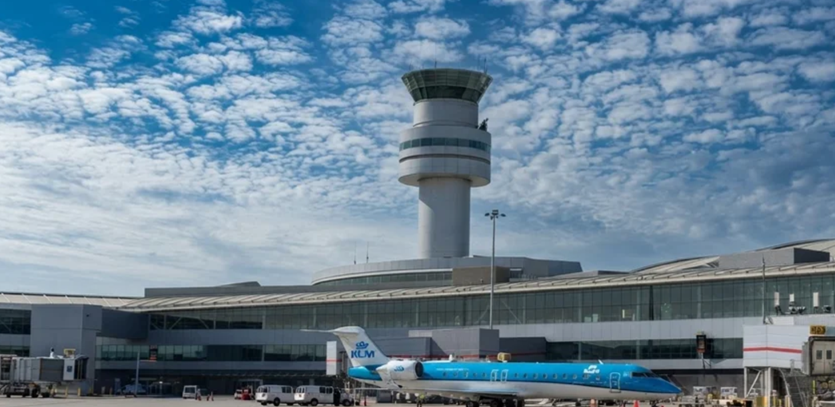
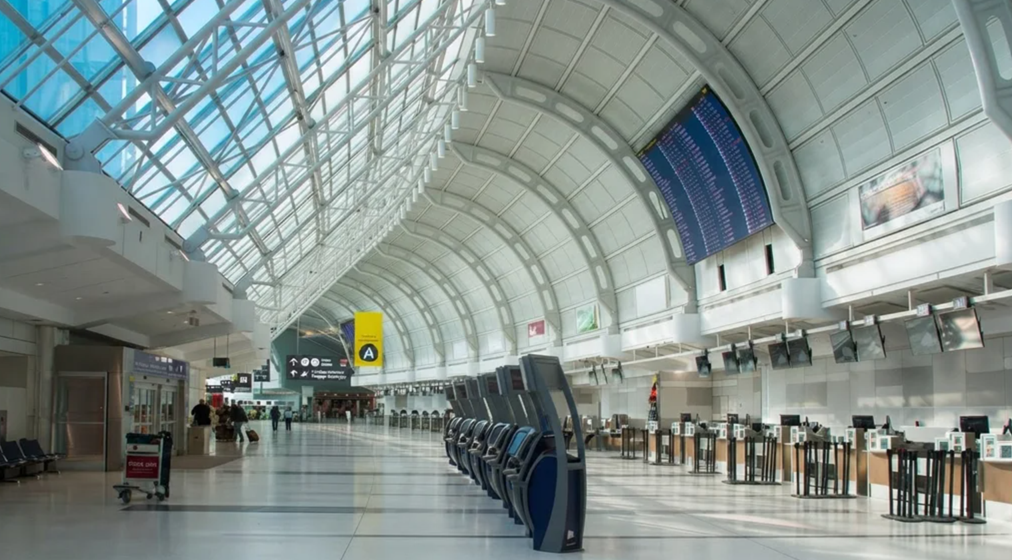
Toronto Pearson International Airport is Canada’s busiest hub, a sprawling complex of glass, steel, and constant motion. For many travelers, it is the first breath of Canadian air, the place where jet‑lagged eyes meet the bustle of North America’s fourth‑largest city. Yet for countless visitors, Toronto is not the final destination.
Instead, the magnetic roar of Niagara Falls — that eternal curtain of water plunging into mist — pulls them southwest, across the flat plains of Ontario, toward one of the world’s most iconic natural wonders. The distance is modest: about 130 kilometers, a drive of little more than ninety minutes.
But the journey can unfold in very different ways depending on how one chooses to travel. Train, bus, or taxi — each offers its own rhythm, its own story.
🚆 The Train Journey: Steel Rails to the Falls
Union Station Connection
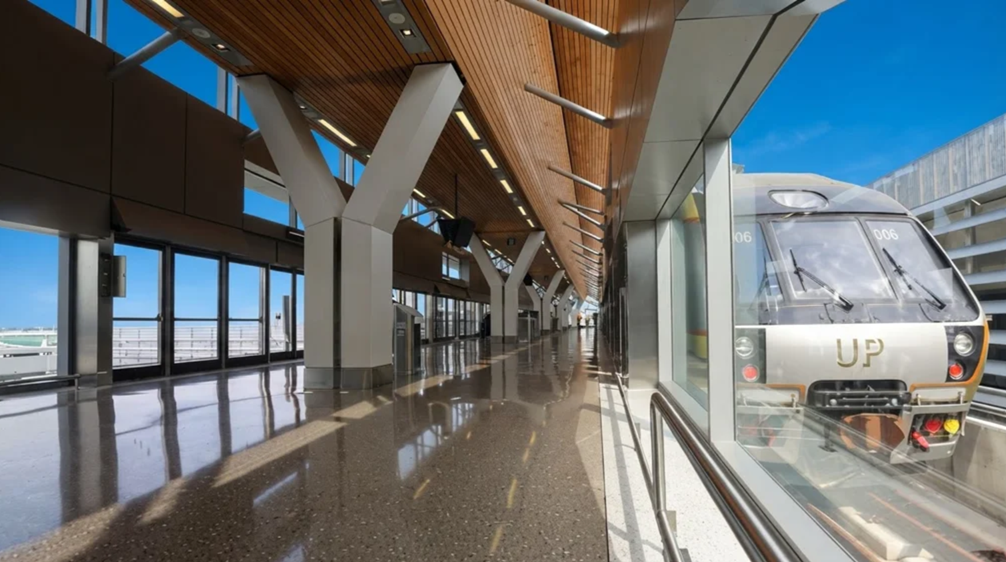
Pearson Airport does not have a direct train to Niagara Falls. Instead, the journey begins with the UP Express, a sleek commuter rail that whisks passengers from Terminal 1 to Union Station in downtown Toronto in just 25 minutes. The ride is smooth, modern, and efficient — a quiet prelude to the longer adventure ahead.
Union Station itself is a cathedral of travel, its grand hall echoing with footsteps and announcements. From here, two rail options open: VIA Rail and GO Transit.
VIA Rail: The Classic Route
VIA Rail’s Toronto–Niagara service is the traditional choice. The train departs Union Station and winds its way along Lake Ontario’s shoreline, passing through Oakville, Burlington, and St. Catharines before arriving at Niagara Falls Station. The journey takes about 3 hours 30 minutes, with fares ranging from C$35 to C$132 depending on class and booking time.
The train is comfortable, with wide seats, onboard Wi‑Fi, and a sense of leisurely travel. Out the window, the landscape shifts from Toronto’s skyline to suburban sprawl, then to vineyards and orchards that hint at the wine country beyond. It is not the fastest way, but it is contemplative — a chance to watch Ontario roll by.
GO Transit: The Weekend Special
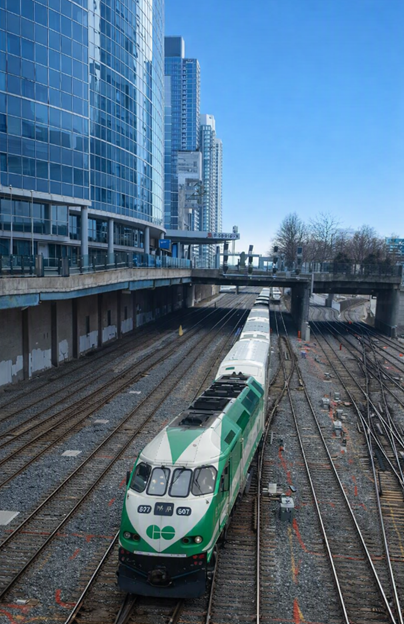
On summer weekends and holidays, GO Transit runs direct trains from Union Station to Niagara Falls. These green‑and‑white double‑deckers are less plush than VIA Rail but cheaper (around C$18–20 with a PRESTO card) and faster, taking about 2 hours.
They are popular with day‑trippers, families, and budget travelers. The train deposits passengers at Niagara Falls Station, from which a short taxi or WEGO bus ride leads to the thundering spectacle itself.
Arrival at Niagara Falls Station
Niagara Falls Station is modest, a small brick building on Bridge Street. From here, the Falls are about 4 kilometers away — a ten‑minute taxi ride or a fifteen‑minute bus journey. The anticipation builds as the sound of rushing water grows louder, until finally the mist rises above the skyline and the Horseshoe Falls reveal themselves in all their power.
🚌 The Bus Journey: Rolling Highways and Budget Choices
Coaches from Union Station
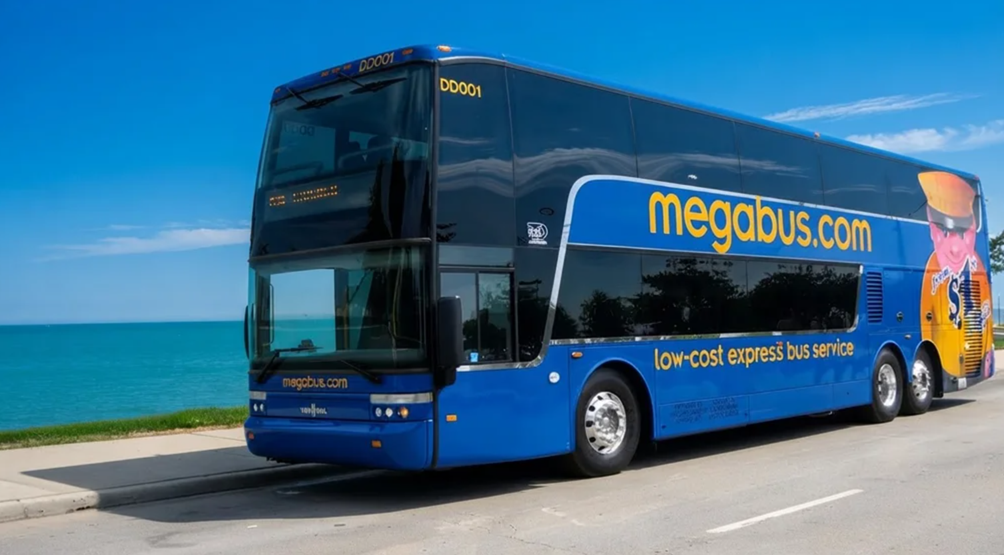
For many travelers, the bus is the most practical option. After reaching Union Station via UP Express, one can board a Megabus or FlixBus service to Niagara Falls. Tickets range from C$10 to C$25 if booked early, and the ride takes about 1 hour 40 minutes to 2 hours.
The buses are modern, with Wi‑Fi, reclining seats, and luggage storage. The route follows the Queen Elizabeth Way (QEW), a highway that hugs Lake Ontario’s western shore. Out the window, the lake glimmers, sailboats dot the horizon, and the flat farmland stretches endlessly. The bus is efficient, direct, and affordable — ideal for solo travelers or those watching their budget.
Direct Bus from Pearson
A rarer but convenient option is the FlixBus service directly from Pearson Airport to Niagara Falls. This avoids the transfer at Union Station, though departures are limited (often once daily). The ride takes about 2 hours 35 minutes, with fares between C$28 and C$65. For those arriving at Pearson and eager to head straight to the Falls, this is a simple solution.
Niagara Airbus Shuttle
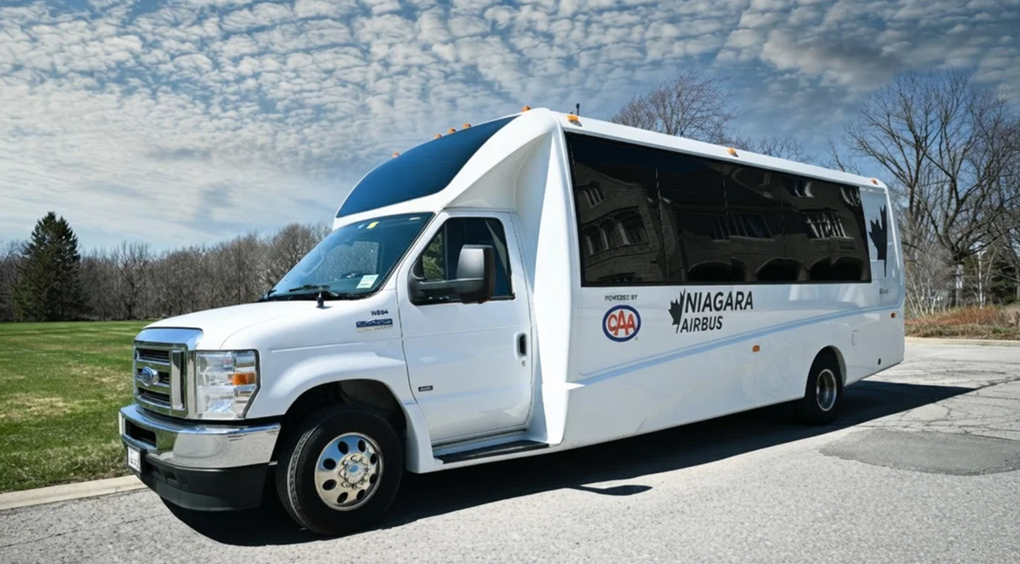
Another bus‑like option is the Niagara Airbus, a shared shuttle service that collects passengers from Pearson and delivers them to hotels in Niagara Falls. Prices range from C$80 to C$110 per person, with travel times of 1.5 to 2 hours. It is more expensive than a coach but offers door‑to‑door convenience, especially for those with luggage or families.
The Bus Experience
Traveling by bus is communal. Strangers share the ride, conversations spark, and the scenery passes in a steady rhythm. It is less glamorous than the train, less private than a taxi, but it is democratic — the way most people move between cities. And when the bus finally pulls into Niagara Falls, the collective gasp as passengers glimpse the mist is a reminder of why they came.
🚕 Taxi and Ridesharing: Direct Roads to the Falls
The Straight Drive
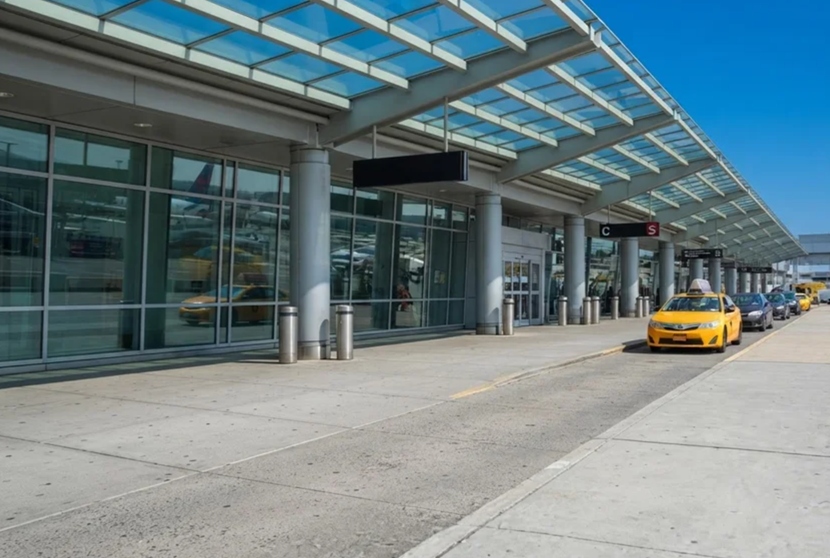
For those who value speed and simplicity, a taxi or rideshare from Pearson to Niagara Falls is the most direct option. The journey covers about 130 kilometers and takes 1 hour 20 to 1 hour 30 minutes, depending on traffic. The route follows Highway 427 south to the QEW, then southwest toward Niagara.
Cost Considerations
Taxi: C$160–220 each way, depending on meter and traffic.
Uber/Lyft: Slightly cheaper, often C$150–200, with price surges during peak times.
Private Transfer/Limo: C$200–280, offering luxury vehicles and professional drivers.
For groups, the cost can be shared, making it competitive with other options. For solo travelers, it is expensive but efficient.
The Experience
A taxi ride is private, quiet, and flexible. The driver may offer local insights, point out landmarks, or simply let the passenger rest. The car glides along the highway, past industrial zones, suburban neighborhoods, and finally into the green expanse of the Niagara region. There is no transfer, no waiting — just a straight line from airport to wonder.
Risks and Rewards
Traffic is the main risk. On Friday evenings or Sunday nights, the QEW can clog, adding 30–40 minutes to the journey. But for late‑night arrivals, taxis and rideshares are often the only reliable option, as trains and buses may not operate. For those with tight schedules — perhaps a layover or a single day to spare — the taxi is the surest way to see the Falls.

🌊 The Destination: Arrival at Niagara Falls
No matter the mode of travel, the arrival is unforgettable. The city of Niagara Falls is built around its namesake, a tourist town of hotels and neon lights. Yet the Falls themselves remain untamed, a natural force that dwarfs everything around them. Horseshoe Falls thunders with 2,400 cubic meters of water per second, sending mist high into the sky.
American Falls and Bridal Veil Falls add their own drama, completing the panorama. Visitors step from train, bus, or taxi and are drawn inexorably to the railings, where the roar fills their ears and the spray dampens their faces. The journey from Pearson Airport fades into memory, replaced by the timeless spectacle of water and stone.
🧭 Choosing Your Journey
Each mode of travel offers its own character:
Train: Slow, scenic, contemplative. Best for those who enjoy the journey as much as the destination.
Bus: Affordable, practical, communal. Ideal for budget travelers and day‑trippers.
Taxi/Rideshare: Fast, private, flexible. Perfect for tight schedules or late‑night arrivals.
The choice depends on time, budget, and temperament. Some will savor the train’s leisurely pace, others will appreciate the bus’s economy, and still others will pay for the taxi’s speed.
🌍 Final Thoughts
Travel from Pearson Airport to Niagara Falls is more than logistics. It is a microcosm of travel itself: the tension between speed and slowness, cost and comfort, solitude and community. Each option tells a different story, and each ends at the same destination.