
Roots in the Soil
The name Cabbagetown carries with it a tale of survival. In the 1840s, Irish migrants fleeing the devastation of the potato famine arrived in Toronto with little more than resilience. They planted cabbages and vegetables in their front yards, transforming necessity into sustenance.
Wealthier residents of the city mocked them with the nickname Cabbagetown, a term meant to belittle. Yet time has reshaped the insult into a symbol of pride. Today, cabbages appear not as food for survival but as decorative flourishes—nestled in flower beds, arranged in pots, a quiet nod to the endurance of those who came before.
The irony is striking: what was once a marker of poverty now signals heritage. The neighbourhood, once a patchwork of workers’ cottages and modest homes, has evolved into a place where Victorian architecture commands millions. A semi-detached house, lovingly restored, can fetch prices that rival Toronto’s most exclusive enclaves.
The cabbages remain, but now they whisper history rather than necessity.
Streets of Victorian Splendor
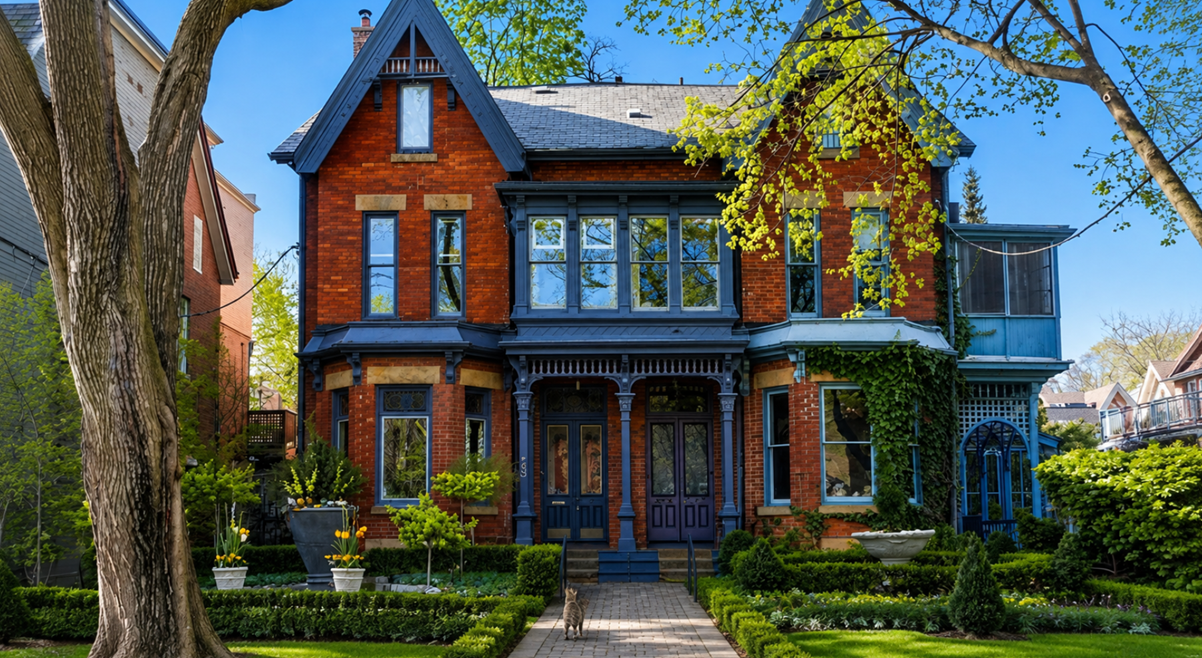
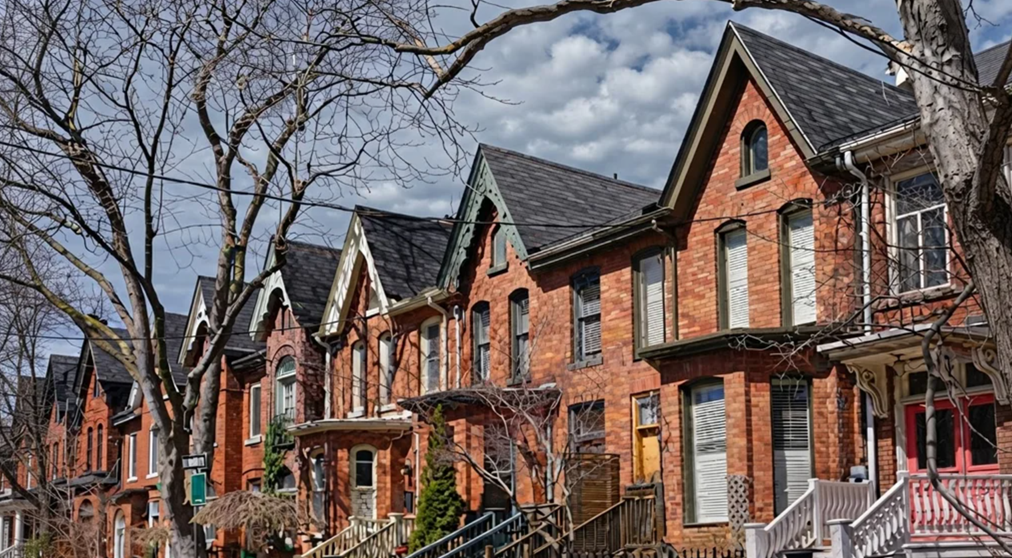
Cabbagetown’s greatest treasure lies in its architecture. Between the late 19th and early 20th centuries, entire streets blossomed with Victorian homes, forming what is now the largest continuous area of such houses in North America.
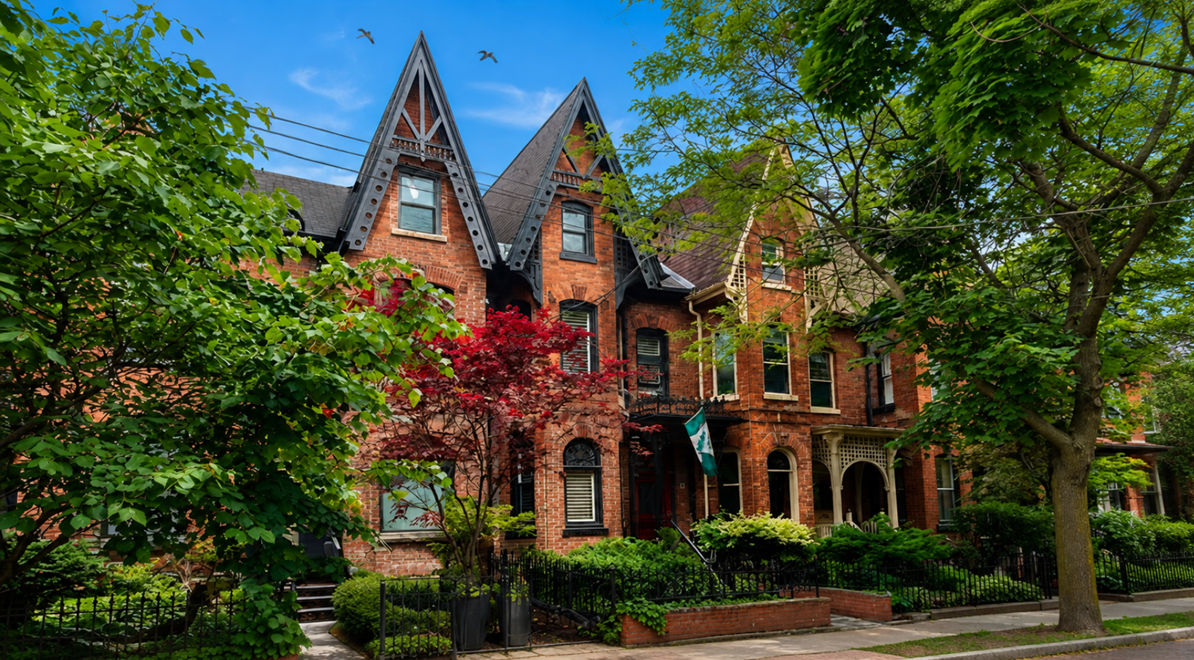
The Cabbagetown Preservation Association identifies eight distinct styles here: Arts & Crafts, Bay & Gable, Georgian, Second Empire, Queen Anne, Worker’s Cottages, Romanesque Revival, and Gothic Revival. Each façade tells a different story. The Queen Anne homes rise with turrets and ornamentation, their stateliness undeniable.
The Bay and Gable houses, slender and vertical, line the streets with a rhythm that feels quintessentially Toronto. The Worker’s Cottages, humble yet charming, remind us of the labourers who built the city. Stained glass windows glimmer like hidden jewels, catching the light at unexpected angles.
To walk here is to walk through a living museum, where every detail—ironwork, brick patterns, carved wood—offers a glimpse into another era.
Morning Among the Houses
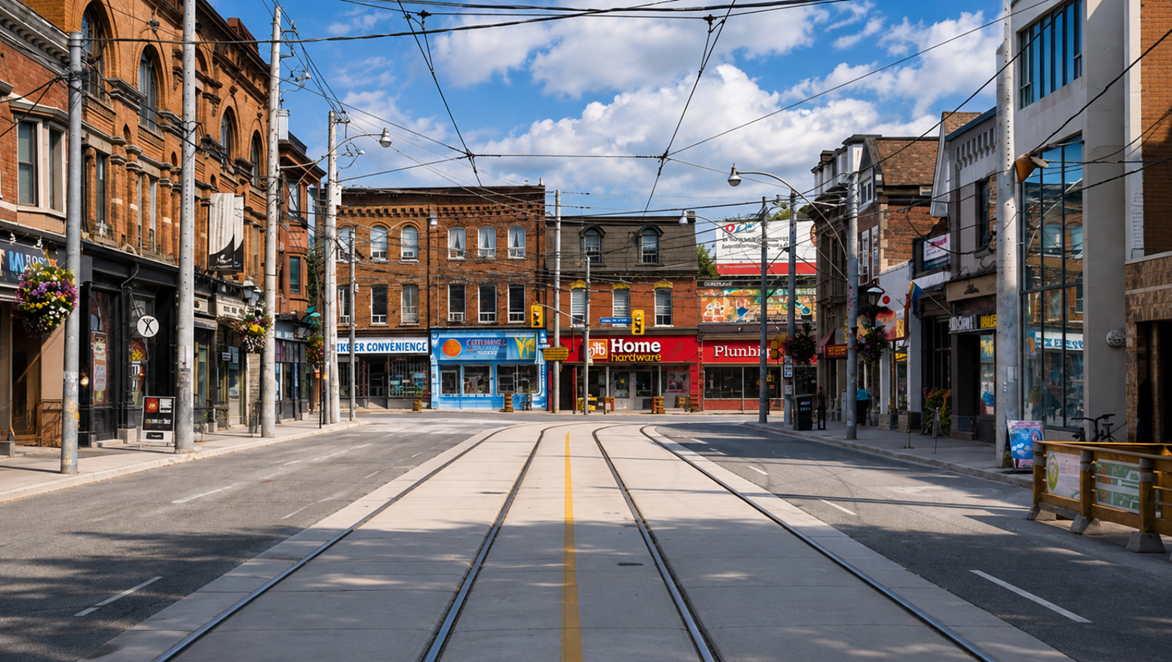
Begin your day wandering along Carlton Street and Winchester Street. The wrought-iron fences, intricate woodwork, and leafy gardens create a tableau of Toronto’s past. Each corner feels like a vignette, a story preserved in brick and stone. The streets are hushed in the morning, the air carrying the scent of gardens tended with care.
Here, history is not confined to plaques or museums—it is lived. Residents walk dogs past homes that have stood for more than a century. Children cycle along sidewalks where generations have played. The continuity is palpable, a reminder that cities are built not only of steel and glass but of memory.
Late Morning: Riverdale’s Rural Escape
A short walk leads to Riverdale Farm, where cows, sheep, and goats graze within sight of downtown’s skyline. It is a pastoral interlude in the city, a reminder of Toronto’s agricultural roots. Trails wind into the ravine system, shaded and hushed, offering a retreat into greenery.
Beside it, Riverdale Park stretches wide, its hills alive with sleds in winter and picnics in summer. From its crest, the city unfurls in panorama—glass towers rising beyond the Victorian rooftops. The juxtaposition is striking: pastoral fields against urban skyline, a reminder of Toronto’s layered identity.
Early Afternoon: Allan Gardens Conservatory
Step into the timeless glass domes of Allan Gardens Conservatory, open since 1910. Inside, tropical palms sway, desert cacti stand sentinel, and seasonal blooms erupt in color. In winter, the warmth and lushness feel like stepping into another world, a sanctuary of life against the cold.
The conservatory is more than a garden—it is a refuge. Families wander through its paths, children marvel at towering palms, and artists sketch the intricate leaves. The air is humid, fragrant, alive. Outside, the city vibes with traffic and commerce; inside, time slows, replaced by the rhythm of growth.
Mid-Afternoon: Art, Antiques, and Culture
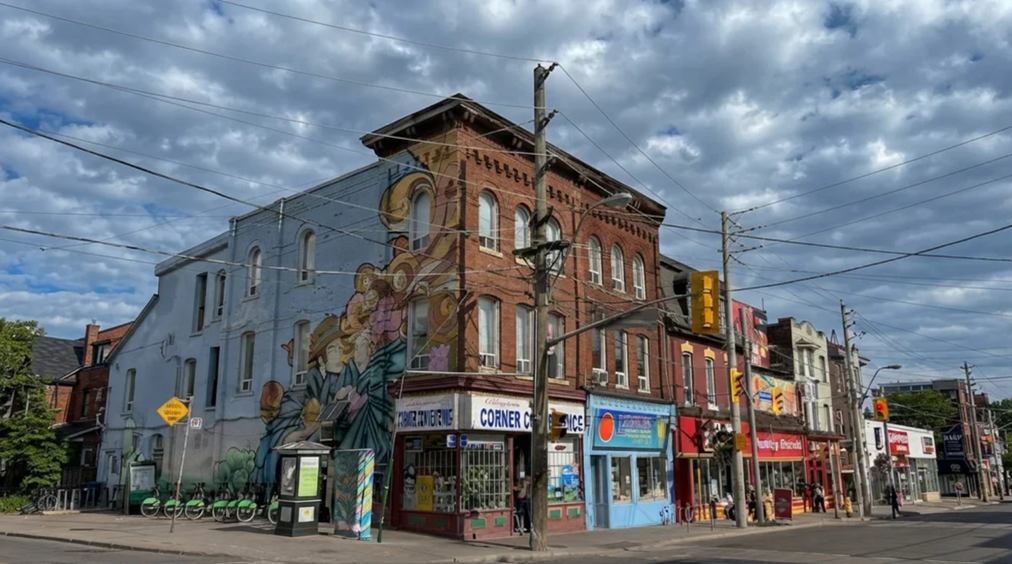
Cabbagetown vibes with creativity. Antique shops line the streets, their windows filled with curiosities—mirrors, books, and heirlooms that whisper of other eras. The arts here are not confined to galleries. They spill into the streets, into conversations, into the rhythm of daily life. Cabbagetown is a place where creativity feels woven into the fabric of the community.
Evening Reflections
As the day wanes, Cabbagetown reveals itself as more than a neighbourhood. It is a dialogue between past and present, where cabbages once symbolized survival and now symbolize heritage. The Victorian houses stand as monuments to resilience, their stained glass catching the last light of day.
Cabbagetown is not simply a place to visit—it is a story to walk through, a living archive of Toronto’s history, layered with pride, artistry, and community.