
Travel is rarely just about reaching a destination. It is about the transitions, the atmospheres, and the way each leg of the journey shapes anticipation. Arriving in Québec City by air and continuing by rail offers a layered experience: a swift taxi ride from the airport to Sainte-Foy station, followed by a short train journey into the heart of Old Québec at Gare du Palais. What might seem like a simple transfer becomes a narrative of movement, blending modernity with heritage.
✈️ The Gateway: Arrival at YQB
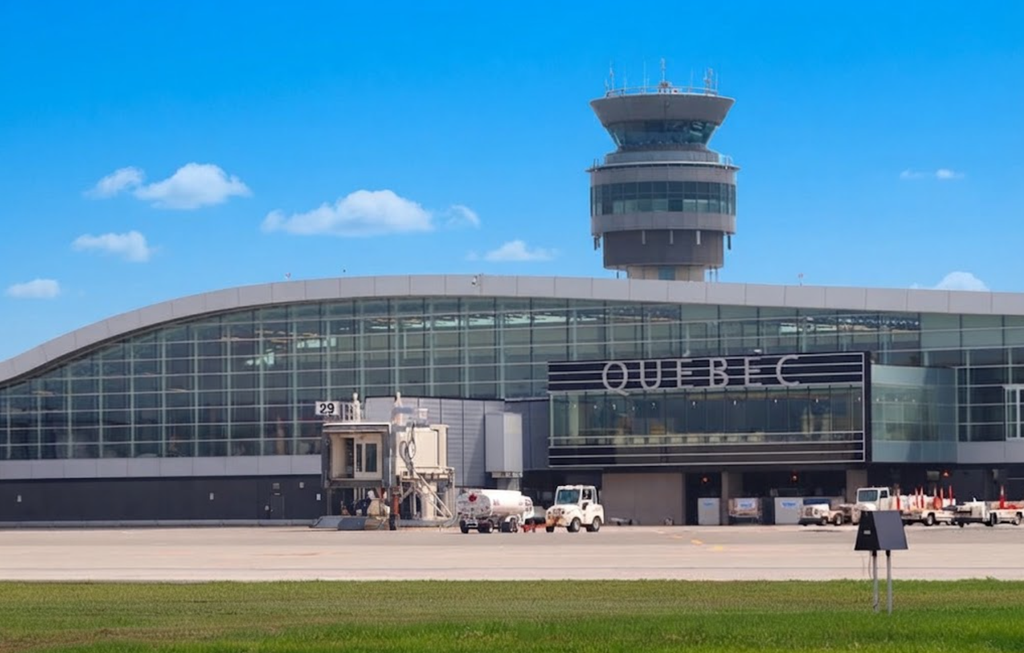
Landing at Jean Lesage International Airport, travelers encounter a terminal that is sleek yet intimate. Unlike sprawling hubs in Toronto or Montréal, YQB feels approachable, designed to move passengers efficiently without overwhelming scale. Its architecture reflects Québec City’s dual identity: a modern capital with deep historical roots. Yet one thing is missing—a direct rail link. This absence shapes the journey, requiring a road connection before the romance of rail can begin.
🚖 The Road Link: Taxi to Sainte-Foy
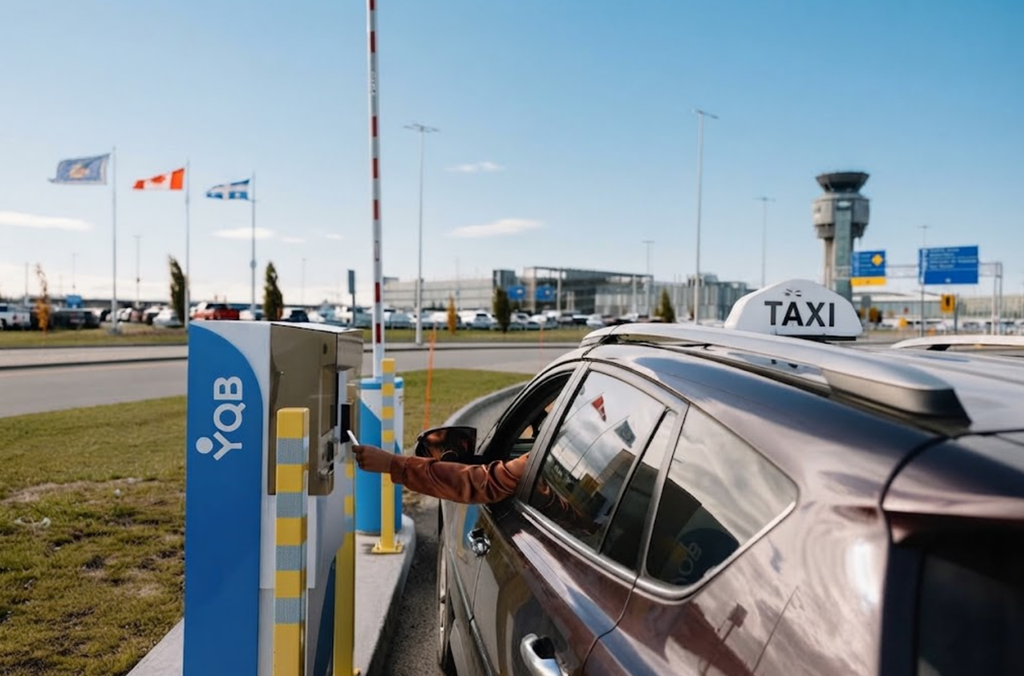
Stepping outside the terminal, the rhythm changes. Taxis line up in orderly fashion, their drivers accustomed to ferrying visitors into the city. The ride to Sainte-Foy station is short, about fifteen minutes, costing roughly 20–25 CAD. The route follows Autoroute Duplessis, a corridor that quickly shifts from airport periphery to suburban arteries. For those who prefer app-based convenience, Uber offers the same direct service. This leg is practical, but it also sets the stage: the airport’s bustle fades, replaced by the anticipation of boarding a train.
🚆 The Transition: Boarding at Sainte-Foy
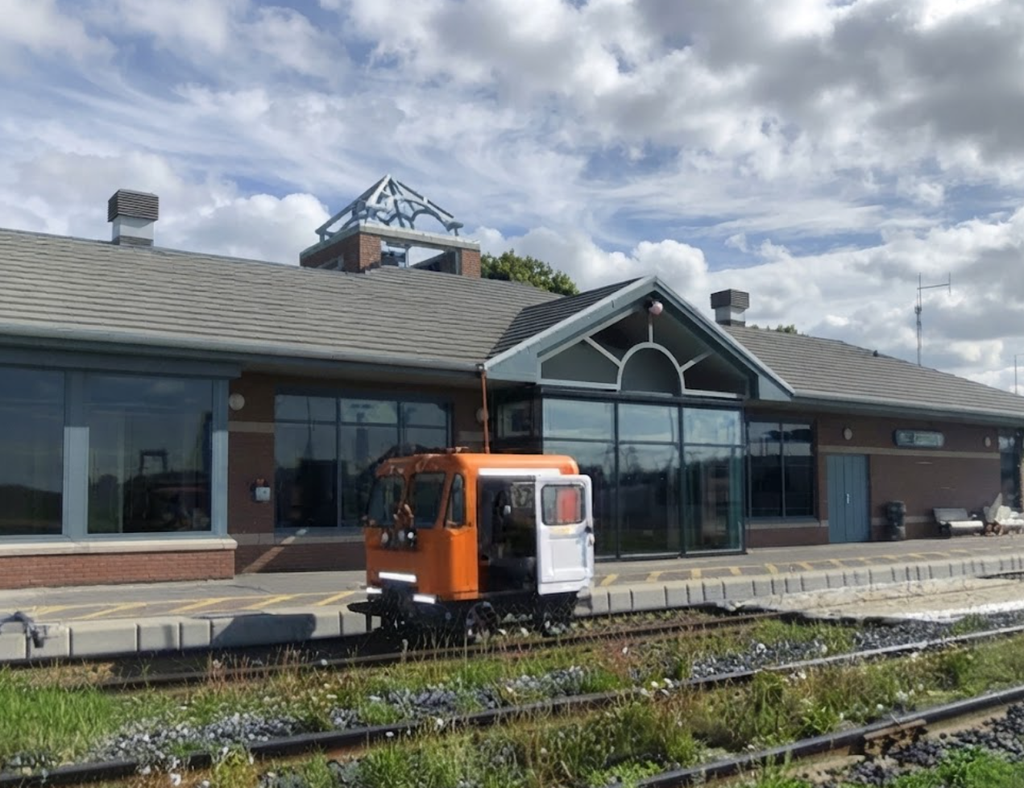
Sainte-Foy station is modest compared to grand urban terminals, yet it carries significance. It is a VIA Rail stop, serving long-distance routes to Montréal and Toronto, but it also connects locally to Gare du Palais. Boarding here is more than logistics—it is symbolic. The train becomes a thread weaving suburban modernity into the historic fabric of Old Québec. Even though the ride is brief, it carries the romance of rail travel, the deliberate pace that contrasts with the speed of air and road.
🏰 The Finale: Arrival at Gare du Palais
The train glides into Gare du Palais, and suddenly the journey feels theatrical. Built in 1915, the station resembles a château, its stone façade and vaulted interiors echoing Québec’s European heritage. Stepping onto its platforms, travelers are immersed in history. From here, it is only a short walk to Château Frontenac, Dufferin Terrace, and the cobbled streets of Vieux-Québec. The arrival is not just functional—it is atmospheric, a curtain rising on the city’s old-world charm.
🌟 Why This Route Matters
Choosing this route is not about efficiency alone. It is about layering experiences. The taxi ensures speed and convenience, while the train adds cultural flavour. The transition is scenic, even if short, and the finale at Gare du Palais immerses travelers instantly in Québec’s architectural beauty. For those who value the romance of arrival, this route transforms a simple transfer into a narrative.
✨ Practical Considerations
Expect to spend about 25 CAD for the taxi and a modest fare for the train. The total travel time is roughly 25 minutes—15 minutes by road, 10 minutes by rail. It is best suited for travelers who want their arrival to feel like part of the experience, not just a means to an end. Winter travelers should note that taxis are more comfortable than buses in sub-zero temperatures, while the train ensures a graceful entry into the city centre.
From runway to rails, the journey into Québec City is layered and atmospheric. It begins with modern efficiency at YQB, shifts into suburban rhythm via taxi, and culminates in historic grandeur at Gare du Palais. For travelers who value narrative as much as logistics, this route offers more than convenience—it offers a story.