
Victoria is a city that teaches respect for the water. Every departure is a negotiation with tide, fog, and ferry schedules. Living here means learning the choreography of crossings — floatplanes that skim the harbour, ferries that carve through the Salish Sea, helicopters that vibe above the clouds.
For 15 years, travellers have flown, ferried, and driven this corridor, sometimes three times in a week, sometimes stranded by weather or reservation rules. This is the guide that should have existed when the Vancouver run first began.
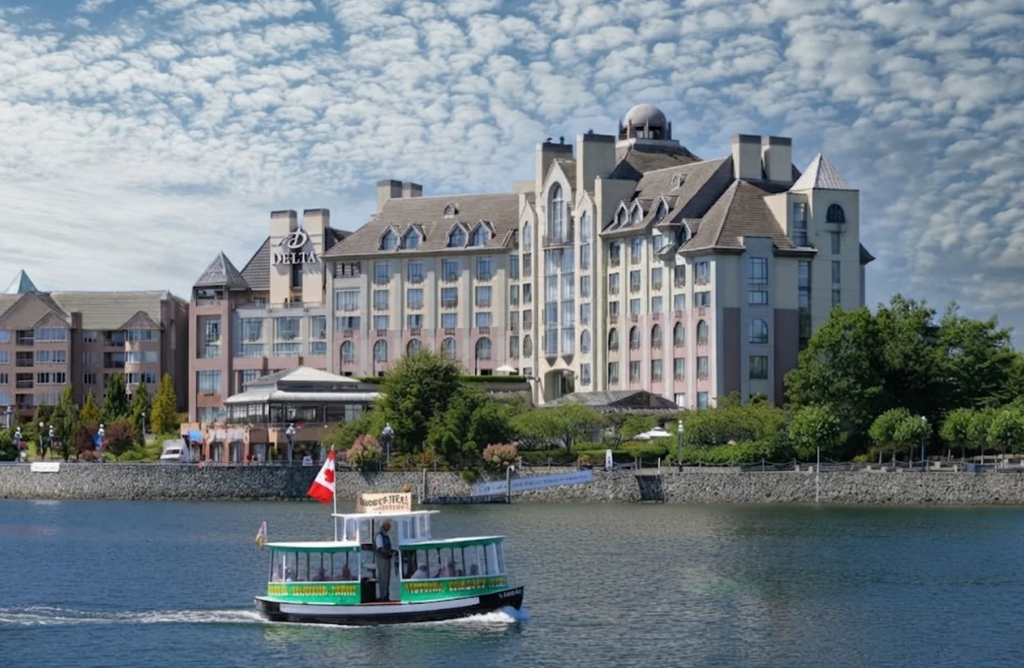
The Island Reality
Victoria sits apart, a jewel on Vancouver Island’s southern tip. To leave, water must be crossed. There is no bridge, no tunnel, only wings and hulls. That separation shapes the rhythm of life here. Business meetings in Vancouver demand planning, backup plans, and sometimes sheer improvisation. Ferries can be missed by minutes, floatplanes grounded by fog, helicopters scrambled for at the last moment. That’s island travel: expect failure, and adapt.
Harbour Air: The Floatplane Romance
The floatplane is the swiftest escape, and the most romantic. Thirty‑five minutes in the air, lifting off from Victoria’s Inner Harbour, skimming rooftops, banking north toward the Gulf Islands. On clear mornings, the windows frame a theatre of mountains and sea, the Strait glittering like glass. On foggy ones, the theatre goes dark — Harbour Air flies only by sight.
Visual Flight Rules mean that low cloud or winter fog cancels flights, sometimes at the very moment of departure. Refundable fares are worth the cost. Layers are essential; the cabin is cold until the engines warm. The co‑pilot seat offers the most memorable experience: chatter from air traffic control, the pilot’s hands dancing across the dials, the tilt of the plane threading between islands.
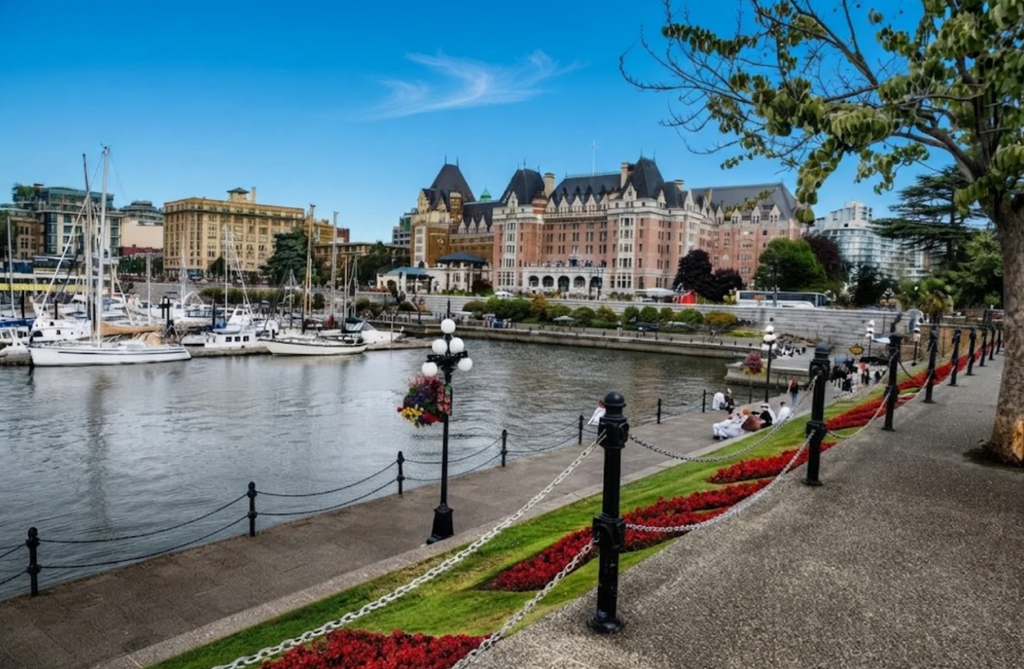
It is transport, but also memory. Risk remains: November through March, fog and freezing temperatures ground flights often. Summer forest fires can do the same. Always keep a backup plan.
Best for: Summer travel, flexible schedules, travellers who value speed and experience.
Cost: About $180 one‑way.
Time: 35 minutes in the air, about an hour with headwinds.
Helijet: The Winter Lifeline
Helijet is the island’s insurance policy. At $375, it is expensive, but it flies when floatplanes cannot. IFR rules mean rain and low cloud are no obstacle; the rotors cut through weather that grounds everything else. Only below‑freezing temperatures stop them, and that’s rare in Victoria.
Two pilots per flight, a strong safety record, and 35 minutes later Vancouver is reached with certainty. In January fog, certainty is priceless.The cabin is loud, even with earplugs. Seats are tight, headroom limited. Tall travellers should aim for the middle seats. Engines warm slowly; layers are necessary.
The Vancouver terminal is tucked near the waterfront, but construction and loading docks make the walk circuitous. Often, a taxi or Uber is easier than navigating the SeaBus and transit connections. For those who must be in Vancouver by 9am on a foggy winter morning, Helijet is the move.
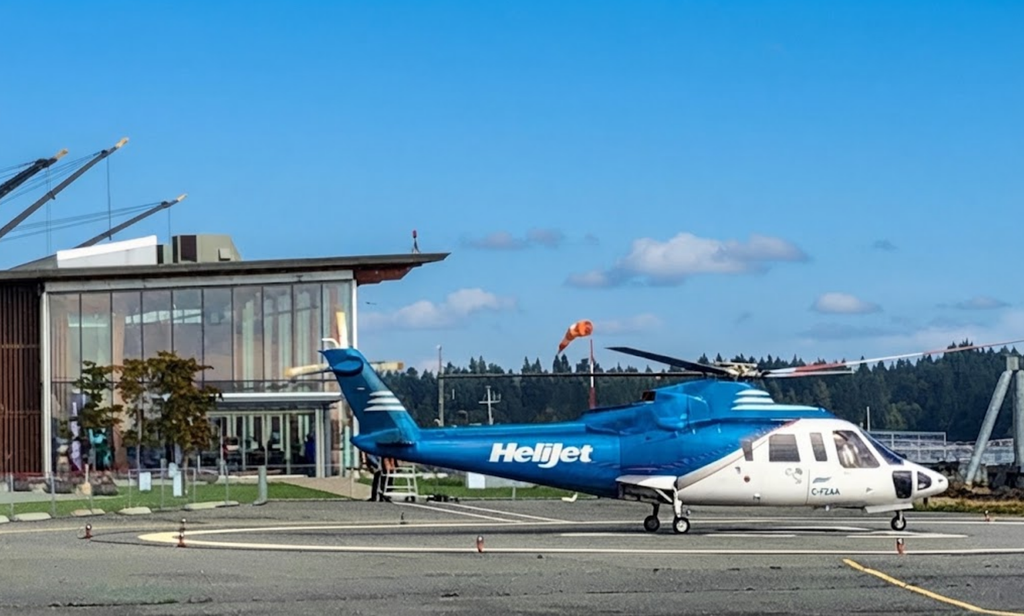
Best for: Winter mornings, time‑critical meetings, travellers with low weather risk tolerance.
Cost: About $375 one‑way.
Time: 35 minutes in the air.
BC Ferries: The Island’s Heartbeat
The ferry is the island’s tradition. Steel gliding through the Salish Sea, 1 hour 35 minutes of coastline unfolding. Walk‑on fares are under $20, and the decks are open to anyone who wants wind in their hair and salt on their lips. Vehicles cost $60–70 plus reservation fees. Reservations are strict: miss by a minute and the general line awaits.
Summer weekends sell out weeks ahead; book early.The crossing itself is a slow unfolding of islands and lighthouses, sandstone cliffs and forested ridges. It is less a commute than a reminder of living surrounded by water. Traffic on either side can stretch the journey to 2.5–3 hours downtown to downtown.
Vancouver’s Massey Tunnel and counter‑flow lanes are notorious traps. Leave early, plan for delays, and aim for evening sailings for less stress.
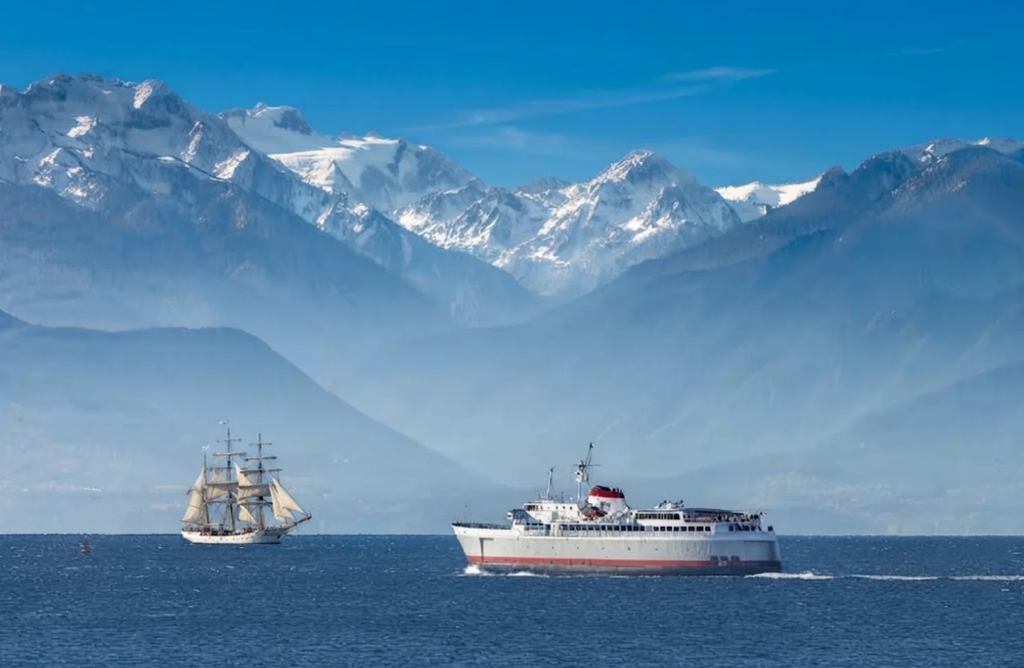
Best for: Affordable travel, scenic crossings, travellers with flexible schedules.
Cost: $18 walk‑on, $60–70 vehicle + driver.
Time: 1h 35m sailing, 2.5–3h total.
BC Connector Bus: The Cocoon
For those who want simplicity, the bus is a cocoon. Board in downtown Victoria, stay seated through the ferry, and arrive in downtown Vancouver without lifting a finger. 3.5 to 4 hours, $60 one‑way, and no planning required. 6 departures daily in summer, 4 in winter. It is the least romantic option, but sometimes romance is overrated. For travellers without a car, it is the easiest path.
Best for: Stress‑free travel, no planning, travellers without vehicles.
Cost: About $60 one‑way.
Time: 3.5–4 hours.
YYJ to YVR Flights: The Airport Shuffle
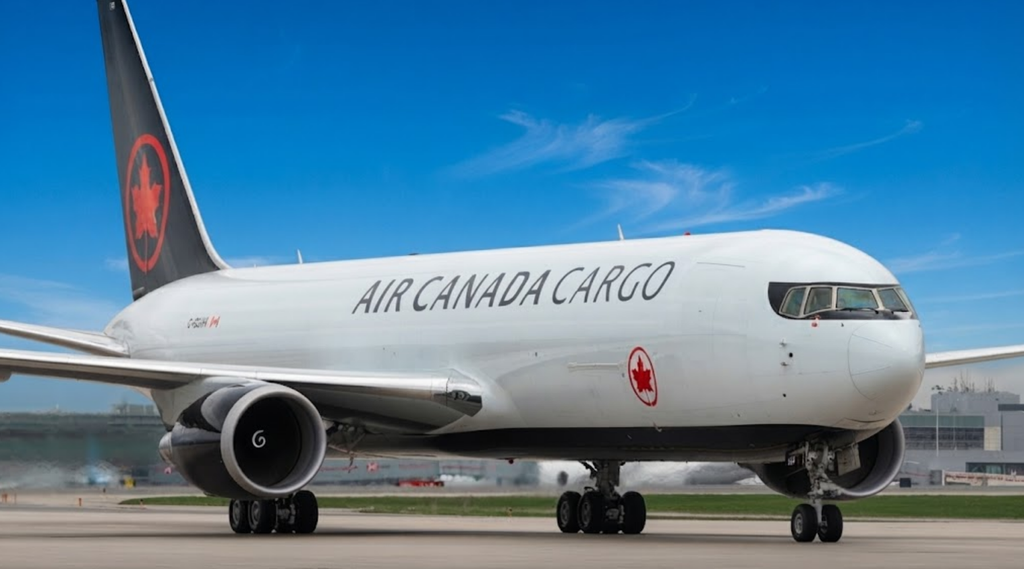
Air Canada and Pacific Coastal offer the airport shuffle — 30 minutes in the air, 2.5–3 hours door to door. Useful if connecting onward, less so if Vancouver is the destination. The South Terminal shuttle adds another layer of logistics. Air Canada is preferable for fewer moving parts. Pacific Coastal is fine if Vancouver itself is the destination, but less convenient for onward flights.
Best for: Connections through YVR, travellers already at the airport.
Cost: Varies, often $150–200.
Time: 2.5–3 hours total.
Driving via Ferry: Freedom and Frustration
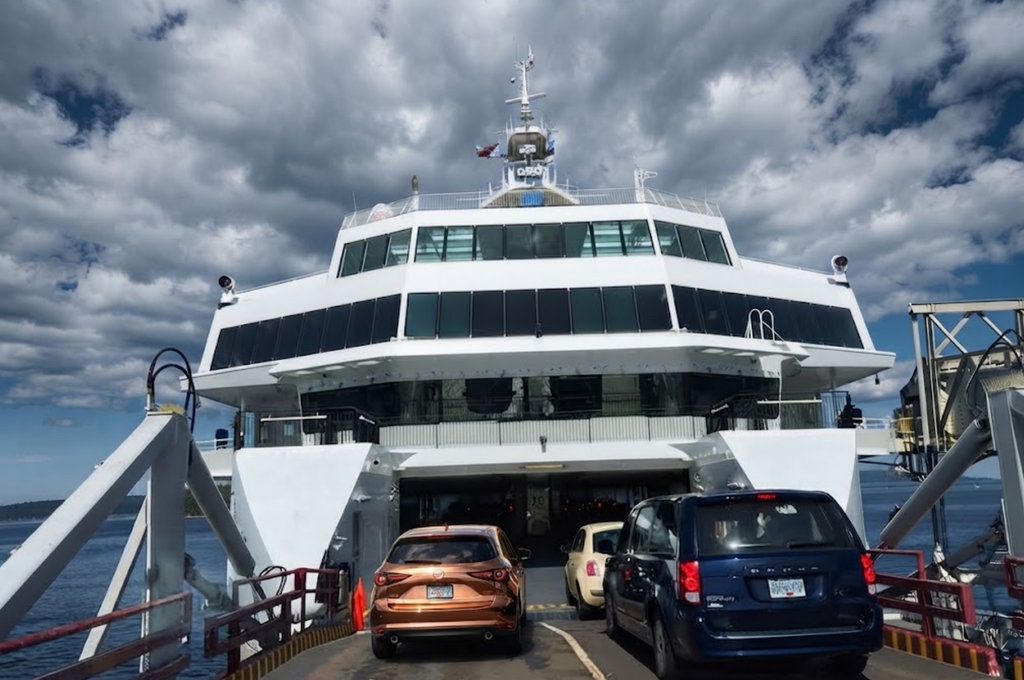
Driving is freedom, but freedom comes with traffic. $60–70 for the vehicle, plus parking in Vancouver at $20–40 a day. It makes sense if hauling cargo or continuing past the city. For a downtown meeting, it is more stress than it is worth. Vancouver traffic is unforgiving, and parking is expensive. For day trips, fly or take the bus. For longer journeys, driving makes sense.
Best for: Cargo, equipment, onward travel beyond Vancouver.
Cost: $60–70 vehicle fare + parking.
Time: 2.5–3 hours total.
Choosing Your Crossing
Harbour Air: Summer skies, flexible schedules, the romance of flight.
Helijet: Winter mornings, time‑critical meetings, reliability in rain.
BC Ferries: Affordable, scenic, the island’s tradition.
BC Connector: Door‑to‑door ease, no planning.
YYJ to YVR: Best for onward connections.
Driving: Cargo, equipment, or onward travel beyond Vancouver.
The Island Lesson
Victoria teaches travellers to plan for failure. Fog, traffic, missed reservations — they are part of the rhythm. The trick is to keep a backup in the pocket: a floatplane ticket with a refundable fare, a Helijet seat on hold, a ferry reservation tucked away. Living on an island means every departure is a story, and every arrival feels like a small victory.