
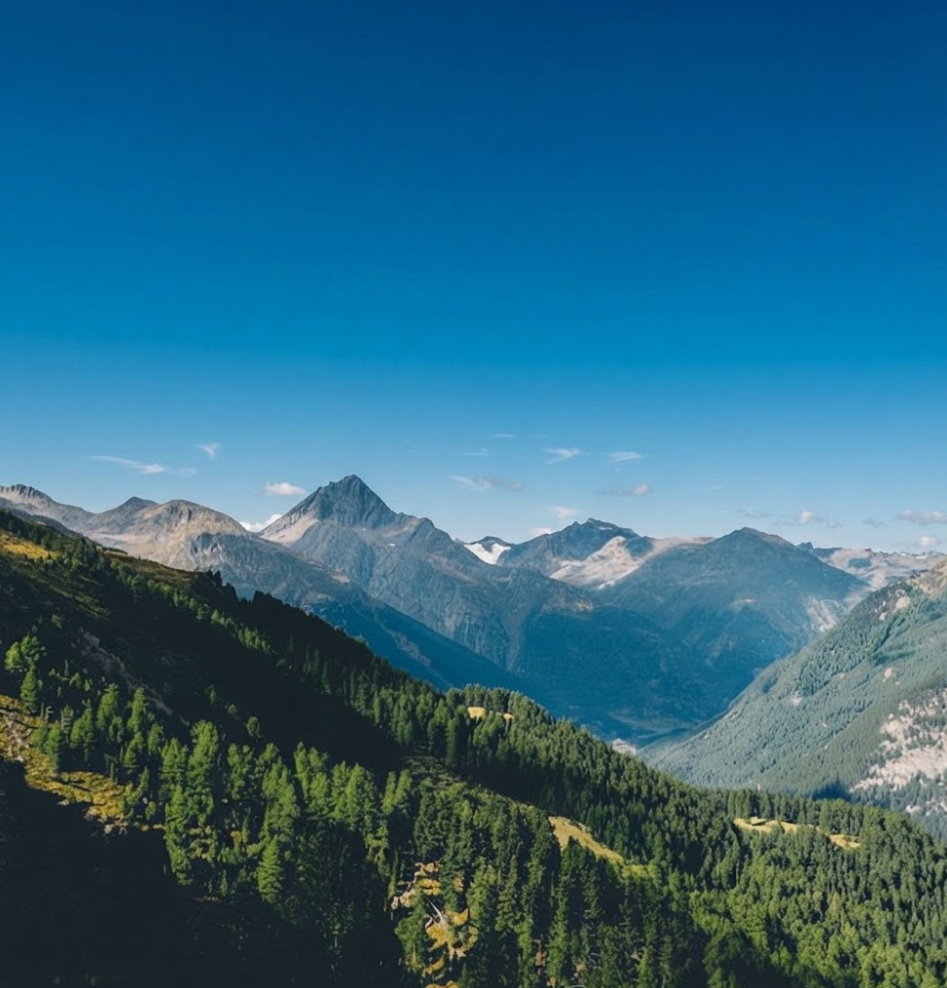
The Swiss National Park is a place that slips quietly beneath the radar. Even locals often pause in surprise when its name is mentioned, unaware that Switzerland holds a single national park at all. Yet in the far eastern corner of the country, within the Western Rhaetian Alps, lies a wilderness so fiercely protected that it feels like stepping into another time.
This is Switzerland stripped of polish. No tourist crowds, no polished resorts, only raw alpine silence and trails that lead deeper into the wild. For those who seek nature unfiltered, the park is a revelation.
The Spirit of the Park
The Swiss National Park, or Parc Naziunal Svizzera, is the only national park in the country. Its rules are strict: camping inside the park is forbidden, wildlife is left undisturbed, and trails are carefully signposted to protect fragile ecosystems. The result is a landscape where ibex move across ridges, marmots whistle from burrows, and bearded vultures circle high above valleys. This is not Switzerland as seen in postcards. It is Switzerland as it once was — untamed, unpredictable, alive.
Best Time to Visit
The park breathes most freely in July and August. Trails are open, rivers run blue, and alpine meadows bloom with wildflowers. Days are long, nights are cool, and the rhythm of hiking feels effortless beneath summer skies.
Getting Around
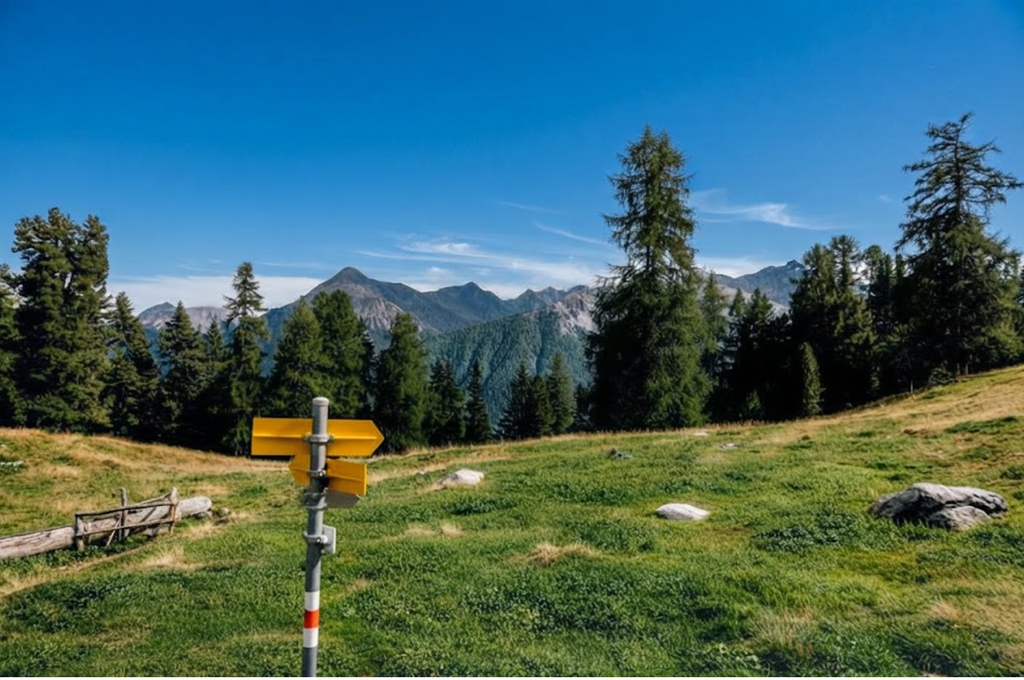
There is only one way to move here: hiking. Trails range from gentle introductions to demanding climbs, each marked by the familiar yellow signs that guide travelers through valleys and ridges. Difficulty varies from easy to moderate, but the reward is always the same — immersion in wilderness.
Day One: Alp da Munt & Munt la Schera
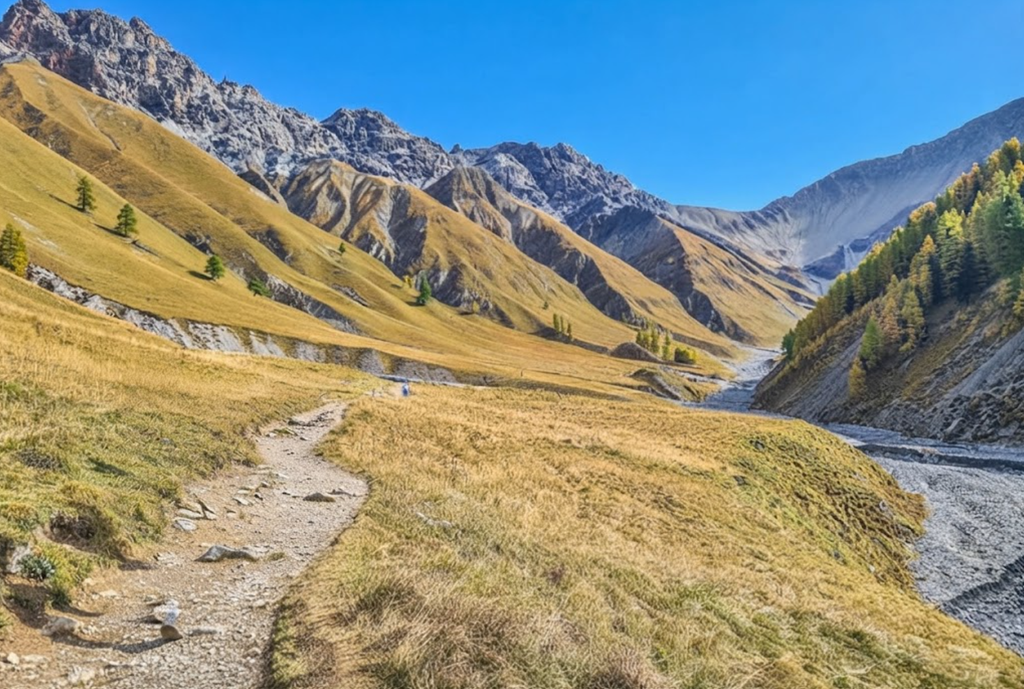
The first trail begins quietly behind the campsite in Zernez. A river crossing leads toward the mountain, where a path climbs north along its side. Within 45 minutes, an opening appears, marked by a yellow sign. Sheep and cows graze near a farmhouse, bells echoing across the slope.
From here, the trail winds west, through fences and meadows, before looping back toward Zernez. A gentle introduction, two to three hours of walking, enough to taste the rhythm of the park and settle into its silence.
Day Two: Summiting Munt la Schela
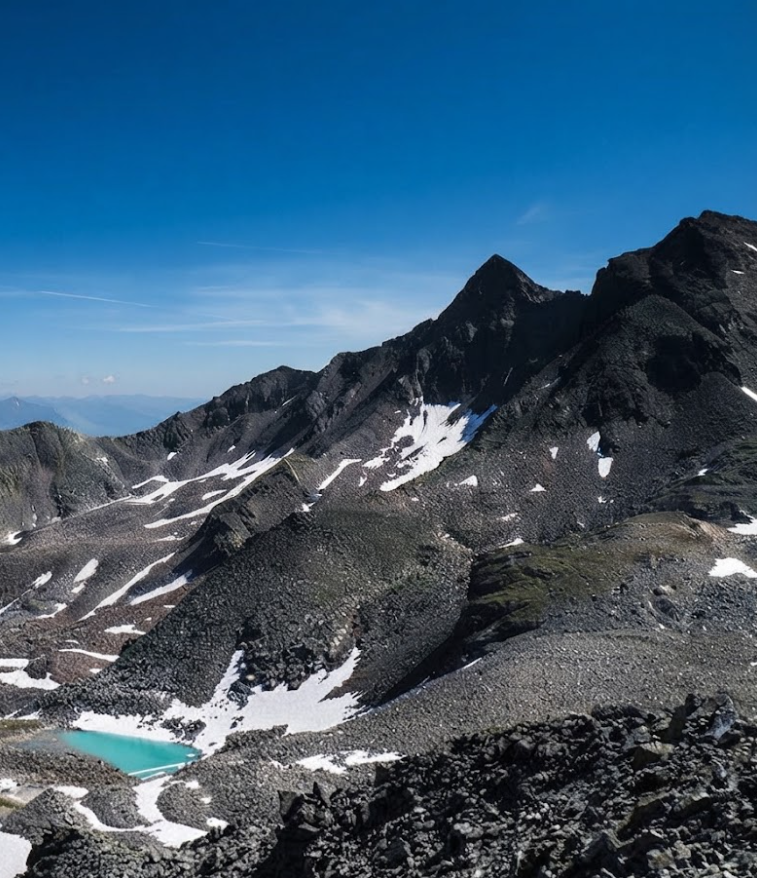
The second day calls for elevation. A bus from Zernez carries hikers to Buffalora, where the trail to Munt la Schela begins.The climb rises to 2587 meters. Sheep scatter across the slopes, and the air grows colder with each step. At the summit, the wind is relentless, but shelter waits among the rocks.
From here, the park unfolds in every direction: valleys stitched with rivers, peaks dusted with snow, horizons that seem endless. Descending westward, the trail softens, leading toward Il Fuorn. 2 hours of downhill walking, past scenes that beg for photographs, until the bus stop appears, ready to carry travelers back to Zernez.
Chamanna Cluozza: A Hidden Refuge
Among the park’s many trails, the hike to Chamanna Cluozza stands apart. Fifteen kilometers of winding path lead deep into the park’s heart, a climb of 1300 meters before surrendering to a descent of 1600.At the end waits Chamanna Cluozza, a mountain hut stripped of luxury.
A mattress, shared bathroom, and simple meals are all it offers, yet here simplicity feels like abundance. Camping is forbidden, so huts like this become rare sanctuaries, places where hikers gather at wooden tables, trading stories while the wind whistles through the eaves. To sleep here is to sleep inside the wild itself, waking to marmots calling from the slopes and ibex stepping lightly across ridges.
Other Trails
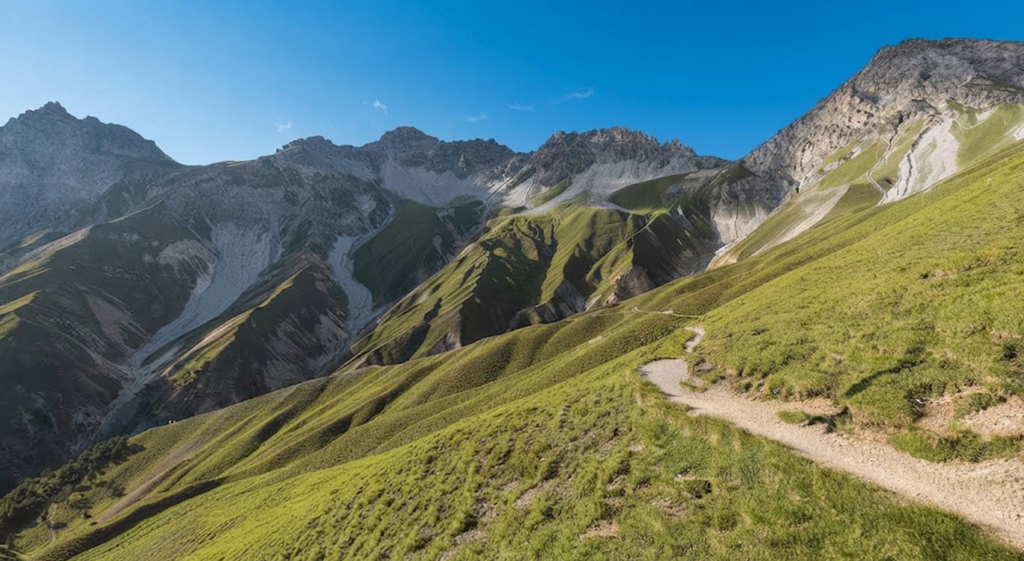
The park holds countless paths, each with its own rhythm. Some lead through forests that open suddenly into meadows, others climb ridges that reveal valleys stitched with rivers. Each trail feels like stitching oneself into the fabric of the park.
Gear Essentials
Tent: Camping in Zernez is the budget traveler’s option.
Sleeping Bag: Nights are cold, rain frequent.
Headlamp: Essential for navigating campsites after dark.
Walking Shoes: Trails are moderate; sturdy boots suffice.
Weather-proof Clothing: Rain is part of the rhythm here.
Hiking Map: Tourist Info provides simple maps; detailed booklets are worth buying.
Food & Water: Supermarkets in Zernez supply fresh fruit; hydration packs are invaluable.Daypack: Light, spacious, and always with you.
How to Get There
Fly into Zurich or nearby cities, then take a train or bus to Zernez — the gateway to the park. Flixbus offers reliable routes, while Swiss trains, though expensive, are efficient. For longer stays, a 5-day Swiss train pass is worth the investment, especially for travelers under 26.Zernez is the closest town to the park entrance, surrounded by mountains and unpredictable weather. It is the natural base for exploration.
Why It Matters
The Swiss National Park is more than trails and summits. It is Switzerland stripped of polish, a place where wildlife thrives and silence reigns. Ibex, chamois, marmots, and bearded vultures move freely here. To hike these paths is to witness a Switzerland that feels forgotten — and to remember that wilderness still exists, even in a country so carefully built.