
Introduction
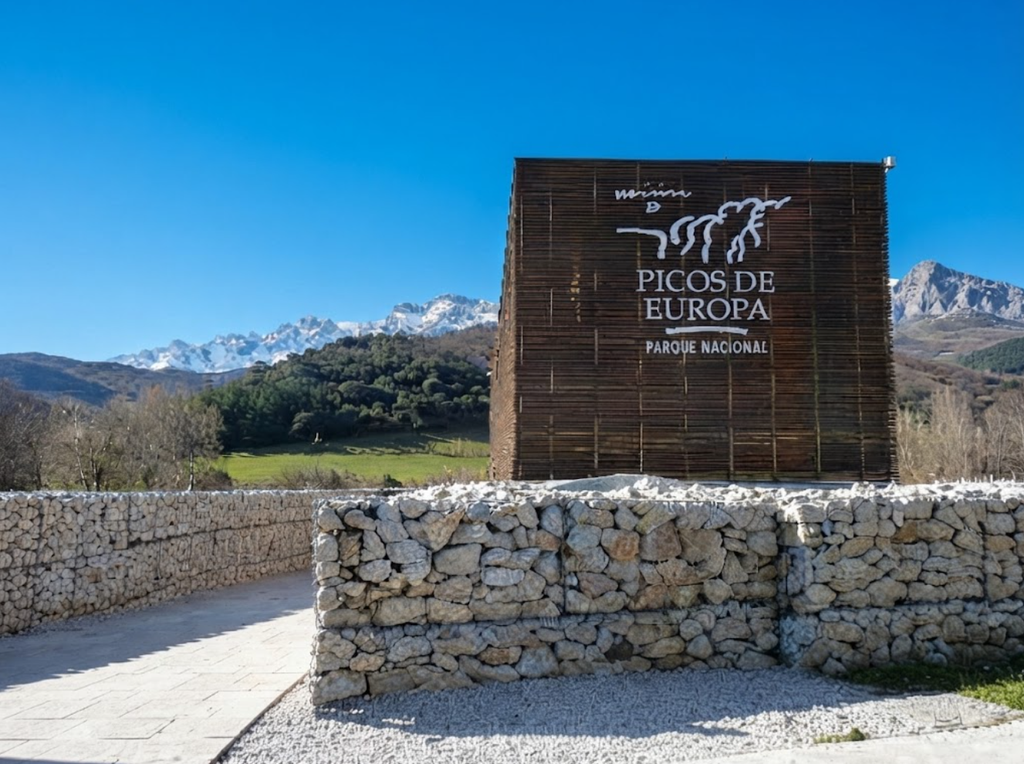
The Picos de Europa, or “Peaks of Europe,” form one of Spain’s most dramatic mountain ranges. Rising sharply above the northern coastline, they stretch across Asturias, Cantabria, and León. Despite covering only 40 kilometers, the Picos deliver a condensed mountain world of limestone summits, deep gorges, alpine meadows, and stone villages. For hikers, this national park is a treasure: rugged, authentic, and still relatively undiscovered compared to the Pyrenees or the Alps.
What makes the Picos remarkable is the density of scenery packed into such a compact area. Within a short drive you move from river canyons to alpine pastures, from remote hamlets to peaks that pierce the clouds. It is a destination where every valley feels like a discovery, and every trail offers a new perspective.
Practicalities
Getting There
The most convenient gateways are the airports at Bilbao, Santander, and Asturias. Each provides access to the park within a two- to three-hour drive. Renting a car is the most practical choice, as public transport connections are sparse and often limited to larger towns.
Getting Around
A car is essential for exploring the Picos. Many trailheads lie deep within the park, far from bus routes. Roads are narrow and winding, so a small, agile vehicle is best. Driving also allows flexibility to reach lesser-known hikes and villages.
When to Visit
The prime hiking season runs from late May to late September. July and August bring warmer temperatures and larger crowds, but early morning starts help avoid both. Spring offers lush meadows and fewer visitors, while autumn brings crisp air and golden colors.
Where to Stay
Because the park is extensive, splitting your stay between the north and south is ideal. In the north, Poncebos, Las Arenas, and Sotres provide access to the central massif. In the south, Potes, Fuente Dé, and the Camaleño Valley are excellent bases.
Accommodation
Options are limited to small hotels, guesthouses, and Airbnbs. Mountain refuges exist but require advance booking and preparation. Facilities are basic, so carry cash, water, and snacks.
Duration
A minimum of three to four full days allows time to explore both sides of the park. With its variety of trails, scenery, and villages, the region easily justifies a stay of ten days or more.
Prices
Meals and lodging are generally affordable compared to other European mountain regions. Costs rise slightly in remote refuges due to limited supplies, but overall the Picos remain budget-friendly.
Travel Tips
Food choices for vegetarians are scarce, so self-catering in an Airbnb is recommended. Restaurants typically open for dinner at 8pm, which may not suit early sleepers. Refuges have basic facilities—carry cash, water, and snacks, and confirm availability before staying overnight.
In summer, begin hikes early to avoid heat, crowds, and parking shortages. Learn basic Spanish phrases, as English is rarely spoken. GPS maps are essential for lesser-marked trails, and portable chargers are useful. Book the Fuente Dé cable car in advance to avoid long waits. Weather is unpredictable even in summer, so pack waterproofs and layers.
The Best Hikes
Ruta de Cares
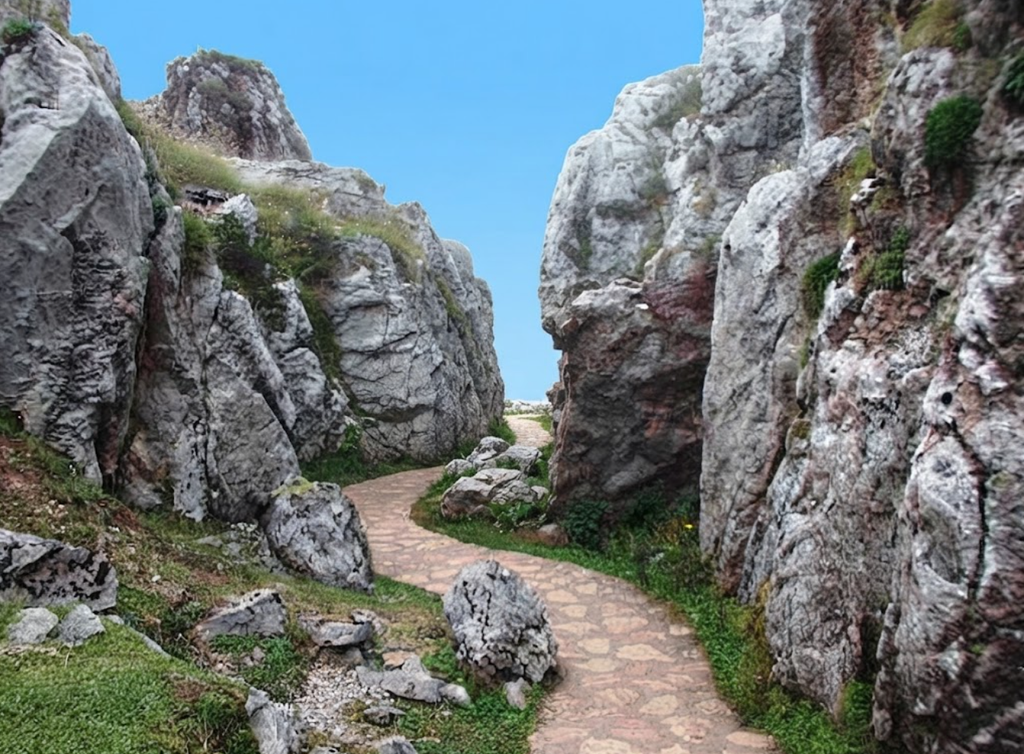
The most famous trail in the park, running between Poncebos and Caín through a dramatic gorge. The route follows the Cares River, with sheer cliffs rising above.
- Distance: 23.7 km
- Elevation Gain: 660 m
- Difficulty: Moderate
Puertos de Áliva
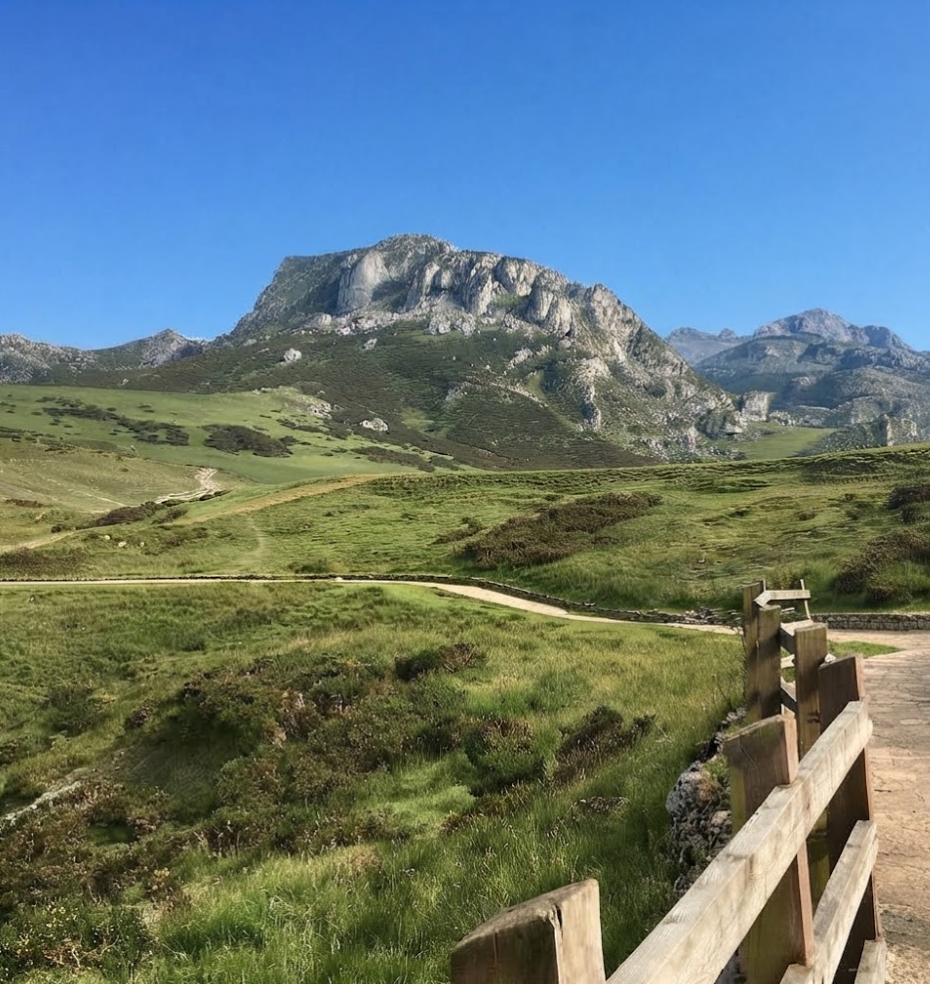
Accessible via the Fuente Dé cable car, this route offers varied scenery with minimal effort. Meadows, forests, and crags unfold along the way.
- Distance: 15 km
- Elevation Gain: 230 m
- Difficulty: Easy–Moderate
Pica el Jierru
A quieter summit at 2,425 m, requiring light scrambling and strong mountain skills. The trail passes a refuge before climbing airy ridges.
- Distance: 18.5 km
- Elevation Gain: 1,200 m
- Difficulty: Challenging
San Vicente Pot
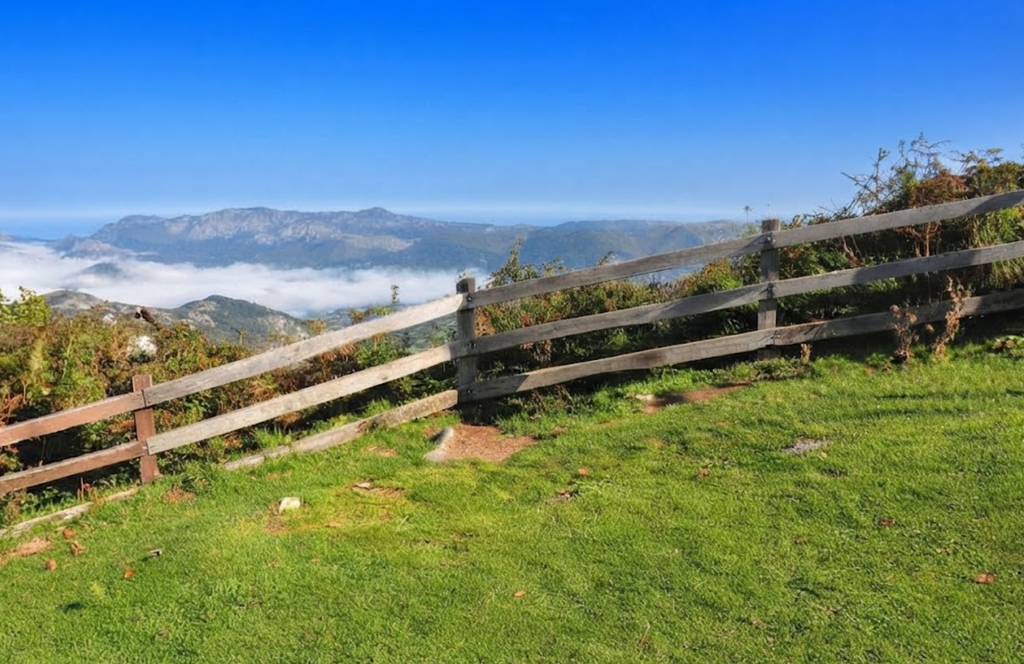
A short riverside walk to natural swimming pools carved by the river. Ideal for a relaxed afternoon.
- Distance: 4.7 km
- Elevation Gain: 96 m
- Difficulty: Easy
Poncebos to Bulnes
A moderate climb to the remote village of Bulnes, with views of Naranjo de Bulnes. The funicular offers an alternative route.
- Distance: 4 km
- Elevation Gain: 400 m
- Difficulty: Moderate
Horcados Rojos Summit
A popular peak accessible from Fuente Dé, offering panoramic views. The trail is well-marked but steep.
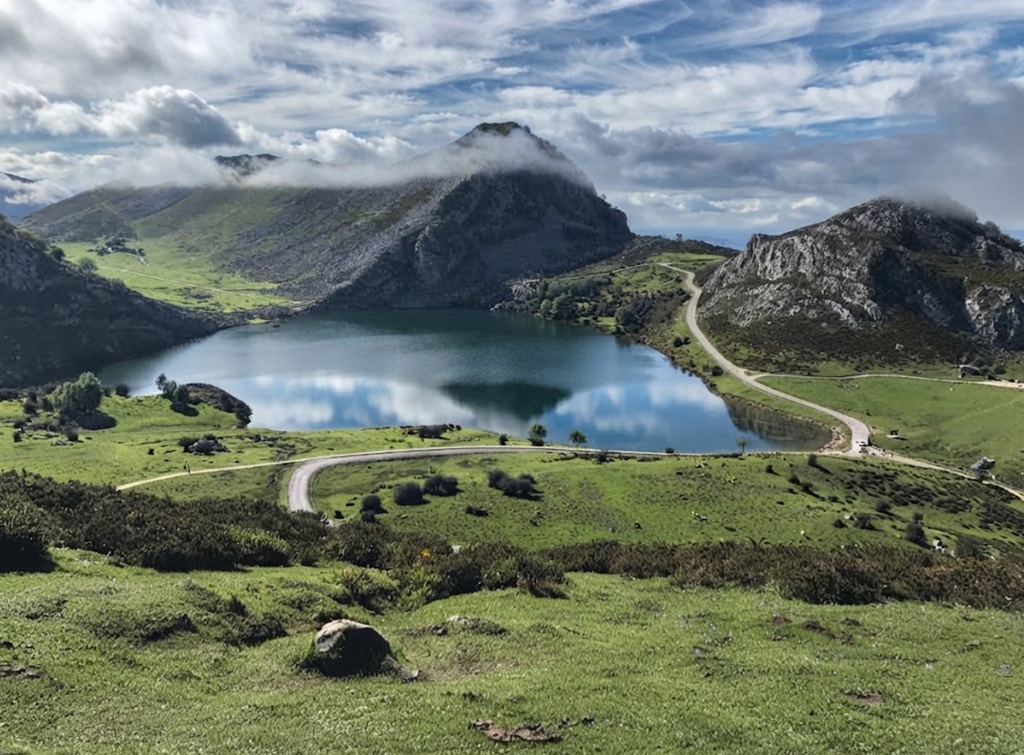
- Distance: 10.9 km
- Elevation Gain: 750 m
- Difficulty: Moderate–Challenging
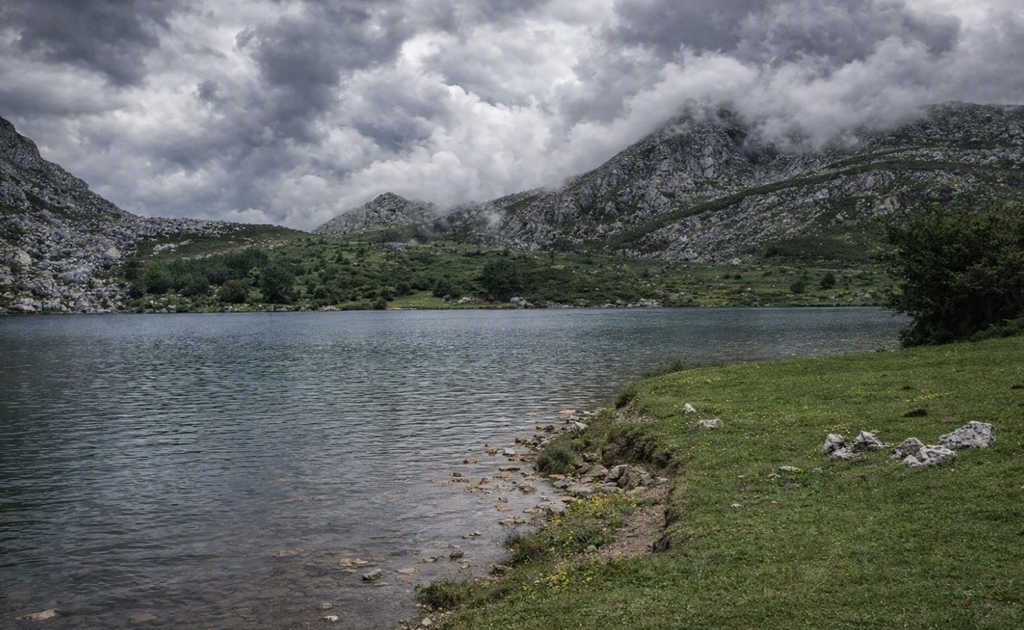
Lakes of Covadonga to Ario and El Jultayu
A longer hike from the famous lakes to Vega de Ario, with an optional summit extension to El Jultayu.
- Distance: 19.6 km
- Elevation Gain: 1,275 m
- Difficulty: Challenging
Lakes of Covadonga to Mirador Ordiales
A classic route to the Ordiales Scenic Balcony, passing historic landmarks. The views are expansive.
- Distance: 23.6 km
- Elevation Gain: 1,135 m
- Difficulty: Challenging
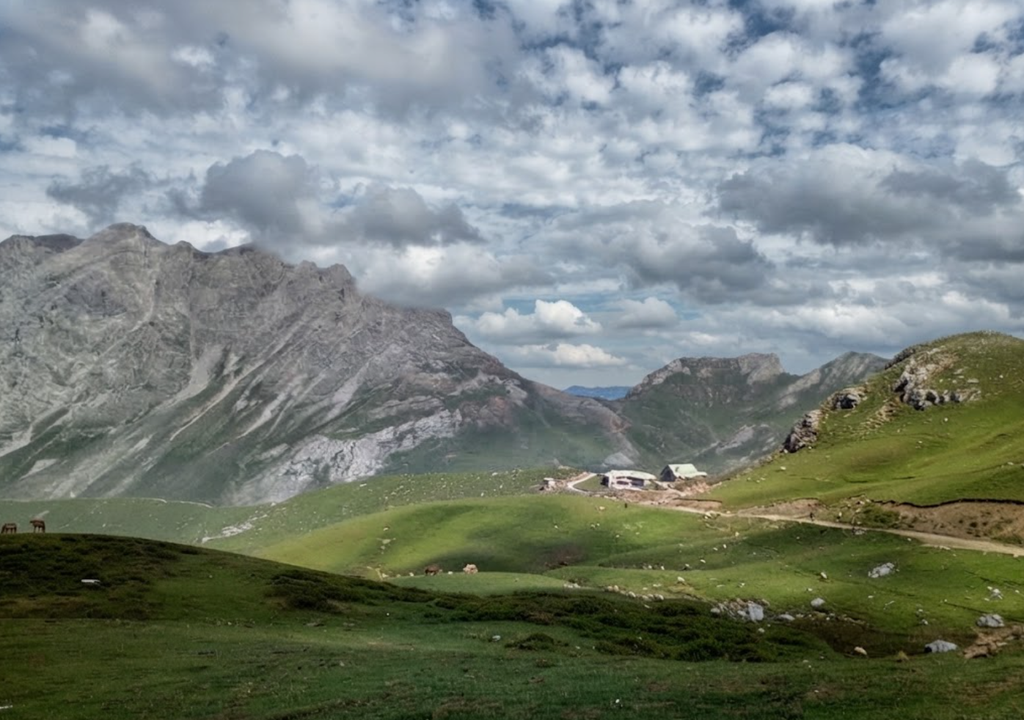
Peña Vieja
A demanding ascent from Fuente Dé to one of the park’s iconic peaks. The route climbs through rugged gullies.
- Distance: 11.8 km
- Elevation Gain: 1,110 m
- Difficulty: Challenging
Refugio Jou de los Cabrones
An overnight trek to the highest refuge in the park, suited only for experienced hikers. Remote and wild, it offers solitude.
- Distance: 27.4 km
- Elevation Gain: 2,244 m
- Difficulty: Very Challenging
The Picos in Perspective
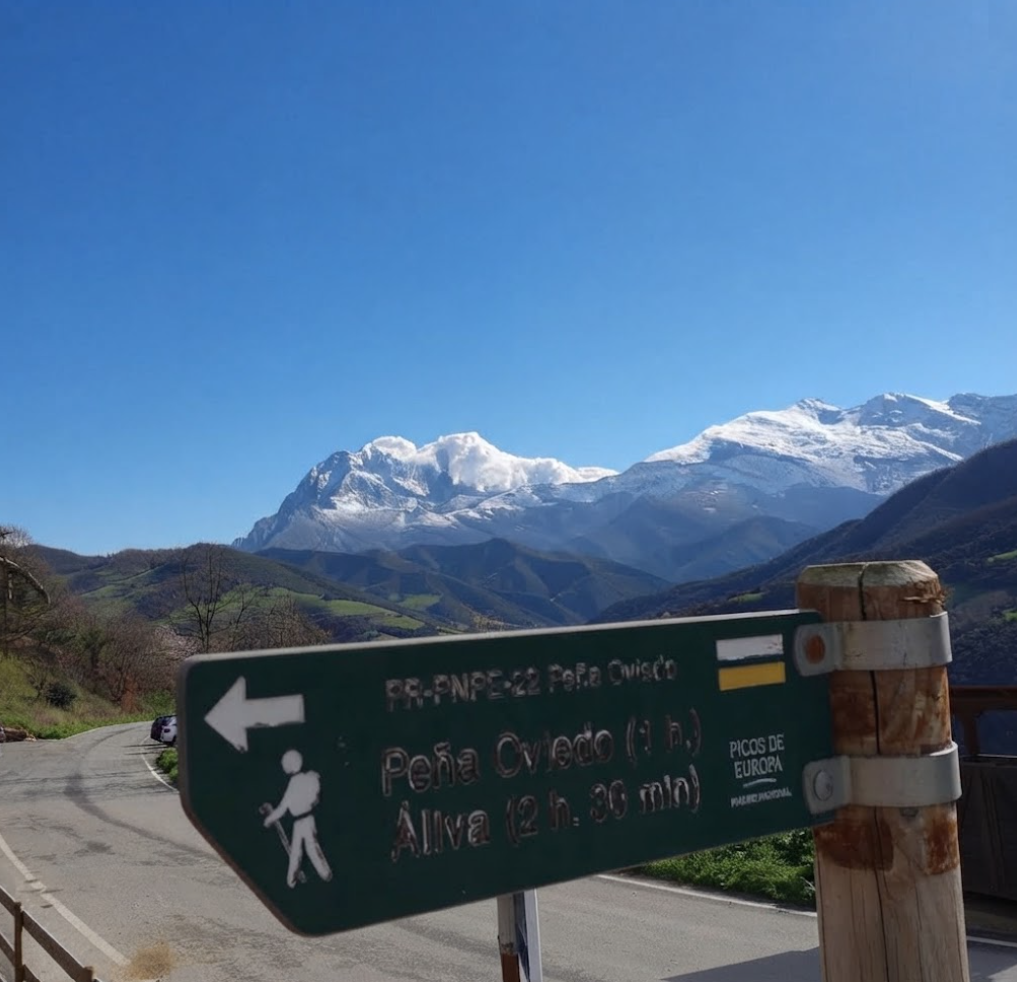
The Picos de Europa may only stretch across 40 kilometers, but they leave a striking mark on Spain’s northern landscape. This limestone chain rises sharply above the coasts of Asturias, Cantabria, and León, carving a dramatic band of peaks, gorges, and valleys that feel far larger than their footprint.
For hikers, the Picos deliver variety: accessible gorge walks like the Ruta de Cares, demanding ascents such as Peña Vieja, and hidden corners like Pica el Jierru. Each massif—the Cornión, Urrieles, and Ándara—has its own character, yet together they form a compact playground where every valley and ridge feels like a discovery.