
European Alps Destination > Plitvice Lakes National Park
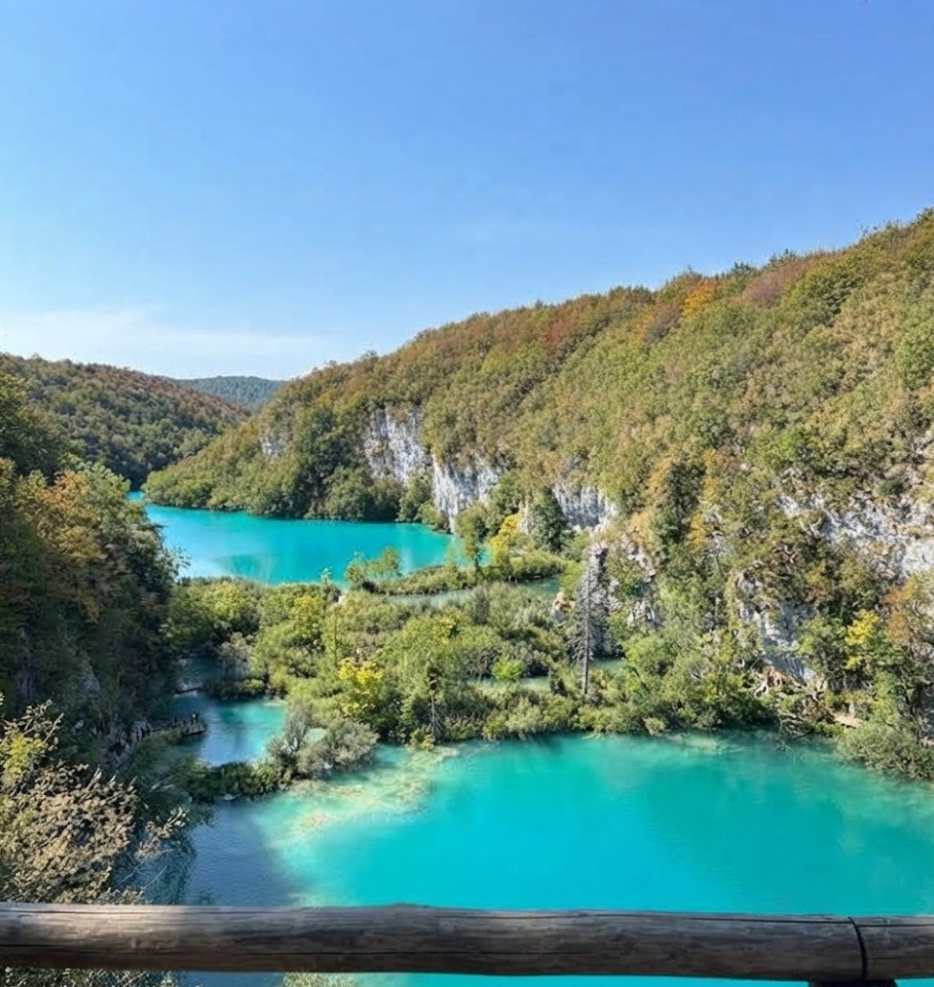
Plitvice Lakes National Park is Croatia’s most celebrated natural wonder, a World Heritage Site since 1979, and one of Europe’s most striking karst landscapes. With 15 emerald lakes connected by over 90 waterfalls, it feels like a living fairy tale. The lakes cascade in terraces, dropping a total of 133 meters, and boardwalks lead visitors across waters so clear that every ripple reflects the surrounding forest.
Arrival and First Impressions
Driving south from Zagreb, the road winds through rolling countryside before reaching the forested heart of central Croatia. Arriving early at Entrance 1, the reward is immediate: Veliki Slap, the tallest waterfall in the park at 78 meters, thunders into a turquoise pool. The sound of water fills the valley, and mist rises into the morning air. This is the Lower Lakes, the dramatic introduction to Plitvice.
Crowds are inevitable in summer, but early entry makes all the difference. The cobblestone path descends into a canyon where waterfalls tumble from limestone cliffs, and the first boardwalks lead across shimmering pools. The sensation is immersive: the roar of water, the cool spray, and the sight of cascades at every turn.
Lower Lakes
The Lower Lakes are compact but spectacular. Here, the karst geology creates deep canyons where water collects in turquoise basins. Veliki Slap dominates, but smaller falls line the cliffs, feeding streams that weave through the forest. The boardwalks bring visitors close to the action, sometimes directly above rushing water.
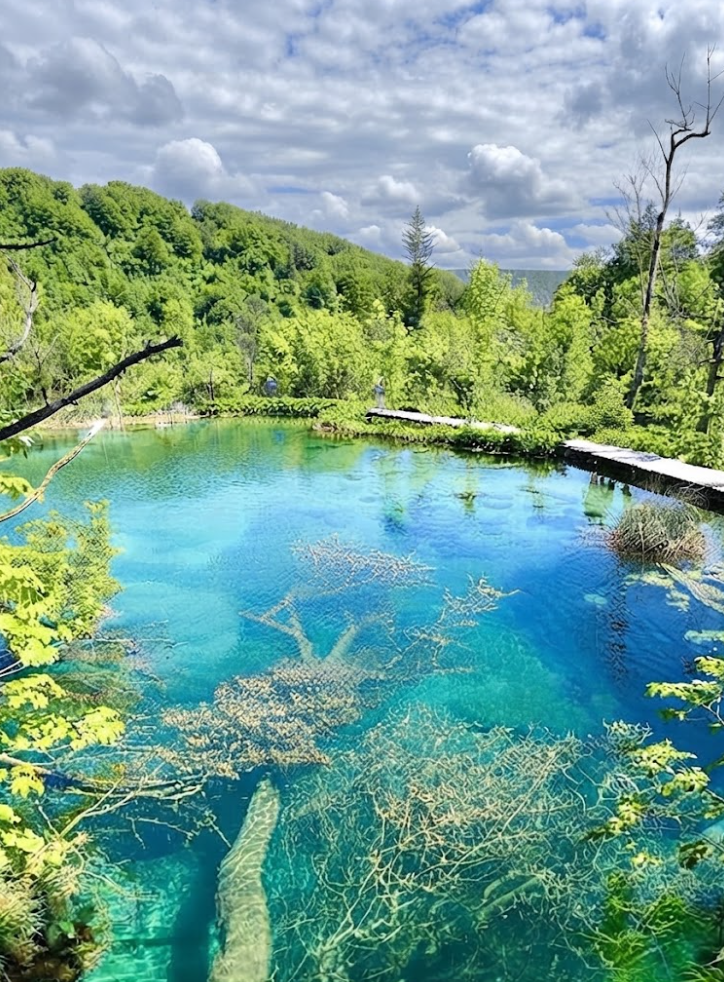
This section is the most photographed, and for good reason. The contrasts of white limestone, green forest, and blue water are striking. Yet the real magic lies in the sensory experience: waterfalls must be heard and felt, not just seen.
Upper Lakes
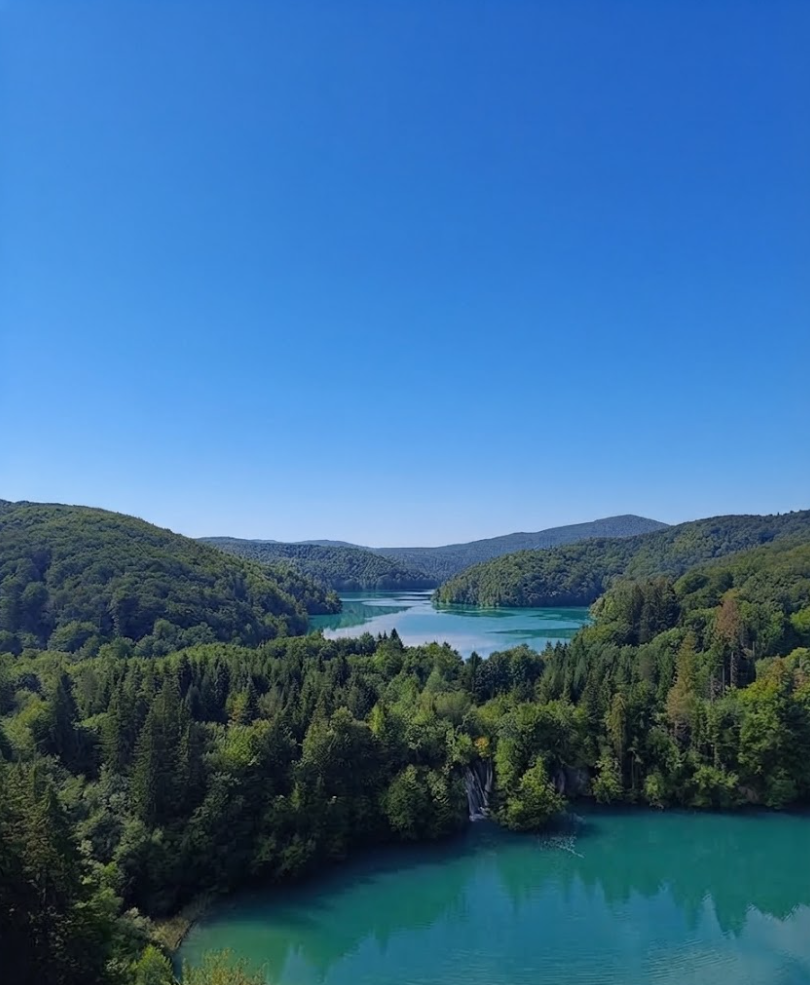
Crossing Kozjak Lake by boat, the scenery shifts. The Upper Lakes are quieter, more intimate, and more spread out. Wooden boardwalks meander through forested valleys, crossing streams and pools where smaller waterfalls tumble beneath your feet. The waters here are greener, shaded by trees, and the pace slows.
Crowds thin out in this section, allowing more solitude. The cascades are smaller but countless, and the boardwalks provide close access. Many visitors find this area more enchanting than the Lower Lakes, not because of size or drama, but because of intimacy.
Routes and Programs
Plitvice is organized into seven official visiting routes, labeled A through K. These programs are designed to match different time frames and interests.
- Route A and B: Short loops of 2 to 3.9 hours, focused on the Lower Lakes.
- Route E: A 2 to 3 hour option that covers the Upper Lakes only.
- Route C and H: Full‑day routes combining Lower and Upper Lakes with boat and shuttle rides. Route C begins at Entrance 1, while Route H starts at Entrance 2.
- Route K: The longest, a 7 to 8 hour loop that includes shoreline walking along Kozjak Lake. This route offers the fullest experience, combining both lake systems with extended hiking.
Navigation is simple, with trails well marked and maps provided at entrances. Choosing the right route depends on time, fitness, and interest, but for most visitors, C, H, or K provide the best balance.
Practical Tips
Plitvice receives over a million visitors annually, making it one of Croatia’s busiest attractions. Preparation is essential.
- Tickets: Book in advance, especially in summer, to avoid long lines.
- Timing: Arrive early to enjoy quieter trails before tour groups arrive.
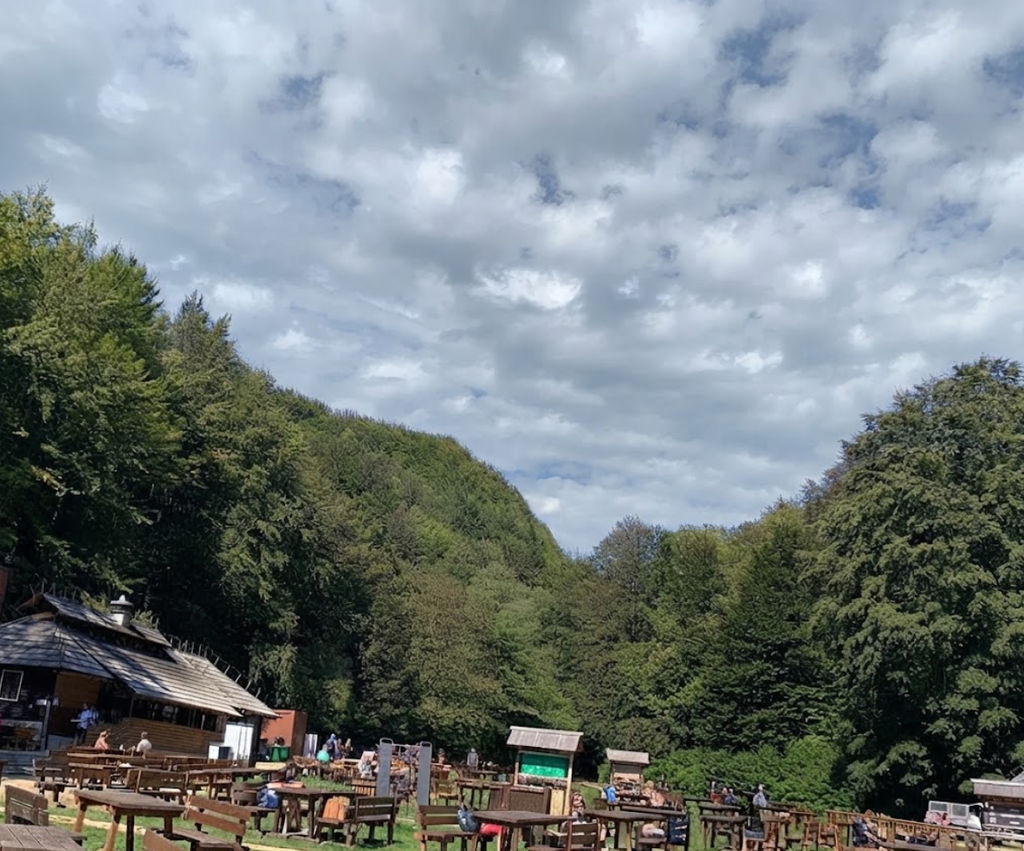
- Food and Drink: Options are limited. The picnic area near Kozjak Lake offers a restrooms, but bringing snacks and water is wise.
- Parking: Available at entrances, but fees apply. Only Entrance 1 remains open year‑round.
- Pets: Surprisingly pet‑friendly, with dogs allowed on trails and even seen cooling off in the lakes.
Getting There
Plitvice sits inland, about two hours by car from Zagreb or Zadar, and 2.5 hours from Split. Dubrovnik is nearly five hours away, making it impractical for a day trip. Rental cars provide flexibility, allowing overnight stays nearby and early entry.
Buses connect Zagreb directly to Plitvička Jezera, and organized day tours run from Zadar, Split, Trogir, and Zagreb. Some tours even combine transfers between Zagreb and Split with a stop at the park.
Seasonal Character
Plitvice transforms with the seasons, each offering a distinct atmosphere.
- Spring: Water levels peak, waterfalls roar, and wildflowers bloom along trails.
- Summer: The busiest season, with lush greenery and vibrant crowds. Early mornings are essential for peace.
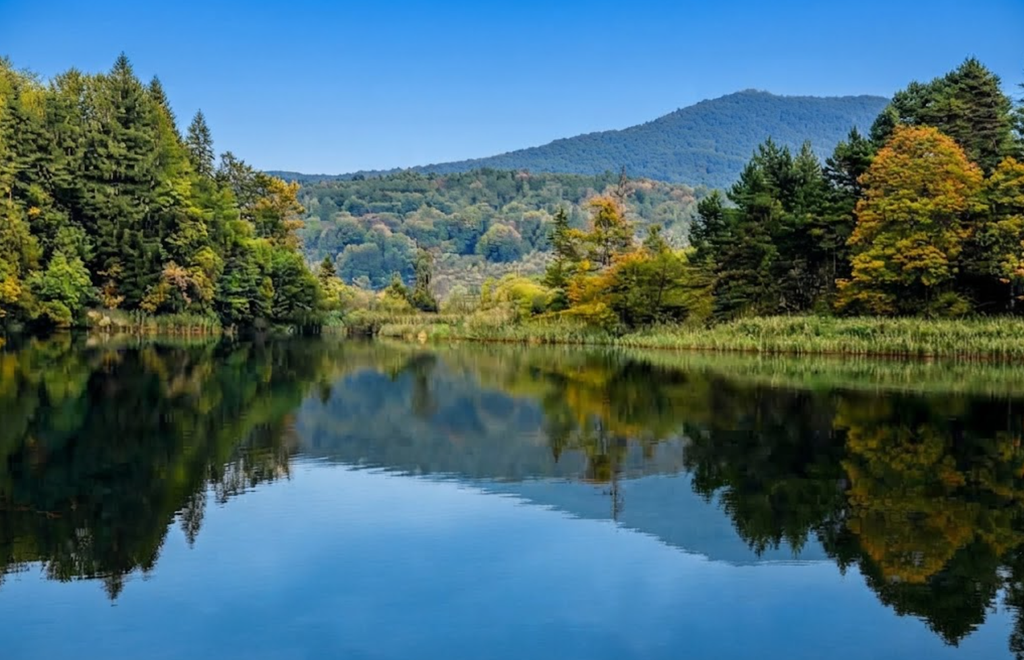
- Autumn: Perhaps the most magical, with forests ablaze in red and gold, and fewer visitors.
- Winter: A quieter, frozen wonderland, with icy cascades and snow‑covered boardwalks. Only Entrance 1 remains open, but the solitude is unmatched.
Returning in different seasons reveals new characters of the same landscape.
Geological and Ecological Significance
Plitvice is part of the Dinaric karst region, where limestone dissolves to create caves, canyons, and terraces. The lakes are formed by travertine barriers, which grow and dissolve as minerals deposit from flowing water. This process is dynamic, meaning the waterfalls and pools are constantly changing.
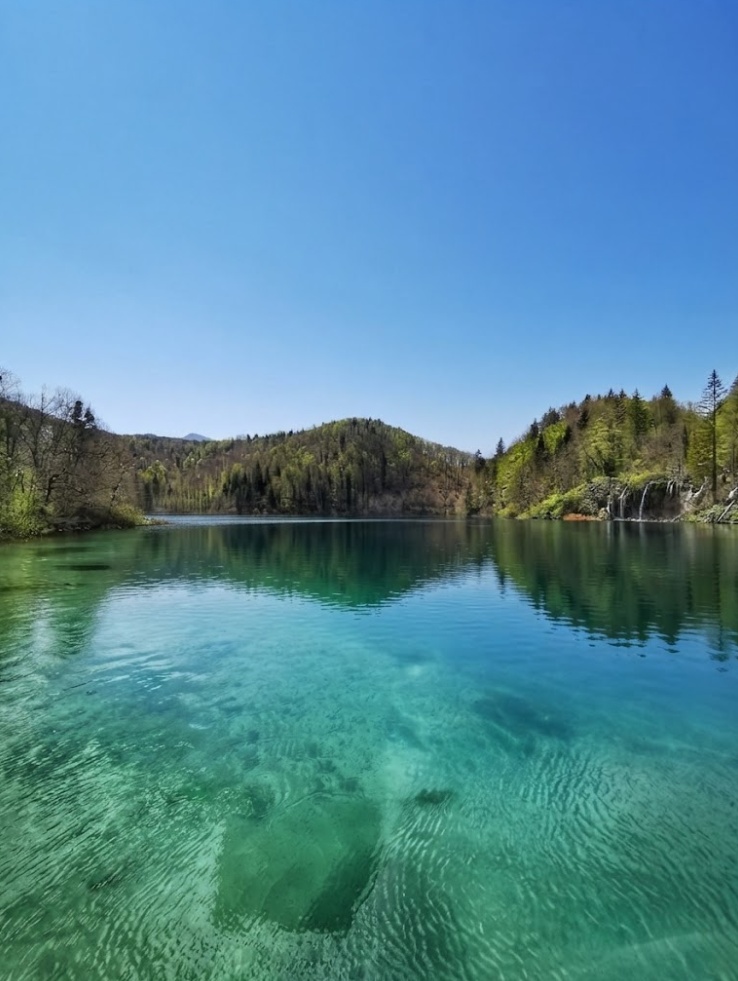
The ecosystem is rich, with forests of beech, fir, and spruce, and wildlife including deer, bears, and rare birds. The clarity of the water reflects both mineral content and biological activity, shifting in color from turquoise to emerald depending on conditions.
Why It Matters
Plitvice Lakes is more than a postcard destination. It is a rare karst ecosystem where geology, hydrology, and biology converge to create a landscape of constant change. Visiting is not just sightseeing—it is witnessing nature in motion. For travelers, one full day is enough to experience both the Lower and Upper Lakes. For nature lovers, returning in different seasons reveals new dimensions. Each visit feels like stepping into a different chapter of the same story.
Personal Reflections
Plitvice is one of the few places where social media hype matches reality. The waterfalls, lakes, and boardwalks surpass expectations. The sensory immersion—the roar of water, the mist on your skin, the sight of cascades at every turn—cannot be captured in photos.
Visiting with family or friends adds to the experience. Children run ahead, excited by waterfalls. Dogs cool off in the lakes. Married couples linger on boardwalks, soaking in the scenery. It is a place for all ages and conditions, accessible yet profound. Plitvice Lakes National Park is Croatia’s crown jewel, a landscape of waterfalls and lakes that feels timeless.
Whether you choose the drama of the Lower Lakes or the intimacy of the Upper Lakes, the experience is unforgettable. Plan carefully, arrive early, and allow a full day. The reward is a journey through one of Europe’s most enchanting natural wonders, a place where water shapes stone, forests frame lakes, and every season tells a new story.