
Faroe Islands > Things to do in Faroe Islands > Mykineshólmur Lighthouse
The Faroe Islands are a remote archipelago in the North Atlantic, located between Iceland, Scotland, and Norway. They are part of the Kingdom of Denmark but maintain a high degree of self‑governance. The islands are known for their fishing industry, particularly salmon exports, and increasingly for tourism.
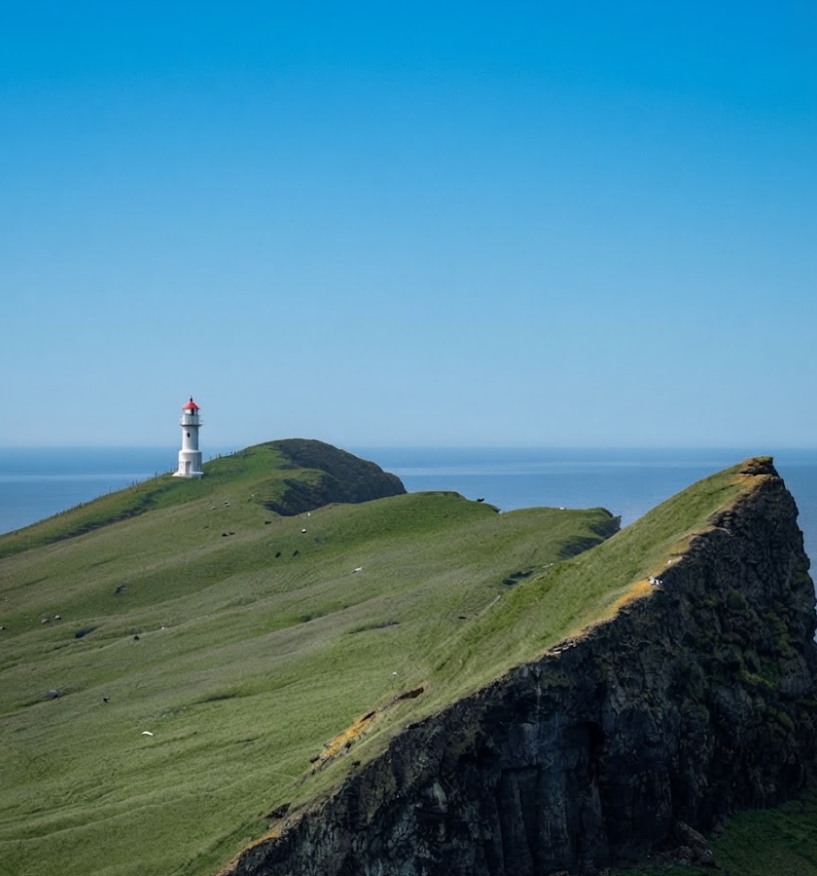
Among the 18 islands, Mykines is the westernmost and most famous for birdlife. Just beyond it lies Mykineshólmur, a small islet separated by the canyon Hólmagjógv and connected by a steel bridge. Rising 133 metres above the sea, the islet is home to the Mykines Lighthouse, built in 1909, and is one of the most iconic viewpoints in the Faroes.
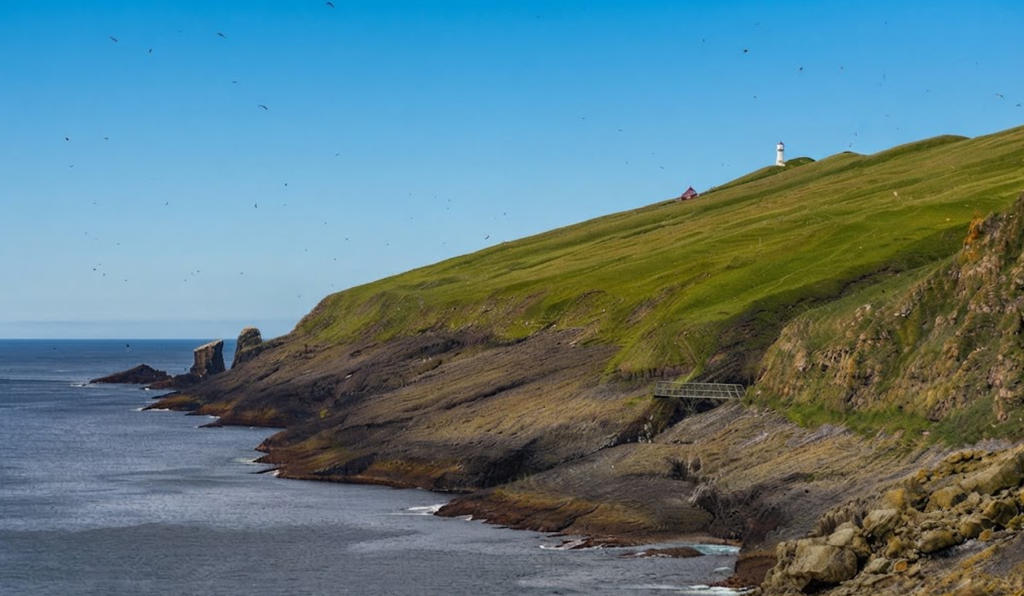
Geography and Setting
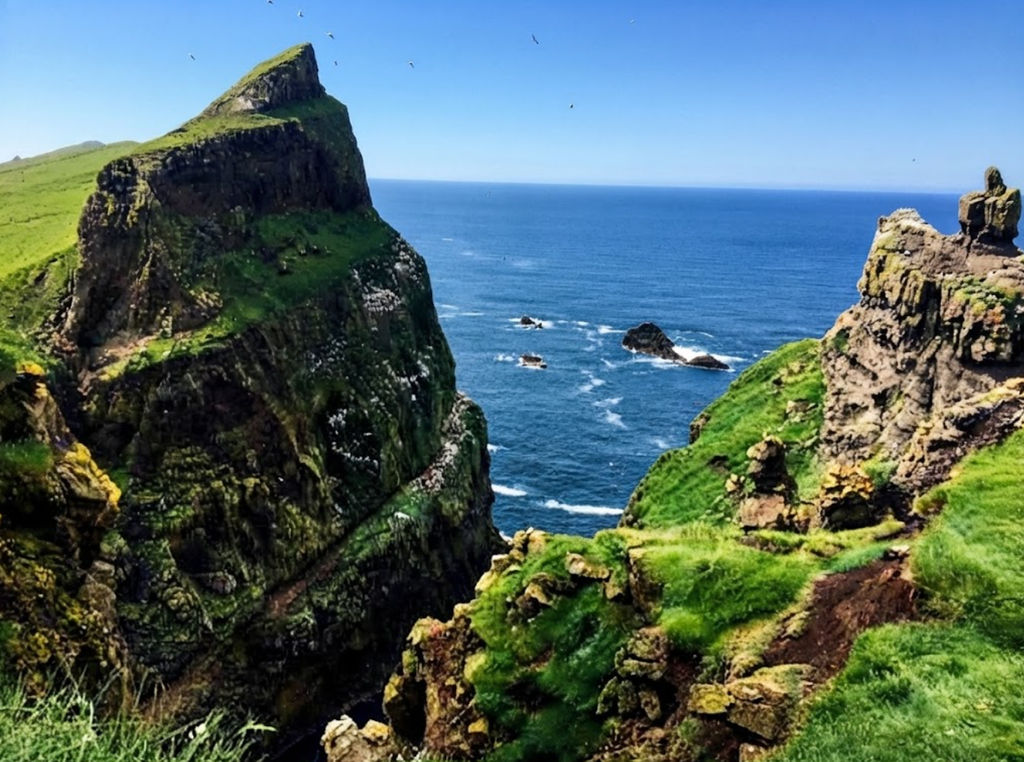
Mykineshólmur is technically uninhabited, but it brims with life during the summer months. Puffins nest in burrows across its grassy slopes, gannets occupy cliffs, and fulmars glide overhead. The islet is separated from the main island by Hólmagjógv, a narrow gorge, and connected by a 40‑metre steel bridge. From the northern part of Mykines Island, visitors can see extraordinary views of the islet and its lighthouse.
Access to Mykines
Reaching Mykines is an adventure in itself. There are two main options: ferry or helicopter. The ferry departs from Sørvágur on Vágar and takes about 45 minutes. It operates seasonally, usually from late spring through summer, and is highly dependent on weather.
Tickets often sell out, so booking in advance is essential. The helicopter service, operated by Atlantic Airways, is less frequent but offers a dramatic aerial arrival. Prices for both options are similar, but most visitors choose the ferry for the scenic coastal views.
Regulations and Fees
To hike beyond the village of Mykines, visitors must pay a hiking fee of 250 DKK per person. This fee supports conservation and trail maintenance, particularly to protect puffin burrows. Payment can be made online or at the checkpoint near the trail start. Guides are mandatory for hiking outside the village.
This rule was introduced to protect both visitors and wildlife. Before guides were required, accidents were common, with tourists injuring themselves by stepping into puffin burrows.
Beginning the Trail
The hike to Mykineshólmur Lighthouse begins in Mykines village. The trail starts just to the left of the village, appearing more like farmland than a hiking path. Officials in fluorescent vests check proof of fee payment. From here, the trail climbs steeply, leading to a rocky section where a memorial commemorates locals lost at sea. This site is a reminder of the island’s harsh conditions and the resilience of its people.
Ridge Section
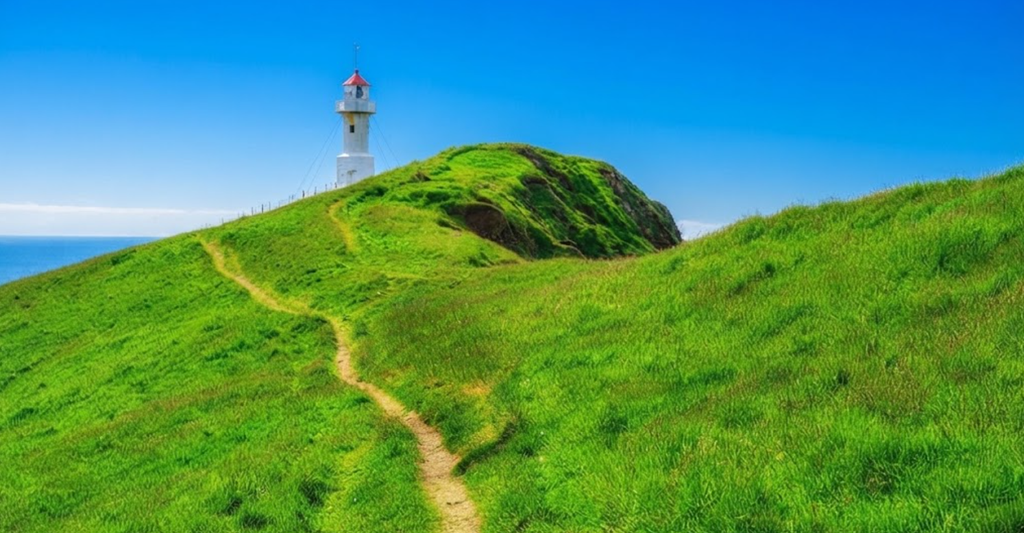
Beyond the memorial, the trail continues along a narrow ridgeline. Ropes, chains, and fencing provide support, but footing can be treacherous. The ridge offers sweeping views of cliffs and the Atlantic Ocean. It is a section that requires caution but rewards hikers with dramatic scenery.
Puffin Burrows at í Lamba
One of the highlights of the hike is the section known as í Lamba. Here, millions of puffin burrows line both sides of the trail. Puffins nest from late April to early August, and during this time they can be seen flying to and from the sea, carrying fish to their burrows.
Officials manage this section to prevent overcrowding and disruption. Visitors may be held back or hurried along to protect the birds.
Crossing the Bridge
After passing through the puffin colony, hikers reach the steel bridge that connects Mykines to Mykineshólmur. The bridge spans 40 metres across Hólmagjógv canyon. Crossing it is a memorable experience, with cliffs dropping away on either side and seabirds circling overhead.
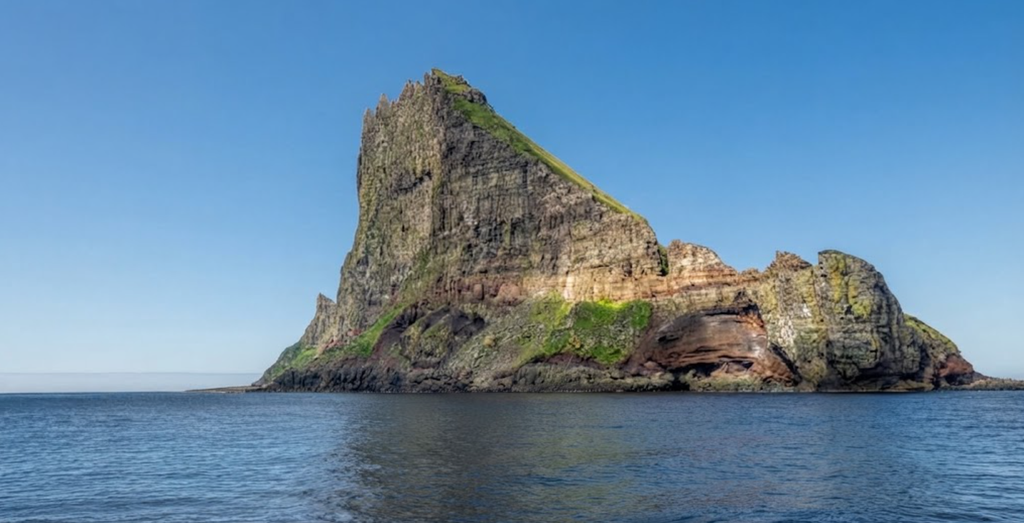
The Lighthouse
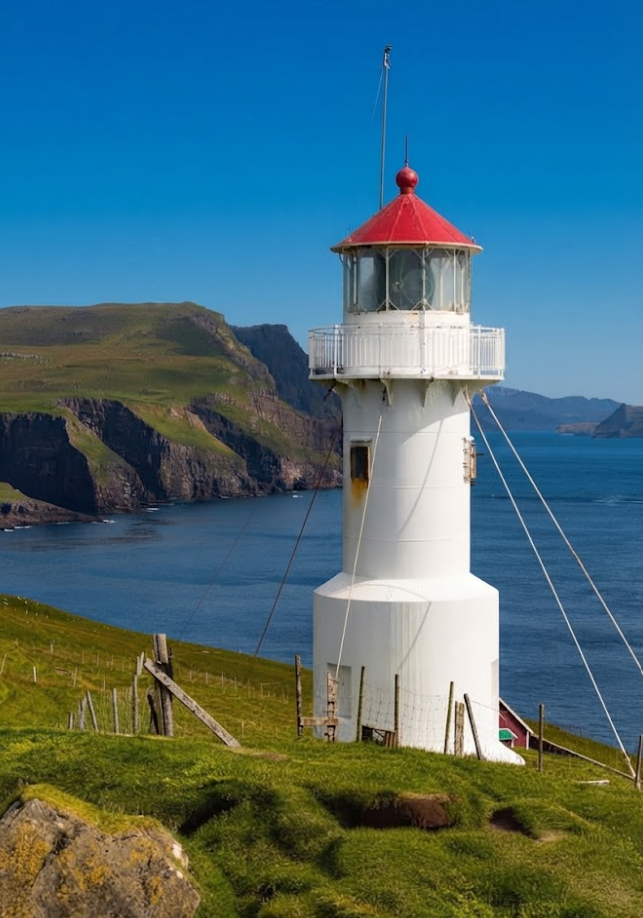
At the end of the islet stands the Mykines Lighthouse, built in 1909. It is one of the most recognisable features of the island and a favourite subject for photographers. The lighthouse families once lived here, and remnants of World War II shelters can still be seen nearby. These shelters were used during German bombing raids. The views back toward Mykines, with the lighthouse in the foreground, are spectacular.
Return Options
From the lighthouse, hikers can retrace their steps or take a lower path that weaves past the lighthouse and reconnects with the main trail. The lower path is easier and more popular. The full hike from Mykines village to the lighthouse and back is roughly 8–10 kilometres, depending on the route and time spent at viewpoints. On average, it takes 2–3 hours, not including breaks.
Trail Details
The hike is considered moderate. It includes steep climbs, uneven ground, and narrow cliffside sections. A decent level of fitness and mobility is required. Toilets are available only at the trail start near the village. The guided walk typically lasts 2–3 hours, allowing time for puffin photography and exploration.
Best Season
The best time to hike to Mykineshólmur Lighthouse is from late May to early August. During these months, puffins nest, ferries operate regularly, and daylight hours are long. July often offers the most reliable sea conditions, though weather in the Faroes is always unpredictable.
September can be quieter, but puffins will have left and ferry schedules may be reduced. Outside summer, access is limited and conditions are harsher.
Birdlife
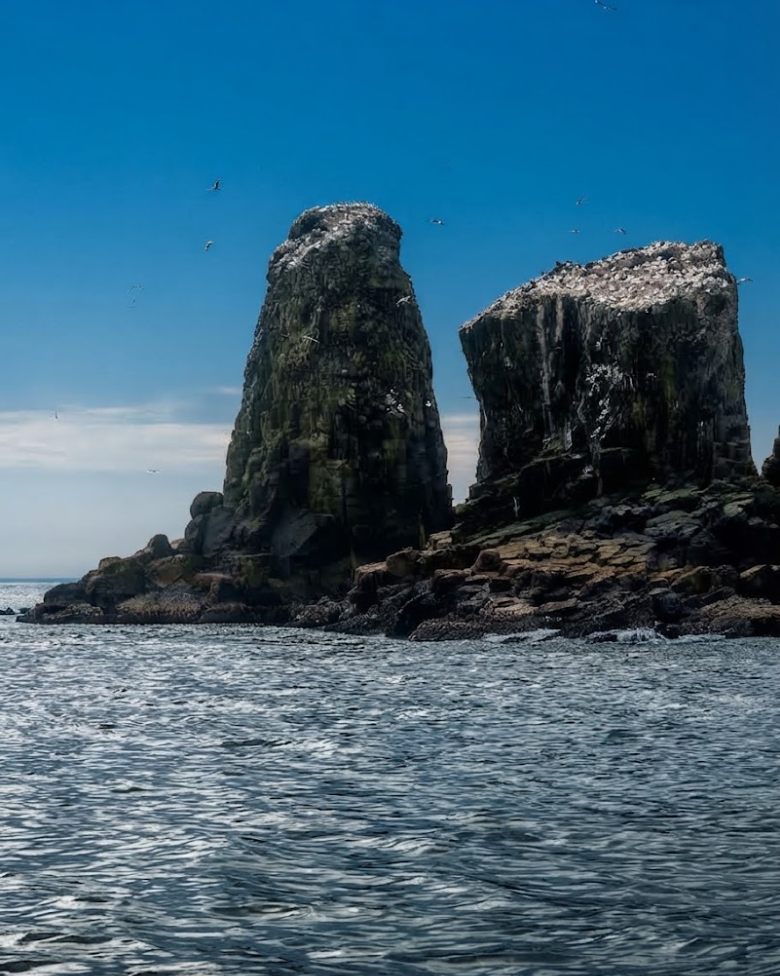
Mykines and Mykineshólmur are havens for seabirds. Puffins are the main attraction, nesting in burrows across grassy slopes. Gannets also nest here, with Mykineshólmur being the only site in the Faroes where they breed. Guillemots and kittiwakes are common along cliffs, diving and calling over the waves.
Fulmars glide effortlessly above the coastline, often riding strong winds. Inland, oystercatchers can be heard with their sharp calls. Occasionally, seals are spotted in calmer waters below the cliffs.
Practical Packing
Visitors should prepare carefully. Waterproof hiking shoes are essential for muddy, uneven paths. Layered clothing and a waterproof jacket are necessary due to rapid weather changes. A hat or buff provides protection against wind and drizzle. Carry a refillable water bottle and snacks, as there are no shops on the island. A dry bag helps protect electronics from rain or spray. Binoculars are useful for spotting puffins, gannets, and distant islets.
Logistics
Guided tours are available from Visit Mykines and local operators. Guides provide safety and context, explaining the island’s history, birdlife, and geology. Ferry times typically allow for return trips at 2:15 pm or 6:15 pm. The tour itself does not include ferry tickets, so these must be booked separately. Payment of the hiking fee is required, and guides ensure compliance.
Historical Notes
The Mykines Lighthouse has stood since 1909, guiding ships through the North Atlantic. During World War II, the lighthouse was targeted by German bombing raids, and shelters were built nearby for protection. The memorial along the trail commemorates locals lost at sea, reflecting the dangers of life in such a remote environment.
Safety Considerations
The trail includes narrow ridges and uneven ground. Strong winds are common, and conditions can change rapidly. Officials manage sections of the trail to prevent overcrowding and protect puffins. Visitors should always follow guide instructions and remain on marked paths.
The hike to Mykineshólmur Lighthouse is one of the most distinctive experiences in the Faroe Islands. It combines birdwatching, history, and dramatic landscapes. Puffins are the highlight, but the trail itself offers insight into Faroese resilience and natural beauty.
For travelers, the essentials are clear: book ferry tickets early, pay the hiking fee, hire a guide, pack waterproof gear, and visit in summer for puffins. Mykineshólmur is not just a viewpoint. It is a living ecosystem, a historical site, and a reminder of the Faroes’ connection to the sea. Hiking here is both a challenge and a privilege, offering a rare chance to experience the edge of the world.