
The Gateway Moment
Every arrival in the Faroe Islands begins at Vágar Airport, a modest terminal pressed between mountains and sea. Planes land in crosswinds, passengers step into crisp air, and the journey to Tórshavn begins. 45 km separate the airport from the capital, a distance bridged by tunnels and fjords.
For those who value independence or convenience, two options dominate: the taxi and the car rental. Each offers a different rhythm, a different relationship with the islands, a different way to arrive.
The Taxi Frame
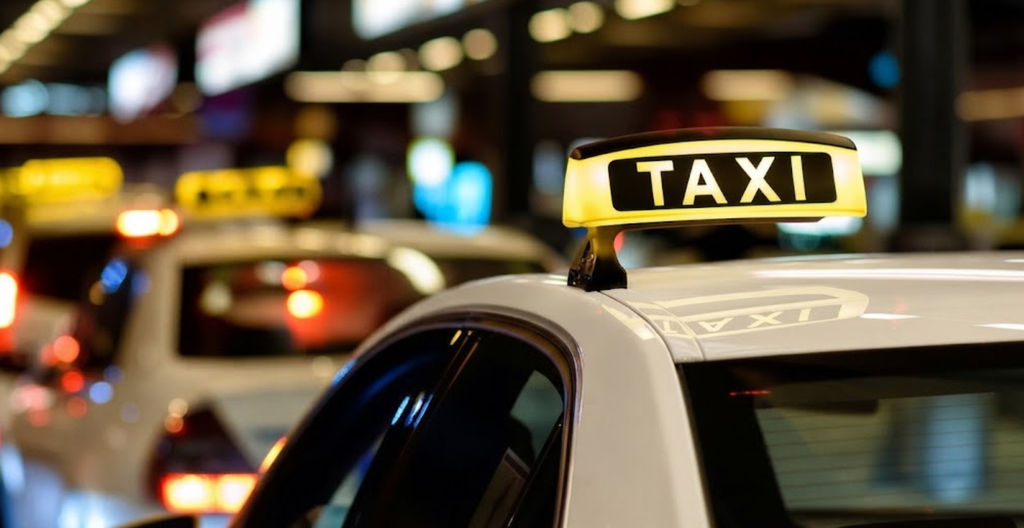
Taxis wait outside the arrivals hall, lined neatly, drivers accustomed to the flow of flights. The ride to Tórshavn takes about 40 to 45 minutes, depending on traffic and weather. Fares hover around DKK 700–850 (USD 100–120). It is not cheap, but it is direct. You step into the car, luggage stowed, and the driver takes you straight to your hotel or guesthouse. No transfers, no waiting, no detours. For late‑night arrivals, for travellers with heavy bags, for those who value simplicity, the taxi is the answer.
The Car Rental Frame
Car rental agencies cluster inside the airport terminal. Atlantic Car Rental, Hertz, and local companies offer fleets ranging from compact hatchbacks to rugged SUVs. Daily rates begin around DKK 500–600 (USD 70–80), rising with size and insurance. The drive to Tórshavn is the same 45 minutes, but the car is not just transfer; it is tool. It gives freedom to explore villages, waterfalls, and hiking trails beyond the capital. For travelers who want more than arrival, the rental is the key.
The Departure Tradition
With taxis, departure is immediate. You step outside, choose a car, and go. With rentals, departure requires paperwork. Licences checked, contracts signed, insurance explained. It takes time, but it grants autonomy. The choice is between speed and freedom, between being driven and driving yourself.
The Route Experience
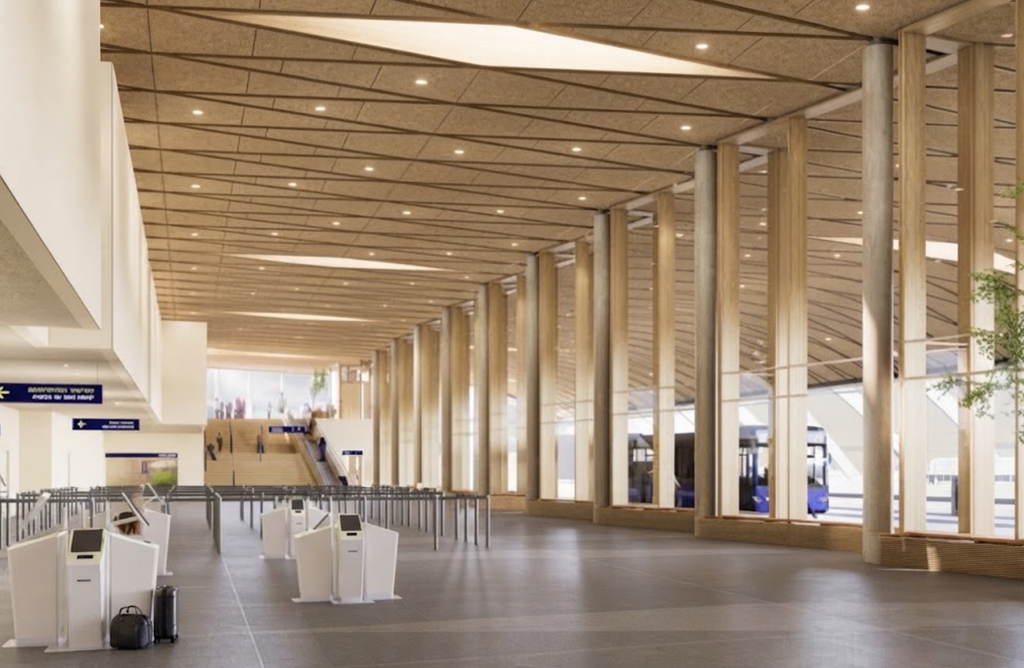
The road east from Vágar passes through valleys, climbs ridges, and plunges into the Vágatunnilin, the sub‑sea tunnel linking Vágar to Streymoy. At 4.9 kilometres long, it is engineering carved beneath the fjord. Emerging, the road traces fjords, passes villages, and reveals landscapes. In a taxi, you watch through windows, guided by a driver who knows every curve. In a rental, you hold the wheel, pause at viewpoints, detour to waterfalls. The route is the same, but the experience differs.
The Arrival Scene
Taxis deliver you directly to your accommodation. Hotels, guesthouses, Airbnbs — the driver knows the streets, the shortcuts, the parking spots. Car rentals deliver you to yourself. You arrive at your hotel, but you also arrive with a vehicle, parked outside, ready for tomorrow’s exploration. The difference is subtle but significant. One ends the journey; the other begins another.
The Weather Factor
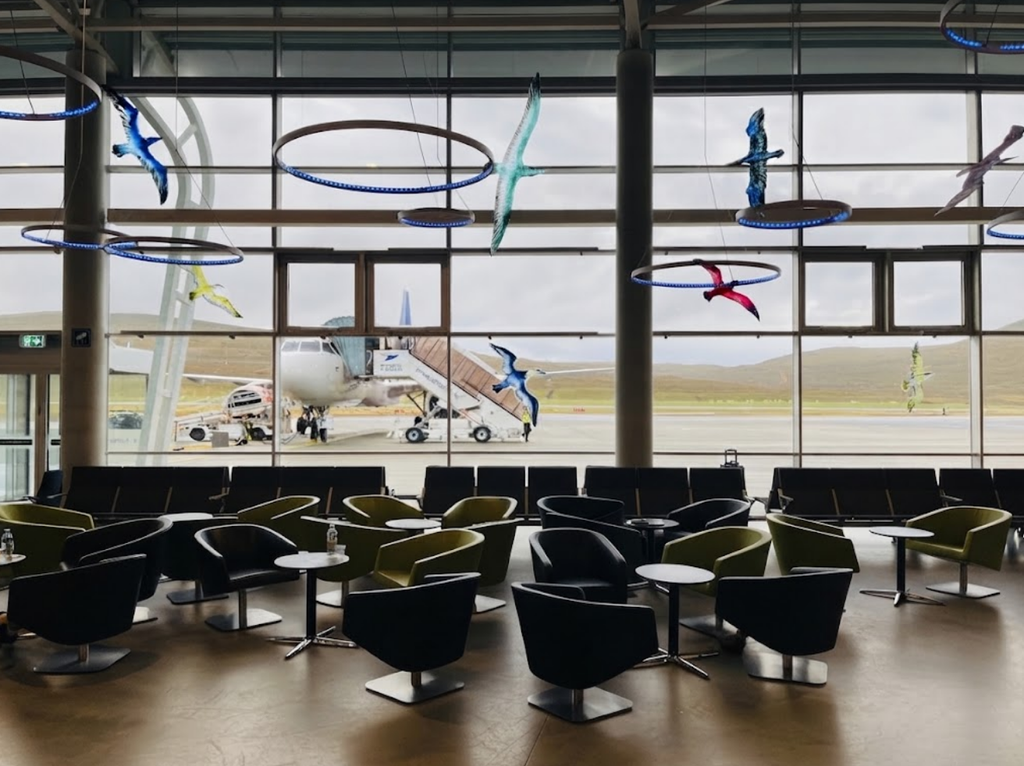
The Faroe Islands are notorious for sudden weather shifts. Fog rolls in, rain lashes sideways, winds rise. Taxi drivers are accustomed to conditions, skilled at navigating in storms. Car rentals demand confidence. Roads are narrow, sheep wander freely, visibility can vanish. For experienced drivers, it is manageable. For nervous ones, it is challenge. Weather shapes the choice: taxi for certainty, rental for adventure.
The Economics of Choice
Taxis cost more per trip, but less if you only need one transfer. Rentals cost less per day, but more if unused. For travellers staying in Tórshavn only, taxis are efficient. For those exploring villages, cliffs, and trails, rentals are economical. The calculation is not just money; it is purpose. What do you want from the islands? Arrival or exploration?
The Cultural Layer
Taxis in the Faroe Islands are practical, not luxurious. Drivers are locals, often conversational, sometimes silent. They know the roads, the weather, the rhythms of flights. Car rentals are part of tourism infrastructure, designed for independence. To take a taxi is to trust a local; to rent a car is to trust yourself. Both are cultural encounters, different but authentic.
The Scenic Argument
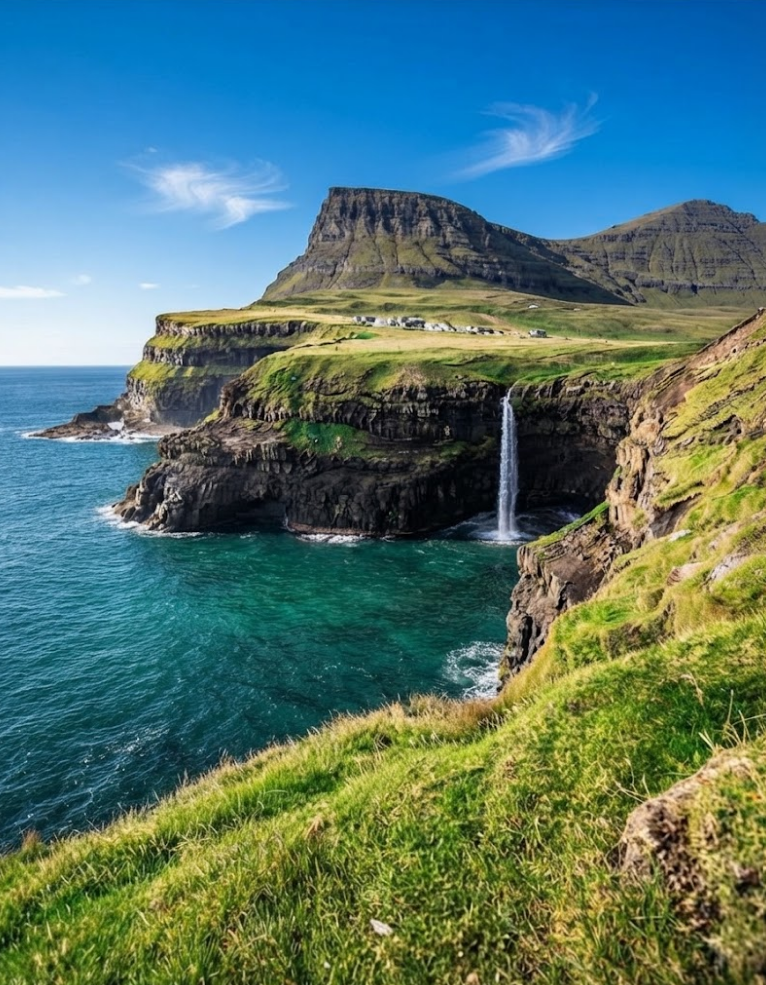
From a taxi, the scenery is framed, curated by windows, glimpsed between conversations. From a rental, the scenery is yours to pause, to photograph, to linger. You can stop at Múlafossur waterfall, detour to Gásadalur village, climb to viewpoints. The taxi shows you the road; the rental lets you leave it. The scenic argument favours autonomy, but not everyone seeks it.
The Logistics of Booking
Taxis require no booking, though pre‑arrangement is wise for late arrivals. Car rentals require reservation, especially in summer. Online booking secures vehicles, insurance, and extras. Pick‑up is at the airport, drop‑off at the same. Fuel stations are limited; planning matters. Logistics shape ease: taxis are simple, rentals are layered.
The Comfort Equation
Taxis are private, quiet, direct. Rentals are flexible, but demand driving. Comfort is subjective. Some prefer being driven, others prefer driving. Both offer padded seats, heating, and views. Neither is luxury, but both are sufficient. Comfort lies in control: who holds the wheel?
The Comparative Lens
- Taxi: Direct, private, expensive, certain.
- Car rental: Flexible, independent, economical for explorers, demanding.
- Bus: Cheap, communal, slower.
- Helicopter: Fastest, dramatic, costly, limited.
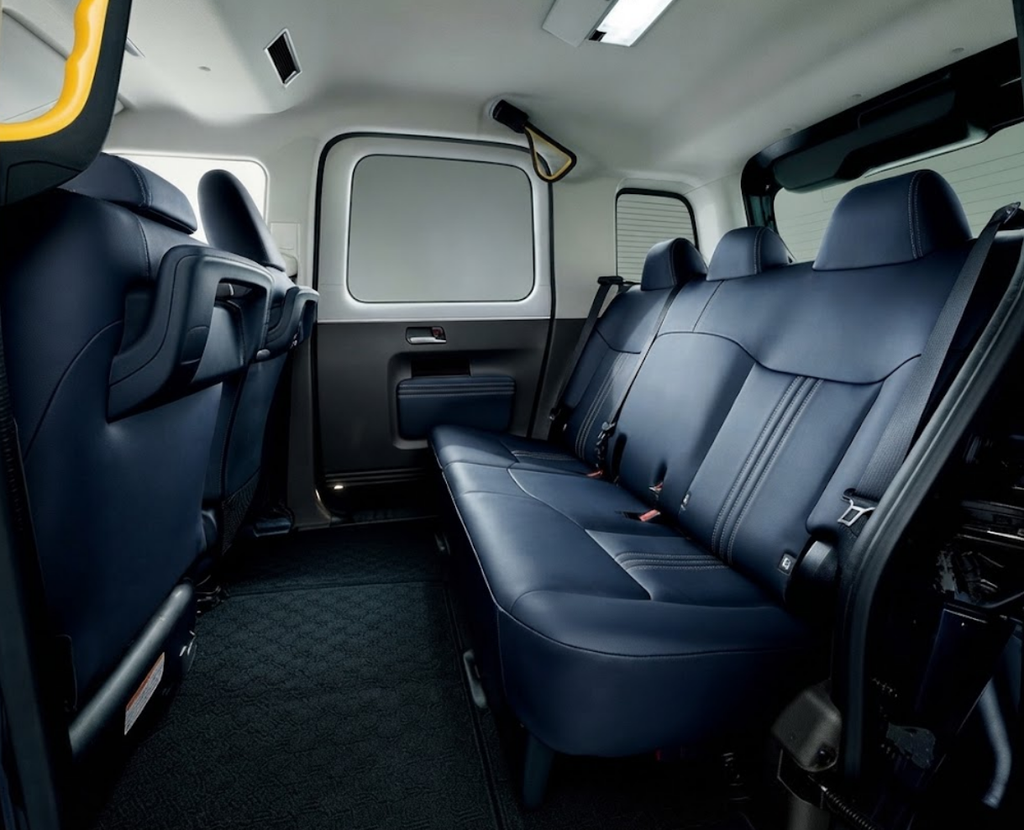
Each option has its place. Taxis and rentals are for those who value independence or convenience. They are not mass transport; they are personal choices.
The Symbolic Weight
To take a taxi is to surrender control, to trust a driver, to arrive without effort. To rent a car is to claim autonomy, to drive yourself, to explore beyond. Both are symbols: one of reliance, one of independence. Both define journeys differently. Both shape how you meet the islands.
The Island Lesson
The Faroe Islands teach respect for weather, patience for roads, and value for choice. Taxis embody certainty; rentals embody freedom. To choose between them is to choose how you want to meet the islands — guided or self‑guided, direct or exploratory. Both are valid, both are revealing, both are Faroese.