
Faroe Islands > Things to do in Faroe Islands > Borðoy
Setting the Scene
Borðoy, or Bordø in Danish, is the largest of the Northern Isles in the Faroe Islands. Its name translates to “Headland Island,” a fitting description for a place defined by rugged cliffs, fjords, and mountains. With eight settlements — Klaksvík, Norðoyri, Ánir, Árnafjørður, Strond, Norðtoftir, Depil, and Norðdepil — Borðoy balances modern Faroese life with landscapes that remain wild and untamed.
Klaksvík – The Northern Capital
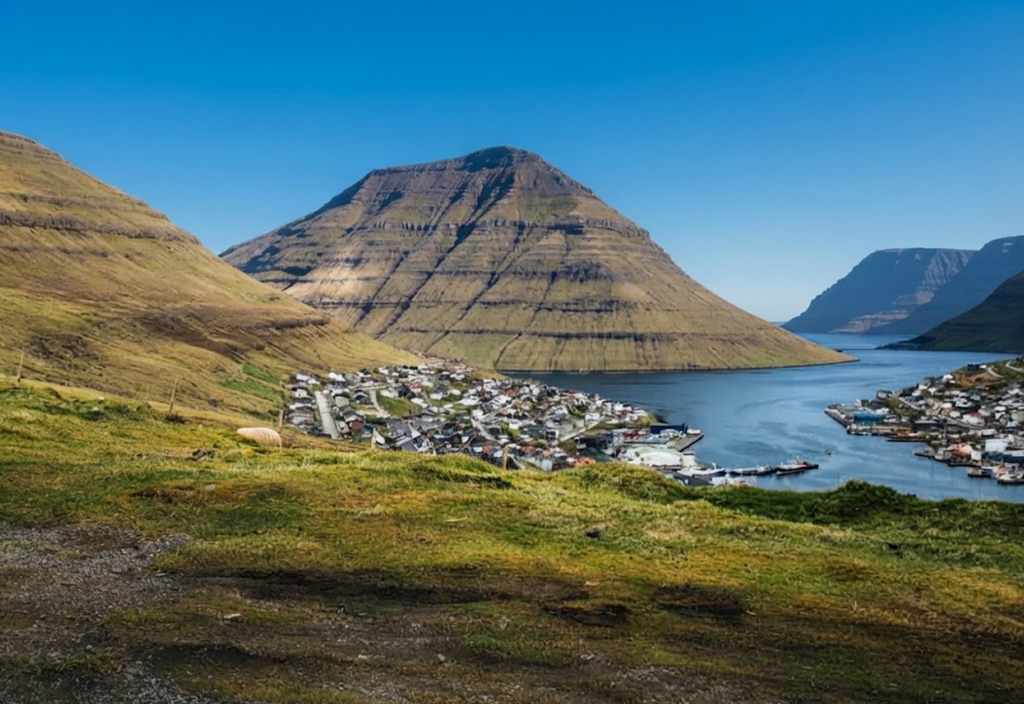
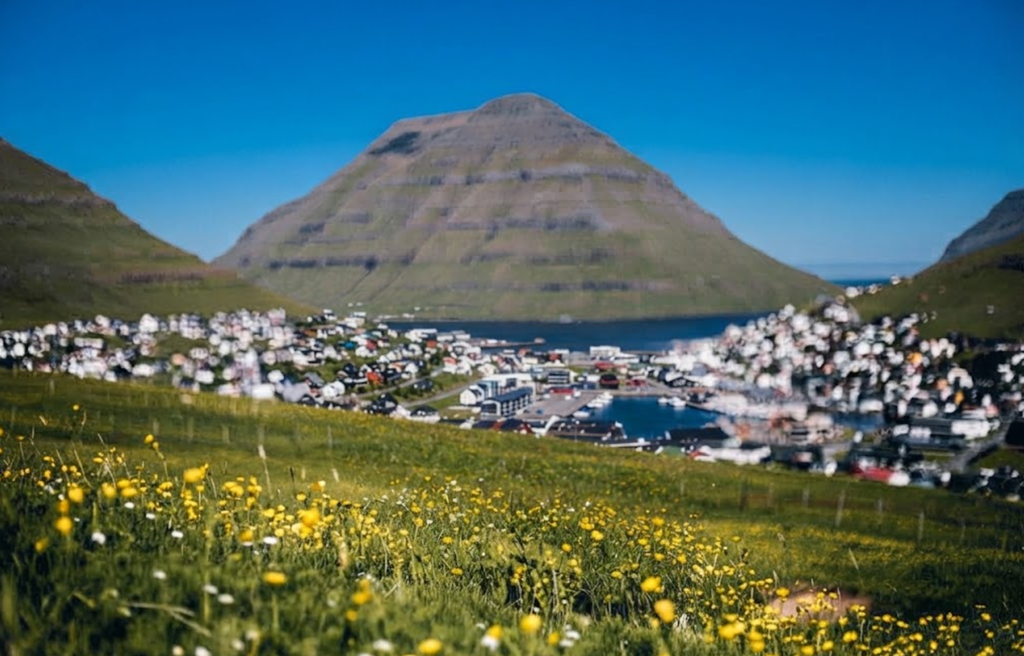
At the heart of Borðoy lies Klaksvík, the Faroes’ second largest town with around 5,000 residents. It is a fishing hub, its harbor lined with vessels and marked by a giant hook sculpture in a roundabout — a symbol of the town’s lifeblood. Yet Klaksvík is more than industry. It has cafés, grocery stores, a swimming hall, and cultural institutions, including museums and Føroya Bjór, the islands’ oldest brewery.
Klaksvík is also a gateway. Ferries depart for Kalsoy, while causeways connect Borðoy to Kunoy and Viðoy. The Norðoyatunnilin subsea tunnel links the island directly to Eysturoy, making travel from Tórshavn straightforward.
Waterfalls and Valleys
Borðoy’s landscape is punctuated by waterfalls, and Svartidalurfoss is among the most rewarding. The road ends at a small parking lot, and from there a short walk through a sheep gate leads to the overlook. The waterfall cascades in two levels, often overlooked by visitors, which means you may find yourself alone with the sound of rushing water and grazing sheep.
Hiking to Klakkur
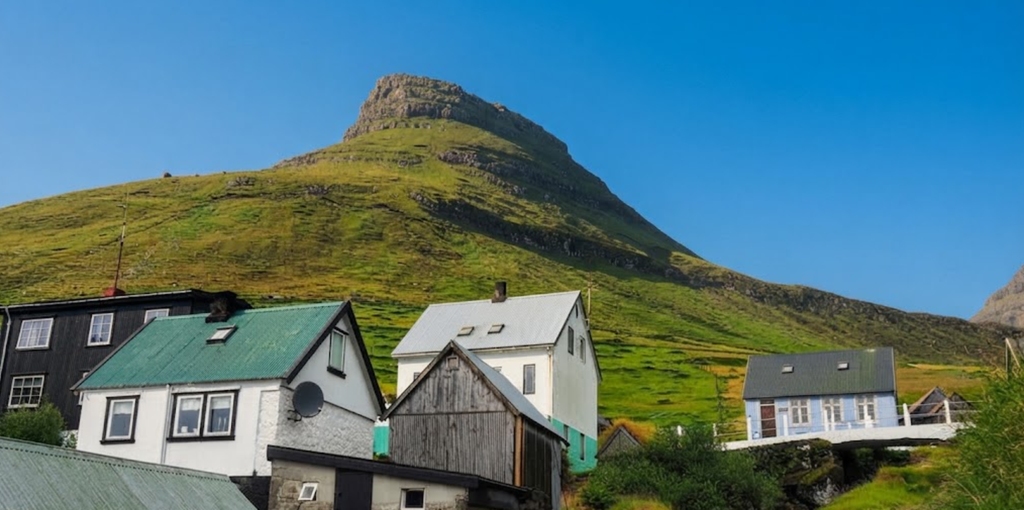
The hike to Klakkur is one of the most celebrated in the Faroes. Starting from the city center adds distance, but driving partway up shortens the climb to about 25 minutes. The trail is exposed, muddy in places, and rocky near the summit, but the views are extraordinary. From the cairn at the top, you can see Borðoy, Kalsoy, and Kunoy spread across the horizon. Weather shifts quickly — sunshine one moment, rain the next — but that unpredictability is part of the Faroese charm.
Birdlife and Headlands
Borðoy’s northern and south‑eastern headlands are recognized as an Important Bird Area by BirdLife International. Around 250 pairs of European storm petrels and 200 pairs of black guillemots nest here. The cliffs echo with seabird calls, a reminder that the Faroes are as much about wildlife as they are about human settlement.
Mountains and Landscapes
Borðoy rises into five distinct peaks: Lokki (755 m), Háfjall (647 m), Borðoyarnes (392 m), Depilsknúkur (680 m), and Hálgafelli (503 m). The highest summit, Norðan fyri Lokkaskarð (772 m), dominates the skyline. From Klaksvík, the view of Kunoy is striking — a pyramid‑like massif that shields the town from northern winds.
Múli – The Ghost Village
On Borðoy’s edge lies Múli, a settlement abandoned in 2002 despite having road access. Unlike other deserted Faroese villages, Múli retains life in summer, with houses kept as seasonal retreats. It feels suspended between abandonment and continuity, a place where silence meets lingering community. Its story even reached screens in the crime drama TROM, filmed among its unpaved lanes.
Everyday Life and Exploration
Borðoy offers both practicality and adventure. Klaksvík has grocery stores, charging stations, and fish‑and‑chips stalls, while the surrounding fjords and mountains provide solitude. Árnafjørður, with its secluded bay, is worth a detour. The Norðoyatunnilin subsea tunnel ties Borðoy to the wider Faroes, making exploration seamless.
Getting to Borðoy
Travel begins at Vágar Airport, with buses or taxis to Tórshavn. From there, Route 400 or a rental car takes you north through the Eysturoyartunnilin subsea tunnel, arriving in Klaksvík in 2–3 hours. Causeways link Borðoy to Kunoy and Viðoy, while Kalsoy requires a short ferry ride. Public transport takes 4–5 hours in total, while driving is faster and more flexible.
Conclusion
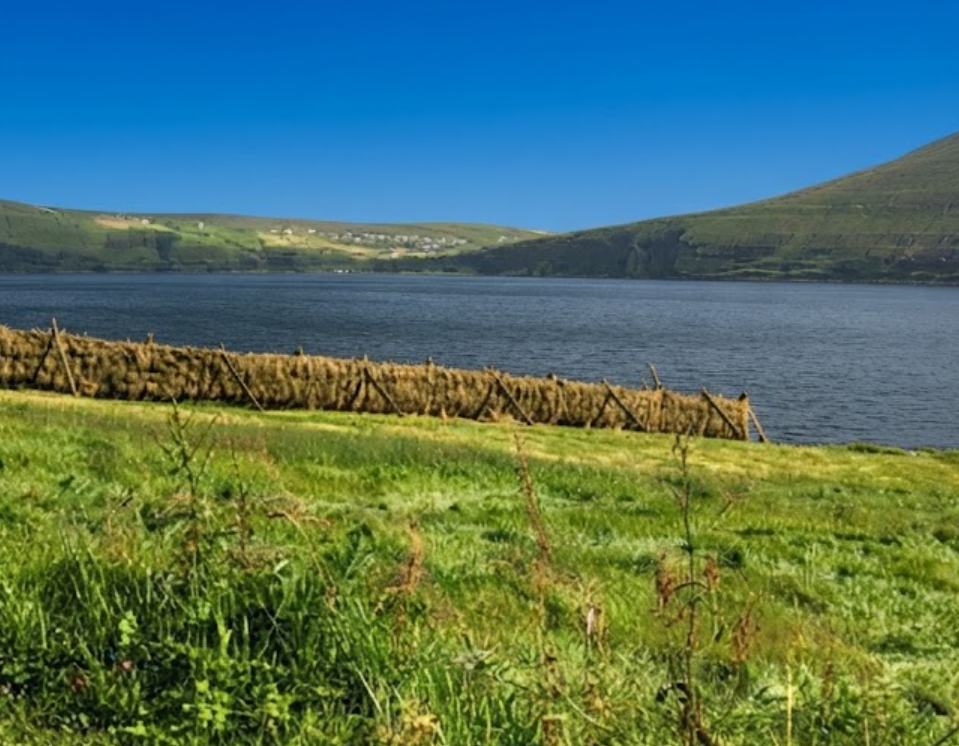
Borðoy is not just the largest of the Northern Isles; it is their anchor. From waterfalls and bird cliffs to Klaksvík’s harbor life and Múli’s ghostly lanes, the island embodies the Faroese balance of resilience and raw beauty. It is a place where journeys end at sheep gates, where viewpoints reveal three islands at once, and where abandoned villages still breathe in summer light.