How to get to Kuala Lumpur:
Kuala Lumpur is well connected, with direct flights from across Asia, Europe, and beyond. KLM (AMS–KUL) links the city with Amsterdam, while Firefly (KBV–KUL) serves regional routes such as Krabi. Turkmenistan Airlines (ASB–KUL) flies in from Ashgabat, and All Nippon Airways (NRT–KUL) connects Tokyo along with other destinations in Japan and Malaysia. Add to that a roster of European, Middle Eastern, and North American carriers, and the Malaysian capital is firmly on the global flight map.
Kuala Lumpur International Airport is a modern, world‑class hub with seamless connections into the city. The KLIA Ekspres skytrain whisks passengers downtown in around 45 minutes, bypassing the traffic entirely. Families with children or heavy luggage may find a road transfer more convenient, though the trade‑off is time — expect the journey to stretch closer to 90 minutes.
Money in Kuala Lumpur: Malaysia’s currency is the ringgit (RM). At the time of writing, £1 buys about 5.47RM and $1 buys about RM4.06. You’ll find that cards are accepted almost everywhere in the capital, but it’s smart to keep some cash handy — especially for small purchases, street food, or when you head out to more rural areas where card machines aren’t as common.
How long to stay in Kuala Lumpur: Malaysia’s capital is a sprawling, cosmopolitan city with more than enough to keep you busy for weeks. But if you’re folding it into a wider trip around the country, 5 to 6 nights is a good amount of time — long enough to see the highlights, soak up the atmosphere, and still leave room for the rest of Malaysia.
When to visit Kuala Lumpur: Don’t expect a clear consensus — the city’s tropical climate means showers are part of daily life, no matter the season. Even in the so‑called “drier” months, you’ll likely see rain. It poured for a couple of hours every evening. In theory, December and January bring the coolest temperatures, while June through August are usually the driest. In practice, pack an umbrella and plan to embrace the unpredictability.
Getting around Kuala Lumpur: The easiest way to move around the city is with inDrive and Bolt, Southeast Asia’s answer to Uber. Rides are cheap and plentiful, though demand spikes during rush hour or rainstorms can mean a longer wait — give yourself an extra 10 minutes if you need to be somewhere on time.
Kuala Lumpur also has a solid metro system, though it can feel confusing at first since several networks overlap — KTM, ETS, MRT, Monorail and LRT, each with their own lines. The good news: it’s affordable, efficient, and with Online Maps in hand, surprisingly straightforward once you dive in.
What to pack for Kuala Lumpur: With more than 63.5% of Malaysia’s population Muslim, modest dress is the norm, and while visitors aren’t expected to follow strict rules, packing clothes that cover shoulders and knees will help you blend in. Temples often have their own requirements, so a light shawl is useful to carry.
If you’re planning nights out, note that smarter restaurants and bars may enforce dress codes — think no caps or sandals — so bring one polished outfit. A rain jacket or umbrella is essential for sudden tropical downpours, and mosquito repellent will make evenings more comfortable. Power sockets are the same as in the UK, so travelers from Britain won’t need an adapter.
Where to Stay in Malaysia?

EQ Kuala Lumpur: A Stylish Alternative
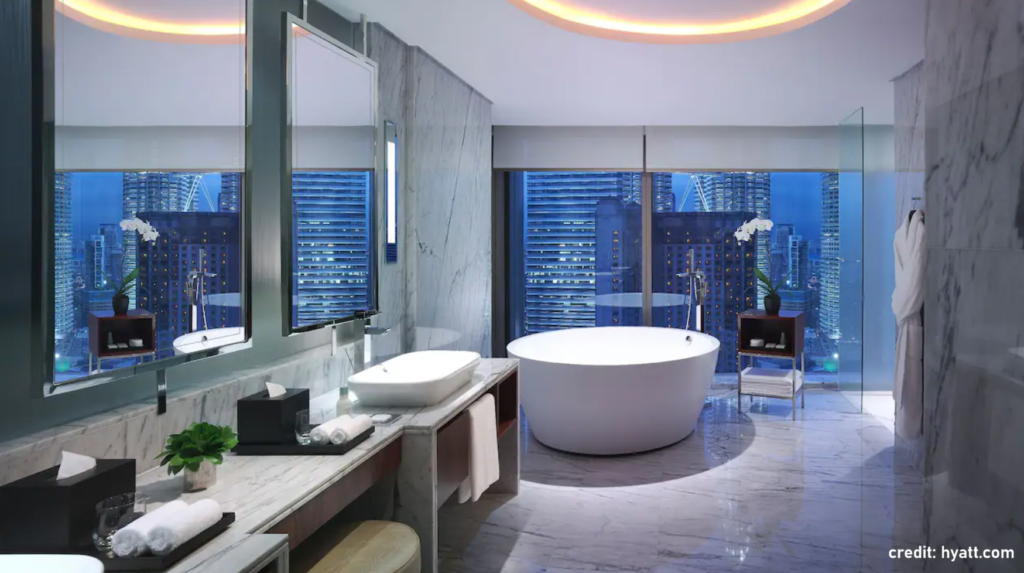
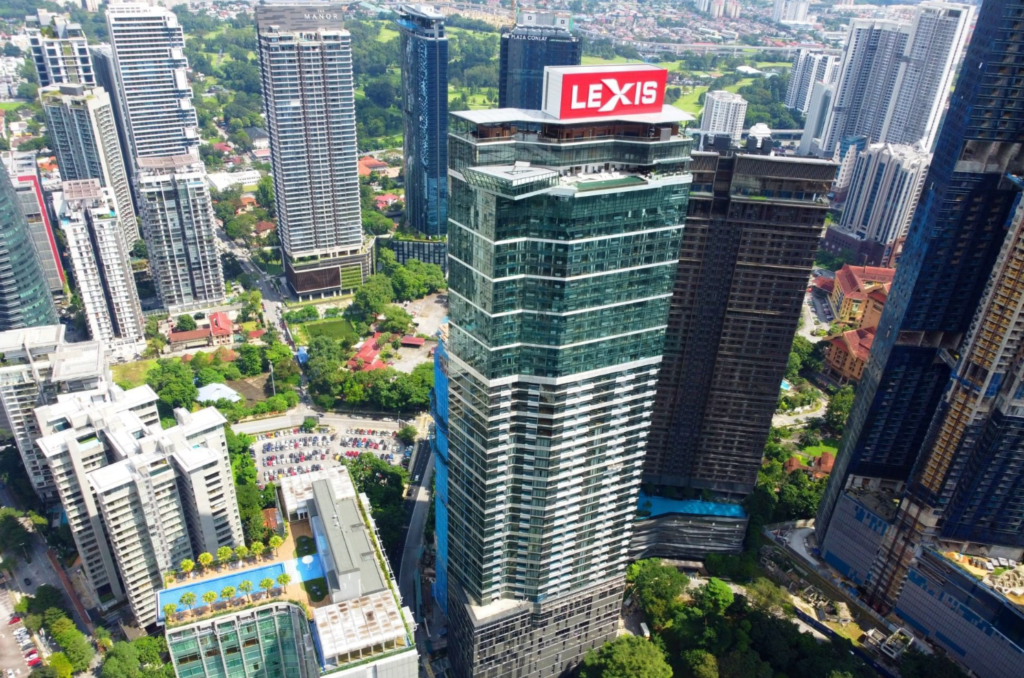
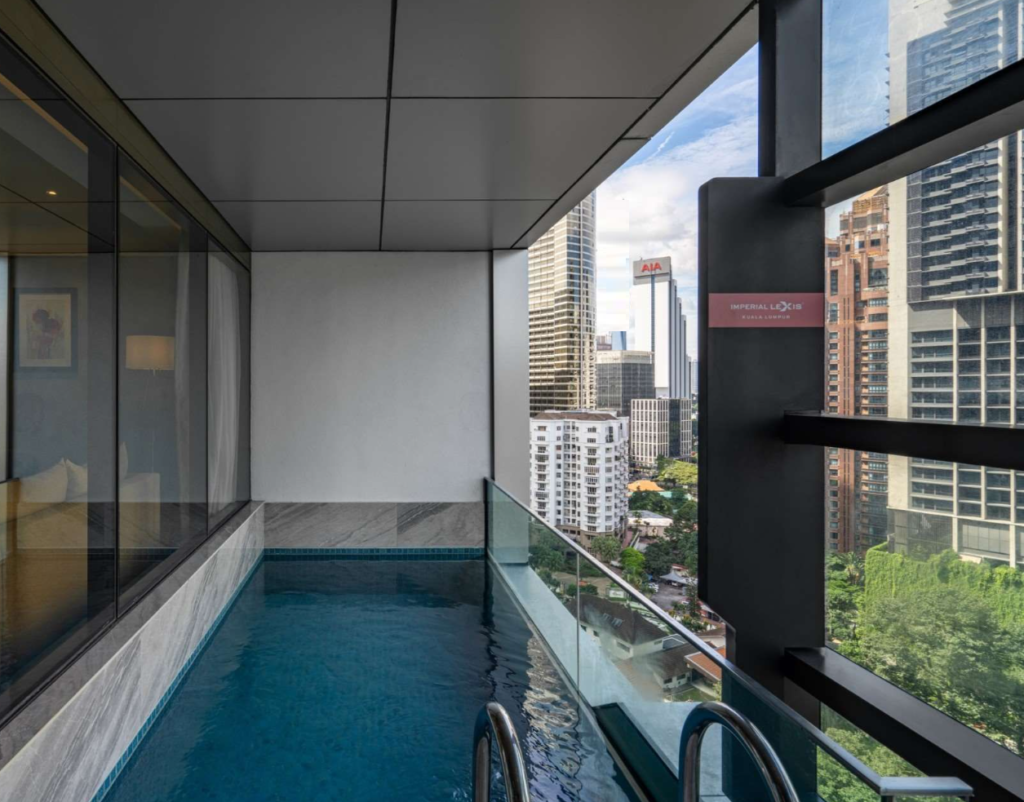
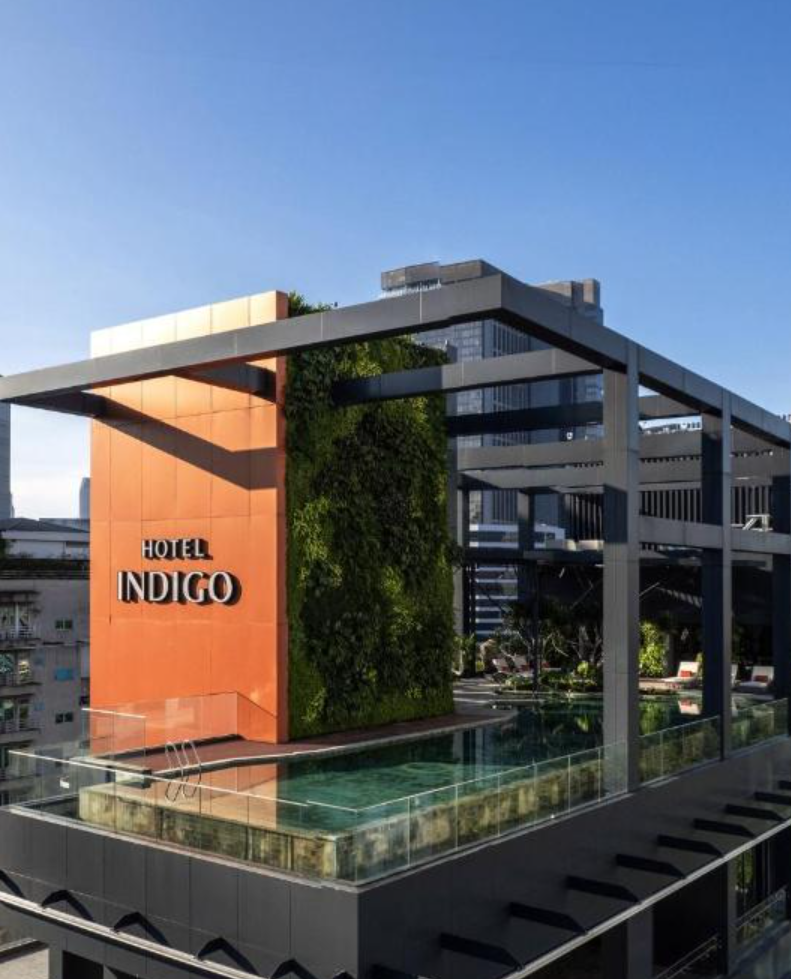
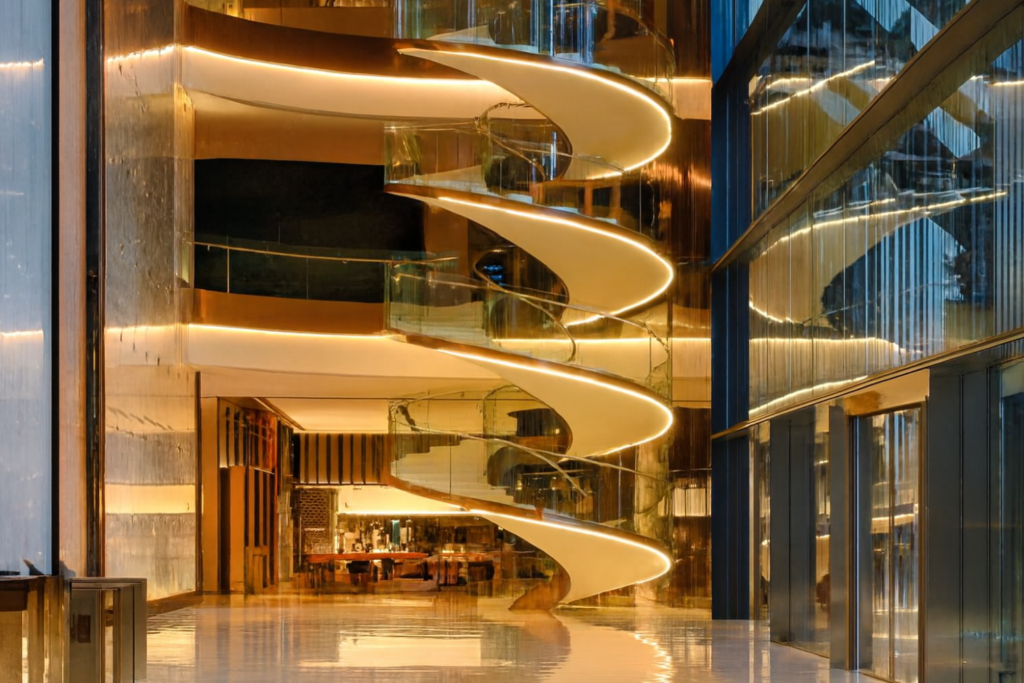
In a city where many hotels lean toward the corporate — think muted palettes, conference rooms, and little in the way of personality — EQ Kuala Lumpur stands out. Located in the heart of the city, just a 12-minute walk from KLCC Park, the hotel draws inspiration from its surroundings, with soft furnishings and artwork that echo the greenery outside. Local craftsmanship features prominently, adding thoughtful design touches throughout the property.
Rooms are well-appointed and comfortable — the studio suite is ideal for two — but the real standout is the rooftop pool. While elevated pools are common in KL, EQ Kuala Lumpur integrates the theme into the entire pool area, creating a cohesive, stylish space that feels more retreat than rooftop.
Kuala Lumpur remains one of Southeast Asia’s more affordable cities for mid-to-high-end stays, and EQ is no exception, with rooms available for under £200 a night.

More Kuala Lumpur Hotel Options
Budget Kuala Lumpur Hotel Options
✧ Concorde Hotel Kuala Lumpur: Business-friendly hotel with central location, rooftop pool, and easy access to Bukit Bintang nightlife.
✧ Imperial Regency Suites Kuala Lumpur: Spacious serviced suites near KLCC, ideal for long stays with kitchenettes and skyline views.
✧ Cititel Mid Valley Kuala Lumpur: Affordable hotel inside Mid Valley Megamall, perfect for shopping, dining, and quick city access.
Mid Range Kuala Lumpur Hotel
✧ St Giles Boulevard Kuala Lumpur: Modern hotel in Mid Valley City, offering spacious rooms, shopping convenience, and easy city access.
✧ Novotel Kuala Lumpur City Centre: Central hotel near KLCC, with contemporary rooms, rooftop pool, and walking distance to major attractions.
✧ DoubleTree by Hilton Kuala Lumpur: Upscale hotel with signature warm cookie welcome, stylish rooms, and direct access to Intermark Mall.
Luxury Kuala Lumpur Hotel
✧ The St. Regis Kuala Lumpur: Ultra‑luxury hotel with spacious suites, refined dining, and signature butler service near KL Sentral.
✧ Opus Kuala Lumpur by WSD: Modern serviced apartments offering full kitchens, city views, and convenient access to central attractions.
✧ Corus KLCC: Affordable hotel steps from Petronas Towers, with rooftop pool, dining options, and easy transit connections.

Jungle hiking in Kuala Lumpur
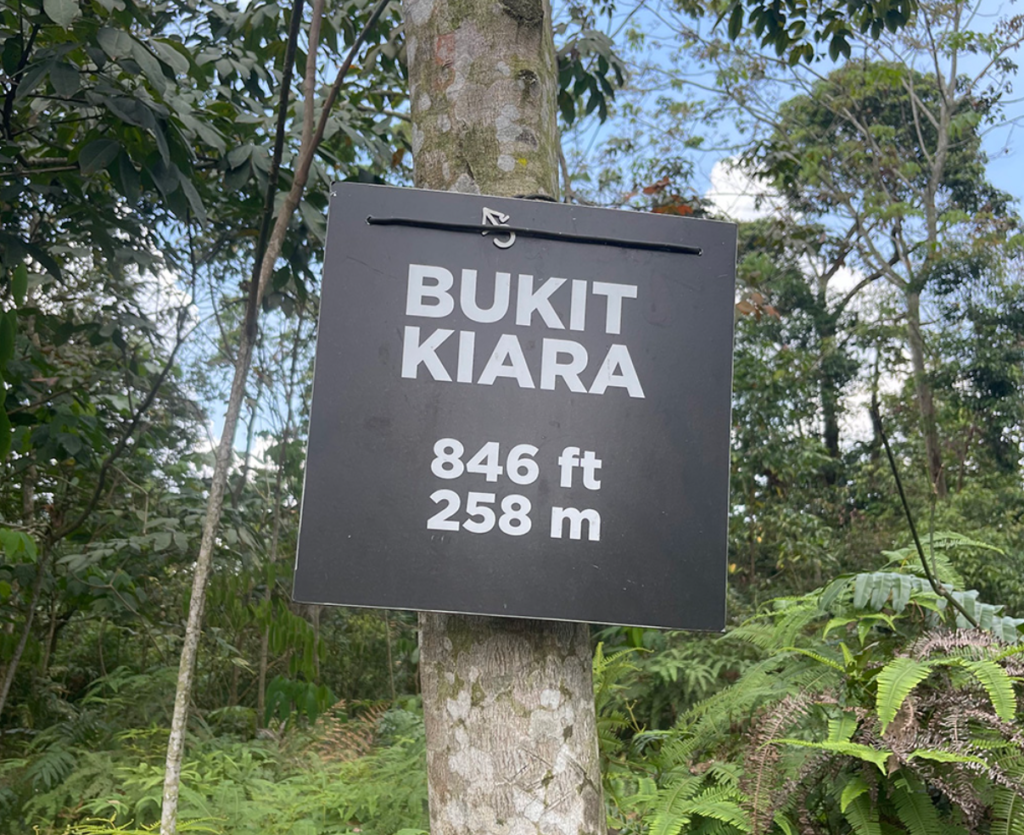
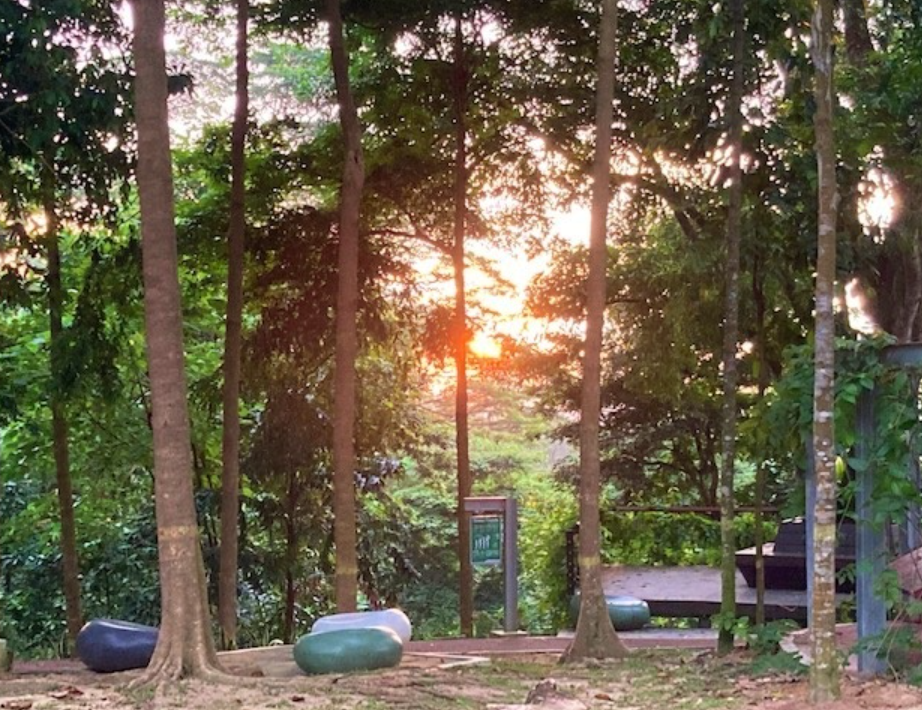
It’s not the first thing most visitors plan, but Mont Kiara’s jungle trails reveal a side of KL you won’t find in guidebooks. Clean air, rugged paths, and monkeys in the trees make it feel worlds away from the city — one friend even compared it to Lost.
The Mont Kiara–TTDI route isn’t polished; it’s clay paths, steep climbs, bamboo groves, and remnants of old plantations. At the end, TTDI offers the perfect spot for a drink or dinner.
Wildlife
Macaques are a constant presence, while dusky leaf monkeys sometimes appear at dawn or dusk. Snakes are rare and usually keep to themselves, but tortoises often emerge after rain. Expect skinks, butterflies, squirrels, birds like the yellow‑bellied oriole, and the occasional scorpion or monitor lizard.

Shopping in Kuala Lumpur
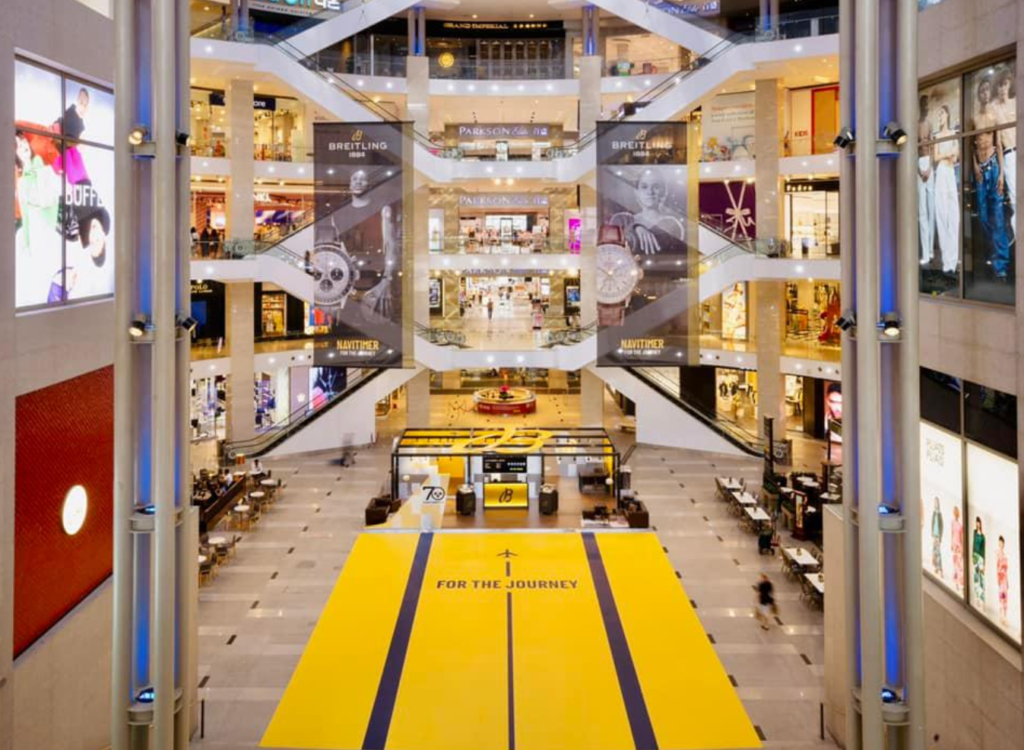
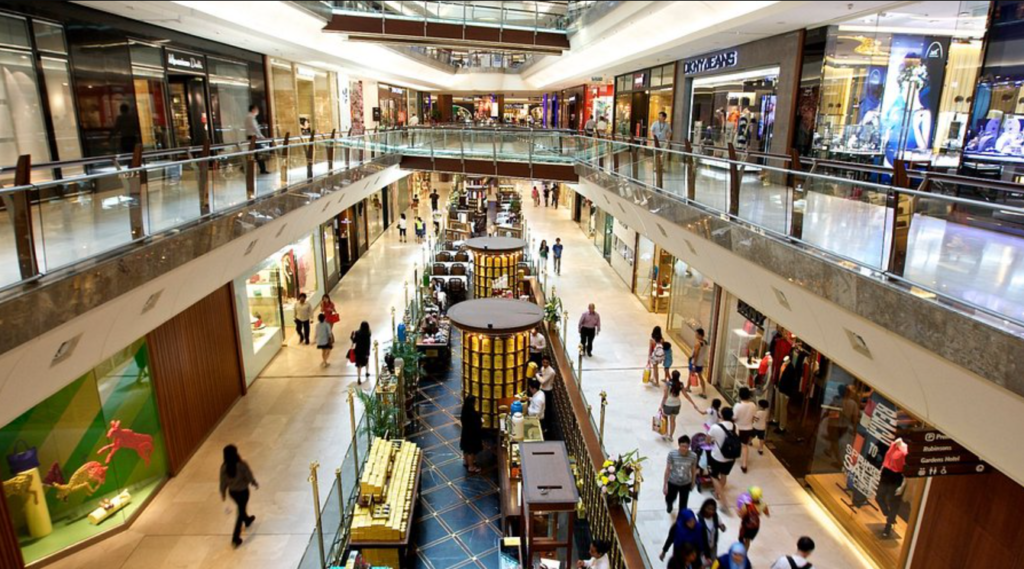
Unlike in Europe or the West, where malls are mostly about clothes, Kuala Lumpur’s shopping centers are all‑in‑one destinations. You’ll come here not just to browse fashion, but to eat, get a haircut, stock up on groceries, catch a movie, or book a massage. They’re air‑conditioned, lavish, and part of daily life — chances are you’ll end up in one during your stay.
The Gardens Mall
Side by side between KLCC and Bangsar, this complex offer the city’s widest range of shops. The Gardens caters to luxury labels. Dining options are plentiful, though better meals await nearby in Bangsar.
Pavilion Kuala Lumpur
Central, plush, and popular with visitors, Pavilion is one of KL’s flagship malls. Expect mid‑to‑high‑end shopping, designer brands, and retailers you won’t find elsewhere in the city, plus a broad mix of restaurants.
WHERE TO EAT?
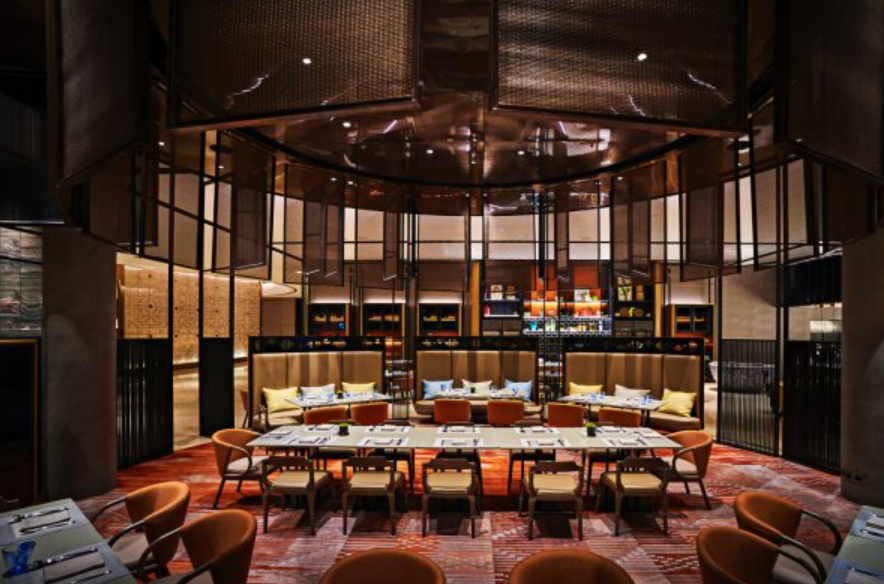
Nipah, Kuala Lumpur
This all‑day dining venue serves up more than just hotel fare — it’s a showcase of Malaysia’s culinary heritage. Expect buffets and à la carte menus that move seamlessly from local favorites to international staples.
Malaysian classics headline the experience: house‑made roti canai, satay fresh from the grill, and dishes like nasi goreng Nipah or Beriani Gam Kambing, rooted in recipes passed down through generations.
There’s room for playful fusion too. The chicken satay pizza blends smoky Southeast Asian flavors with Western comfort, while soups, salads, pastas, burgers, and steaks ensure every palate is covered. Plush surroundings and attentive service make Nipah as much about atmosphere as it is about food.

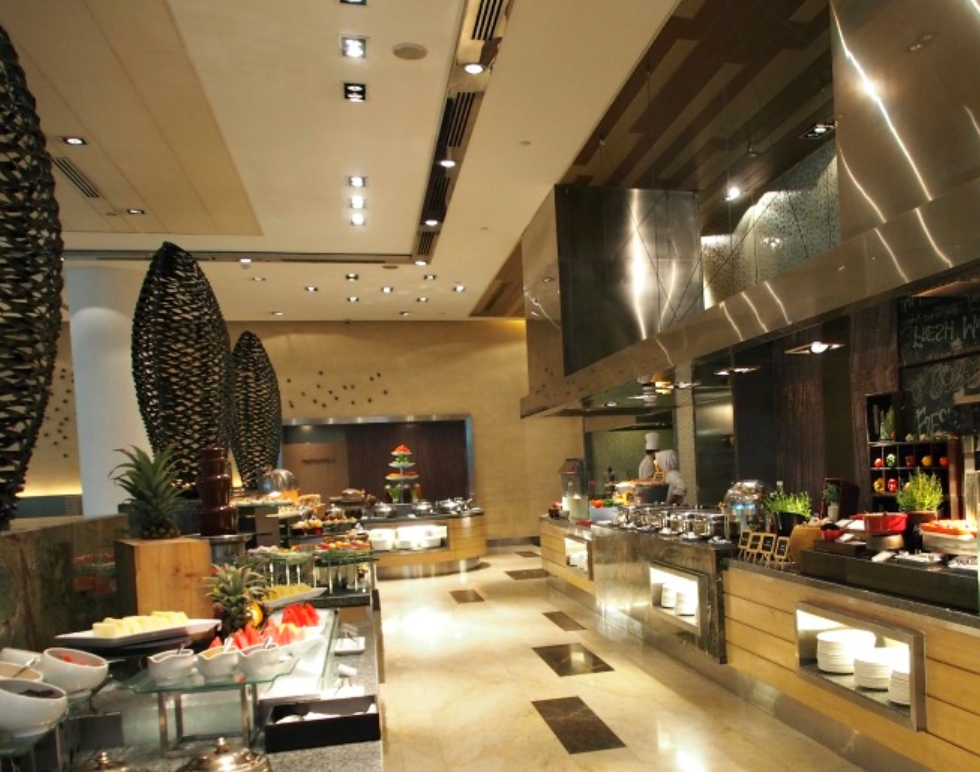
Serena Brasserie, Kuala Lumpur
On the lobby level, Serena Brasserie delivers one of the city’s most generous buffet spreads, blending Malaysian favorites with international staples. Drawing on the country’s multi‑ethnic heritage, the menu caters to both first‑time visitors and locals looking for variety.
Floor‑to‑ceiling windows frame a lush garden and waterfall, giving the restaurant a calm, open feel that contrasts with the bustle outside. Stylish interiors and a broad selection of dishes make Serena a reliable choice for all‑day dining in the heart of Kuala Lumpur.
If you’re planning to escape the city — and most visitors do — the Malay Peninsula offers plenty of options. Check out our guide to 18 relaxing getaways from Kuala Lumpur, perfect for a weekend reset.