
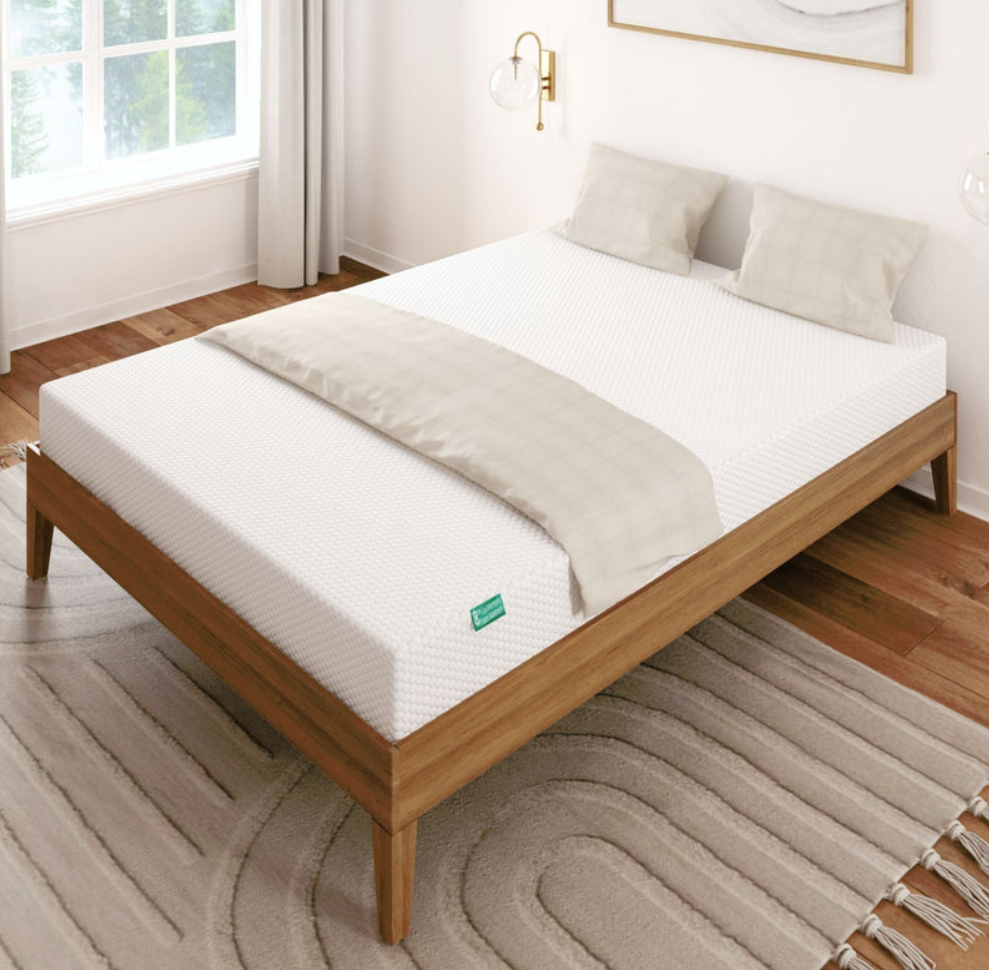
🌙 Finding the Sleep That Fits You
Choosing a mattress is not simply about materials or construction; it is about the way you want your nights to feel, the kind of support you want beneath you, and the comfort you hope to wake with each morning. Latex and memory foam mattress stand as two of the most popular choices in Malaysia, each carrying its own personality, its own rhythm of rest, and its own way of shaping the hours between dusk and dawn.
Latex Mattresses: Buoyant, Breathable, and Naturally Supportive
Latex mattresses are crafted from natural or synthetic latex foam, and they are loved by those who prefer a firmer surface with steady airflow that keeps the body cool through the night. They respond quickly to movement, offering a buoyant feel that supports without sinking, a sensation of resilience that feels both grounded and refreshing.
Their strengths lie in durability and comfort, as latex resists sagging, mold, and allergens, making it a cost-effective choice that lasts for years. The breathability of latex allows air to circulate freely, creating a cooler sleep environment, while its natural hypoallergenic qualities make it safe for sensitive sleepers. Couples often appreciate its motion isolation, which minimizes disturbances when one partner shifts or turns.
Yet latex comes with its own considerations. It is heavier than most mattresses, making it less convenient to move or rotate, and its higher price reflects the quality of materials and craftsmanship. Some may notice a mild natural odor at first, though this fades with ventilation. Firmness options are more limited, often leaning toward medium to medium-firm, which may not suit those seeking extremes of softness or rigidity.
Memory Foam Mattresses: Contouring, Cradling, and Comforting
Memory foam mattresses, made from viscoelastic foam, are celebrated for the way they mold to the body, cradling every curve with a gentle embrace that distributes weight evenly and relieves pressure points. For those with back pain or joint discomfort, this contouring can feel transformative, reducing strain and promoting healthier posture.
They excel at motion isolation, absorbing movement so that even the lightest sleepers rest undisturbed. Memory foam also supports spinal alignment, helping to reduce aches and pains, while its hypoallergenic nature makes it a safe choice for allergy sufferers. High-quality memory foam retains its shape for years, offering long-lasting comfort and support.
Still, memory foam has its own drawbacks. Its dense structure can trap heat, leaving some sleepers uncomfortably warm, though modern designs often counter this with cooling gels or breathable covers. Like latex, it may emit a mild odor when new, which fades with airing. Memory foam lacks bounce, which some find less responsive, and its feel can vary depending on body weight, making it firmer for some and softer for others.
Which Is Best for Back Pain?
Both latex and memory foam offer strong support for spinal health, though they do so in different ways. Latex provides buoyancy and responsiveness, keeping the spine aligned with natural lift, while memory foam contours closely, relieving pressure points and distributing weight evenly. The choice depends on whether you prefer the springy resilience of latex or the enveloping softness of memory foam.
Latex and memory foam are not rivals so much as different storytellers of rest. Latex speaks of firmness, breathability, and natural resilience, while memory foam mattress whispers of softness, contouring, and gentle embrace. Both can ease pain, both can improve sleep, and both can last for years. The decision is not about which is objectively better, but which feels truer to your body, your habits, and your vision of comfort.




Reviews
There are no reviews yet.