
🌙
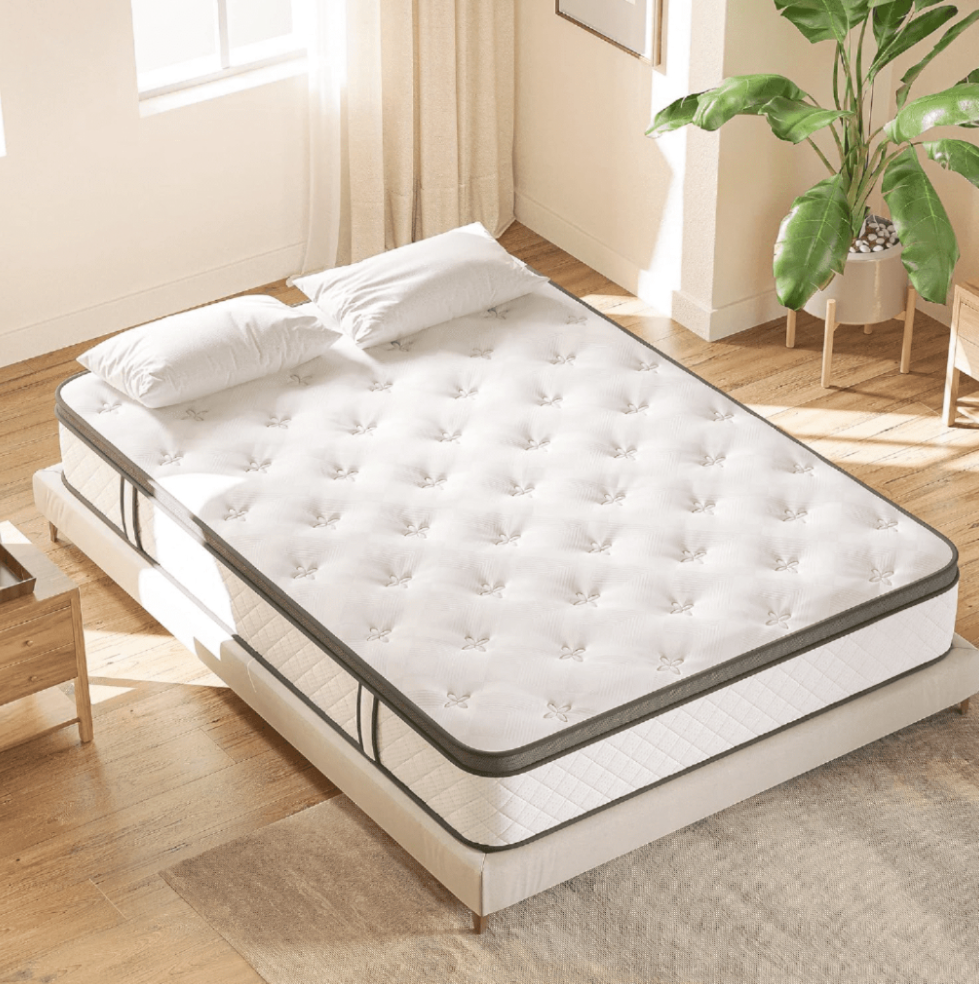
Your mattress is not just a surface to sleep on; it is the foundation of your rest, the quiet structure that determines whether your spine lies in harmony or strain through the night. A poorly chosen mattress can deepen discomfort, pulling the body out of alignment and aggravating back pain, while the right mattress for back pain, one can cradle you with balance, reducing pressure and allowing the natural curve of the spine to remain intact.
Why It Matters
Studies remind us that when comfort and support meet in equal measure, the body rests more easily, the lower back is spared from strain, and sensitive joints like hips and shoulders are cushioned rather than burdened. A good mattress becomes a partner in healing, keeping the spine neutral and the body free from tension, while the wrong one invites sagging, misalignment, and restless hours that leave you waking sore and unrefreshed.
Signs Your Mattress Is Working Against You
- You rise with a stiff neck or aching back.
- Pressure builds in your lower back when you lie down.
- The mattress feels too soft, sagging in the middle.
- You toss and turn, searching for comfort.
- You sleep better on a hotel bed or firmer surface.
Key Factors to Consider
1. Firmness Level The debate between firm and soft is endless, but the truth is more nuanced: the best firmness depends on how you sleep. Side sleepers often find relief on medium-firm surfaces that cushion shoulders and hips while keeping the spine aligned. Back sleepers benefit from medium to firm support that holds the lumbar steady. Stomach sleepers need firmness to prevent the lower back from collapsing inward. Hybrid mattresses with adjustable firmness are increasingly popular, allowing you to discover the balance that feels right for your body.
2. Material Type The soul of a mattress lies in its material. Memory foam molds to your shape, offering contouring support that eases pressure on the lower back. Latex, especially natural latex, is durable, breathable, and hypoallergenic, providing firm yet comfortable support. Innerspring mattresses bring bounce and structure, though they may lack the deep pressure relief of foam. Hybrids combine the best of both worlds, blending contouring with resilience for those who want versatility.
3. Support and Spinal Alignment Support is everything. Too soft, and the body sinks, pulling the spine out of line. Too firm, and pressure points build, leaving joints sore. The most effective designs use zoned support, firmer beneath the lower back, softer beneath the shoulders and hips, guiding the body into natural alignment.
4. Motion Isolation For couples, motion isolation is a gift. A mattress that absorbs movement ensures one partner’s restlessness does not ripple across the bed, allowing both to sleep undisturbed.
5. Trial Periods and Warranties The true test of a mattress is not in the showroom but in your own bedroom. Many brands now offer trial periods of 30 to 100 nights, giving you time to feel how your body responds. Warranties that cover sagging or defects are equally important, protecting your investment and ensuring long-term performance.
A mattress for back pain, is more than furniture; it is the unseen architecture of your nights, shaping how you wake each morning. Choose one that supports your spine, cushions your joints, and adapts to your way of sleeping, and you will find not only relief from pain but a deeper, more restorative rest.







Reviews
There are no reviews yet.