
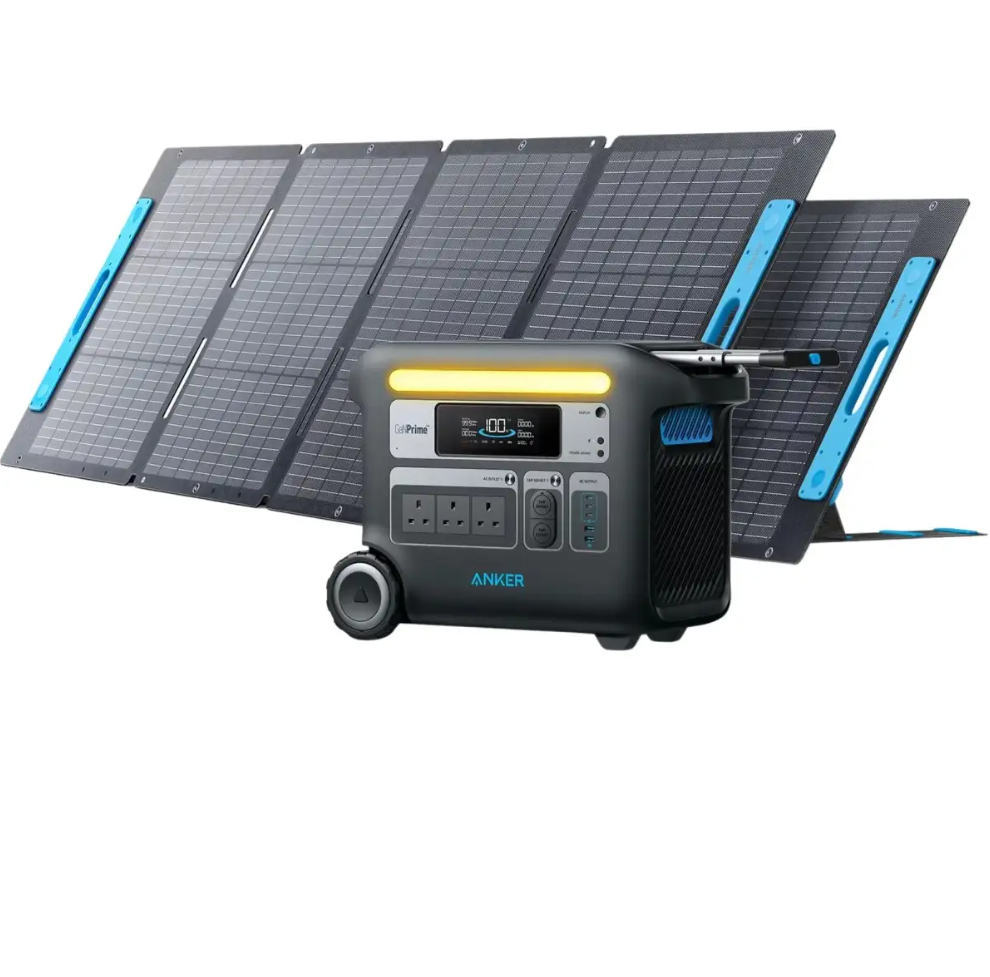
 A Comprehensive Guide
1. What Is a Portable Power Station?
A portable power station is not just a device—it is freedom captured in a compact form. Unlike the growl of fuel-driven generators, these stations hum quietly, storing energy in lithium-ion batteries and releasing it when needed. They are companions for journeys, guardians in emergencies, and bridges between convenience and sustainability.
With AC outlets for appliances, USB ports for phones and tablets, and DC carports for specialized gear, they are designed to serve many needs at once. Imagine camping under the stars, a laptop charged, a lantern glowing, or a medical device powered—all from a single, silent source.
2. How Solar Panels Complement Portable Power Stations
Solar panels are the perfect partner, catching sunlight and transforming it into electricity that replenishes the station’s battery. Together, they form a cycle of renewable energy—clean, continuous, and independent of fossil fuels.
Lightweight, foldable, and easy to carry, these panels unfold like wings, ready to capture the day. In remote places where the grid cannot reach, they ensure power flows steadily. For adventurers, workers, and families preparing for emergencies, this pairing is more than practical—it is a promise of resilience and sustainability.
3. Benefits of Using Portable Power Stations with Solar Panels
Versatility and Portability
Compact, light, and easy to carry, portable power stations are designed for movement. Solar panels extend their reach, allowing energy to be harvested wherever sunlight falls. From road trips to power outages, they adapt seamlessly, offering electricity without boundaries.
Quiet Operation
Unlike the roar of gas generators, these stations whisper. Their near-silent operation preserves the peace of nature, the calm of neighborhoods, and the serenity of gatherings. Power arrives without disruption, blending into the environment instead of disturbing it.
Reliable Power Supply
Paired with solar panels, they become a constant source of energy. Communication devices stay alive, medical equipment runs without interruption, and small appliances continue to serve. In emergencies, they are not just tools—they are lifelines, ensuring safety and continuity.
Cost-Effective
Though the initial investment may feel heavy, the rewards are lasting. Solar energy is free once captured, eliminating fuel costs and reducing long-term expenses. Over time, the savings grow, making this combination not only sustainable but economically wise.
4. Key Features to Consider
Battery Capacity
Measured in watt-hours, capacity defines endurance. Smaller stations (200–300Wh) suit phones and tablets, while larger ones (1000Wh+) power appliances and multiple devices. Choosing the right capacity ensures your station matches your lifestyle—whether for adventure or preparedness.
Power Output
Watts measure strength. High-wattage stations handle refrigerators and tools, while lower outputs suffice for lights and electronics. Matching output to your needs prevents overload and guarantees smooth operation.
Port Options
Variety is essential. AC outlets for appliances, USB ports for handhelds, DC ports for vehicles—each port expands possibility. A well-equipped station becomes a hub, connecting all your devices with ease.
Solar Panel Compatibility
Check connectors, voltages, and efficiency. Some portable power stations require proprietary panels, others accept standard MC4. Higher-efficiency panels mean faster charging, maximizing sunlight and minimizing downtime.
Charging Speed
Time matters. Fast charging ensures readiness in emergencies and convenience in daily use. Whether through solar, AC, or other methods, a station that recharges quickly becomes more than reliable—it becomes indispensable.








Reviews
There are no reviews yet.