
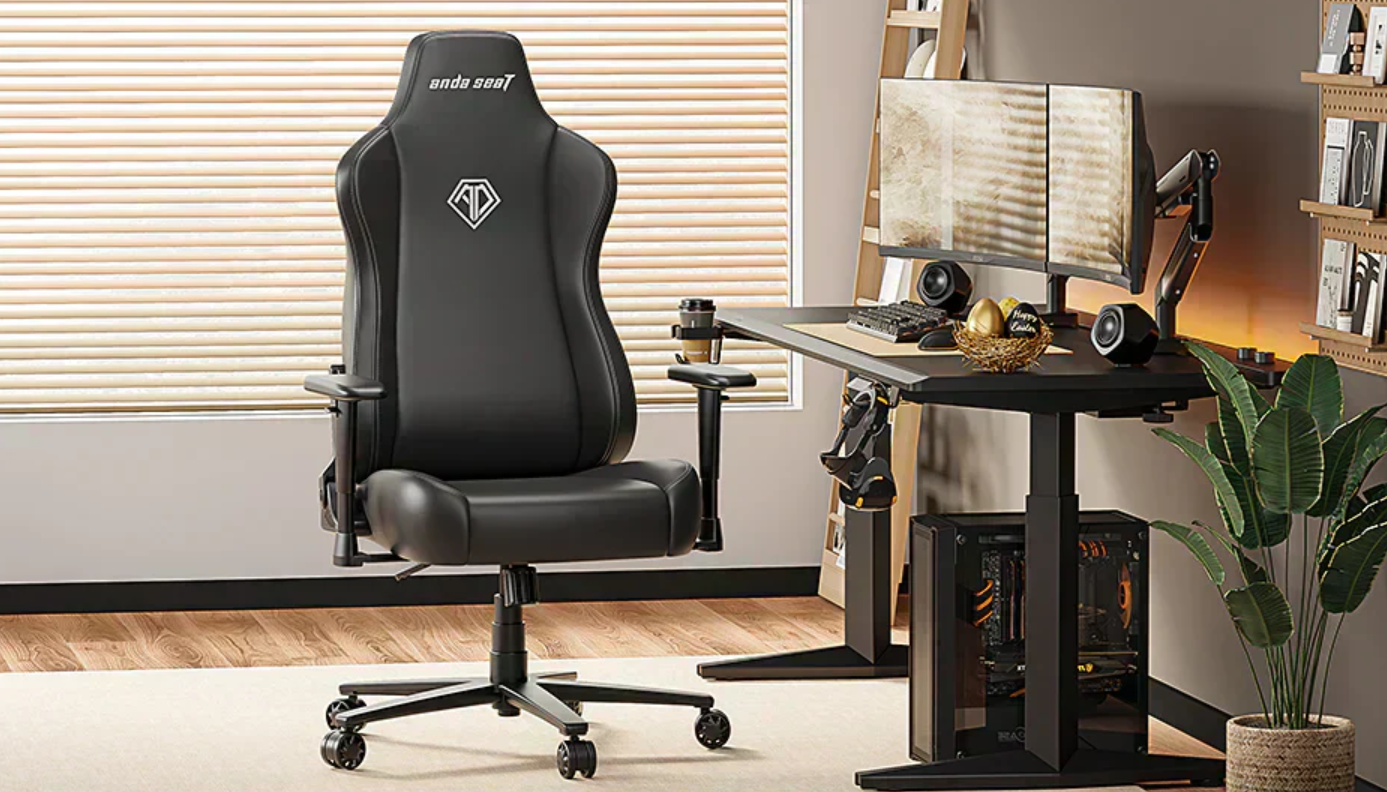
What You Need to Know Before Buying
Gaming chairs—sometimes called racer chairs—are celebrated for their sleek, modern look, but their true value lies in how they support the body during long hours at a desk. For extended PC or console sessions, ergonomics are not a luxury but a necessity, and the right chair can transform not only the way you play but the way you feel.
What Is a Gaming Chair?
A gaming chair is designed to maintain healthy posture while seated, offering support that adapts to the body’s dimensions. Though created with gamers in mind, these chairs are equally at home in offices and workspaces, where studies consistently highlight the importance of ergonomic seating. The goal is simple: a chair that allows natural movement, adjusts to its owner, and encourages comfort without compromise.
Shape and Design
Most gaming chairs take inspiration from racing seats, with bucket-style contours that create a stable sitting position. This design enhances immersion for some, echoing the thrill of speed and precision. Yet the same contours can limit movement, particularly for those who prefer crossing their legs, as the raised sides may restrict circulation. The aesthetic, however, is undeniable—futuristic lines that complement gaming setups and elevate the desk into a stage.
Materials
Gaming chairs are often crafted from PU leather or genuine leather. Real leather offers softness, durability, and resistance to wear, while keeping the body cooler during long sessions. Its drawback lies in maintenance—susceptible to stains and requiring careful care. PU leather, by contrast, is waterproof and easier to clean, though it can trap heat and cause sweating. High-quality PU leather closely mimics the look and resilience of genuine leather, making it a practical choice for many.
Durability and Adjustability
Well-made gaming chairs are typically sturdier than budget office chairs, with more ergonomic adjustments built in. Even entry-level models often provide height, tilt, and armrest adjustments, while premium ergonomic office chairs may offer broader material choices and refined mechanisms. The balance lies in finding a chair that combines durability with flexibility, tailored to your body and your space.
Key Advantages
- Sleek design that enhances the gaming environment
- Bucket seat stability for immersive play
- Durable leather options for long-term use
- Greater ergonomic adjustments than standard office chairs
What to Look For When Buying
Body Size
Height and weight are crucial. A chair must be adjustable to fit your proportions, with manufacturers often tailoring models for different body types.
Armrests
Armrests should support the elbows at a 90° angle, relieving tension in the shoulders and neck. Height-adjustable, soft armrests are preferable for comfort and to avoid pressure marks.
Backrest
The backrest should reach the shoulder blades, ideally extending at least 45 cm above the seat. Height adjustment ensures proper alignment.
Lumbar Support
An adjustable lumbar support is essential, relieving strain on the lower spine and encouraging healthy posture. This feature is particularly important for those with existing back pain.
Chair Mechanics
A tilting or rocking mechanism allows the chair to move with the body, reducing pressure on the spine and intervertebral discs. Some gaming chairs recline up to 180°, offering flexibility rarely found in standard office chairs. Resistance should be adjustable to match the user’s weight, ensuring smooth, effortless movement.
The most important factors in choosing a gaming chair are ergonomics, quality, and adjustability. The more options a chair offers—armrest height, backrest tilt, lumbar curvature—the more precisely it can be tailored to your body. A well-chosen chair is not just furniture; it is a foundation for health, focus, and enjoyment, turning long hours at the desk into a comfortable, supported experience.







Reviews
There are no reviews yet.