
A Path Toward Healing
When pain returns again and again, it may be more than a “sensitive stomach.” These episodes can be the quiet signals of gallstones—small, hardened deposits resting in the gallbladder, disrupting digestion and blocking the natural flow of bile. Left unaddressed, they may stir infection or lead to complications that grow heavier with time. Women are more likely to carry them than men, yet the story is not one of despair. For gallstones are treatable, and with the right care, most return to their daily rhythms, their pain eased, their health restored.
The gallbladder itself is a small, pear-shaped organ tucked beneath the liver, its role simple yet vital: to store and release bile, the fluid that helps break down fats after meals. Gallstones form when the balance of bile shifts—cholesterol, salts, or waste hardening into deposits. They may be as tiny as grains of sand or as large as a golf ball, appearing alone or in clusters.
Many remain silent, discovered only by chance. Others speak loudly, blocking bile’s flow and triggering sudden, sharp pain known as biliary colic. Symptoms may rise as nausea, indigestion, or bloating. Though gallstones themselves are not life-threatening, untreated they can lead to infection, inflammation, jaundice, or even pancreatitis.
Surgery Options: The Gold Standard of Care
Surgery remains the most trusted path, offering a permanent solution with consistently high success. While most patients are suitable, those with severe medical conditions may explore gentler alternatives.
1. Laparoscopic Cholecystectomy (Keyhole Surgery)
The most common and widely recommended approach, this minimally invasive procedure uses small incisions through which a camera and instruments are guided. The gallbladder is removed entirely, ensuring gallstones cannot return. Recovery is swift—less pain, shorter hospital stays, smaller scars—and most return to normal life within one to two weeks.
2. Open Cholecystectomy
Reserved for more complex cases, this traditional method requires a larger incision to access the gallbladder directly. It is chosen when inflammation, scarring, or anatomy makes keyhole surgery unsafe. Recovery is longer—four to six weeks—and the hospital stay more extended, yet it remains a reliable option when needed.
3. ERCP (Endoscopic Retrograde Cholangiopancreatography)
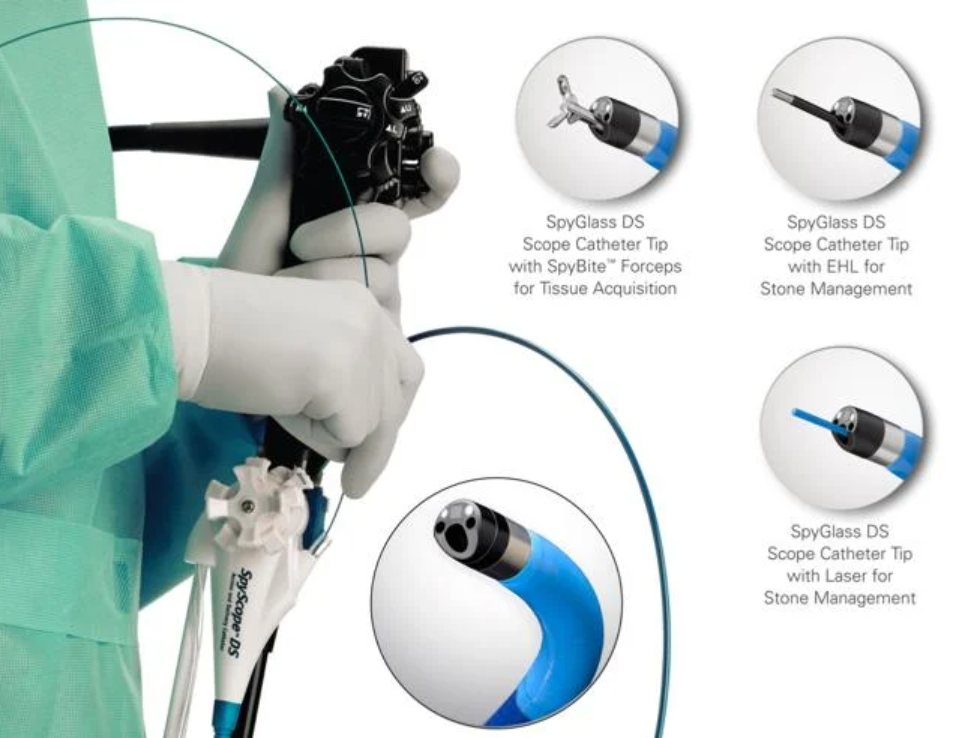
A specialised, minimally invasive procedure for stones that have escaped the gallbladder and lodged in the bile ducts. Guided by X-ray and endoscope, doctors can remove stones or place stents to restore flow. Unlike gallbladder removal, ERCP focuses only on clearing blockages. Often performed in emergencies or alongside surgery, recovery is usually quick, with discharge in one to three days if no complications arise.
Gallstones remind us that even the smallest stones can disrupt the body’s harmony. Yet with timely care—whether through keyhole surgery, open surgery, or ERCP—the path leads back to balance, to relief, and to the quiet rhythm of everyday life.