
As dusk settles, the shoreline stirs with movement—little penguins dash across the sand, hurried steps carrying them home to burrows tucked into the earth. In the colony, neighbours greet one another with chatter, partners reunite after long hours at sea, and chicks call out with hungry insistence. The boardwalks after dark become a theatre of sound and scent, where swamp wallabies stir, Eastern barred bandicoots scurry, Cape Barren geese graze under fading light, and short-tailed shearwaters sweep the sky in restless arcs.
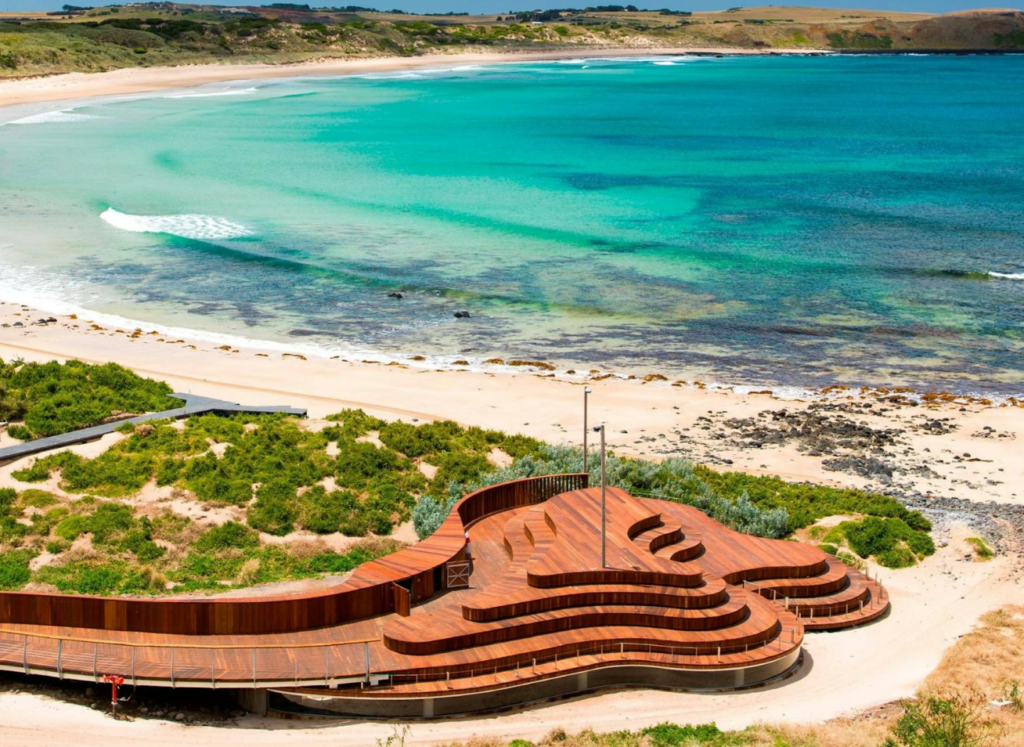
Every visit here is more than spectacle—it is a gift back to nature. Each ticket threads into Phillip Island Nature Parks’ conservation work, ensuring habitats remain strong and alive for generations of wildlife and wanderers alike. The intimacy of a ranger-led tour offers stories of survival and care in hushed tones, while self-guided paths invite quiet discovery through interactive displays glowing inside the visitor centre.
After a pause for tea, the road carries visitors deeper into the island’s heart. Rural landscapes roll past, dotted with farmhouses and small townships, each one a quiet testament to life lived close to the land. The guide speaks of vegetation, farms and their rhythms, and myths whispered about earthworms—threads of history and folklore woven into the soil itself.
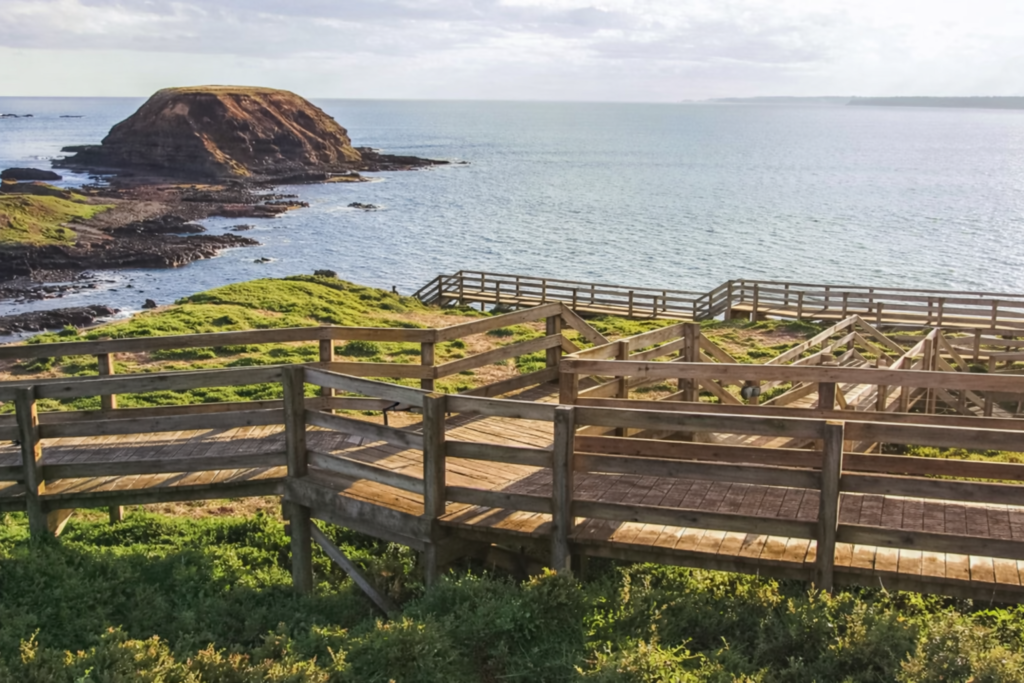
As the bus returns to Summerland Beach, the Penguin Parade visitors centre awaits, a hub of discovery with its museum, cinema room and souvenir shops. Exhibits reveal the ocean lives of penguins, while anticipation builds for the twilight procession.
Phillip Island is more than a destination—it is a living mosaic of history, wildlife, and coastline. Its three nature parks, sweeping beaches, and breathtaking views make it a place where families and friends gather to create memories. Just ninety minutes from Melbourne, the island offers fishing, boating, flyboarding, and horseback riding, each adventure stitched into the rhythm of sea and land.
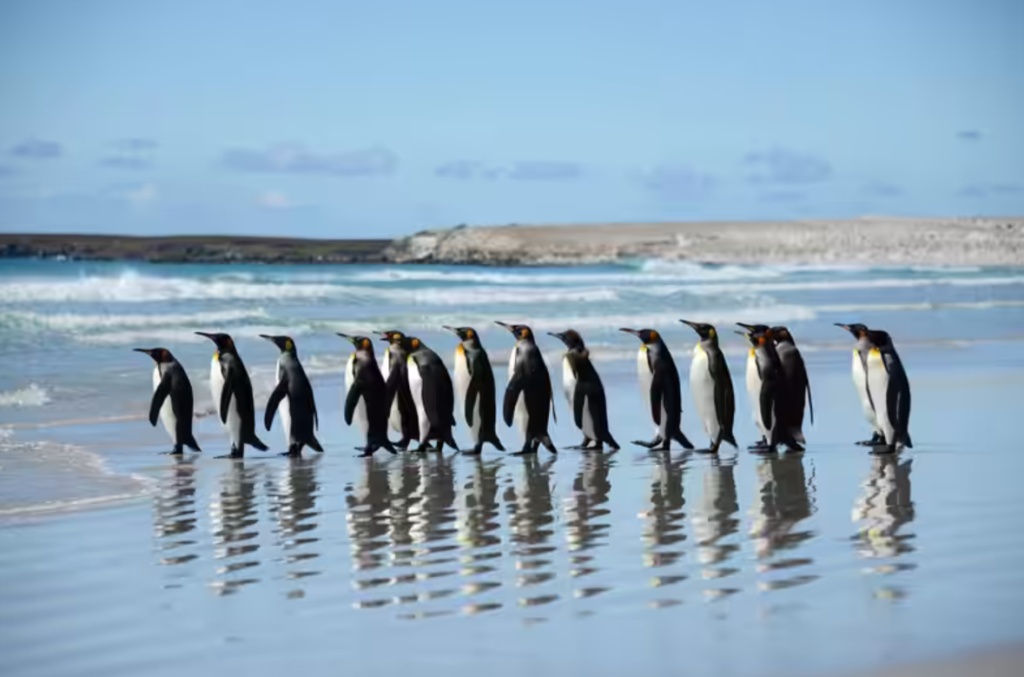
Little penguins spend most of life in the ocean, returning only to tend burrows, raise young, and shed old feathers. Plumage of blue and white serves as camouflage—concealing from predators above and below, a delicate armour shaped by the sea.
A group descends a slope with surprising speed. One penguin, rotund and erratic, tumbles like a bowling ball gone astray, swaying into neighbours who wobble and squawk in protest. Older birds shuffle with effort, younger ones squabble with energy, and all of it is accompanied by a chorus of high-pitched trills and wheezing chatter. The sound is strange, almost cartoonish, yet undeniably alive—a language of its own, unlike anything heard before, and perhaps never to be heard again.