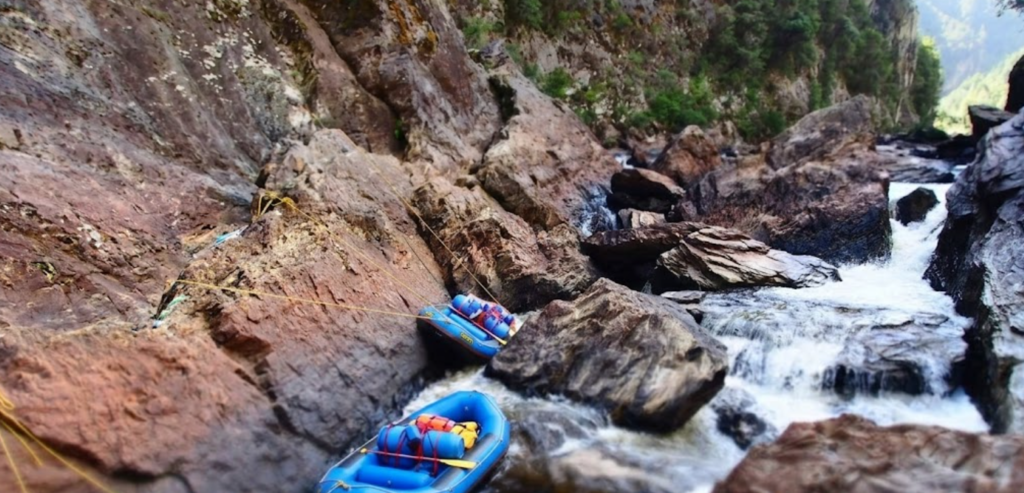
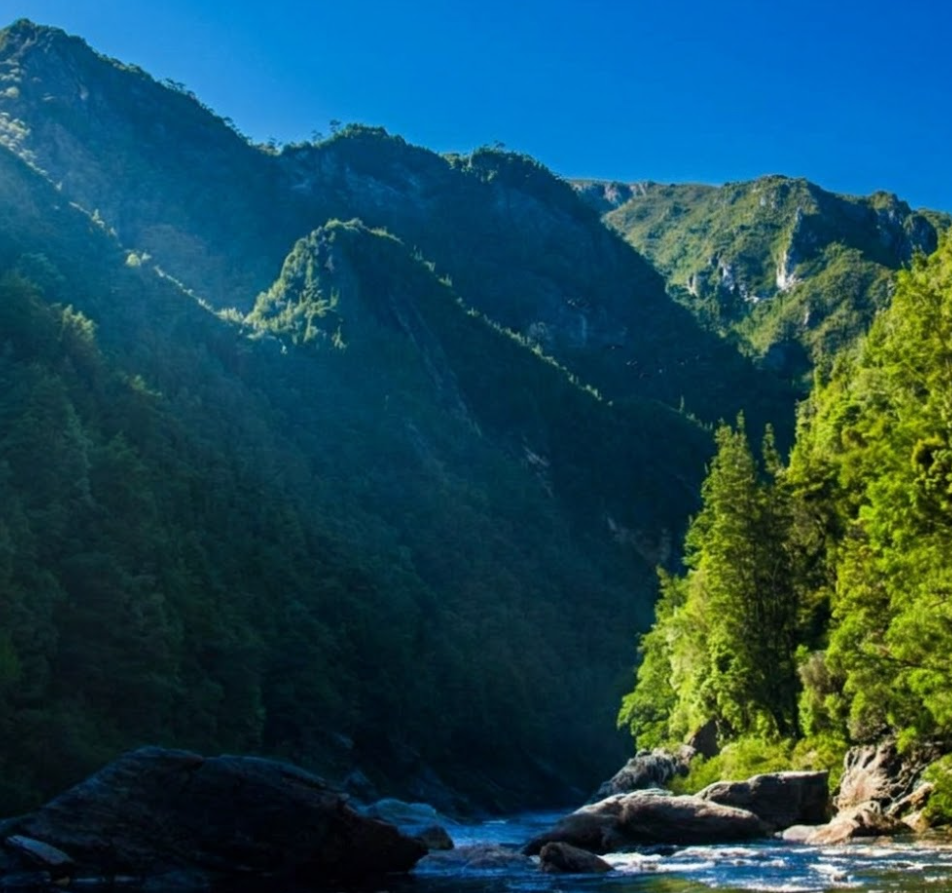
Rafting the Franklin River in Tasmania is widely regarded as one of the top five rafting experiences in the world. The river is entirely natural, with no dams or artificial regulation, meaning water levels are dictated solely by rainfall in the catchment. This makes every trip unique, with conditions varying significantly depending on the season and recent weather. A full expedition typically lasts ten days and covers about 120 kilometres of river, combining wilderness immersion with physically demanding rafting and portaging.
The Nature of the Experience
The Franklin River offers a combination of isolation, wilderness scenery, and adrenaline-filled rapids. Participants should expect long days of paddling, hauling, and camping in remote locations. The river valley is pristine, with no evidence of litter or human impact. Only about 800 people raft the Franklin each year, and the absence of infrastructure or settlements means complete disconnection from mobile coverage and modern conveniences. Wildlife sightings are rare, though platypus and quolls are occasionally observed. The isolation is total, and the experience is defined by self-sufficiency and teamwork.
Food and supplies are carried on the rafts, and guides typically provide substantial meals. Unlike trekking routes such as the South Coast Track, where weight limits restrict supplies, rafting allows for more generous provisions. Meals can include scallops, steak, and other luxuries, making evenings under the stars more comfortable than expected in such a remote environment.
Water Levels and Their Impact
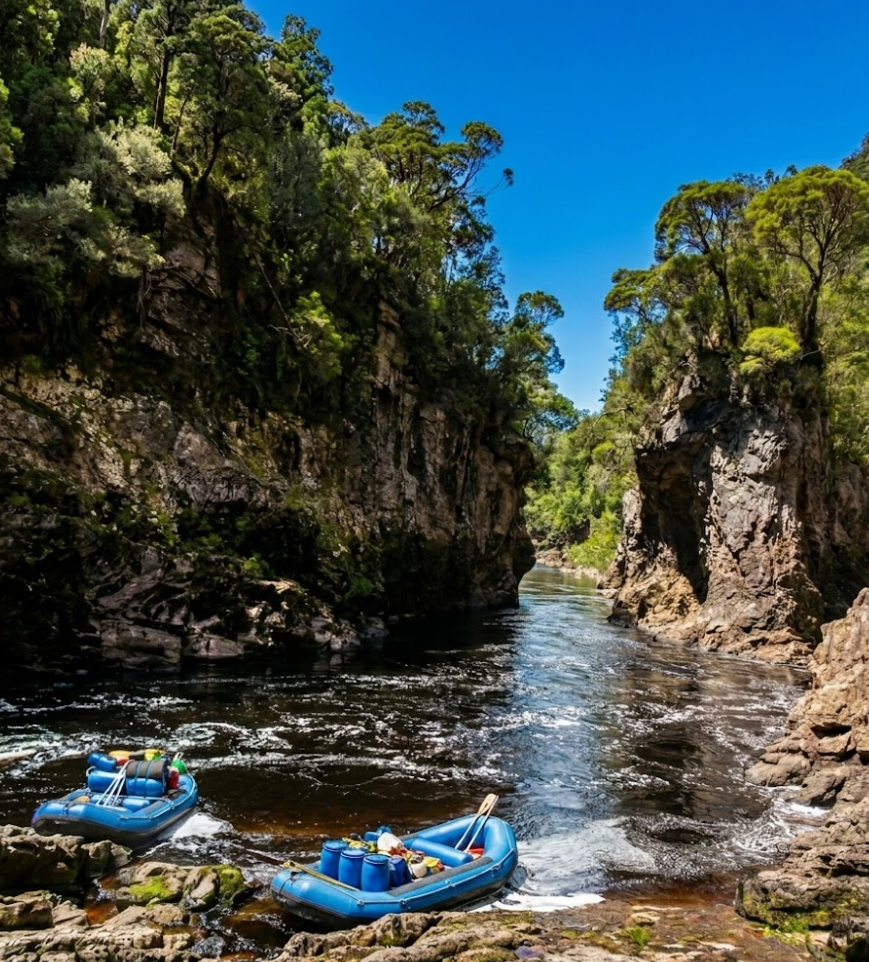
The defining factor in any Franklin River trip is water level. Because the river is undammed, rainfall directly determines flow and rafting conditions. There are three broad categories of water levels: high, medium, and low. Each presents distinct challenges and advantages.
High Levels High water levels occur after significant rainfall, typically 50mm or more in the catchment. Under these conditions, the river flows quickly, and long flat sections feel like moving walkways, requiring little paddling effort. Most rapids wash out, though some become larger and more dangerous. Portaging is minimal, and participants spend most of their time in the raft. However, safety considerations may require groups to remain in camp until levels drop to manageable conditions. High levels are suitable for participants of any fitness level, as the physical effort required is reduced, but guides must make careful decisions about which rapids can be safely attempted.
Medium Levels Medium levels are considered the ideal balance. The river flows steadily, with enough water to make progress without excessive portaging, while still revealing geological features such as quartzite outcrops, sculpted schists, and sandy beaches. Rapids are manageable but still provide excitement. This level is often referred to as the “Goldilocks” condition, offering the classic Franklin rafting experience. Medium levels are best suited for participants of any fitness level and provide the most consistent combination of scenery and rafting challenge. Statistically, the best chance of encountering medium levels is between October and late December, and again from late March onwards.
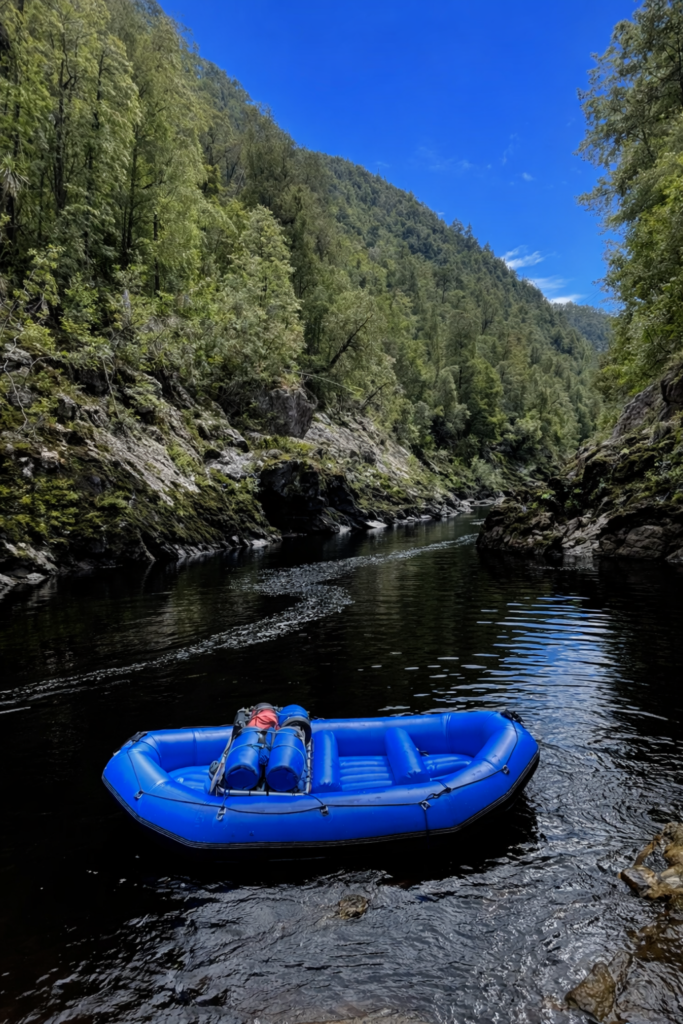
Low Levels Low levels are most common in summer, when rainfall is minimal. The river becomes clear and beautiful, but rafting is physically demanding. Fully loaded rafts must be hauled past numerous rock and log obstacles, and participants spend significant time out of the boat. Long flat sections remain paddleable, but progress is slow. Trips at low levels are better suited to agile and athletic participants who can manage the physical demands. The river’s beauty is amplified at low levels, with clear water and intimate encounters with the landscape, but the effort required is considerable. Inflatable kayaks are sometimes used at this level, offering a different type of challenge.
Seasonal Considerations
Seasonality plays a critical role in planning a Franklin River trip. Rainfall patterns in southwest Tasmania dictate river levels, and understanding these patterns helps set expectations.
- September to early January: Regular rainfall, higher likelihood of medium to high levels, rafting-friendly conditions.
- Mid-March onwards: Rainfall resumes, again offering medium levels.
- Summer months (January–February): Lower rainfall, reduced flow, more obstacles, physically demanding trips.
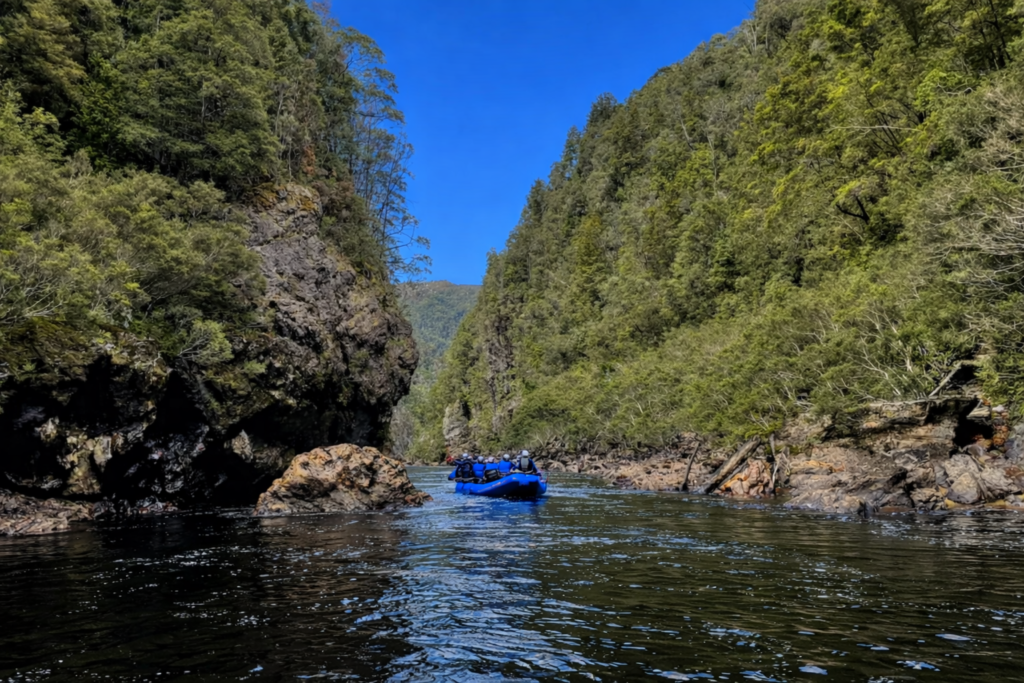
Participants should be prepared for variability. Even within these seasonal windows, conditions can change rapidly depending on short-term weather events. Guides monitor rainfall closely and adjust itineraries accordingly.
Physical Demands
Rafting the Franklin requires sustained physical effort. Paddling commands such as “left side,” “right side,” “back paddle,” and “forward paddle” are constant, and teamwork is essential. Portaging at low levels involves hauling boats and gear across boulders the size of houses. Even at medium levels, occasional portages are required. Fitness is important, but guides adapt the pace to suit the group. At high levels, physical demands are reduced, but participants must be prepared for the possibility of waiting in camp until conditions improve.
Safety Requirements
Safety is a central concern. All participants must be competent swimmers, though Olympic-level ability is not required. Life jackets provide flotation, keeping heads above water and enabling active swimming to avoid obstacles or reach the raft. Guides provide detailed safety briefings at the start of the trip, covering procedures for falling out of the raft and assisting others.
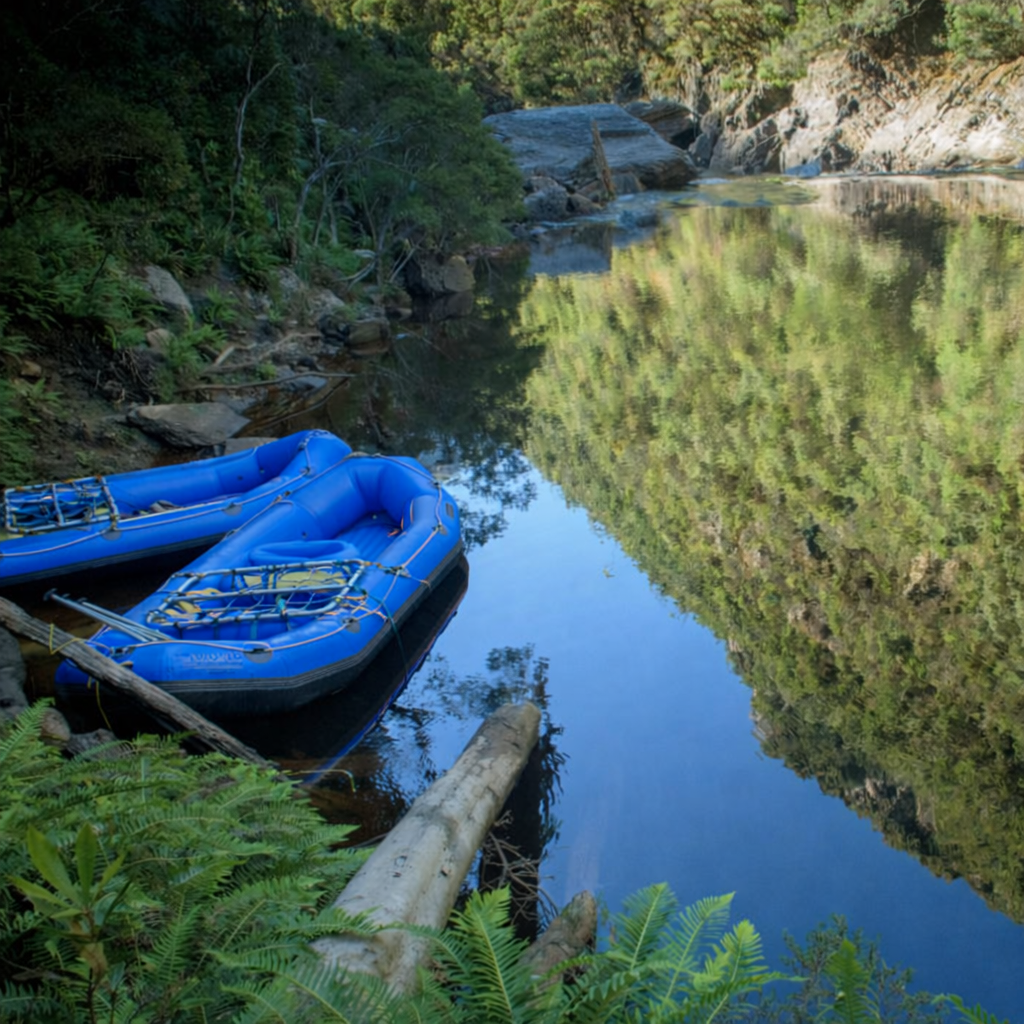
If a participant falls out, the first step is to swim towards the raft and grab the outside safety line. Fellow rafters can then pull them back in using the shoulder straps of the life vest. If the safety line cannot be reached, guides may throw a rescue bag with a rope or pass a paddle to hold onto. If neither option is successful, the participant should assume the whitewater swimming position: lying on the back with feet pointing downstream. Guides are trained to reach and assist quickly.
If another participant falls out, those in the raft can help by pulling them in via the safety line or shoulder straps, passing a paddle, or throwing the rescue bag. Teamwork and calm responses are essential.
Wilderness and Isolation
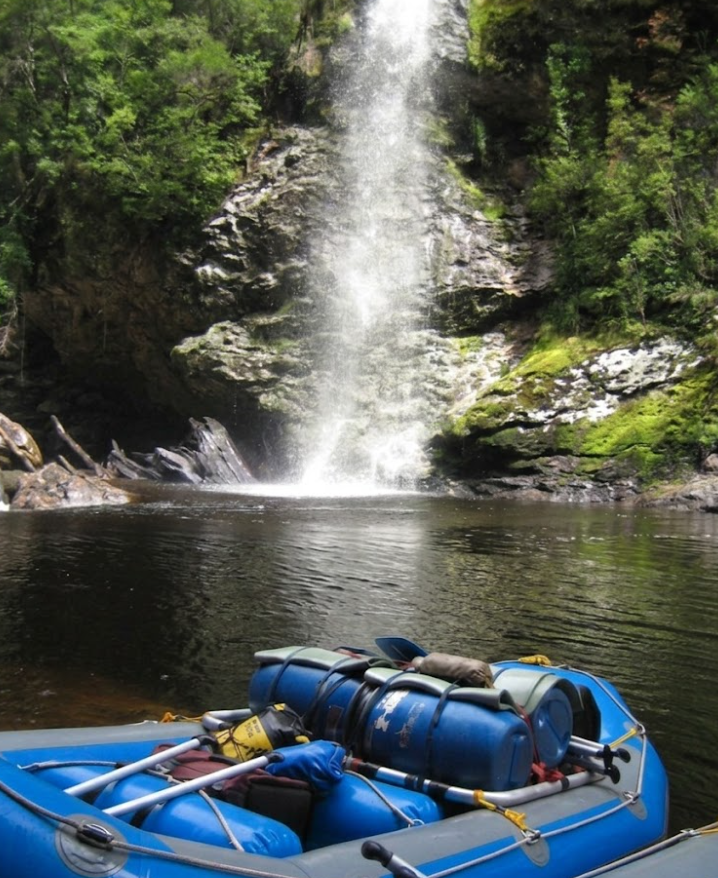
The Franklin River valley is pristine. There is no evidence of litter, infrastructure, or human impact. The experience is defined by isolation, with no mobile coverage and no contact with other groups. Morning mist often drifts across the valley, creating striking visual scenes. Wildlife is limited, with occasional sightings of platypus or quolls, but the absence of human noise and activity is the defining characteristic. The sense of isolation is complete, and participants must be comfortable with disconnection.
Comparison with Other Tasmanian Adventures
Compared to trekking routes such as the South Coast Track, rafting the Franklin offers greater comfort in terms of food and supplies but requires sustained teamwork and paddling effort. The isolation is similar, but the physical demands differ. Trekking involves carrying weight, while rafting involves paddling and portaging. Both experiences highlight Tasmania’s wilderness, but the Franklin is unique in its combination of river dynamics and pristine valley environment.
Suitability
Rafting the Franklin is suited to participants seeking isolation, wilderness immersion, and physical challenge. It is not a passive experience; effort is required to paddle, portage, and camp. Fitness levels influence the ease of the trip, particularly at low water levels, but guides adapt to group capabilities. The experience is rewarding for those prepared for hard work and offers a rare opportunity to disconnect completely from civilization.
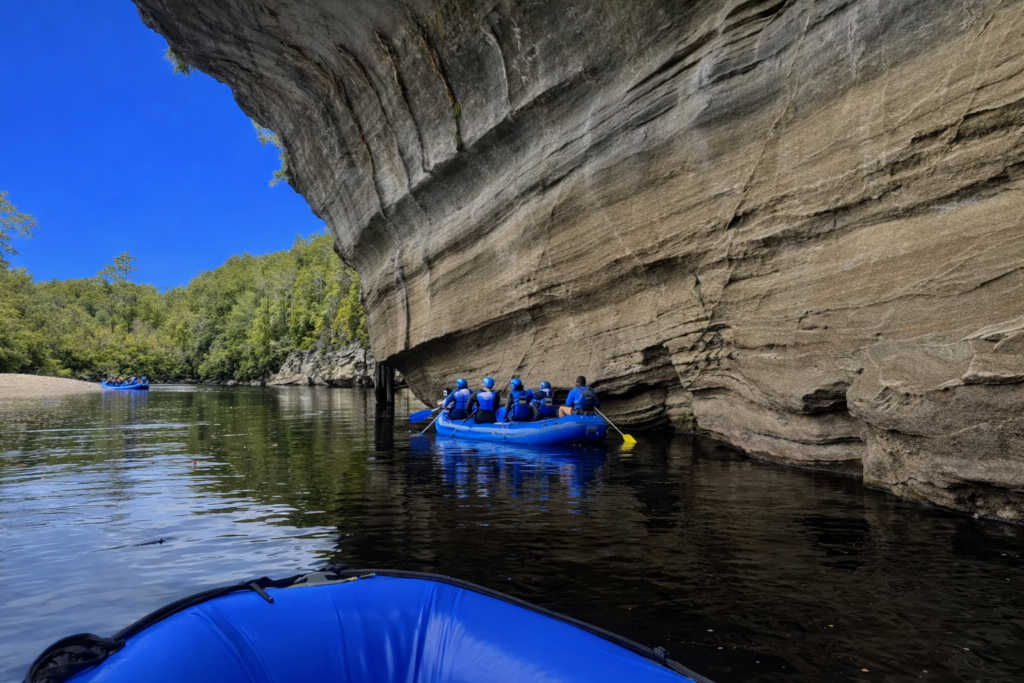
The Franklin River rafting experience is defined by three factors: water levels, physical effort, and wilderness isolation. Each trip is unique, shaped by rainfall and weather conditions. Medium levels provide the classic experience, high levels reduce physical effort but increase safety considerations, and low levels demand significant hauling and agility. Regardless of conditions, the Franklin offers pristine scenery, complete isolation, and a demanding but rewarding adventure. Participants should be prepared for variability, teamwork, and sustained effort, but the rewards include wilderness immersion, camaraderie, and one of the world’s most highly regarded rafting journeys.