
A Living Legacy
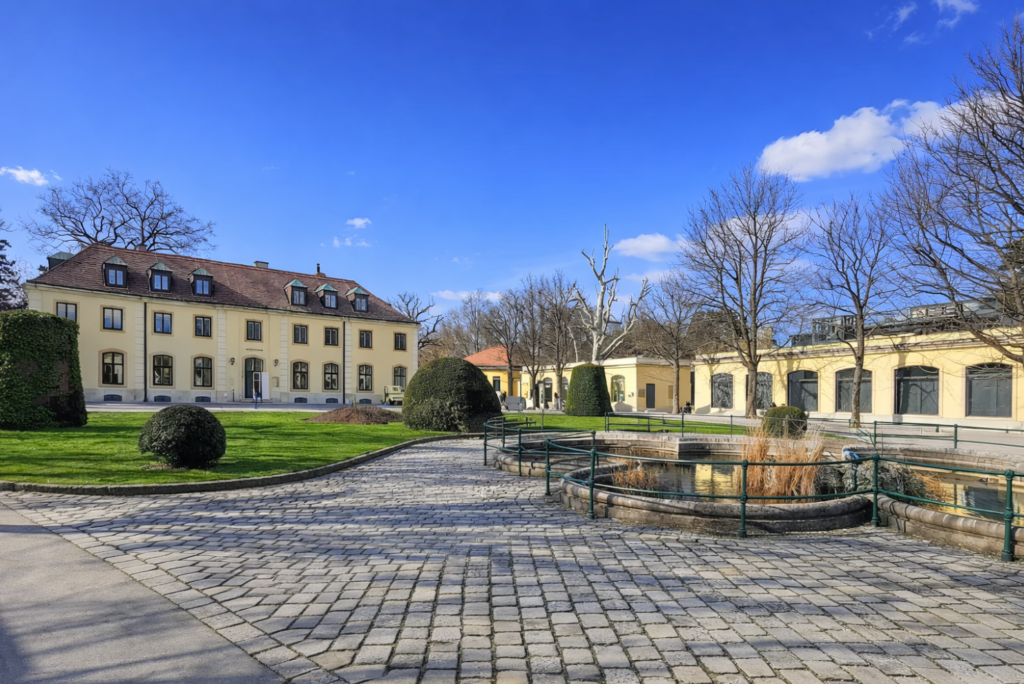
Schönbrunn Zoo is not just a place to see animals; it’s a cultural landmark. Founded in 1752 as part of Emperor Franz I Stephan’s imperial gardens, it holds the title of the world’s oldest continuously operating zoo. Its baroque pavilions still stand, but today they frame a mission far beyond leisure: conservation, education, and the delicate balance of species survival. Since 1996, the entire palace complex — zoo included — has been recognized as a UNESCO World Heritage Site, underscoring its global significance.
Architecture Meets Ecology
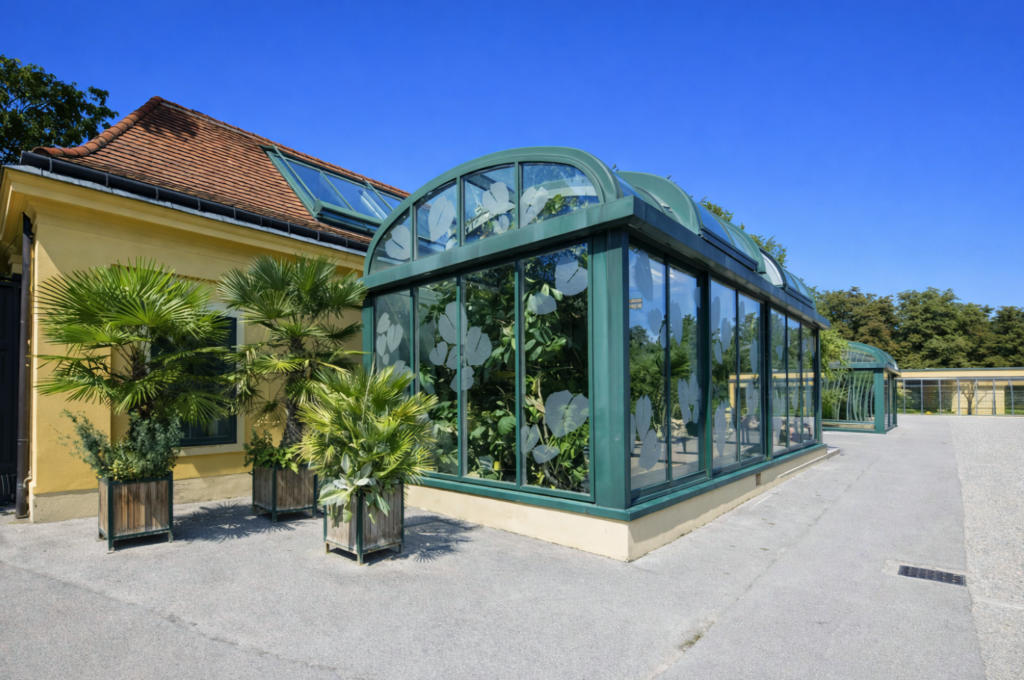
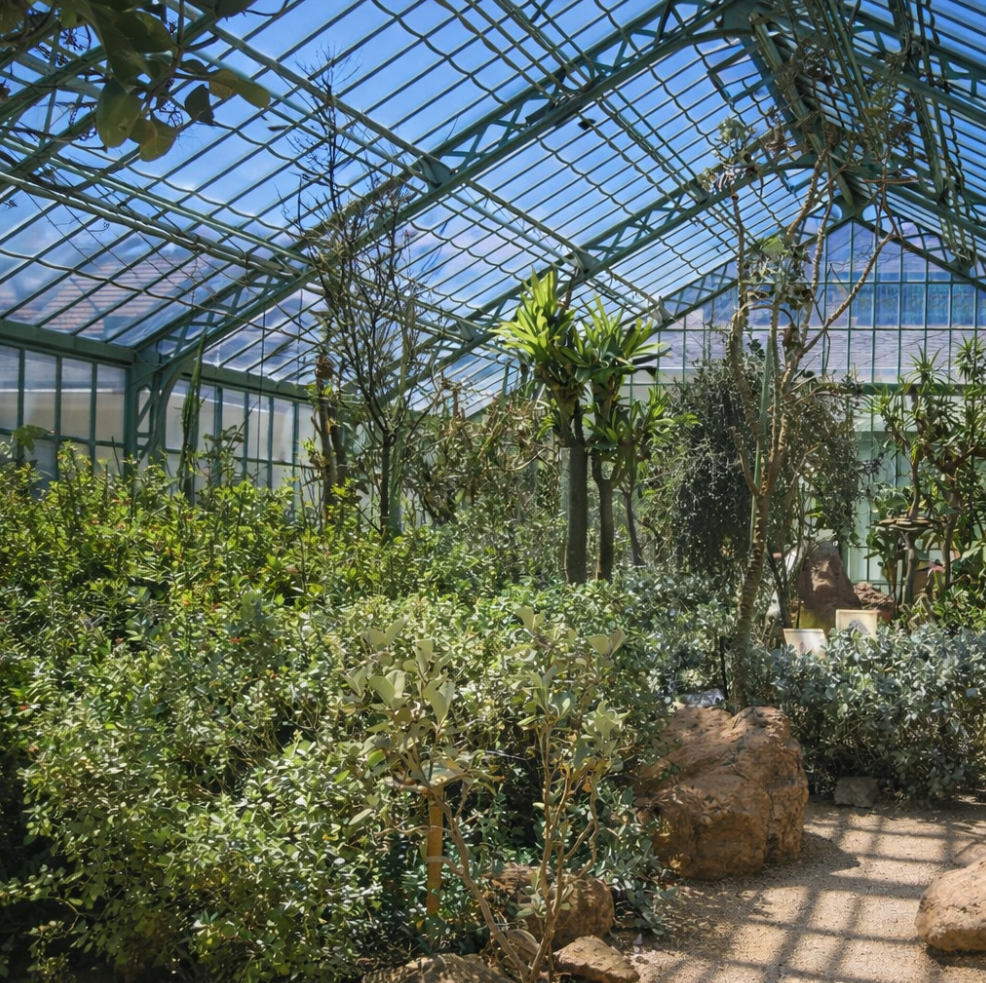
What sets Schönbrunn apart is its seamless blend of history and modernity. The ornate imperial structures whisper of Habsburg grandeur, while sleek, habitat-inspired enclosures reflect contemporary science. This duality — heritage architecture alongside cutting-edge animal care — is precisely why Schönbrunn has consistently topped Anthony Sheridan’s European zoo rankings.
Conservation in Action
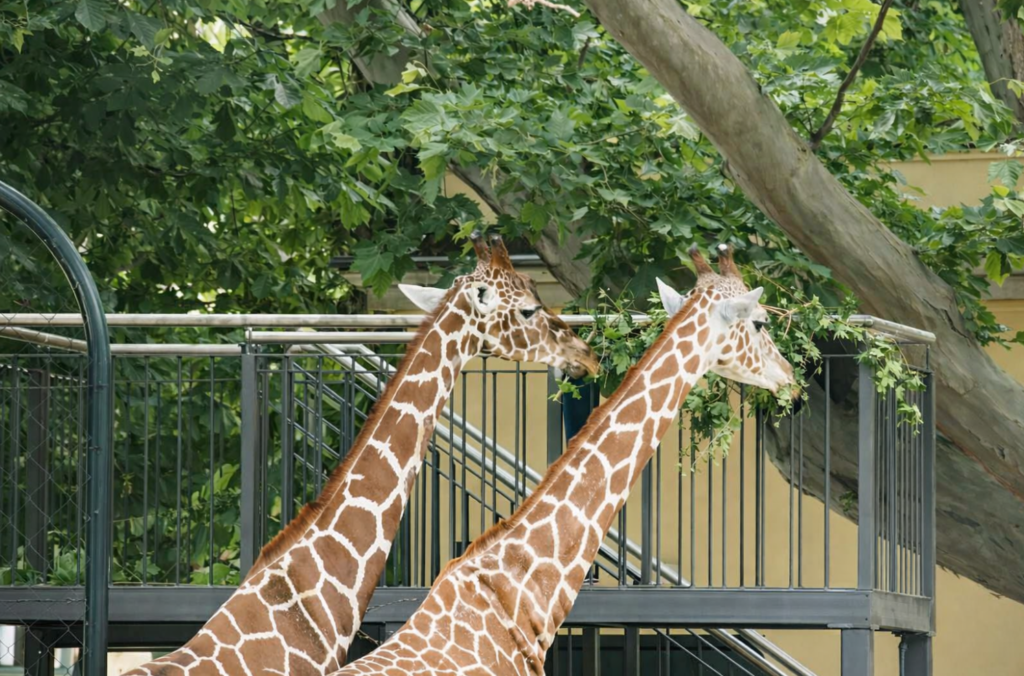
Every animal here has a purpose. Schönbrunn is one of the few zoos worldwide to achieve natural panda breeding, a feat celebrated across the conservation community. It has reintroduced Ural owls into Austrian forests and supported the revival of bearded vultures in Central Europe. Programs like the European Endangered Species initiative (EEP) ensure genetic diversity, making reintroduction into the wild possible when habitats allow. Visitors aren’t just spectators; they’re participants in a larger preservation effort.
The Vibe of the Day
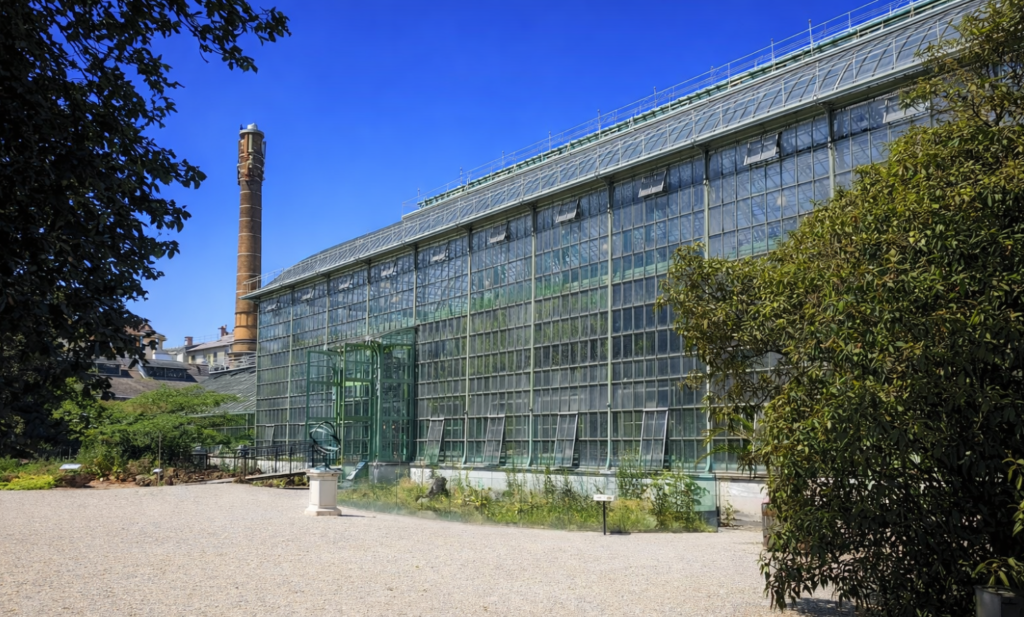
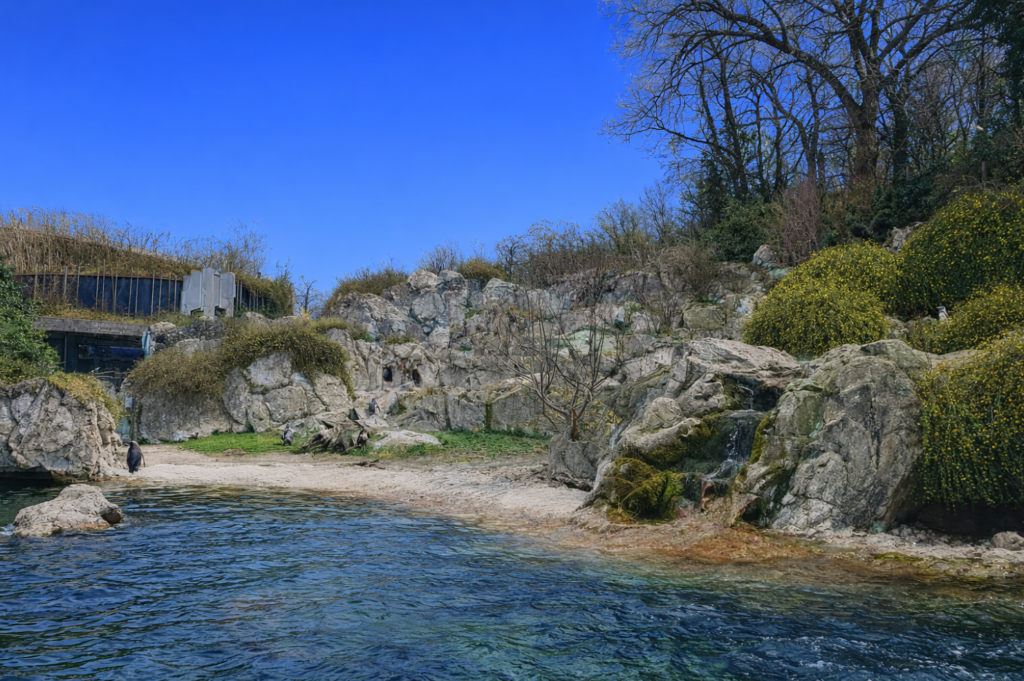
A visit unfolds like a carefully choreographed performance. Feeding times punctuate the hours: elephants at 10:00, penguins at 11:00, tigers at 15:00, koalas at 16:00. Each session is both spectacle and science, offering glimpses into animal behavior and care. Walking the grounds — 17 hectares, nearly 10 kilometers of paths — feels less like ticking off exhibits and more like following a narrative arc, each encounter a new chapter.
Practical Pathways
Getting here is effortless. The U4 metro line delivers you directly to the zoo’s entrances at Schönbrunn or Hietzing. Skip-the-line tickets (€27 for adults) save precious time, while the Vienna Pass unlocks not only Schönbrunn but 60 other attractions across the city. Still, Schönbrunn deserves a day of its own; its scale and depth resist being squeezed into a hurried itinerary.
The Human Role in Preservation
The frontier of animal welfare isn’t only in zoos — it’s in the wild. Schönbrunn’s work highlights a sobering truth: without habitat preservation, breeding programs are stopgaps. Forests, wetlands, and grasslands remain under threat from human expansion. Until balance is restored, zoos like Schönbrunn act as lifeboats, safeguarding species until their homes can be rebuilt. Visitors, knowingly or not, contribute to this mission simply by supporting the institution.
Beyond the Obvious Stars
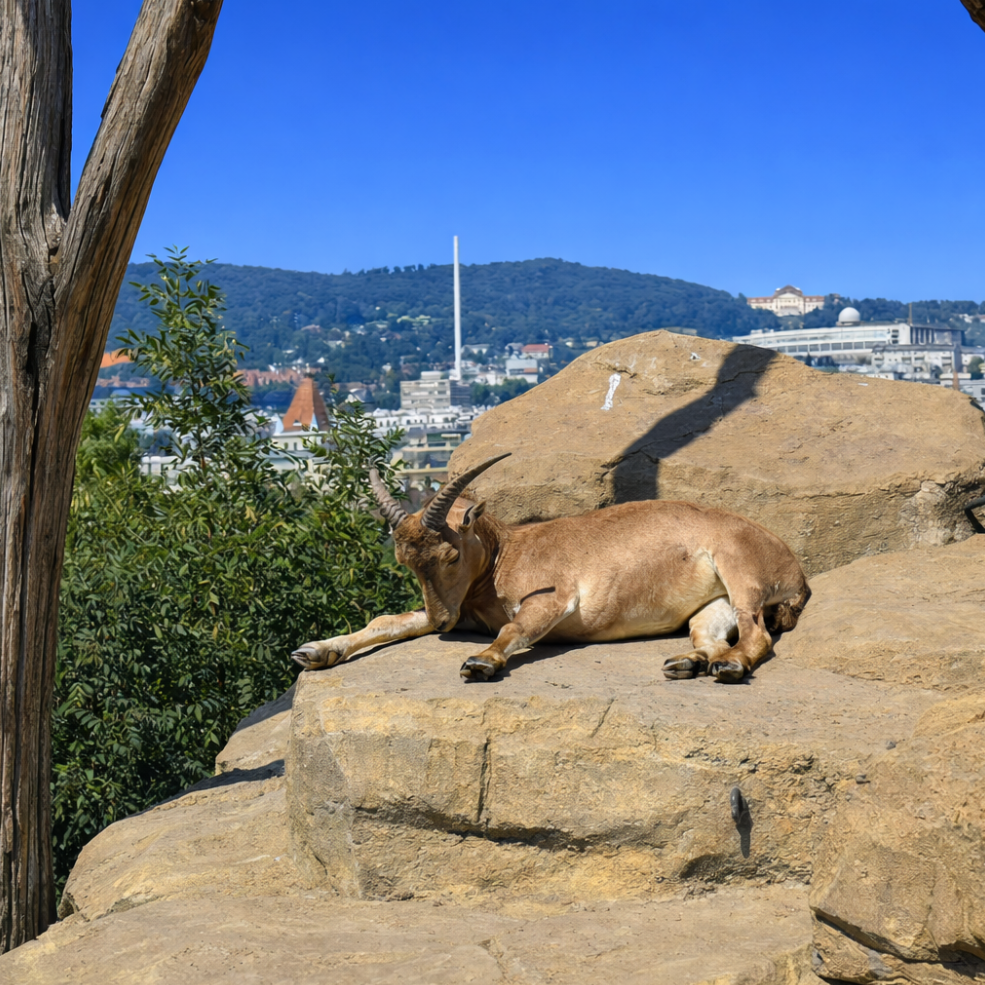
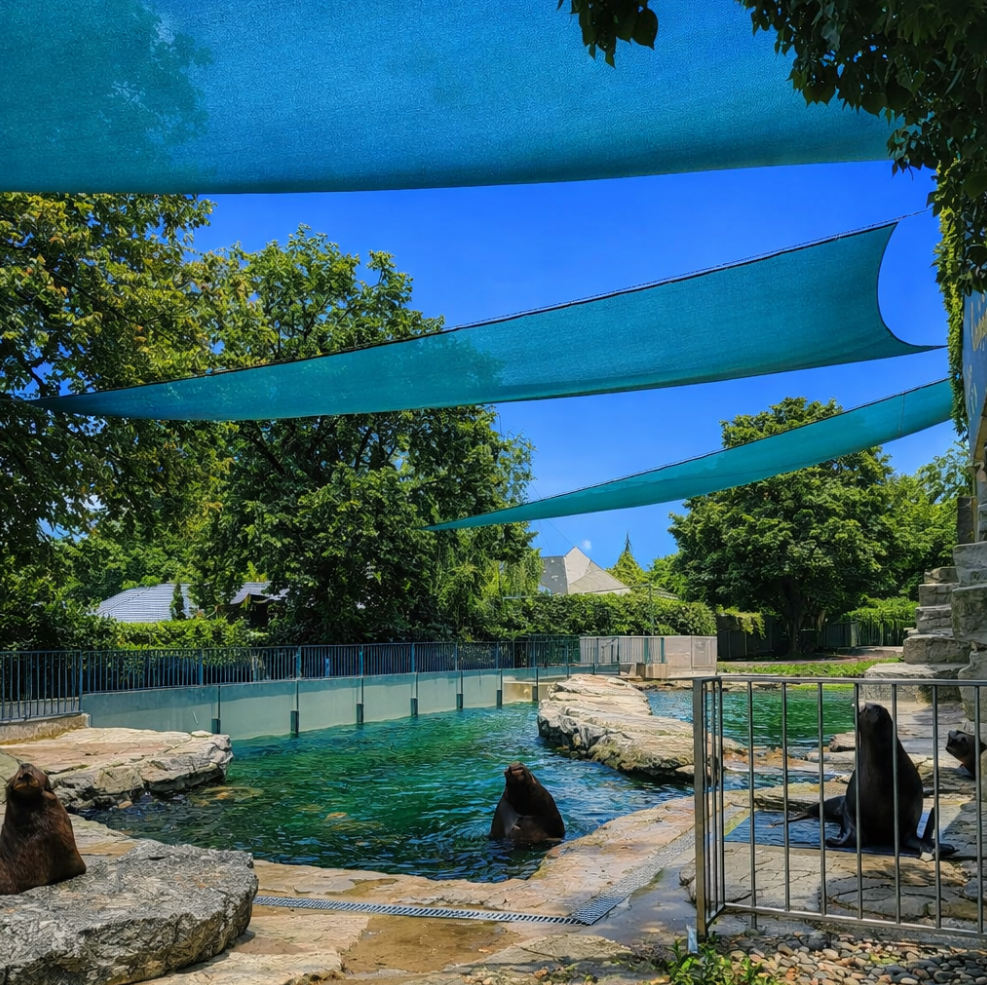
While pandas and koalas draw headlines, Schönbrunn’s collection is far richer. Rarely exhibited species — from northern bald ibis to western black-and-white colobus monkeys — broaden the narrative. Each enclosure is designed to mimic natural habitats, not only for animal comfort but for research. The better we understand these creatures, the better we can reconstruct their environments in the wild.
A Day Well Spent
By the time you leave, Schönbrunn feels less like a zoo and more like a dialogue between past and present, humans and animals, architecture and ecology. It’s a reminder that conservation is not abstract — it’s lived here, in daily feedings, in breeding programs, in the quiet joy of seeing animals thrive. Schönbrunn Zoo is not just a destination; it’s a story you step into, and one you carry with you long after you’ve left its gates.