Introduction: Beneath the Fields of Carp
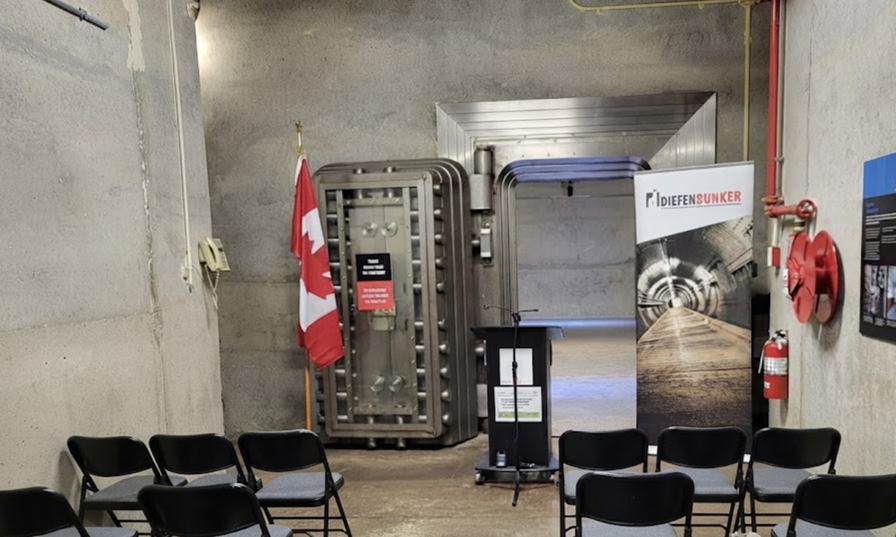
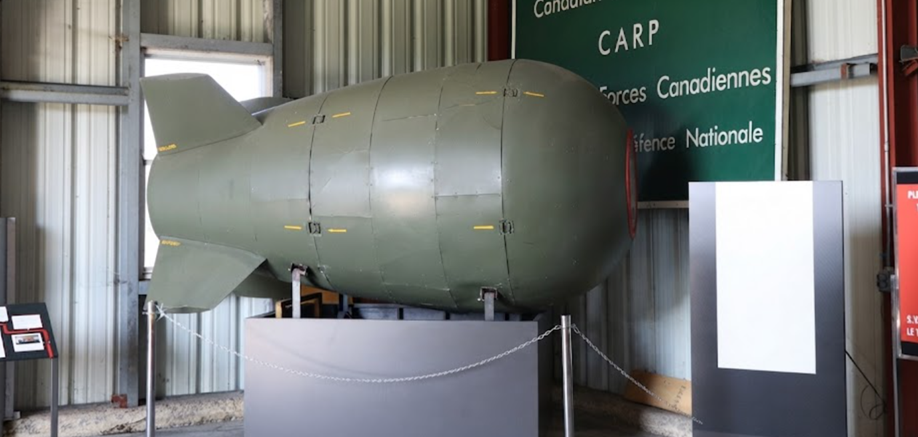
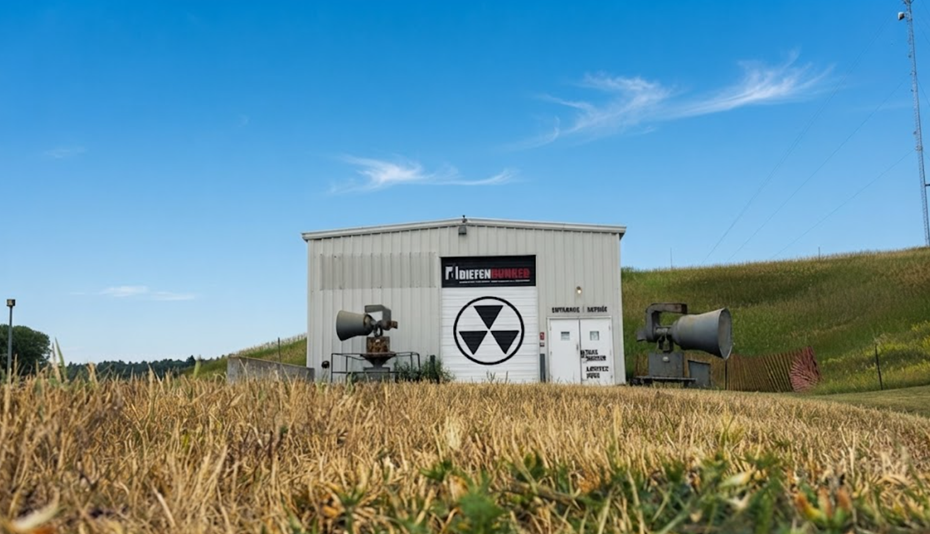
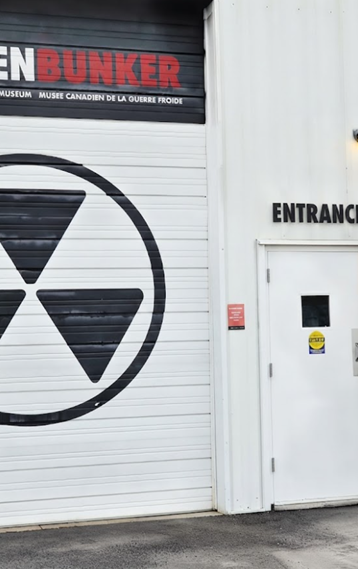
Thirty kilometers west of Ottawa, the landscape of Carp appears ordinary — rolling farmland, quiet roads, and the vibes of rural life. Yet beneath this pastoral calm lies one of Canada’s most extraordinary secrets: a four‑storey, 100,000‑square‑foot underground fortress known as the Diefenbunker. Built between 1959 and 1961, during the height of Cold War tension, this bunker was designed to protect Canada’s leaders in the event of nuclear war. Today, it stands as a museum and national historic site, offering visitors a rare chance to step inside history itself.
The Cold War Context
The late 1950s were marked by escalating nuclear anxieties. The Soviet Union and the United States were locked in an arms race, and Canada, positioned geographically between them, was deeply entangled in the geopolitics of survival. Prime Minister John Diefenbaker authorized the construction of a secure facility that could withstand a five‑megaton blast. The bunker would serve as the nerve center of government continuity, ensuring that Canada’s leadership could function even in the aftermath of catastrophe.
This was not simply a precaution — it was a reflection of the era’s pervasive fear. Families built backyard fallout shelters, schools practiced “duck and cover” drills, and governments invested millions in underground strongholds. The Diefenbunker was Canada’s answer to the unthinkable.
Engineering a Fortress
The construction of the bunker was a feat of engineering. More than 32,000 cubic yards of concrete and 5,000 tons of steel were poured into the valley site. The facility included over 350 rooms: dormitories, medical and dental clinics, a war room, dining halls, and even a decontamination chamber. Supplies were stockpiled to sustain 535 officials for thirty days.
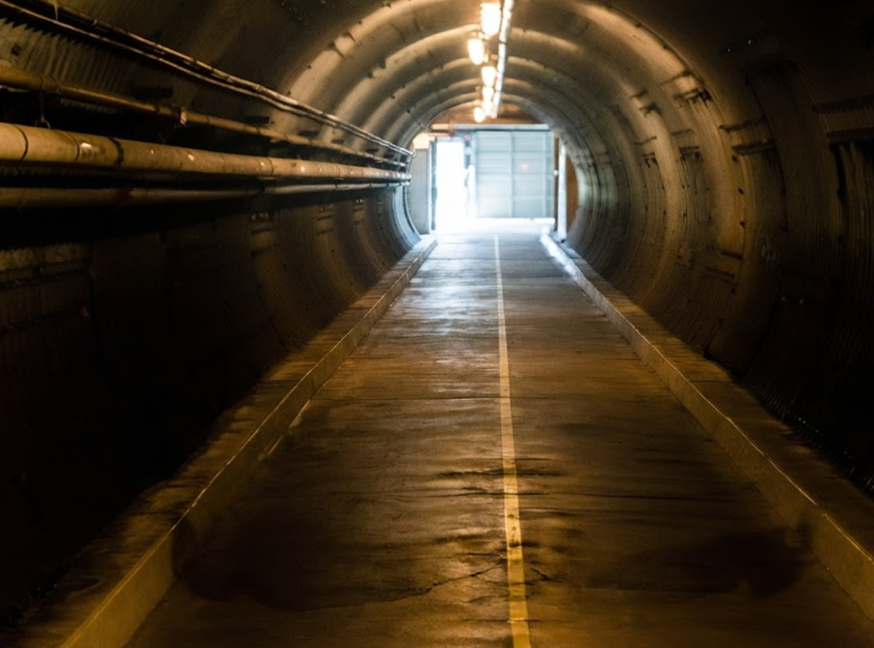
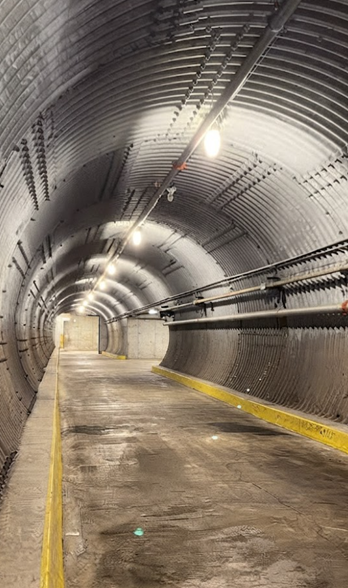
Walking through its corridors today, visitors encounter the sheer scale of the project. The walls are thick, the doors heavy, and the atmosphere unmistakably utilitarian. Every detail was designed with survival in mind — from air filtration systems to secure communications lines that connected directly to military networks.
Life Underground
Imagine descending into the bunker during a nuclear alert. Officials would have left families behind, entering a sealed world of fluorescent lights and concrete passageways. Daily life underground was regimented: meals in the cafeteria, briefings in the war room, medical checks in the clinic. The bunker was not built for comfort but for endurance.
Yet traces of humanity remain. The replica Canex canteen from 1977 recalls the small pleasures of snacks and coffee. Dormitories reveal the stark simplicity of bunk beds and lockers. Telephones and computers from the 1960s and 70s sit frozen in time, reminders of how technology once carried the weight of national defense.
From Secret to Museum
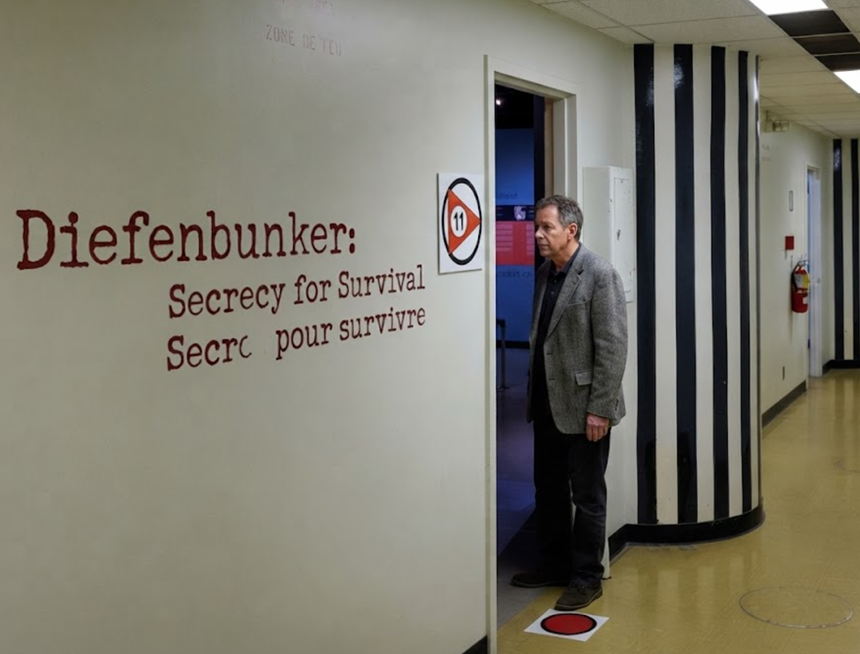
Canadian Forces Station Carp operated until 1994, its existence largely hidden from public view. In 1998, the site was transformed into the Diefenbunker: Canada’s Cold War Museum. Since then, it has become a destination for history enthusiasts, families, and students, offering immersive programs that explore themes of diplomacy, preparedness, and peacebuilding.
The museum is governed by an independent charitable organization, supported by staff and volunteers who preserve its legacy. Their mission is clear: to ensure that future generations understand the past, not as distant memory but as a living lesson.
Touring the Bunker
Visitors can explore the Diefenbunker in several ways. Guided tours provide expert insight into the facility’s history, while self‑guided options allow for personal discovery. An audio guide is available for download, offering context as you wander through the maze of rooms.
Exhibits are carefully curated, with written explanations that balance detail and accessibility. Families often find themselves lingering over relics of technology, while children marvel at the scale of the underground world. For younger kids, the museum may feel less interactive than other destinations, but for those fascinated by history or technology, it is a treasure trove.
Escape the Diefenbunker
One of the museum’s most innovative offerings is its partnership with Escape Manor. Together, they created the world’s largest escape room: Spanning an entire floor — 25,000 square feet — the experience challenges teams to solve puzzles and uncover clues before time runs out.
It is both entertainment and education, blending Cold War tension with modern gameplay. Participants navigate corridors, unlock secrets, and feel the urgency of countdown clocks. It is history reimagined, a playful yet profound way to engage with the bunker’s legacy.
Educational Programs
The Diefenbunker is not only a museum but also a classroom. Educational programs immerse students in Cold War history, combining tours with interactive activities. Topics range from Conflict Resolution to Emergency Preparedness, encouraging young people to connect past events with contemporary challenges.
Virtual programs extend the reach beyond Ottawa, allowing schools across Canada to engage with the bunker’s lessons. In a world still grappling with global tensions, these programs highlight the importance of diplomacy, peacebuilding, and resilience.
Visitor Information
Hours: Wednesday–Friday 10:00 a.m.–4:00 p.m.; Saturday–Sunday 10:00 a.m.–3:00 p.m.
Admission:
Adults $19.50;
Seniors $17.50;
Students $15.00;
Youth $13.00;
Family $55.50;
Children under 5 free.
Guided tours are available at slightly higher rates.
Parking: Free on‑site.
Location: 3929 Carp Road, Ottawa, ON K0A 1L0.
Contact: 613‑839‑0007 | reservations@diefenbunker.ca | diefenbunker.ca
Driving directions are straightforward: exit at Carp Road from Highway 417 and continue ten minutes to Carp Village. Public transit does not reach the site, reinforcing its sense of isolation.
Atmosphere and Experience
Visiting the Diefenbunker is unlike any other museum experience. The descent itself is transformative — from daylight into dim corridors, from open fields into a sealed world. The silence is palpable, broken only by footsteps and the occasional vibes of ventilation.
For adults, the nostalgia of mid‑century technology sparks memories. For children, the scale and strangeness of the underground environment provoke curiosity. Together, families discover not only artifacts but also the emotions of an era defined by fear and resilience.
The Legacy of Secrecy
The Diefenbunker embodies the paradox of the Cold War: a time of immense technological progress shadowed by existential dread. It is a monument to secrecy, built to protect leaders while leaving ordinary citizens vulnerable. Yet in its preservation, it becomes a tool for transparency, inviting the public to confront the realities of nuclear preparedness.
Walking through its war room, one cannot help but imagine the decisions that might have been made here. The bunker is both a relic and a reminder — of what governments feared, what they planned, and what they hoped never to use.
Why It Matters Today
In an age of new global tensions, the lessons of the Cold War remain relevant. The Diefenbunker encourages reflection on continuity of government, emergency planning, and the pursuit of peace. It is not simply about the past but about the choices we make in the present.
By preserving this site, Canada offers future generations a chance to understand the fragility of peace and the importance of diplomacy. The bunker is a story of preparedness, but also of hope — that by remembering, we can avoid repeating history.
Stepping into History
The Diefenbunker is more than concrete and steel. It is a living memory, a place where history is not displayed but experienced. Descending into its depths, visitors encounter the Cold War not as abstract politics but as tangible reality.
It is a reminder that peace is never guaranteed, that governments once planned for survival in the face of annihilation, and that today we must continue to strive for understanding and collaboration. The Diefenbunker is Canada’s Cold War Museum, but it is also a mirror — reflecting the past, illuminating the present, and challenging us to imagine a safer future.