
Amsterdam is a city of museums — more per square kilometre than anywhere else in the world. They range from quirky collections tucked into canal houses to world‑class institutions that draw millions. Yet one rises above them all: the Rijksmuseum. To step inside is not simply to admire paintings.
It is to enter the living memory of the Netherlands, a cathedral of art and history where eight centuries unfold across marble halls and stained glass windows.The Rijksmuseum is not just a museum. It is the national soul made visible.
A Building That Breathes History
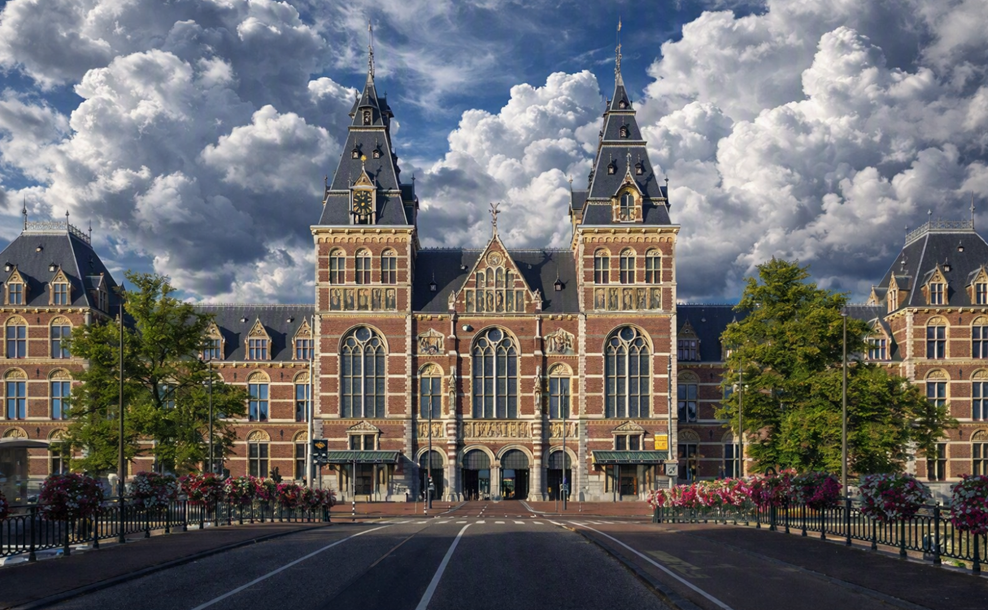
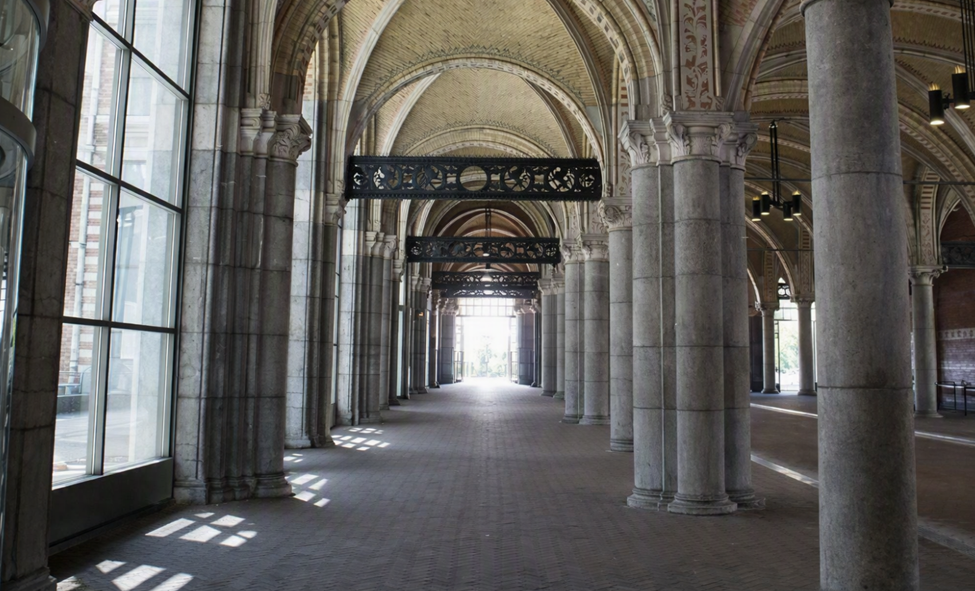
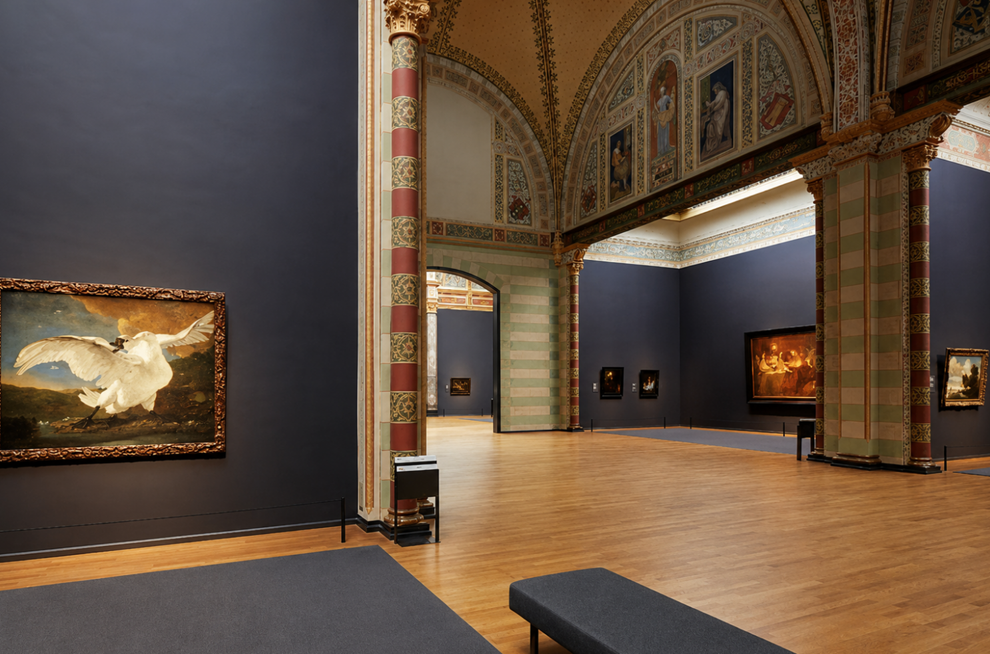
The building itself is a masterpiece. today, its soaring arches and mosaics feel inevitable, as if Amsterdam could not exist without them. Cuypers’ design is layered with symbolism. The stained glass windows blaze with allegories of faith, justice, and charity. The floor mosaics whisper of the seasons and the elements.
The Cuypers Library, still used by students, is a cinematic sanctuary of books, a place where silence feels sacred. Even cycling beneath the vaulted arches — a daily ritual for locals — feels like passing through history’s gateway. The Rijksmuseum has been rebuilt and refitted many times.
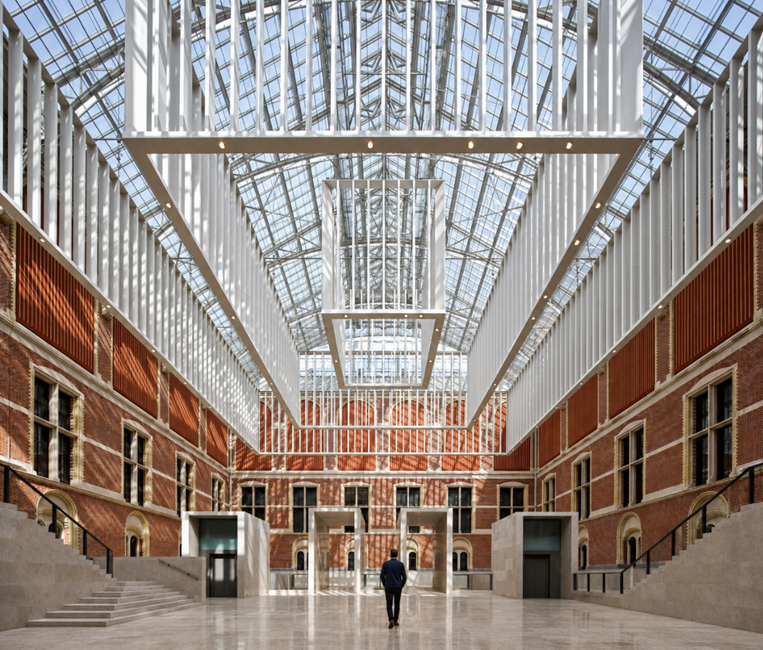
Its most recent renovation, completed in 2013 after a decade of closure, cost over €375 million. The result was worth every cent: a museum reborn, luminous, and ready to tell the Dutch story anew.
Why a Guided Tour Matters
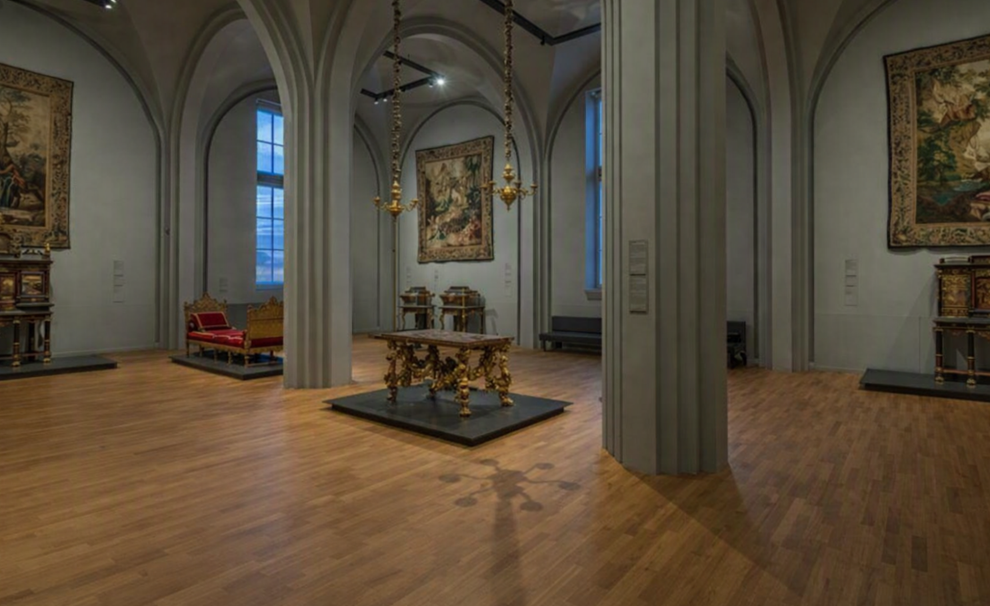
The Rijksmuseum is vast — one million objects, with 8,000 on display at any given time. Without guidance, visitors often rush from highlight to highlight, missing the subtler stories hidden in brushstrokes and symbolism. A guided tour transforms the experience.Golden Age insights — the social and political currents that shaped Rembrandt’s Amsterdam.
Hidden symbols — allegories tucked into Vermeer’s domestic scenes, rivalries painted into Hals’ group portraits.
Scandals and innovations — the drama behind the canvases, turning static works into vivid snapshots of history.
For families, guides weave storytelling and games into the visit, turning art into adventure. For enthusiasts, tours dive deeper into restoration, technique, and influence. And for first‑time visitors, they provide structure — ensuring you leave fulfilled, not exhausted.
Timing Your Visit
Crowds ebb and flow like tides, and timing shapes your experience.
Winter months (Nov–Feb): quiet galleries, intimate encounters with masterpieces.
Spring and autumn (Mar–May, Sep–Oct): balance of pleasant weather and manageable crowds.
Summer peak (Jun–Aug): vibrant atmosphere but long queues — skip‑the‑line tours are essential.
Arrive early morning (9–11 AM) to see The Night Watch without the crush, or late afternoon (3–5 PM) when day‑trippers fade. Avoid midday if you can — the museum swells with groups and chatter.
Highlights That Stay With YouThe Gallery of Honour
Here hangs Rembrandt’s Night Watch, a morning parade frozen in chiaroscuro brilliance. Captain Frans Banninck Cocq, dressed in black, commands the scene, his hand inviting his militia forward. Rembrandt paints himself into the background, a sly cameo. The painting is not simply art; it is theatre, politics, and ego rendered in oil.
The Great Hall
Leaving the Gallery of Honour, you enter a hall of stained glass and mosaics. It is a hymn to Dutch ideals — faith, justice, charity — glowing in colour.
The Cuypers Library
A cinematic sanctuary of books, still used by students. Its spiral staircase and balconies feel like a set piece from a film, a place where knowledge itself becomes architecture.
The Dolls’ Houses
Petronella Oortman’s dollhouse is a miniature world crafted with authentic porcelain and linen, costing as much as a canal house. Petronella Dunois’ version depicts the ideal Dutch household — order, hard work, fine living. These are not toys but status symbols, microcosms of Dutch domestic life.
The Naval Room
Across from the Gallery of Honour, the William Rex battleship bristles with 74 cannons. It is a scale model of Dutch maritime power, a reminder that the Netherlands was once a global superpower afloat.
Family-Friendly Adventures
Children are not forgotten here. Family tours adapt art into treasure hunts, role‑playing, and storytelling. They linger on works that spark imagination — Rembrandt’s drama, Vermeer’s everyday intimacy, ship models, armour, and Delftware. Tours are shorter (1.5–2 hours), interactive, and designed to keep young minds engaged.
Treasure hunts to find details in paintings. Games that teach history. Drawing activities to connect children with art.Parents benefit too: guides handle engagement, leaving adults free to enjoy.
Practical Notes
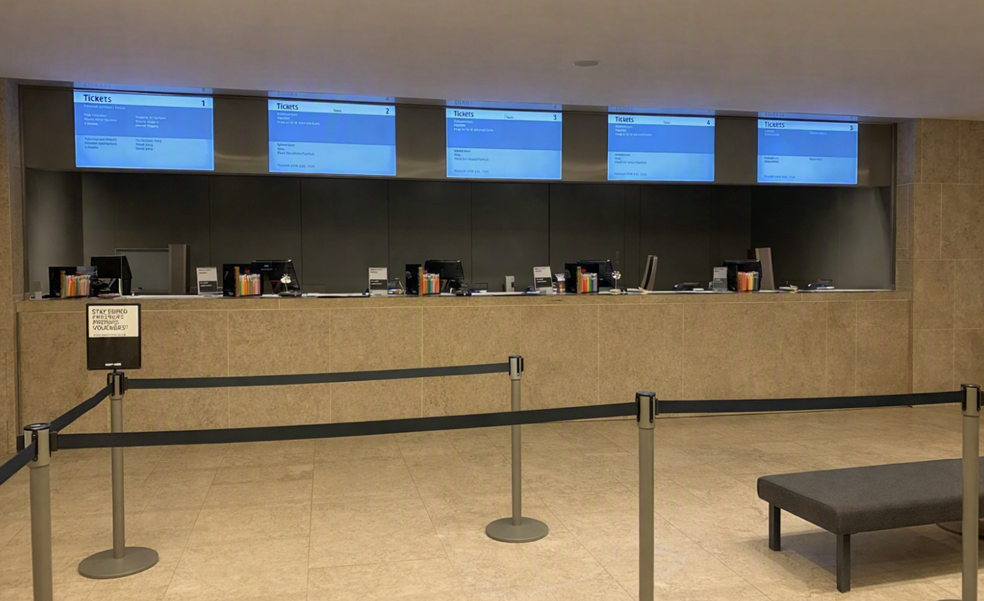
Admission: Adults €20 (€19 online), under‑18s free, I Amsterdam City Card free.
Location: Museumstraat 1, Amsterdam.
Access: Online tickets valid all day, allowing you to step out and return.
The Rise of the Dutch Republic
Guided tours often frame the museum within the larger sweep of Dutch history. The 17th century was the nation’s ascent: merchants became global powers, fleets ruled the seas, and art flourished.
Independence struggles — the Lowlands fighting for sovereignty.The Rijksmuseum is not just about art; it is about the rise of a republic.
Masterpieces of the Golden Age
Beyond the Golden Age – The Rijksmuseum bridges centuries. Architecture & Secrets – The building itself is an exhibit. Hidden details — decor, library, national symbolism. Renovation history — from 19th‑century inception to 21st‑century rebirth.
Final Thoughts
The Rijksmuseum is not simply the best museum in Amsterdam. It is the Netherlands itself, distilled into galleries and canvases. To wander its halls is to trace the rise of a republic, the brilliance of its Golden Age, and the resilience of its culture. Whether you come alone, with family, or guided by an art historian, you leave with more than