
There are places in cities that feel less like public spaces and more like living rooms — places where the walls are trees, the ceiling is sky, and the furniture is whatever patch of grass you claim for the afternoon. In Amsterdam, that place is Vondelpark. Step inside and you are immediately folded into a rhythm that feels both timeless and contemporary.
The paths curve like ribbons through English‑style landscaping, ponds shimmer with herons and ducks appear suddenly, as if the park itself is whispering secrets. But Vondelpark is not just a tourist attraction. For Amsterdammers, it is a communal backyard, a democratic stage where daily vibes, seasonal traditions, and spontaneous connections unfold. To walk here is to step into the city’s soul.
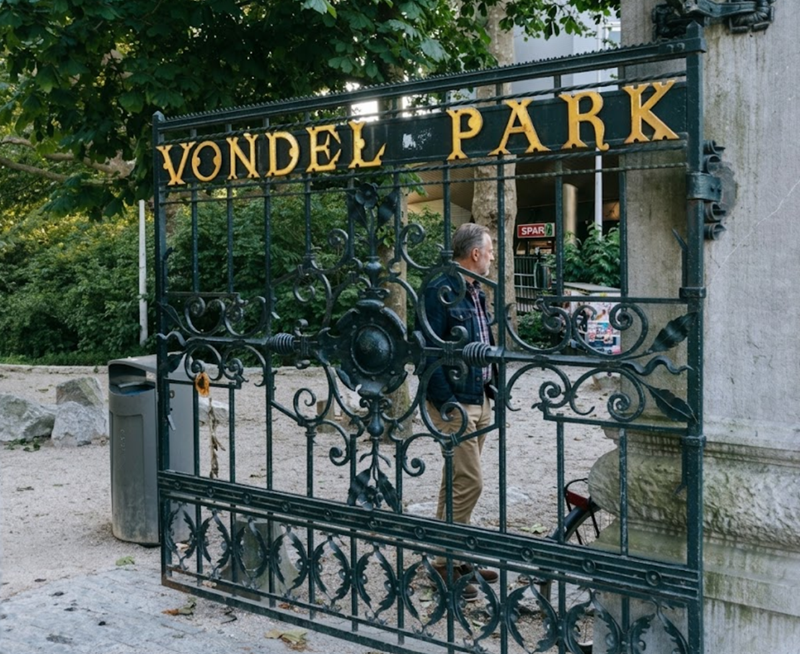
A Park of Seasons
The beauty of Vondelpark lies in its constant transformation. Each season rewrites its story, layering new memories onto old ones. In spring, tulips ignite the lawns in bursts of colour. Joggers chase the morning sun, dog walkers trace familiar routes, and picnickers spread blankets as soon as the air warms.
The rose garden blooms in quiet corners, offering contemplative nooks away from the main paths. Summer is the park’s most vibrant chapter. The open‑air theatre fills with concerts, barbecues smoke gently across meadows, and guitars strum beneath trees.
Families host birthday parties, students gather for book clubs, and evenings stretch into impromptu dance sessions. The park becomes an outdoor festival ground, alive with sound and scent. Autumn brings crisp leaves underfoot and chestnuts scattered across paths.
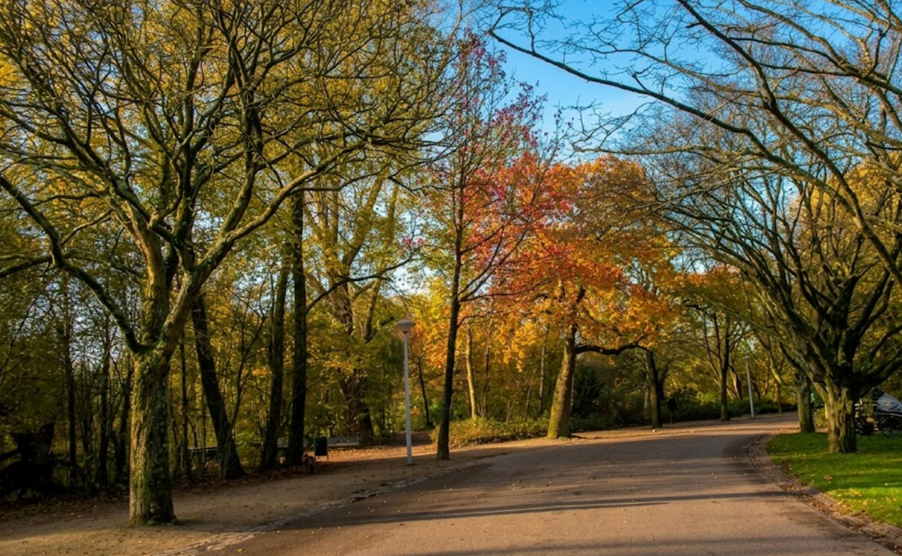
Locals linger in quiet conversation, dogs bound through piles of gold and red, and the air carries a reflective hush. Winter strips the park bare, offering solitude and peace. Residents carry thermoses of hot chocolate, photographers capture stark silhouettes, and the park becomes a sanctuary for reflection.
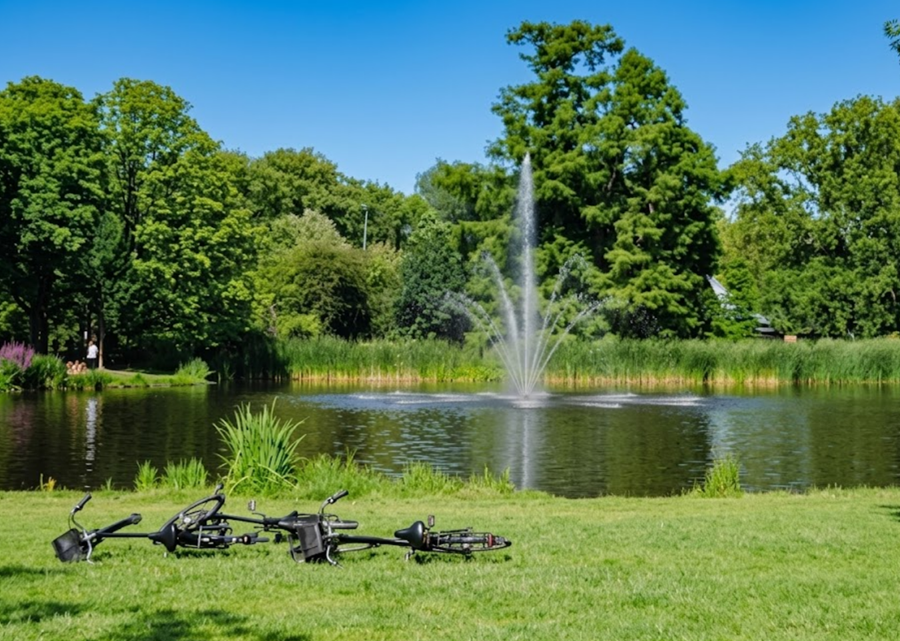
Generations of Amsterdam families carry memories tied to specific benches, bridges, and lawns. These seasonal rhythms create emotional connections that tourists rarely experience, making Vondelpark not just a destination but a living archive of the city’s spirit.
Hidden Corners
To wander like a local is to know the secrets. Behind the pavilion lies a quiet meadow where silence feels like a gift. The eastern edge of the rose garden offers a nook for contemplation, while the small bridge near the film museum becomes a perfect reading spot.
Near Groot Melkhuis, a small hill overlooks a pond where herons fish undisturbed. Even the garden holds treasures most visitors miss. These hidden places remain untouched by crowds, offering intimacy and calm that locals treasure most.
Navigating Like a Resident
To experience Vondelpark authentically, enter through neighbourhood gates rather than the main tourist entrances. The Eerste Constantijn Huygensstraat gate leads directly into peaceful areas, while Van Baerlestraat opens onto hidden meadows.
Timing matters too: early mornings bring joggers and dog walkers, late afternoons invite reflection, and evenings unfold into social gatherings. Weekdays are best for quiet authenticity, while weekends swell with domestic tourists. Local etiquette is simple but deeply respected.
Quiet zones remain undisturbed, picnics are cleaned up completely, and cyclists are given right of way. Residents avoid feeding ducks bread, knowing it harms them, and instead bring proper food. They also respect seasonal boundaries, steering clear of nesting areas and honouring the cycles that keep the park healthy.
A Democratic Space
Vondelpark’s cultural significance stems from its role as a democratic space where all social classes mingle freely. On summer evenings, families dine on picnic blankets next to young professionals unwinding after work, while elderly residents feed ducks alongside university students reading books.
This natural mixing creates the authentic Amsterdam atmosphere that locals cherish. The park also holds historical importance as Amsterdam’s first public park. Locals appreciate this heritage, understanding that Vondelpark represents the city’s progressive values of public space accessibility and community gathering.
Many Amsterdam families have generational memories tied to specific park locations, creating emotional connections that tourists rarely experience.
Birds, Music, and Everyday Traditions
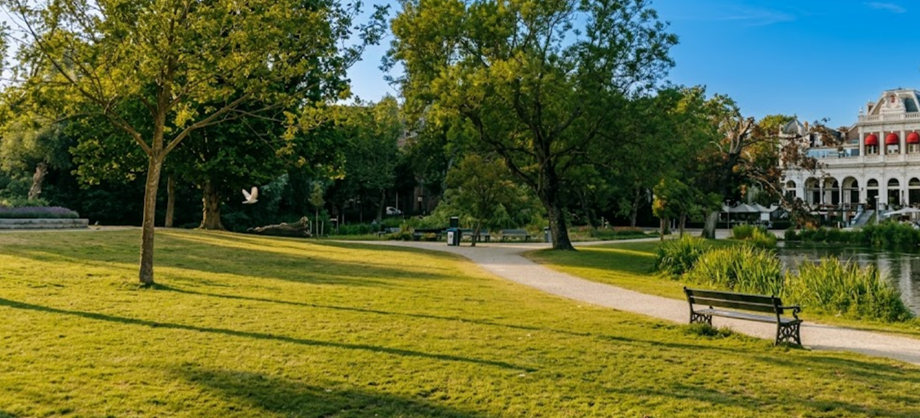
Vondelpark is alive with birdsong. Common species like grey herons, mallards, and mute swans share space with sparrowhawks, storks, and even rose‑ringed parakeets. Birdwatchers wander with binoculars, while children chase ducks along the ponds.
From official concerts at the open‑air theatre to impromptu guitar sessions under trees, sound drifts across lawns and pathways. Creativity thrives here — painters set up easels, poets scribble verses. The park invites artistry, and it is not unusual to see someone sketching in the grass.
Daily rituals anchor the space. Morning joggers follow established routes and cyclists weave through paths on their way to work. Evening visitors share stories, and watch the sun sink behind the trees.
Practical Notes
Vondelpark is open 24 hours a day, seven days a week, and it is free to enter. Located just west of Museumplein, it is easily accessible by foot, bike, or tram. Facilities include playgrounds, and public restrooms. Activities range from jogging and cycling to picnicking and rollerblading.
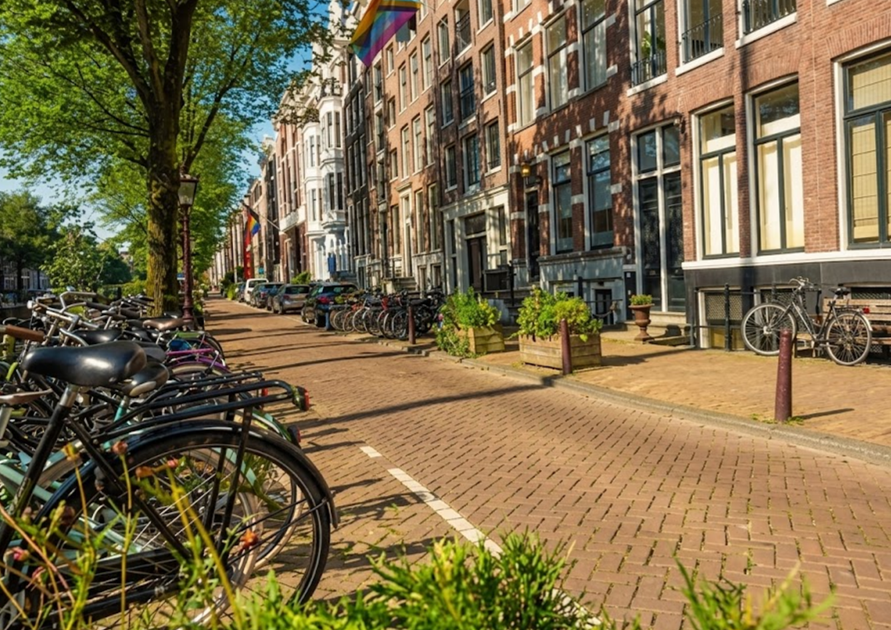
In summer, playgrounds keep children entertained. Bicycles are not available for rent inside the park, but rental shops nearby make it easy to explore both the park and the city.
The Heart of Amsterdam
Vondelpark is more than a green space; it is a cultural mirror of Amsterdam itself. It balances urban life with nature, offering a place where creativity flourishes and community thrives. Many locals pair a park visit with canal cruises or nearby museums, creating a seamless transition from greenery to waterways, from reflection to culture.
To walk through Vondelpark is to step into Amsterdam’s soul. It is a place where the city’s progressive values of accessibility and community gathering are preserved, where generations meet under trees and beside ponds, and where the rhythm of life continues in every season.
Visiting here like a local means seeing beyond the postcard views — it means understanding the park as a living, breathing extension of the city itself.