
Between Haarlem, Zandvoort, and IJmuiden lies a landscape that feels both wild and timeless: Zuid-Kennemerland National Park. Stretching across 3,800 hectares of dunes, beaches, and inner forests, it is one of the Netherlands’ most remarkable nature reserves.
Here, sand and sea have shaped the land for thousands of years, creating habitats where rare plants bloom, herds of European bison roam, and birds nest in shifting dunes. Autumn sharpens the air, paints the forests in copper and gold, and makes every walk feel like a journey into another world.
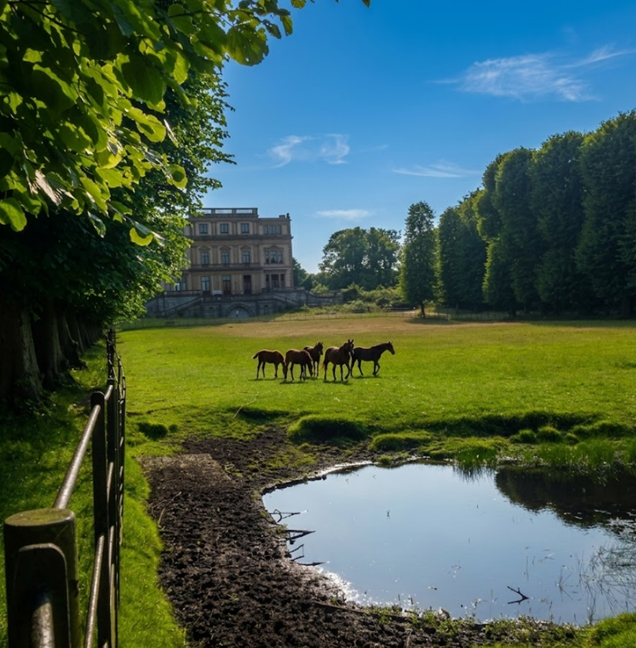
A Protected Wilderness
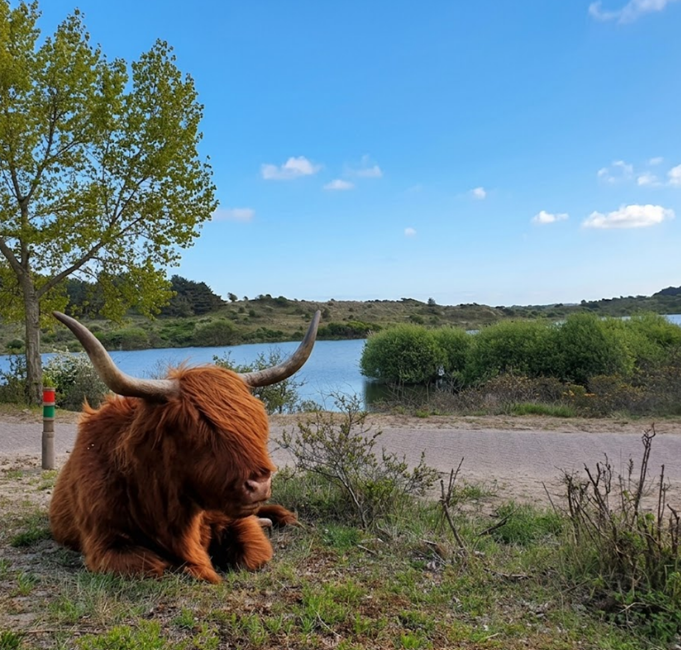
Zuid-Kennemerland is a Natura 2000 area, meaning its biodiversity is carefully protected. More than 100 species of birds live here, alongside roe deer, rabbits, foxes, and large grazers such as Konik horses and Scottish Highlanders. The dunes themselves are alive—constantly shifting under the influence of wind and rain, reshaping the landscape and creating new habitats. Walking through them is to witness nature in motion, a reminder that nothing here is static.
The Kennemerduinen Visitor Centre
At the heart of the park lies the Kennemerduinen Visitor Centre in Overveen. Interactive exhibits reveal the hidden life of the dunes—plants adapted to sandy soils, birds that thrive in coastal winds, and even a stuffed European bison standing as a symbol of the park’s wildness. Families linger here, children playing in the outdoor playground. It is both an introduction and a pause, a place to learn before stepping into the vastness beyond.
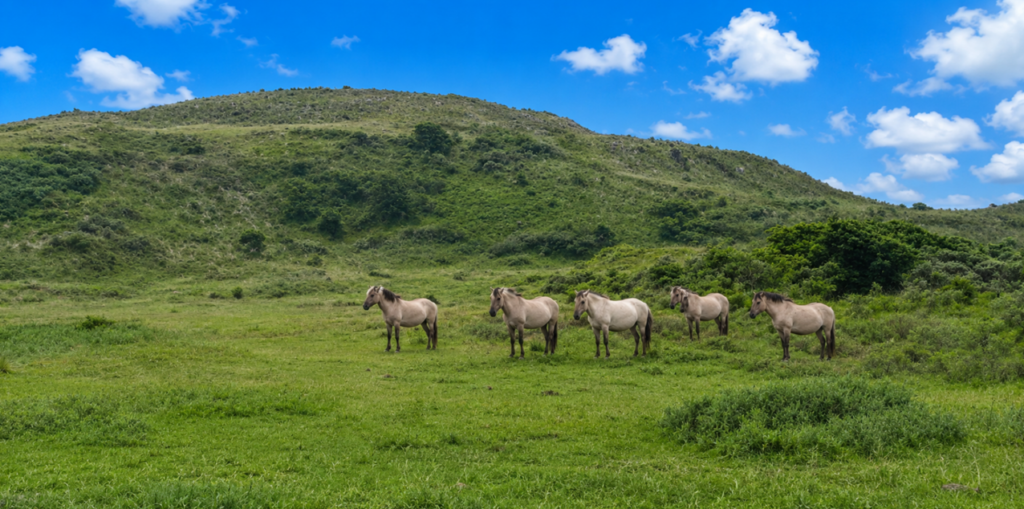
Walking the Konik Route
One of the most rewarding trails begins near the Duin & Kruidberg estate in Santpoort-Noord. Known as the Konik Route, this 9‑kilometer walk winds through varied landscapes—forests of oak and beech, open dunes glowing in autumn light, and meadows where Konik horses graze. The path is well signposted, making it easy to follow, yet every turn feels like discovery. The estate itself adds a touch of history, its grounds blending seamlessly into the natural reserve.
Meeting the European Bison
Perhaps the most unforgettable experience in Zuid-Kennemerland is encountering the European bison. In the Kraansvlak area, herds of these primeval animals roam freely, towering nearly two meters high. Walking across dune tops, visitors may suddenly find themselves face to face with these giants, their presence both humbling and awe‑inspiring.
From September to February, guided walks lead through their habitat, while lookout points offer safe vantage views year‑round. Few places in Europe allow such intimate encounters with these rare creatures.
Wildlife in Abundance
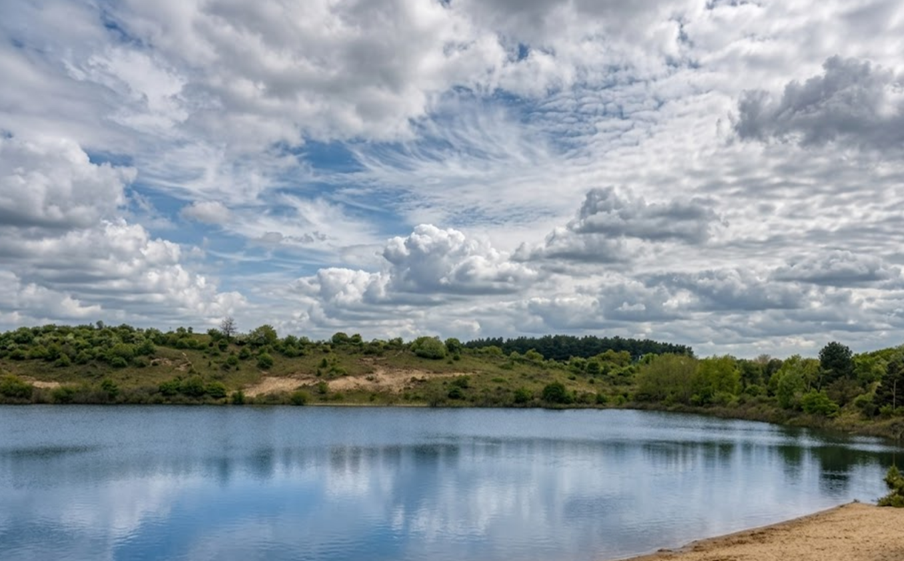
Beyond bison, the park teems with life. Fallow deer rest in shaded groves, rabbits dart across sandy paths, and foxes slip silently through the undergrowth. Birdwatchers delight in spotting spoonbills, wheatears, and even the rare parnassia flower blooming in dune valleys. Butterflies dance above thickets, dragonflies skim over fens, and the air itself seems alive with movement.
Breeding Season
From March to mid‑July, the park becomes a sanctuary for nesting birds. During this breeding season, visitors are asked to stay on marked paths, keep dogs in designated areas, and respect the quiet needed for animals to raise their young. It is a reminder that recreation and conservation must coexist, that the joy of walking here depends on protecting the life that makes the park extraordinary.
Activities and Experiences
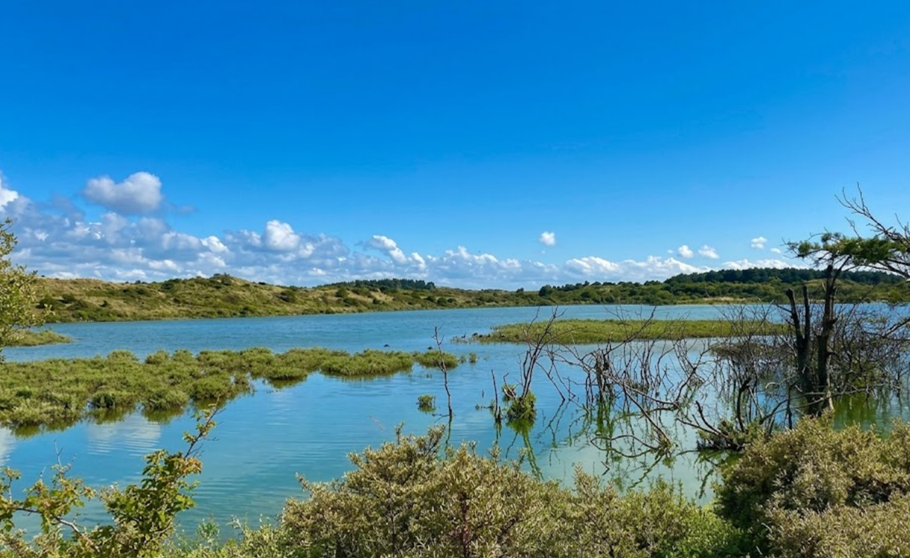
Zuid-Kennemerland is not only for walkers. Cyclists follow paved paths that weave through dunes and forests, horse riders explore sandy tracks, and swimmers find hidden spots where dune lakes shimmer under the sun. At Camping de Lakens, guests receive a dune pass granting access to trails directly from the campsite. Sustainability is central here—the site proudly holds a Green Key certification, balancing hospitality with environmental care.
The Kennemer Dunes – A Living Landscape
Stretching nearly 20 kilometers between Zandvoort and IJmuiden, the Kennemer Dunes are the park’s beating heart. Created by centuries of wind and sea, they serve as natural protection against coastal storms while offering habitats for orchids, dune violets, and countless other species. The dunes are dynamic, reshaped daily by the elements, and walking across them feels like entering a landscape that is both ancient and ever‑new.
Hiking and Cycling Routes
The park offers trails of varying lengths and difficulty, ensuring that every visitor finds a path to suit their pace:
Konik Route (9 km): Through forests and dunes, past grazing Konik horses.
Kraansvlak Bison Trail: Seasonal walks across dune tops to meet European bison.
Estate Walks: Around Duin & Kruidberg, Elswout, and Koningshof, blending history with nature.
Beach Routes: Paths leading directly to wide sandy shores, perfect for ending a walk with a sea view.
Cyclists enjoy long, smooth paths that connect villages and estates, while hikers discover hidden corners where silence reigns.
Cultural History
Zuid-Kennemerland is not only natural but cultural. Estates such as Elswout and Koningshof reveal centuries of Dutch heritage, their gardens and houses standing as reminders of a time when wealthy families shaped the land. Remnants of bunkers from World War II lie hidden among dunes, silent witnesses to history. Walking here is to move through layers of time—prehistoric dunes, medieval estates, wartime defenses—all woven into the present.
Autumn Atmosphere
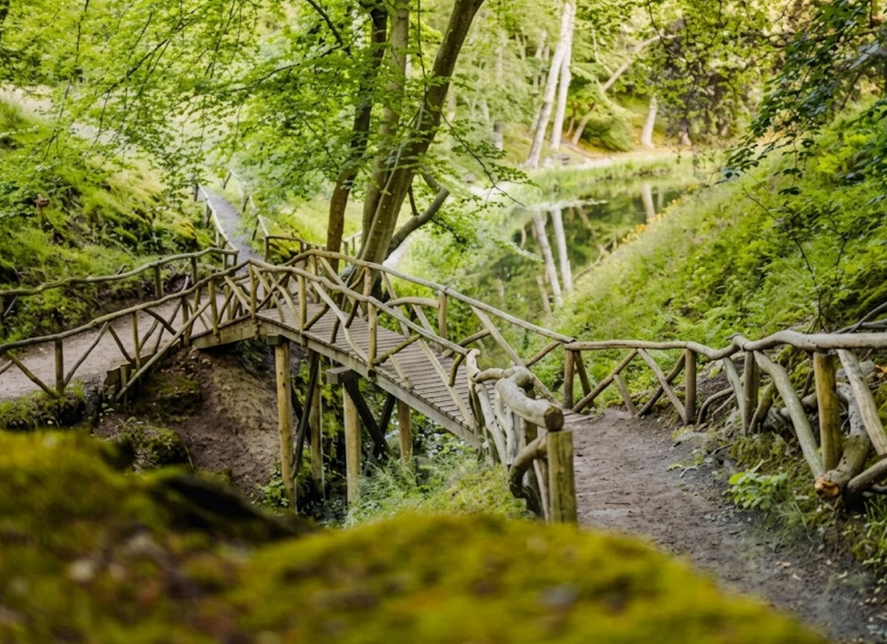
Autumn brings a special magic. Forest edges glow with mushrooms, deer move quietly through golden leaves, and the dunes take on a softer light. The air is crisp, carrying the scent of sea and pine. For many, this is the best season to visit—the crowds of summer gone, the landscape alive with color, and the wildlife more visible as they prepare for winter.
Zuid-Kennemerland National Park is more than a reserve; it is a living landscape where dunes shift, forests breathe, and animals roam freely. It is a place where conservation and recreation coexist, where history and nature intertwine, and where every walk feels like discovery.
Just 45 minutes from Amsterdam, it offers escape into wilderness, a reminder that even in the heart of the Randstad, true nature endures. In autumn, with its fiery palette and crisp air, the park feels especially alive. Whether meeting bison on dune tops, cycling past estates, or simply breathing in the sea‑salted wind, visitors leave with memories that linger—of a landscape both fragile and powerful, both ancient and ever‑changing.