
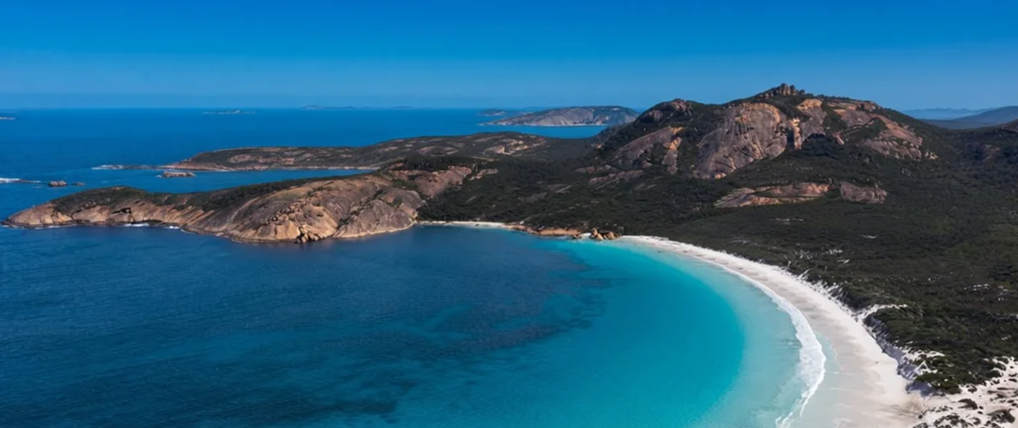
There are places in Western Australia where the land feels raw, untamed, and impossibly beautiful — Cape Le Grand is one of them. Just east of Esperance, granite headlands tumble into the Southern Ocean, beaches stretch out in blinding white arcs, and kangaroos wander down to the shoreline as if they own it.
It’s the kind of destination that makes you forget the rest of the world exists.This is not a quick stop. Cape Le Grand is a place to linger, to breathe in the salt air, to walk until your legs ache, and to wake up with the sound of waves crashing against the shore.
For campers, caravanners, and road‑trippers, it’s one of Western Australia’s crown jewels — a national park that feels both accessible and remote, both welcoming and wild.
Getting There: The Long Road South
Cape Le Grand sits 56 kilometres east of Esperance, sealed road all the way. That accessibility is part of its charm — you don’t need a 4WD just to reach the campgrounds, though once inside the park, the back tracks and beach runs are where the four-wheel drive earns its keep.
Most travellers roll in from Perth, a 720‑kilometre haul down the Coolgardie–Esperance Highway. Caravanners often break the journey over two or three days, weaving through the Wheatbelt or detouring to Wave Rock at Hyden. Coming from the east, Esperance is the natural pause before heading north to Kalgoorlie or west along the coast to Albany.
The drive itself is part of the adventure. Long stretches of road cut through wheat fields, salt lakes shimmer in the distance, and the horizon seems endless. By the time you reach Esperance, the ocean feels like a reward — turquoise water, white sand, and the promise of Cape Le Grand just beyond.
When to Visit: Seasons of the South Coast
The sweet spot lies in the shoulder seasons — March to May, September to November. Days are warm but not scorching, winds soften, and the campgrounds aren’t booked out months ahead. Summer brings crowds and heat, especially in January when school holidays collide with peak tourism.
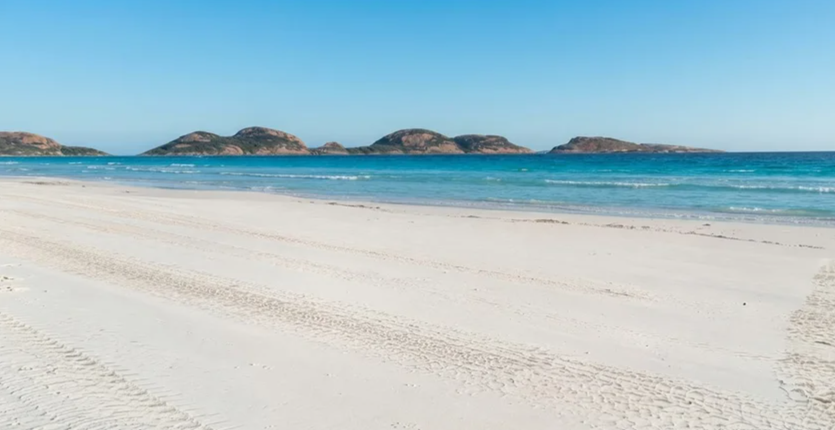
Winter is workable, but expect cold mornings, wet afternoons, and the Southern Ocean kicking up swell that makes beach driving risky. If you’re chasing that iconic kangaroo‑on‑the‑beach photo, set your alarm. Early morning is when they drift down to Lucky Bay, laze in the dunes, and retreat as the campers spill out by mid‑morning.
By 10am, the roos are gone, and the beach belongs to people again.
Park Entry and Camping
Cape Le Grand is managed by the Department of Biodiversity, Conservation and Attractions. Entry fees apply per vehicle per day, but if you’re stringing together a longer trip through WA’s national parks, an annual or four‑week Park Pass quickly pays for itself. Both campgrounds — Lucky Bay and Le Grand Beach — require online pre‑booking.
Walk‑up sites are rare, and rangers enforce the system. Facilities are excellent: communal kitchens with gas cooktops, BBQs, sinks, and clean amenities. Generators are allowed within fixed hours, pets are banned, and campfires are prohibited year‑round. Plan your cooking around a gas stove or the provided BBQs — it’s part of the off‑grid rhythm here.
Lucky Bay: Australia’s Whitest Sand
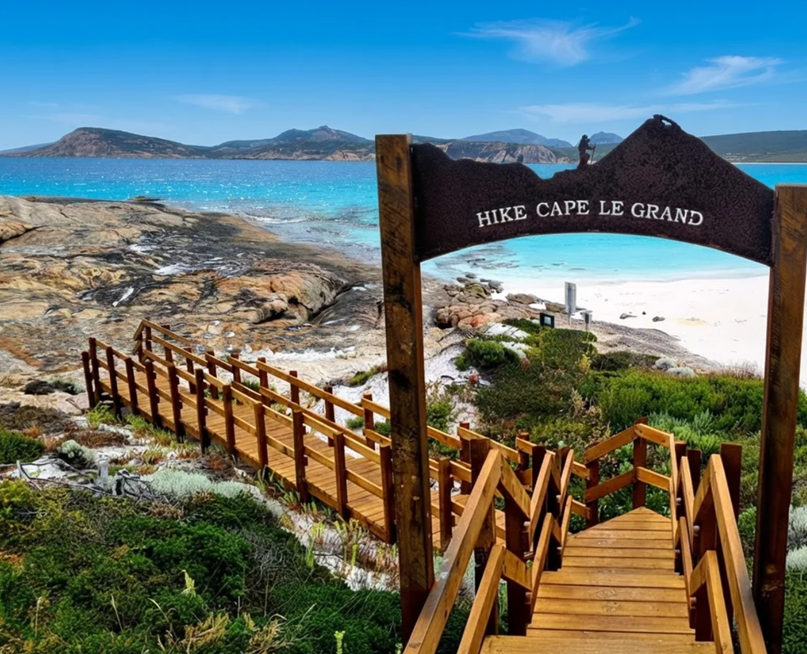
Lucky Bay is the headline act. The sand is so white it squeaks underfoot, the water so clear it looks unreal, and the kangaroos so relaxed they’ll happily sprawl beside your towel. It’s one of those rare places where the hype is justified. The beach is formally accessible for 4WD vehicles, but the sand is hard‑packed enough that many drive 2WD cars along it.
Sunrise is the magic hour — the light softens, the roos wander down, and the beach feels like a secret shared only with those willing to wake early. Camping here means waking up to ocean views, cooking breakfast with kangaroos nearby, and falling asleep to the sound of waves. It’s busy, yes, but it’s also unforgettable.
Other Beaches: Hidden Gems
Lucky Bay may be the star, but Cape Le Grand is full of supporting acts. Hellfire Bay — a curve of sand framed by granite, perfect for swimming and picnics. Thistle Cove — dramatic rock formations and a quieter vibe. Le Grand Beach — the western edge of the park, accessible by 4WD. Rossiter Bay — the eastern edge, remote and wild.
Each bay has its own character, its own rhythm. Some are calm and sheltered, others open to the swell. Together they form a coastline that feels endless, each turn revealing another postcard view.
Frenchman Peak: Sunrise from the Cave
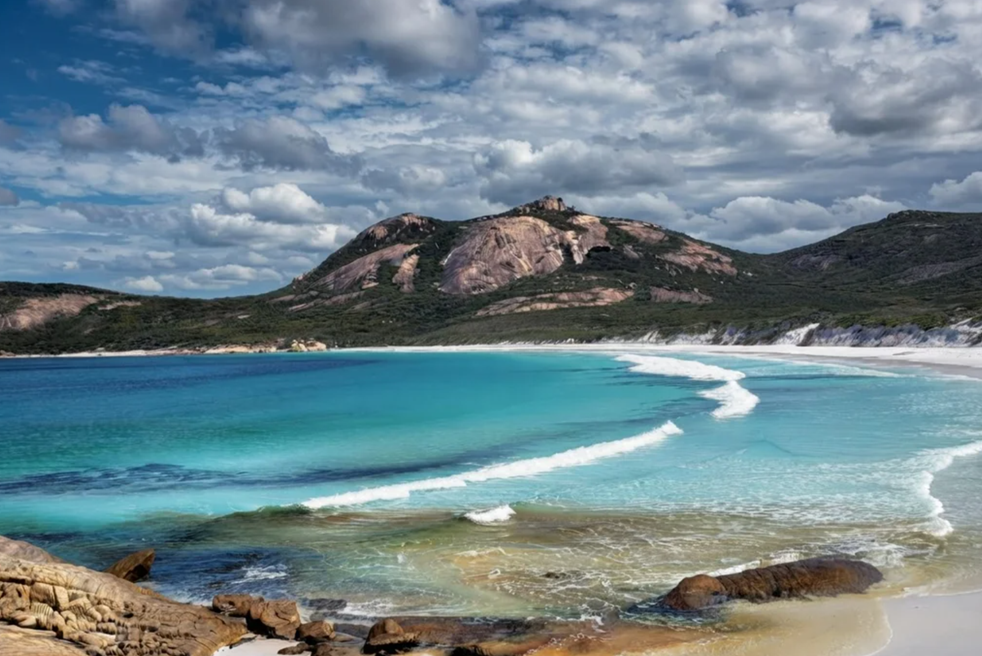
For hikers, Frenchman Peak is the must‑do. Rising 262 metres above the park, it’s a granite dome with a cave just below the summit. At dawn, the cave fills with light, rays streaming through from one side to the other. It’s a spectacle worth the early alarm. The hike itself is short but steep — 3 kilometres return, about an hour.
The trail is class 4, meaning it requires care, but the reward is immense. Standing in the cave as the sun rises, watching the park wake up, is one of Cape Le Grand’s defining experiences.
The Coastal Track: Walking the Bays
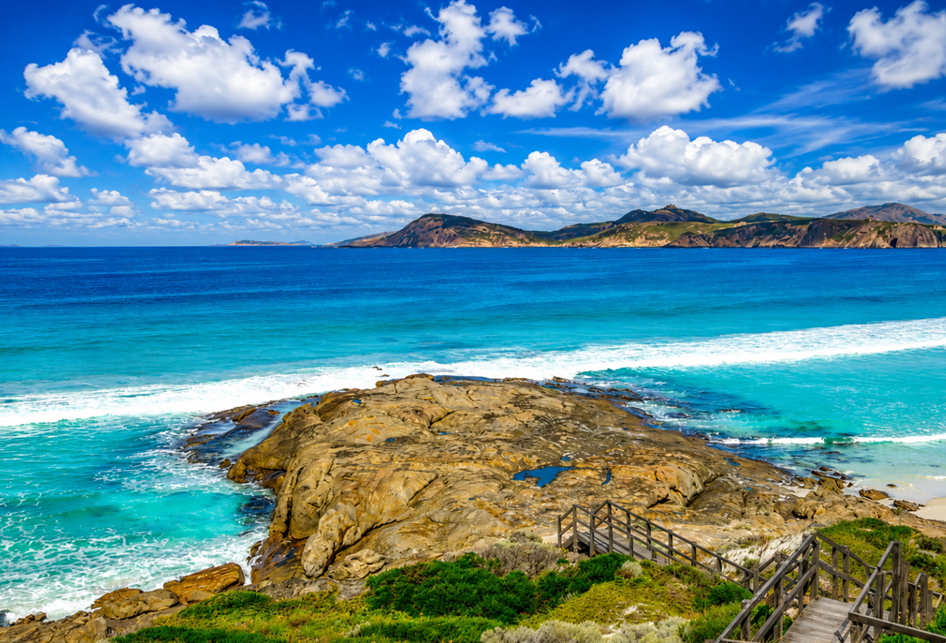
The Coastal Track runs 17 kilometres one way, linking Le Grand Beach to Rossiter Bay. It passes through Hellfire Bay, Thistle Cove, and Lucky Bay, weaving along headlands and dunes. Yes, you can drive to each bay, but walking connects them in a way that driving never can. You see the flora up close, discover hidden coves, and feel the rhythm of the coastline.
It’s a full‑day hike — seven hours one way — but sections can be done individually if the distance feels daunting.
Off‑Grid Living: What to Pack
Cape Le Grand is remote. There’s no visitor centre inside the park, no shops, no petrol stations. Stock up in Esperance or Condingup before you arrive. Bring enough food, water, and fuel to last your stay. Connectivity is limited. Mobile signal fades as you leave Esperance and disappears inside the park.
For many, that’s part of the appeal — a forced digital detox, a chance to disconnect. Essentials include: Gas stove or BBQ (campfires banned). Extra water (showers are limited). Shade for the campsite (summer sun is fierce). Recovery gear if beach driving (snatch strap, shovel, compressor). A good camera — because you’ll want to capture it all.
Why Stay Longer
Cape Le Grand isn’t a quick day trip. It’s a place to linger — to hike Frenchman Peak at dawn and watch the cave fill with light, to wander the Coastal Track linking bay after bay, to drive the hard‑packed sand of Lucky Bay with the ocean glittering beside you.
Three days is enough to taste it, but a week lets you sink into the rhythm of the park: mornings with kangaroos, afternoons on the trails, evenings under a sky so clear it feels endless.
Final Thoughts
Cape Le Grand is one of those rare places where the photos undersell the reality. The beaches are brighter, the granite peaks sharper, the wildlife more present. It’s Western Australia at its wildest, and if you’re willing to go off‑grid for a few days, it will stay with you long after you’ve left.