
There are places in the world where the land itself seems to demand reverence—where cliffs rise like cathedral walls, rivers carve ancient stories into stone, and the horizon stretches so far it feels like eternity. The Kalbarri Skywalk in Western Australia is one of those rare places.
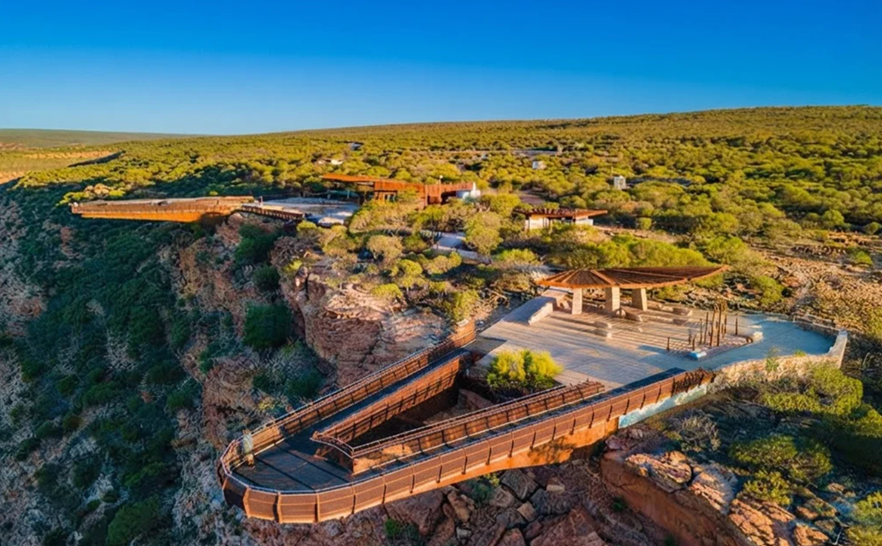
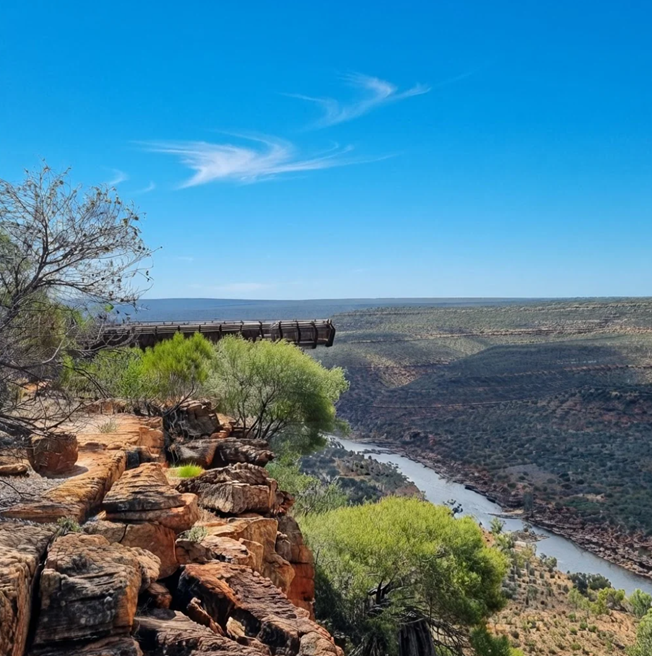
Suspended more than 100 metres above the Murchison River Gorge, its twin steel platforms invite you to step out into the void, to feel the wind tugging at your clothes, and to see the world from a perspective that is both humbling and exhilarating. This is not just a lookout. It is an experience of geology, culture, and awe.
And if you’re planning a visit, here’s everything you need to know—woven into a narrative that captures the spirit of the journey.
The Road to Kalbarri
The journey begins long before you set foot on the Skywalk. From Perth, it’s a six-hour drive north along Australia’s Coral Coast, a road trip that feels like a pilgrimage through shifting landscapes. One moment you’re skimming past turquoise seas, the next you’re swallowed by red desert plains dotted with scrub.
If you prefer to shorten the drive, you can fly to Geraldton and continue by car for two hours. But most travellers choose the road trip—it’s part of the adventure, a slow immersion into the rhythms of Western Australia. From Kalbarri town, the Skywalk is just 30 minutes away. The road is fully sealed, suitable for campervans and small cars alike.
Signs guide you unerringly to the park entrance, where a fee of $17 per vehicle (2024 pricing) grants access to the vast wilderness of Kalbarri National Park.
A Place of Culture and Story
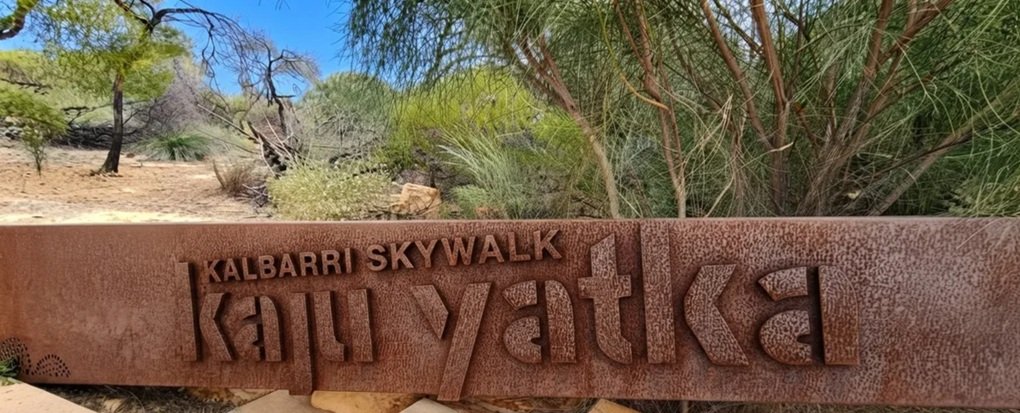
The Skywalk is not only a marvel of engineering—it is a place of deep cultural resonance. The land belongs to the Nanda people, whose stories are etched into its cliffs and woven into its Dreamtime. As you wander the pathways, look for the serpent motif carved into the ground, a reminder of the ancestral beings who shaped this gorge.
Interpretive signs scattered across the site tell the story of the land’s geology and heritage. They invite you to pause, to listen, and to understand that this is not just scenery—it is sacred country.
The Skywalk Experience
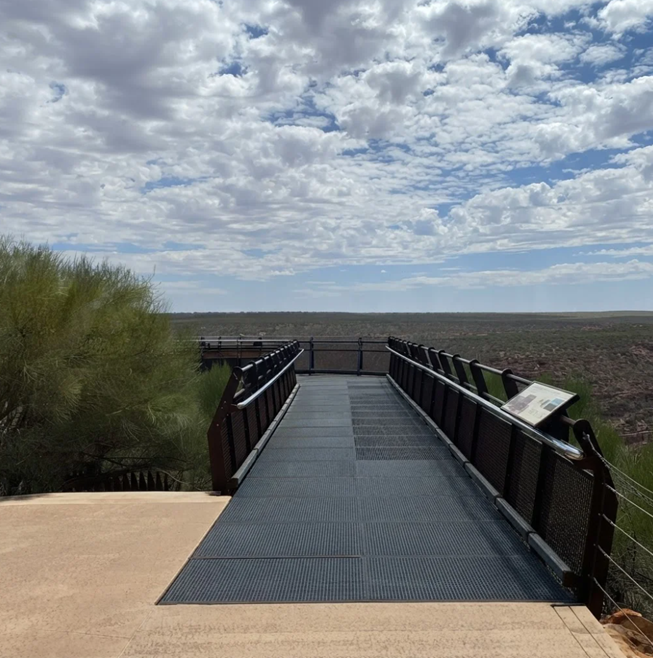
The Skywalk itself comprises two cantilevered platforms, one extending 25 metres, the other 17 metres. Both jut out boldly over the gorge, their steel mesh floors allowing you to peer straight down into the abyss. Walking out onto the larger platform feels like stepping into thin air.
The gorge yawns beneath you, its sandstone walls glowing in shades of ochre and crimson. The Murchison River snakes below, a silver thread winding through the ancient rock.It is a place that demands silence. Even the chatter of tourists seems to fade, replaced by the rush of wind and the quiet immensity of the view.
When to Visit
Timing shapes the experience:
May–September: Mild weather, clear skies, and wildflowers blooming in August and September.
Summer months: Hot, dry, and buzzing with flies—bring a fly net if visiting between November and April.
Sunrise or sunset: The gorge glows gold and crimson, wildlife stirs, and the light feels almost sacred. At night, the Skywalk becomes a stargazer’s perch. On clear evenings, the Milky Way spills across the sky, and the gorge below disappears into shadow, leaving you suspended between stars and stone.
Practical Details
Entry fee: $17 per vehicle (2024 pricing).
Opening hours: Open 24 hours, though daylight visits are safest due to wildlife on the roads.
Time needed: 30 minutes to 1 hour to wander, read the displays, and soak in the views.
Height: Over 100 metres above the river gorge.
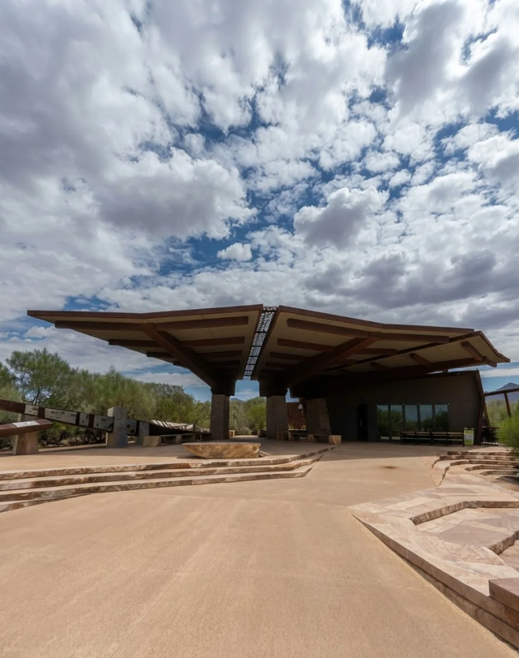
Amenities include composting toilets, shaded picnic tables, and non-potable water taps. The site is fully accessible, with wheelchair-friendly paths leading from the car park to the platforms.
Beyond the Skywalk
Just five minutes away lies Nature’s Window, a sandstone arch that frames the gorge like a painting. It is one of Western Australia’s most photographed landmarks, and the short hike to reach it is a must. Kalbarri National Park itself sprawls across nearly 2,000 square kilometres.
Its jagged Tumblagooda sandstone cliffs march along the Coral Coast, while more than 800 species of wildflowers bloom across its plains—21 of them found nowhere else on earth. Other highlights include the Natural Bridge, Z-Bend Gorge, and the coastal cliffs where waves crash against red rock. Each site feels like a different chapter in the park’s story.
Tips for Visiting
Twin platforms: Don’t just stop at the first Skywalk—walk out onto both for different perspectives.
Bring water: There is no drinking water in the park, so carry enough to stay hydrated.
Photography: The Skywalk is a photographer’s dream. Sunrise, sunset, and even night skies offer endless opportunities.
Drone use: Permitted, but follow guidelines to protect the environment and respect other visitors.
Tours: Consider joining a guided tour, such as D’Guy Charters’ sundowner and stargazing trip, for added insight and convenience.
Final Thoughts
Standing on the Kalbarri Skywalk feels like floating above time itself. The gorge whispers stories of ancient rivers, Indigenous heritage, and the relentless forces of geology. Whether you arrive at dawn, dusk, or under a canopy of stars, it is a place that lingers long after you’ve left.
If you’re planning a road trip along Western Australia’s Coral Coast, make sure the Skywalk is not just a stop, but a highlight. Pair it with wildflower walks, stargazing tours, and the unforgettable view through Nature’s Window—and you’ll carry Kalbarri’s magic with you long after the journey ends.