
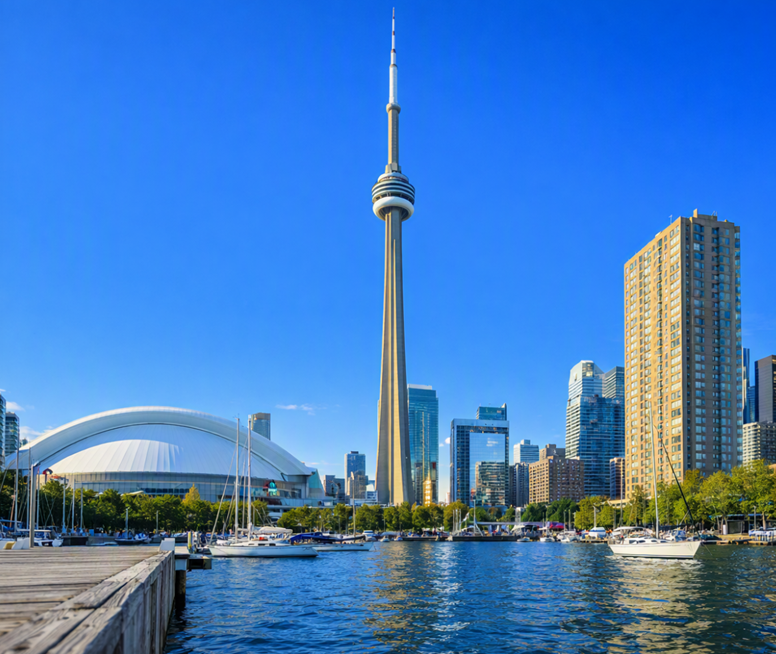
Toronto’s waterfront is not a single stretch of shoreline but a living corridor, a ribbon of lake and city that runs forty‑seven kilometre from Etobicoke to the Rouge River. Yet it is Downtown where the pulse is strongest, where the boardwalk bends around marinas and art spaces, where the skyline leans close to the water and the lake answers back with light.
Practical Notes
Weekdays and early mornings bring quieter paths. Summer and early fall are vibrant but crowded. TTC streetcars (509 and 510) connect Union Station to Bathurst and Spadina. Cycling along the Martin Goodman Trail offers a scenic way to link attractions.
Toronto’s South Bank is more than a waterfront; it is a dialogue between lake and city, art and leisure, nature and architecture. To walk here is to feel the city’s stature reflected in Lake Ontario, a body of water that has always connected people from near and far, and continues to do so with every ripple against the shore.
Toronto’s waterfront is not simply a shoreline; it is a living theatre where the city and Lake Ontario meet in a constant exchange of light, sound, and movement. Stretching forty‑six kilometres from Etobicoke to the Rouge River, it is one of North America’s most expansive urban waterfronts.
Yet Downtown is its most concentrated stage, where boardwalks, art galleries, parks, and marinas converge into a rhythm of culture and leisure.
The Beginning: Jack Layton Ferry Terminal
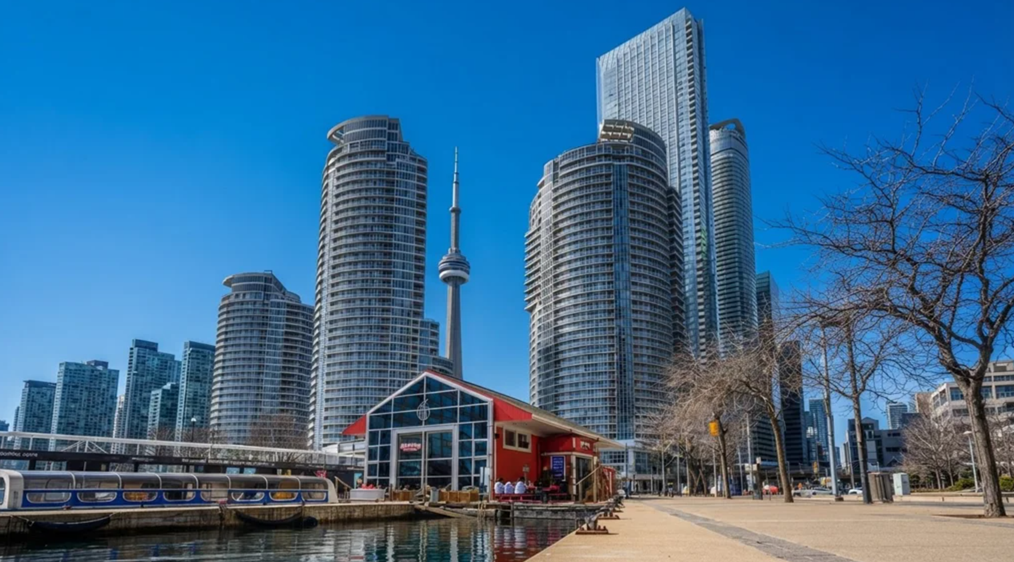
The journey begins at the Jack Layton Ferry Terminal, where ferries glide across the lake toward the Toronto Islands. Between these points lies a sequence of experiences that unfold like chapters in a book, each with its own rhythm and mood.
Streetcars vibes along Queens Quay, water taxis dart toward hidden coves, and the city’s South Bank becomes a stage for art, leisure, and contemplation. The air here is filled with anticipation: families with picnic baskets, cyclists wheeling their bikes aboard, couples leaning against railings as the skyline recedes.
The terminal is not just a point of departure but a threshold, a reminder that Toronto’s waterfront is both gateway and gathering place. From here, the boardwalk stretches westward, shaded by trees and punctuated by sculptures. It is a promenade where locals pause with novels, where joggers trace the curve of the lake, and where the city’s pulse slows to match the rhythm of the waves.
The Boardwalk and Sundial Folly
The boardwalk is more than a path; it is a spine that connects the waterfront’s attractions. At Harbour Square Park, the Sundial Folly interrupts the view: a concrete sphere with a hollowed centre, framing the lake like a lens. Created in 1995 by John Fung and Paul Figueiredo, it is sculpture without function, yet its presence is magnetic.
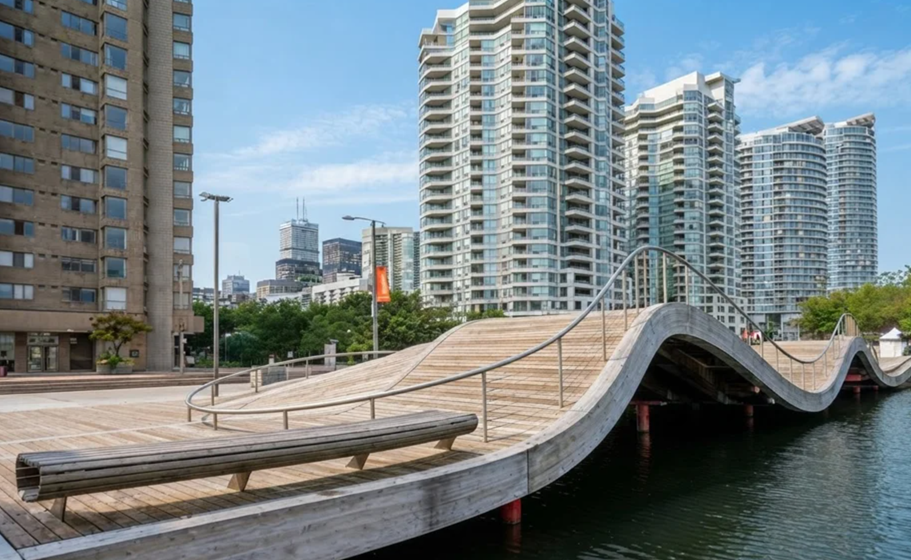
Children climb its edges, photographers crouch to capture its aperture, and passersby pause to look through its opening as though peering into another world. The boardwalk continues past marinas, looping around cafés and activity stands. Along the way, three WaveDecks ripple out from the sidewalk, wooden curves that mimic the motion of waves.
They break the monotony of straight lines, offering playful spaces where people sit, stretch, and watch the water.
The Power Plant Contemporary Art Gallery
At 231 Queens Quay West, the Power Plant Contemporary Art Gallery rises from its industrial past. Once a power station, its brick tower now signals creativity rather than utility. Inside, exhibitions rotate with the seasons, presenting works by Canadian and international artists.
The gallery is free to enter, and its gift shop extends the experience with curated pieces for purchase. The Power Plant is not just a gallery but a cultural anchor. Its exhibitions often respond to social currents, offering perspectives that challenge and inspire.
Visitors leave not only with images in their minds but with questions, reflections, and a sense of art as dialogue.
Harbourfront Centre
Spread across ten acres, Harbourfront Centre is a campus of culture. Workshops, summer camps, and exhibitions fill its calendar, while its outdoor stage hosts performances that reflect Toronto’s diversity. The Centre is a place of participation. Children paint in workshops, adults attend lectures, and audiences gather for theatre. It is a reminder that culture is not passive but lived, shared, and celebrated.
Seeing the Waterfront from the Lake
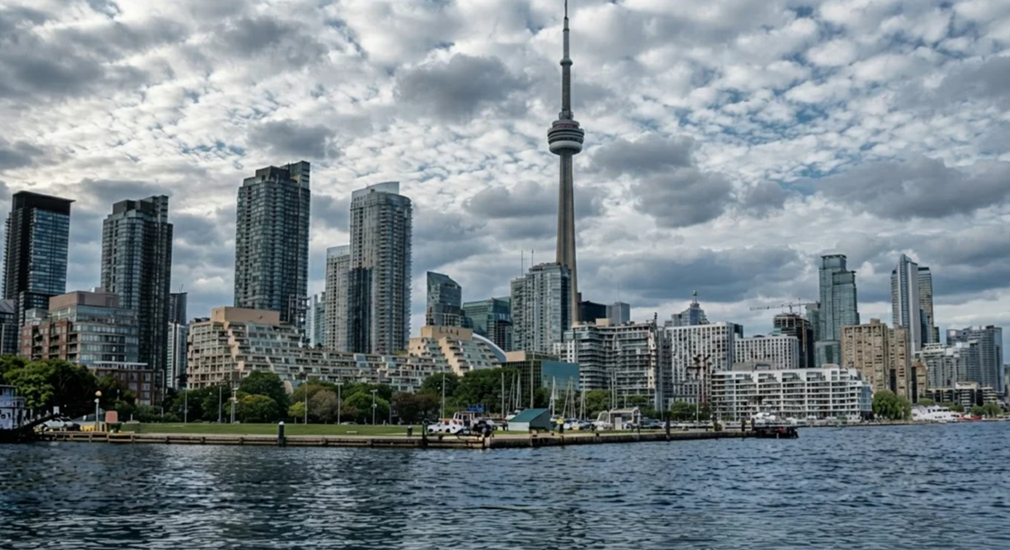
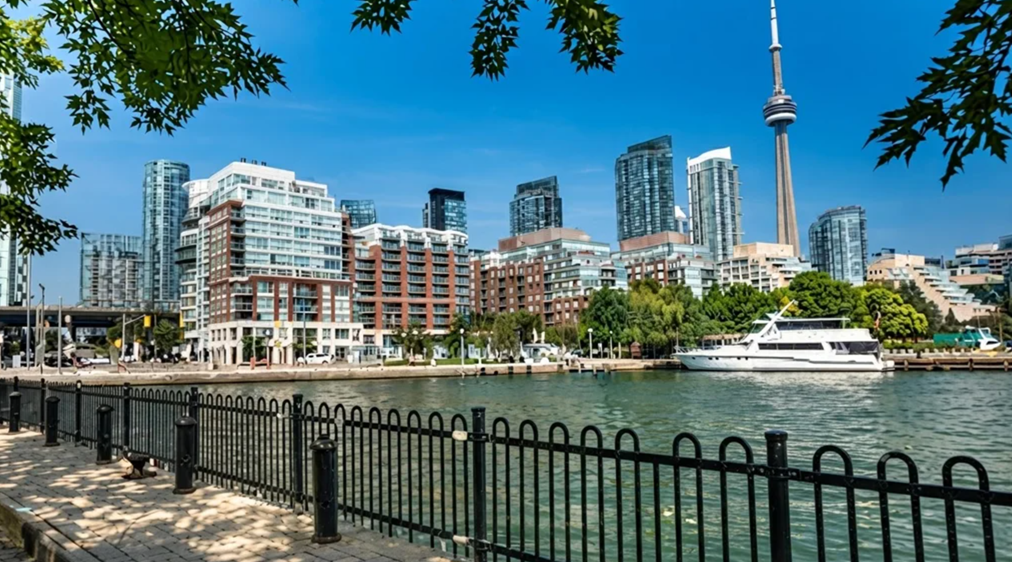
The lake itself is a stage. Boat tours depart from the boardwalk, circling the Toronto Islands and offering views of the skyline that shift with the light. The Tall Ship Kajama, a three‑masted schooner, sails past the outer islands, its sails billowing as guests lend a hand with the rigging. For a different mood, Toronto Palapa Tours departs from HTO Park.
Its vessel is a floating tiki hut, meeting sunset skies. As the boat navigates narrow waterways, wildlife appears close: herons lifting from reeds, swans gliding past, raccoons peering from branches. At dusk, the sky becomes a canvas of colour, and the city’s lights shimmer against the water.
Kayak and Paddle
Since 1985, the Harbourfront Canoe & Kayak Centre has guided paddlers into the Islands’ waterways. Rentals, lessons, and group excursions make the lake accessible to beginners and seasoned kayakers alike. The experience is intimate: the dip of a paddle, the silence of water, the sudden appearance of a turtle basking on a log.
Wildlife thrives here. Blue and green herons stalk the shallows, painted turtles sun themselves, swans glide with elegance, and beavers leave ripples in their wake. The lake becomes not just scenery but habitat, a reminder that nature persists even at the city’s edge.
HTO Park
HTO Park is Toronto’s urban beach, a play on H2O and TO. On the East side, yellow umbrellas and Muskoka chairs scatter across sand, creating a whimsical landscape. Grassy hills connect the boardwalk to the city, shaded by trees that invite rest. Even in winter, when ice seals the lake, the park holds its calm, its umbrellas standing like sentinels against snow.
HTO Park West is greener, quieter, less photogenic but more contemplative. It is a place where locals retreat from crowds, where the lake’s presence is felt in silence rather than spectacle.
Sugar Beach
Further east, Sugar Beach offers pink umbrellas and white sand, a playful counterpoint to the industrial backdrop of the Redpath Sugar Refinery. Ships unload raw sugar nearby, their presence adding an unexpected texture to the scene. It is not a swimming beach but a place for relaxation, picnics, and people‑watching.
Sugar Beach embodies Toronto’s ability to blend whimsy with industry, leisure with labour. It is a reminder that the waterfront is not only natural but shaped by human hands, and that beauty can emerge from contrasts.
Tommy Thompson Park
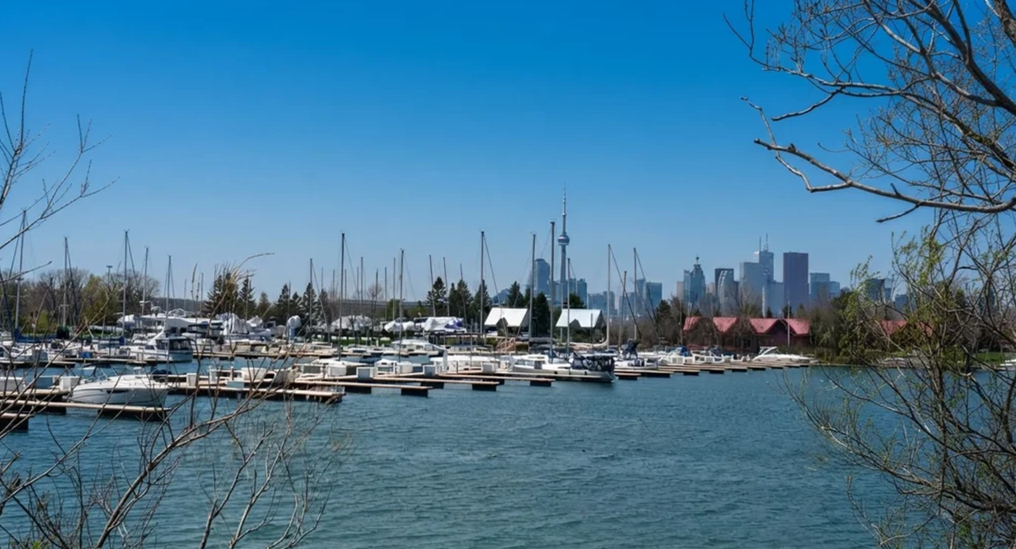
Beyond Sugar Beach lies Tommy Thompson Park, a man‑made peninsula extending into Lake Ontario. Known as the Leslie Street Spit, it is a wilderness pressed against the city. Trails wind through habitats rich with birds, making it a prime spot for birdwatching.
Cyclists and hikers find here a retreat where skyline views meet natural silence. The park is a paradox: constructed from rubble and landfill, yet now a sanctuary for wildlife. It is a reminder that nature can reclaim, adapt, and flourish even in places born of industry.
Small Businesses and Cultural Flourish
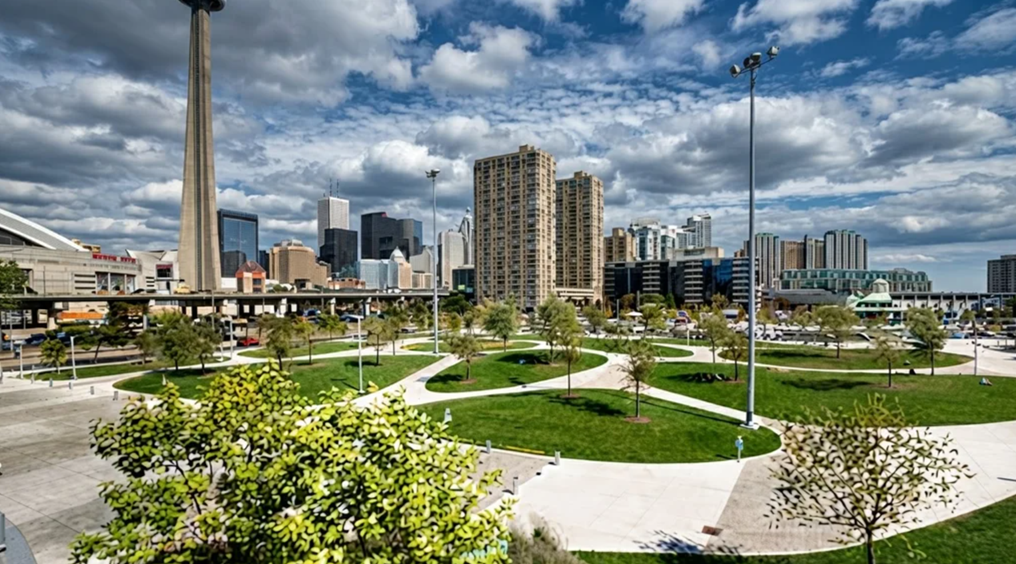
What defines the waterfront is not corporate gloss but independent spirit. Boxcar Social’s Harbourfront SHOP curates artisanal goods, its shelves shaped by artists‑in‑residence. Products range from children’s toys, each item carrying the imprint of creativity.
The Power Plant continues to challenge and inspire, while boutiques weave local character into the shoreline. The emphasis is on cultural programming, on experiences that connect people rather than commodify them.
The Atmosphere of the Waterfront
Toronto’s South Bank is more than a collection of attractions. It is an atmosphere, a rhythm that shifts with the seasons. In summer, the boardwalk hums with activity, music drifts from Harbourfront Centre, and kayaks cut across the lake. In winter, snow muffles the shoreline, yet HTO Park’s umbrellas stand bright against the white, and the lake’s frozen expanse becomes a canvas of silence.
The waterfront is a dialogue between city and lake, art and leisure, nature and architecture. To walk here is to feel Toronto’s stature reflected in Lake Ontario, a body of water that has always connected people from near and far.
Closing Reflection
Toronto’s waterfront is not a destination but a journey, a sequence of experiences that unfold with each step. From the Sundial Folly to Sugar Beach, from the Power Plant to Tommy Thompson Park, it is a place where culture, nature, and community converge.