
Algonquin is more than a provincial park. It is a vast wilderness, a country unto itself, stretching across 7,635 square kilometres of boreal forest, rivers, and the ancient rock of the Canadian Shield. It is the oldest provincial park in Ontario, the first of its kind in Canada, and still the most iconic.
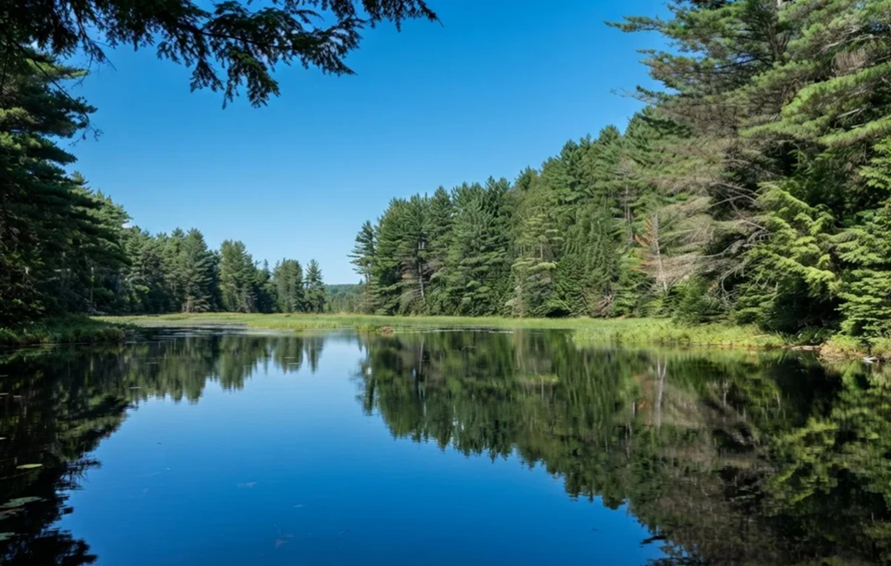
To step into Algonquin is to step into a landscape that defines the province — rugged, immense, and endlessly alive. The scale alone is staggering. You can paddle for a week and never see the same shoreline twice. You can hike for a day and stand on ridges that reveal the immensity of the park, where lakes glitter like mirrors and forests roll away into the horizon.
It is a place where moose wander the marshes, loons call across the water, and beavers leave their mark on quiet ponds. For many, it is the best chance to see Ontario’s wildlife in its natural setting.
The Journey North
From Toronto, the drive to Algonquin is part of the ritual. Highway 60 leads east into rolling countryside, past farms and small towns, until the forest begins to close in. The West Gate of the park lies roughly 260 kilometre from the city, a two‑and‑a‑half to three‑hour drive depending on traffic. There is no train, no bus, no easy shortcut.
To reach Algonquin, you need wheels — a car, a charter, or a group with transport arranged. For those who travel with outfitters like Wilderness Union, the journey is simplified. A mini-coach carries visitors from the city to the park, removing the logistics of rental cars and permits. You show up, they drive. It is the easiest way to reach a place that otherwise demands planning.
Trails That Define the Park
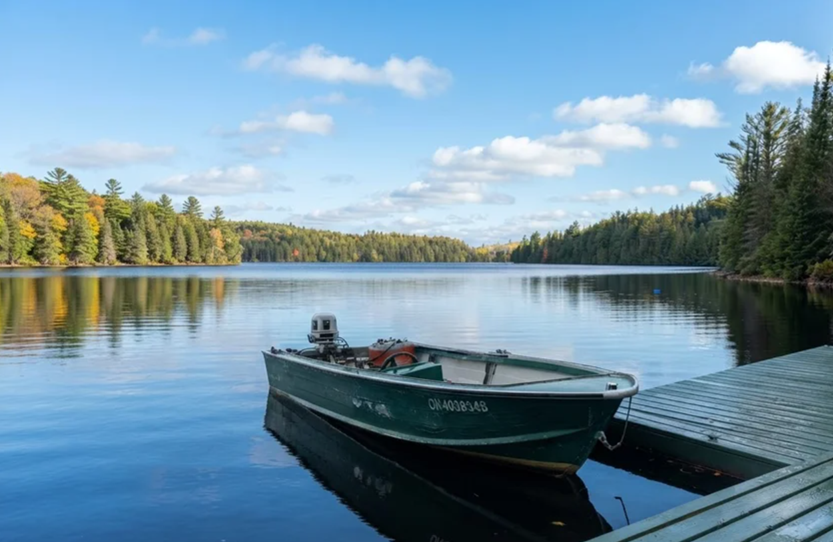
Algonquin’s Highway 60 corridor offers some of the finest day hikes in Ontario. Within reach of Toronto, these trails deliver experiences that feel far removed from the city. Centennial Ridges is the crown jewel. A 10‑kilometre loop that climbs nearly 500 metre, it offers sweeping views across the park.
On a clear day, the ridges reveal dozens of kilometre in every direction, a panorama of forest and water that stops you in your tracks. It is a full day’s hike, demanding but rewarding, and one that requires preparation — water, food, and a permit reserved in advance. For those seeking something shorter, the Lookout Trail is a perfect choice.
Just over two kilometre, it climbs quickly to a vantage point over a lake‑studded valley. The view is dramatic, accessible to most fitness levels, and achievable in under an hour. The Track and Tower Trail offers a quieter experience. Winding through mixed forest, it reveals the Canadian Shield up close — rocky outcrops, wetlands, and signs of wildlife.
Beavers, otters, and moose tracks are common here, making it one of the best trails for those who want to feel immersed in the ecology of the park. Beaver Pond Trail, though shorter, is a favorite for families and first‑time visitors. Boardwalks cross wetlands alive with beaver activity, and the loop offers a gentle introduction to Algonquin’s landscapes.
It is proof that even the smallest trails can deliver memorable encounters.
Preparing for the Wilderness
Algonquin is not a city park. A day here demands preparation. Water is essential — at least a litre, ideally more. Food for the day, plus snacks, ensures energy for long hikes. Layers are necessary, as the park runs cooler than Toronto, especially in spring and fall. Bug spray is vital from May through August, when black flies and mosquitoes are relentless.
In shoulder seasons, ice spikes help on slippery Shield rock. And maps, downloaded in advance, are crucial, as cell service fades quickly inside the park. The essentials are simple: sturdy footwear, layered clothing, enough food and water, and awareness of the conditions. With these, the wilderness becomes accessible.
Seasons of Algonquin
Each season transforms the park, offering a different kind of beauty.Summer is alive with activity. Families fill the campgrounds, paddlers explore the lakes, and trails vibes with visitors. Warm weather makes the interior accessible, though it also brings crowds. It is the season of canoe trips, swimming, and long evenings by the fire.
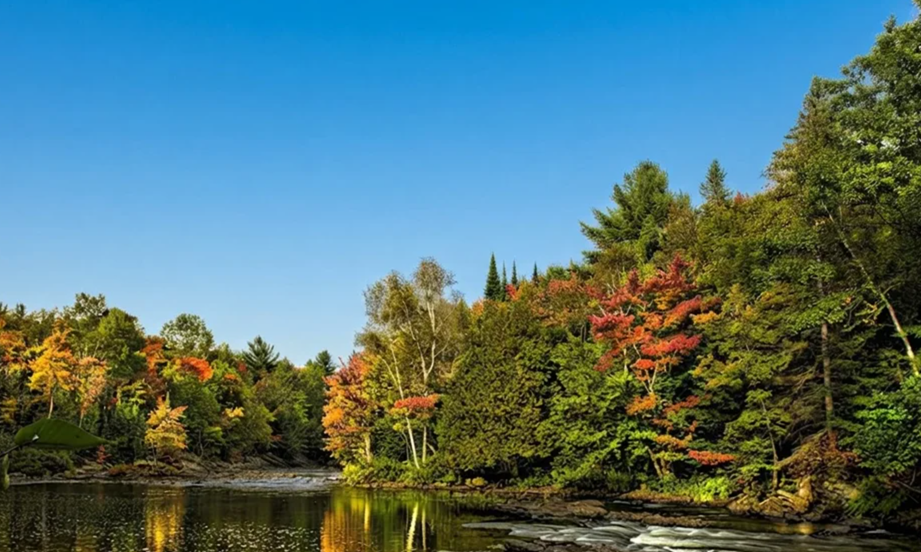
Fall is the spectacle. From late September to mid‑October, the forest ignites in color — maple, birch, and oak painting the hillsides in red, orange, and gold. Reflections shimmer in the lakes, and the air is crisp, perfect for hiking. Crowds gather, but the experience is worth it. The colors are among the most extraordinary natural displays in Ontario.
Winter is the park at its quietest. Snow blankets the forest, lakes freeze into silence, and pine martens dart through the trees. Trails become routes for snowshoeing and skiing, and the wilderness feels profoundly peaceful. It is a season for those who seek solitude, prepared with the right gear and experience.
Spring is renewal, though not without challenge. Black flies emerge in May and June, making the season notorious. Yet the forest comes alive, rivers swell with meltwater, and wildlife is active. For those prepared, spring offers its own rewards.
The Culture of Camping
Camping in Algonquin is a tradition. The park’s campgrounds are popular, and securing a site requires planning. Reservations open five months in advance, and summer sites are claimed quickly. At 7 a.m., logged in and ready, visitors compete for spots in a ritual that feels almost competitive. Permits are essential.
Overnight stays require camping permits, whether in campgrounds or the backcountry. Day use requires a separate permit, unless you already hold one from another Ontario park, which can be honored here. Scenic drives through the park are free, but stopping, even briefly, requires a permit. The system is now paperless.
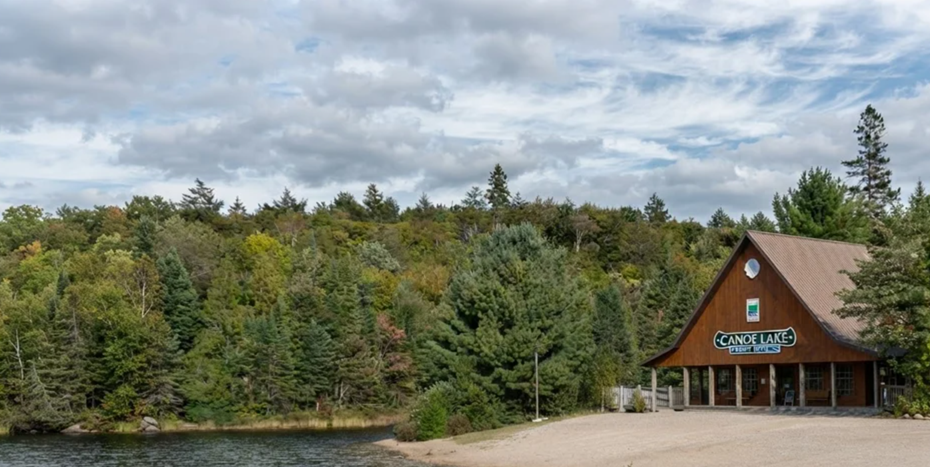
Those who preregister online can drive straight in, without stopping at the office. For others, check‑in is at the East or West Gate along Highway 60, where large parking lots accommodate RVs and trailers. Smaller campground offices may be unattended, even in summer, so the main gates are the safest option.
Wildlife Encounters
Algonquin is alive with animals. Moose are the headline, often seen near lakes and rivers at dawn or dusk. Loons call across the water, their voices haunting and beautiful. Beavers leave dams and lodges in quiet ponds. White‑tailed deer move through the forest, and black bears, though present, are rarely an issue on day hikes.
For those who venture deeper, the encounters become more intimate. Otters play in streams, wolves roam the interior, and pine martens appear in winter. The park is a living ecosystem, and every visit offers the chance to witness it.
Group Travel and Solitude
Algonquin is best experienced with good company. Organizing a trip alone means coordinating transport, permits, and logistics, all of which can consume time. Travelling with a group simplifies the process. Outfitters handle transport, permits, and guidance, allowing visitors to focus on the experience. Yet solitude has its place.
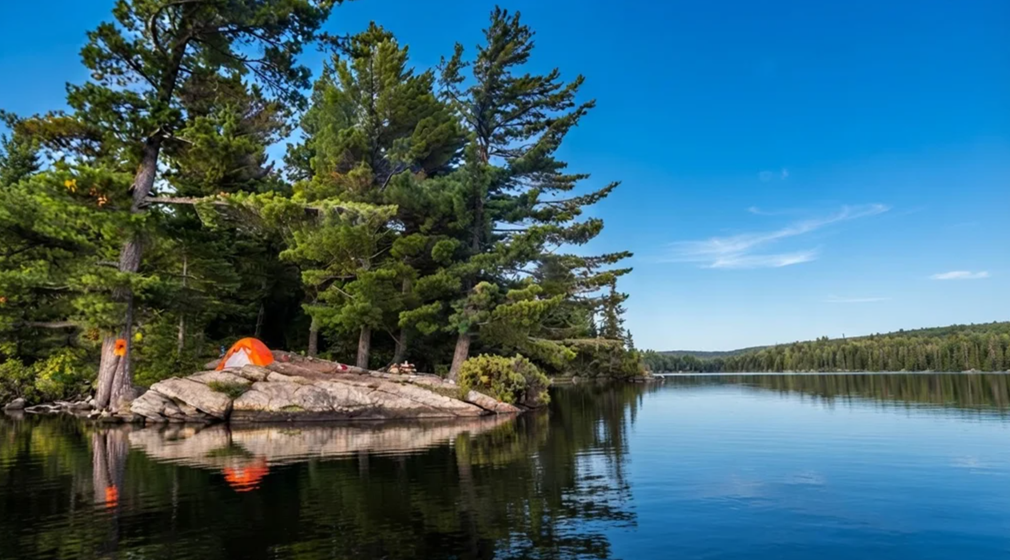
For those who seek quiet, the backcountry offers isolation. Canoe routes lead deep into the park, where campsites sit on remote lakes and nights are filled with stars. It is a different kind of experience, demanding preparation but rewarding with peace.
The Rhythm of the Park
Algonquin is not static. It changes with the seasons, with the weather, with the time of day. Morning mist rises from the lakes, evenings glow with sunset, and nights reveal skies untouched by city light. Each visit feels unique, shaped by the conditions and the choices made.
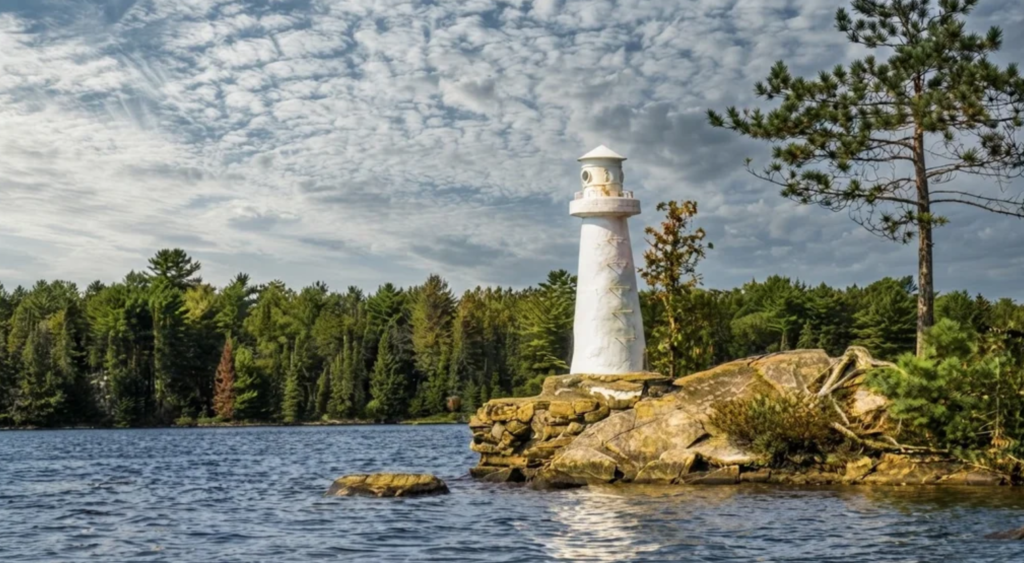
It is a place where Ontario reveals itself — vast, rugged, and beautiful. A place where history and nature intertwine, where the Canadian Shield stands exposed, and where thousands of lakes reflect the sky.
The Enduring Appeal
Why does Algonquin endure as Ontario’s crown jewel? It is the combination of scale, accessibility, and diversity. Few places offer such vast wilderness within reach of a major city. Few places provide experiences that range from gentle boardwalks to demanding ridges, from family campgrounds to remote canoe routes.
It is a park that proves Ontario’s extraordinary landscapes. A park that invites exploration, rewards preparation, and leaves visitors with memories that linger. Algonquin is not just worth the drive. It is worth the time, the effort, and the planning. It is a place that defines the province, a wilderness that continues to inspire, and a destination that feels timeless.