
A Journey Through Switzerland’s Hidden Layers
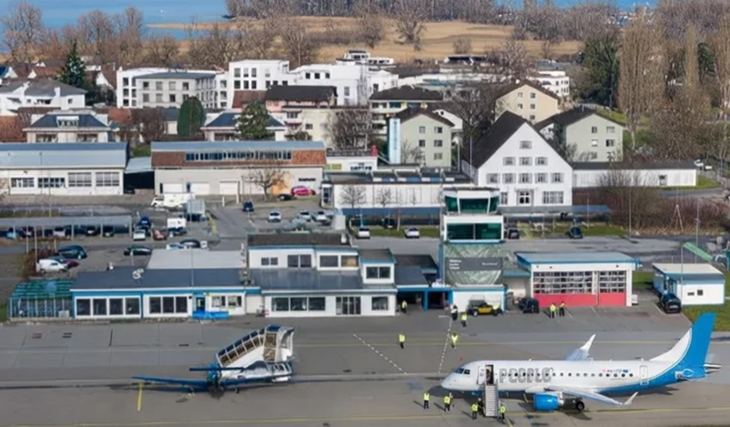
At St. Gallen–Altenrhein Airport, the journey toward Appenzell begins not with complexity but with simplicity. Just outside the terminal, a bus stop waits — modest, unassuming, yet perfectly placed. Here, the Bus 251 arrives with punctual rhythm, a vehicle that transforms the short distance into effortless connection.
The ride lasts only three minutes, a blink in the larger story, yet it is essential. For a fare of CHF 1–3, passengers are carried directly from Altenrhein, Flugplatz to Staad SG, Bahnhof. The service runs hourly, every day, its frequency a quiet assurance that the link will always be there.
The Practical Elegance
This transfer is more than convenience; it is a symbol of Swiss precision. The airport is small, the station modest, yet the connection between them is seamless. No long waits, no complicated transfers — just a short bus ride that places the traveler exactly where they need to be.
For those with luggage, the bus is a relief. For those arriving late, it is reliability. For those seeking economy, it is affordability. In every sense, it is the recommended option, the choice that balances practicality with ease.
Alternatives in the Landscape
A taxi is quicker still — one minute, CHF 12–15 — a solution for heavy bags, late arrivals, or those who value immediacy. Yet in the vibes of Swiss travel, the bus remains the most natural choice, the option that blends efficiency with economy.
The Lakeside Departure: Staad SG
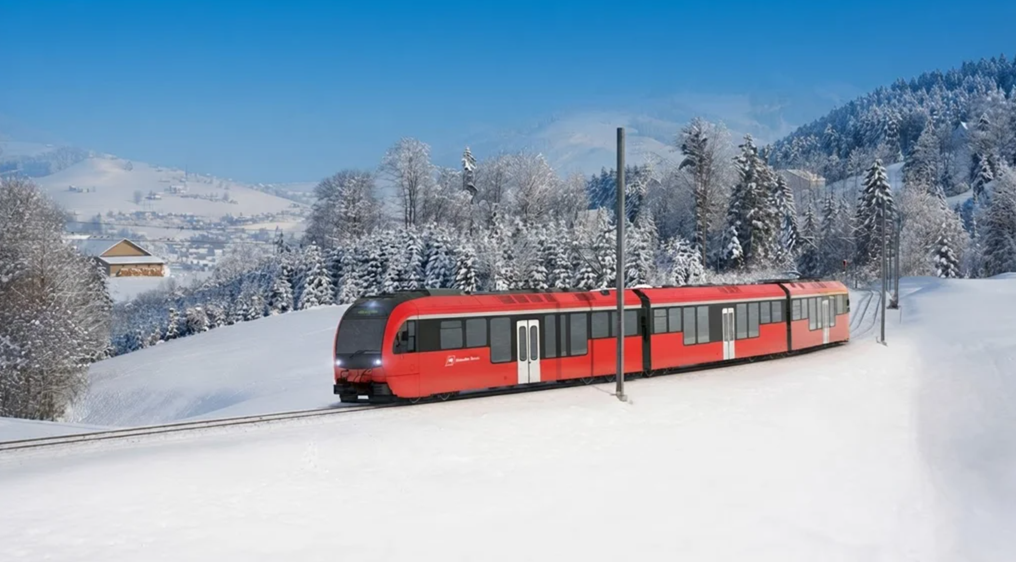
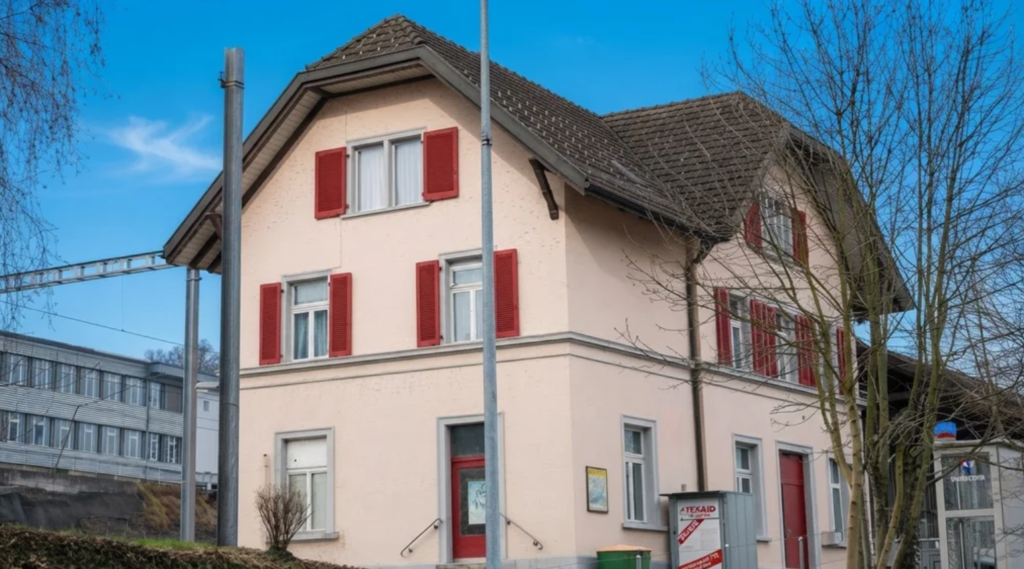
On the southern shore of Lake Constance lies Staad SG, a station that feels more like a pause than a hub. The lake stretches wide, its surface shifting with light, its horizon blurred by distant hills. Staad is quiet, almost understated, yet it carries the rhythm of connection.
Trains arrive with punctual grace, doors sliding open to reveal the possibility of movement. Here begins the journey to Appenzell — not with grandeur, but with subtlety. The station is small, the platforms modest, but the setting is rich. The lake is never far, its presence a reminder that travel in Switzerland often begins beside water.
The First Leg: Staad SG to St. Gallen
Boarding the S2 train, the traveler enters a rhythm that is both efficient and scenic. The line traces the contours of the land, carrying passengers from lakeside calm into urban pulse. The ride lasts only minutes, yet it feels like a transition through atmospheres.
Fields stretch outward, dotted with farmhouses. Villages appear briefly. The train glides with quiet confidence, its windows framing the landscape like moving paintings. The destination is St. Gallen, a city that stands as a cultural anchor. The journey is short, but it is a shift — from water to city, from quiet to energy.
St. Gallen: The Cultural Pivot
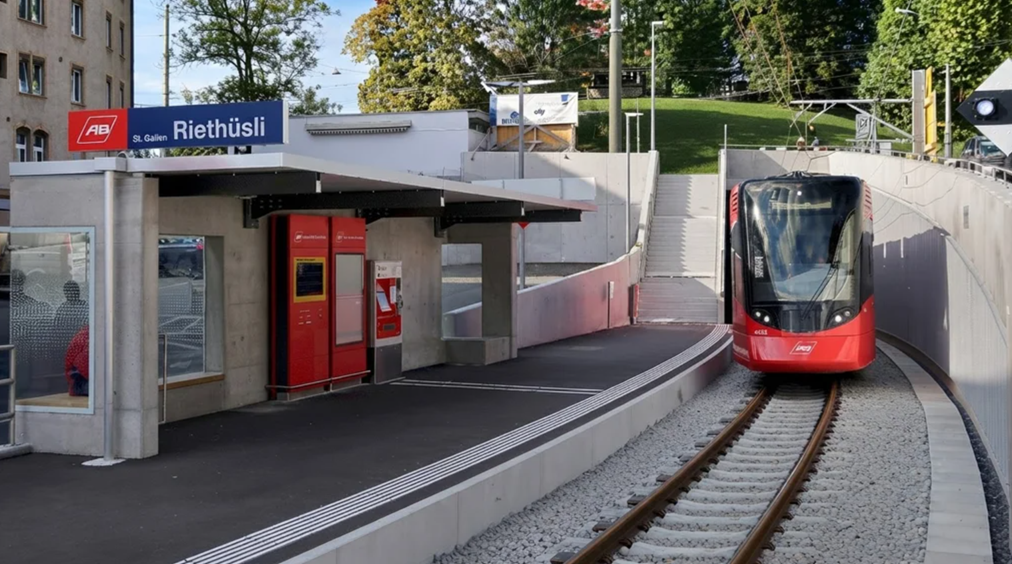
Arriving in St. Gallen, the traveler steps into a city of history and identity. Known for its abbey, its textiles, and its cultural pulse, St. Gallen is more than a transit point. It is a place where tradition and modernity coexist, where streets wind through old quarters lined with painted façades and ornate bay windows.
The station itself is alive with movement. Platforms hum with departures and arrivals, travelers converging from all directions. For those bound for Appenzell, St. Gallen is the pivot — the place where the journey changes trains, where direction shifts from urban to pastoral.
The Narrow-Gauge Line: St. Gallen to Appenzell
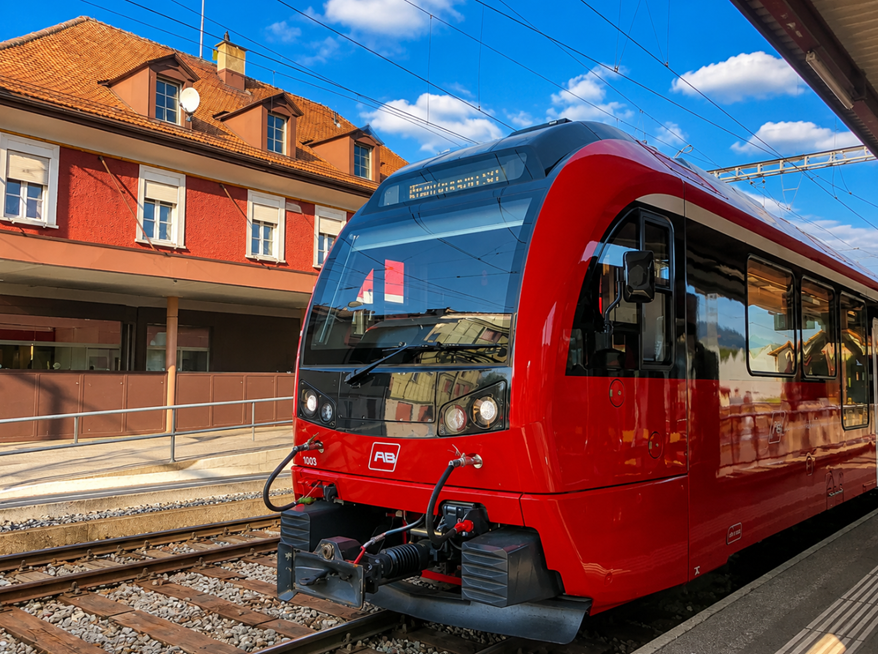
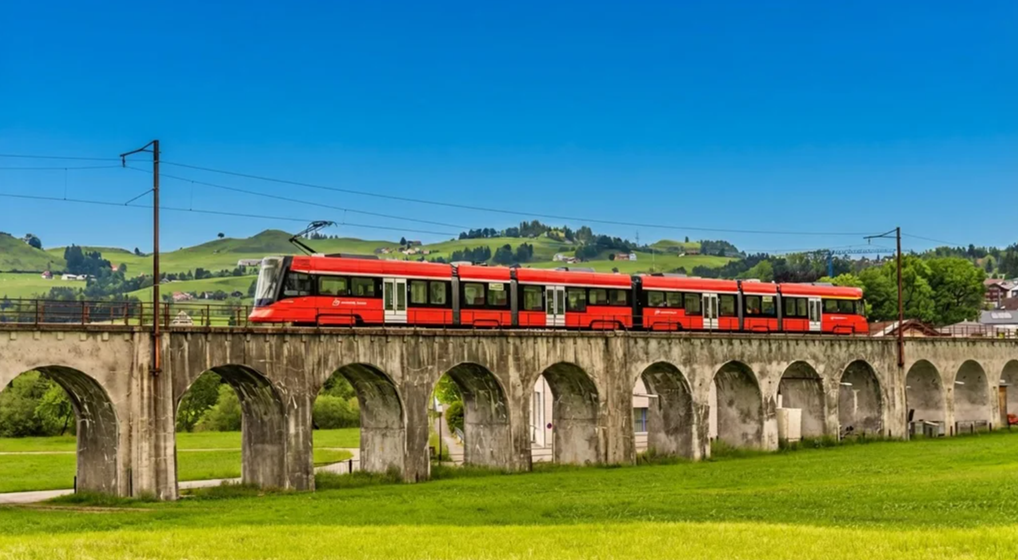
Boarding the S21 train, the traveler enters a world where landscape becomes theatre. The line is narrow-gauge, winding through valleys and hills, offering views that feel almost painted. This is Switzerland at its most pastoral. Meadows roll outward, dotted with cows and chalets.
Hills rise gently, their slopes covered in green. Villages appear like postcards, each with its church spire and cluster of houses. The train moves at a pace that allows observation. Windows frame the scenery like cinema screens, each curve of the track revealing a new composition. It is not just transport; it is spectacle.
The Scenic Rhythm
The journey from Staad to Appenzell is longer than Route 1 — about 1 hour 35 minutes — yet it carries its own vibes. It is not about speed but about sequence. The lakeside departure, the urban pivot, the pastoral arrival — together they form a narrative that feels complete.
The cost is similar to Route 1, about CHF 17–25, affordable and reliable. Yet beyond numbers, the journey is about impressions. The shimmer of Lake Constance, the vibes of St. Gallen, the calm of Appenzell — these are the true markers of the route.
Appenzell: Arrival into Heritage
Appenzell itself is a town that feels timeless. Nestled in the hills, it is known for its painted houses, its traditions, and its sense of community. Streets are narrow, façades are colorful, and the rhythm of life is slower, more deliberate. Arrival here is not into grandeur but into intimacy.
Appenzell is small, yet it carries a weight of identity. Its customs, from yodeling to cheese-making, are not performances but lived realities. Stepping off the train, the traveler enters a world where heritage is visible in every detail. The journey ends not in anonymity but in character.
The Practical Narrative
Route 2 is practical, reliable, and affordable. The trains run with precision, the connections smooth. For the traveler, this means confidence: the assurance that the journey will unfold as planned. Yet beyond practicality, Route 2 offers atmosphere.
It begins beside a lake, pivots through a city, and ends in a valley. It is a sequence that feels natural, a progression that tells a story.
The Romance of Swiss Rail
There is a romance to Swiss rail travel that transcends practicality. Trains glide with quiet confidence, their timetables precise, their interiors comfortable. Passengers are not rushed but carried, given time to observe, to reflect, to absorb. On the way to Appenzell, this romance is amplified by scenery.
The narrow-gauge line feels intimate, the pace deliberate. It is a reminder that travel can be more than arrival; it can be experience.
Why Route 2 Matters
Choosing Route 2 — via Staad and St. Gallen — is not just about efficiency. It is about narrative. It offers a sequence that feels layered, a progression from lake to city to valley. Each stage adds meaning, each connection adds texture.It is the route that balances practicality with atmosphere, cost with experience. It is the route that turns a transfer into a journey.
The Journey as Story
Travel is often measured in minutes and costs, but here it is measured in impressions. The shimmer of Lake Constance, the vibes of St. Gallen, the pastoral calm of Appenzell — these are the true markers of the journey. Route 2 is not just a way to get there.
It is a way to experience Switzerland in miniature, to see its layers unfold in sequence. It is a journey that feels complete, a story with a beginning, middle, and end.
Closing Reflection
From Staad SG to Appenzell, the journey is more than transit. It is a passage through landscapes and identities, a movement that reveals Switzerland’s diversity. It is efficient, affordable, and reliable — but also scenic, atmospheric, and deeply human.
Route 2 is the choice for those who value not just arrival but experience. It is the path that turns a simple transfer into a narrative, a journey into a story.