
The Canton of Uri – A World Shaped by Ice
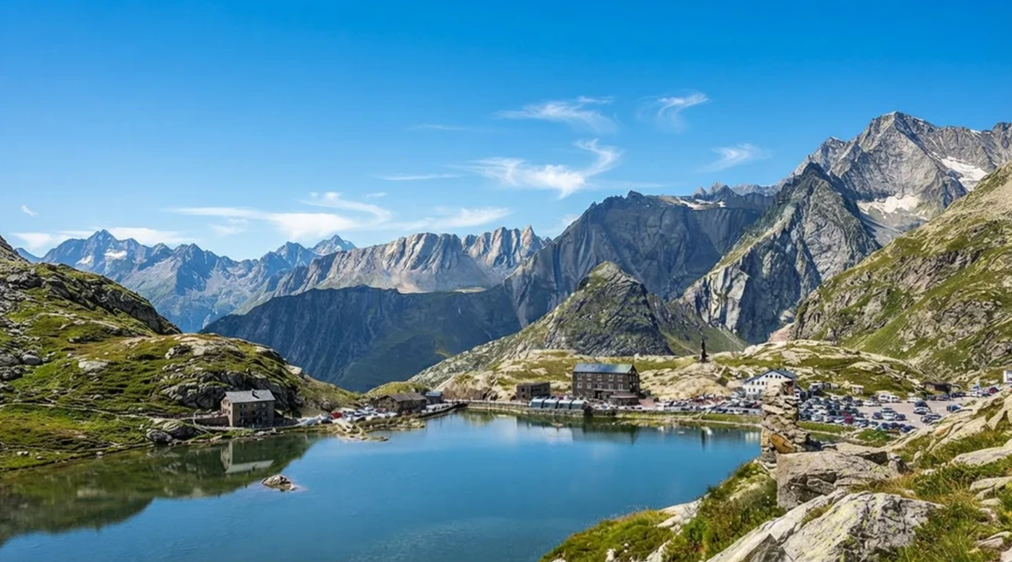
Uri is a canton defined by its glaciers. More than a fifth of its land is locked in ice, and the valleys carved by those glaciers run deep, shadowed by peaks that rise in jagged walls. To walk here is to step into a geography that feels elemental—stone, water, and sky in constant dialogue.
The hiking trails are not simply routes; they are narratives written across the land, each one telling a different story of alpine life.
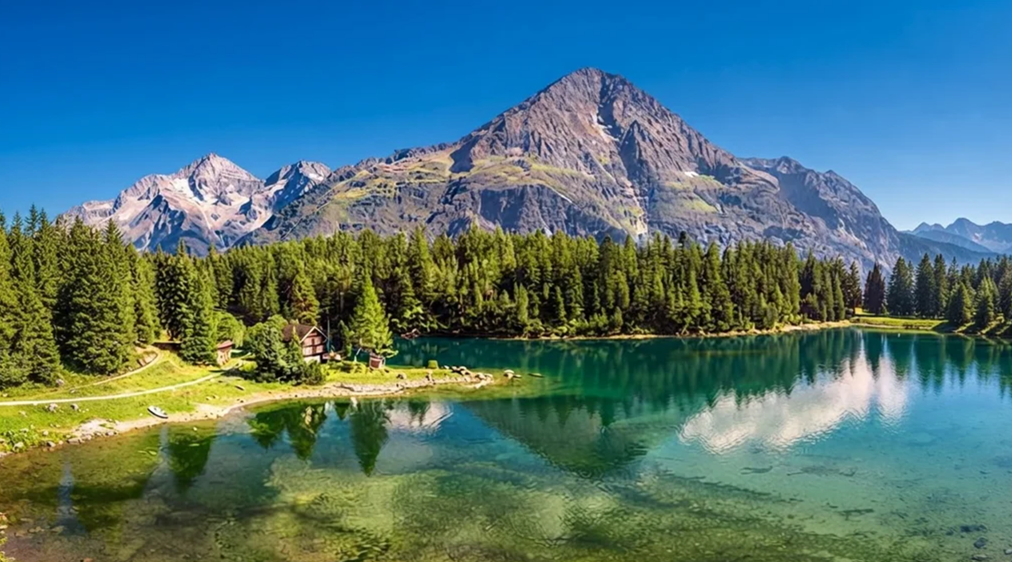
The Swiss Path – Following the Lake
The Swiss Path is gentle compared to Uri’s high passes, yet it carries its own quiet drama. Beginning in Brunnen, the trail winds along the Urnersee, the Uri arm of Lake Lucerne. Forested slopes lean into the water, cliffs rise sheer, and the lake itself mirrors the sky.
It is a walk of accessibility, where the rhythm of footsteps matches the rhythm of waves. The return journey by boat completes the circle, a passage across water that feels timeless.
Göscheneralpsee – A Reservoir of Beauty
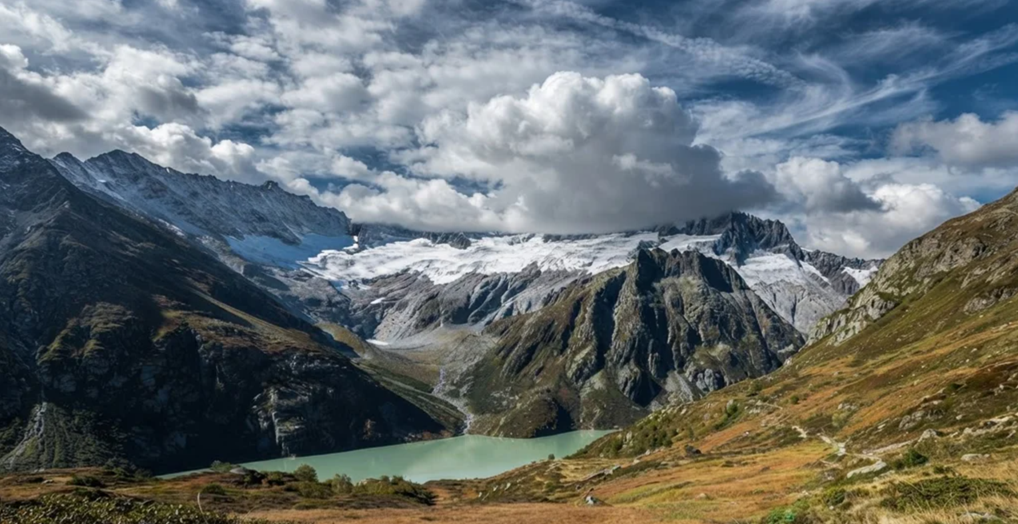
The Göscheneralpsee hike is a loop of contrasts. The trail begins at a dam, where deep blue waters stretch into the valley. Stone-paved paths climb gently, leading to vantage points where the lake lies framed by glaciers. Wooden boardwalks cross marshes that reflect the surrounding peaks.
The hike is moderate, yet every turn offers a new perspective—glacial valleys, boulder fields, rivers bridged by alpine crossings. The counterclockwise route reveals the glaciers most clearly, while the clockwise path offers a steady unfolding of views. Both are rewarding, and both remind the hiker that reservoirs, though man-made, can sit seamlessly within alpine grandeur.
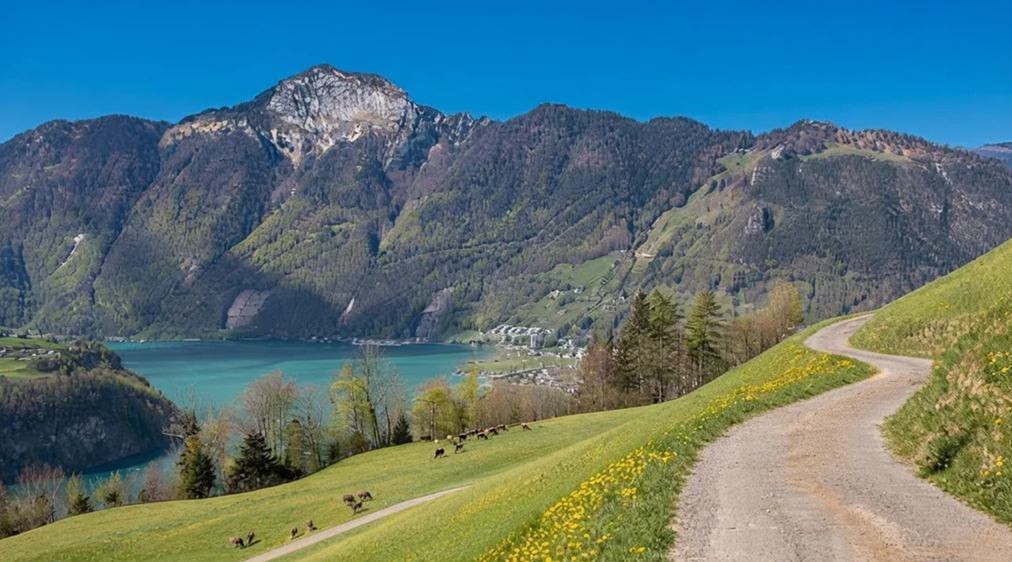
Surenen Pass – Crossing the High Places
The Surenen Pass is strenuous, a seven-hour journey from Brüsti to Engelberg. It is one of Central Switzerland’s iconic crossings, where the trail climbs into high altitude and then descends into a valley town. The Reuss Valley stretches below, the Uri Alps rise in austere majesty, and the path itself feels like a thread between worlds.
This is not a casual walk—it is a commitment, a passage that demands endurance but rewards with vistas that linger long after the descent.
The Four Springs Trail – Rivers at Their Source
The Four Springs Trail is a journey across the Gotthard Massif, five days of high-alpine trekking. It touches the sources of four great rivers: the Reuss, Rhone, Rhine, and Ticino. To walk it is to stand at the beginnings of Europe’s waterways, to see where streams gather before they become rivers that shape nations.
It is difficult, demanding, but profoundly symbolic—a reminder that landscapes are not only scenery but origins.
Pazolastock – Towards the Rhine
The Pazolastock hike climbs towards the source of the Rhine. At 10.8 km, it is a demanding route, taking over five hours to complete. The ascent is steep, the air grows thinner, and the views expand. At the summit, the Rhine begins as a trickle, a modest stream that will become one of Europe’s great rivers.
The hike is both physical and symbolic, a climb into altitude and into origin.
Tomasee – The Birth of a River
The Tomasee trail is shorter, 8.3 km, leading through alpine meadows to the lake where the Rhine is born. It is a gentler approach than Pazolastock, but no less meaningful. The meadows are lush, the lake lies still, and the sense of beginning is palpable.
To stand at Tomasee is to witness the quiet start of a river that will carry commerce, culture, and history across Europe.
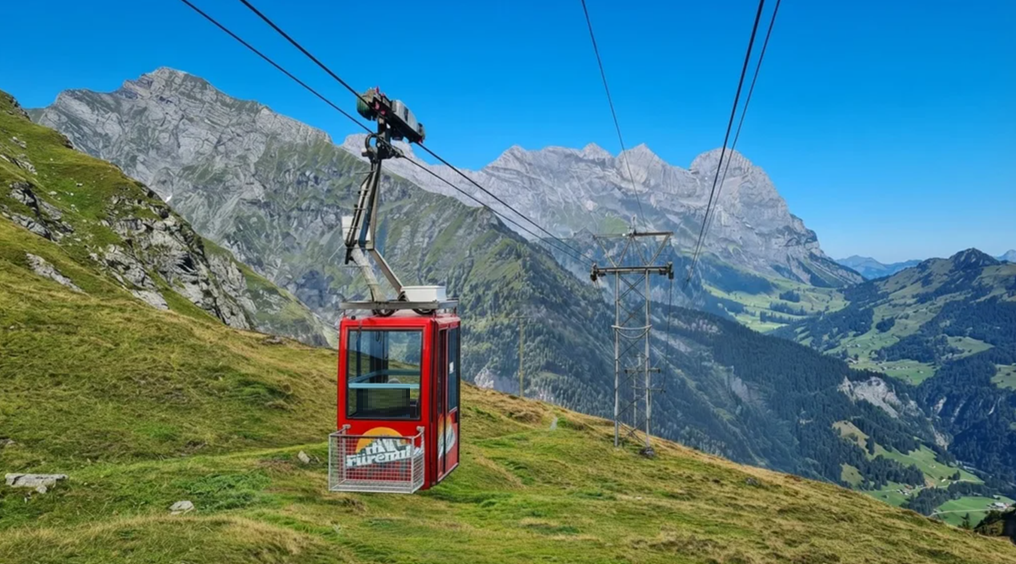
Little Patagonia – Engelberg’s Scenic Loop
The Little Patagonia loop near Engelberg is moderate, 9.7 km of varied scenery. The name hints at drama, and indeed the landscapes shift—meadows, rock fields, alpine views—without demanding steep climbs. It is a trail for those who want variety without exhaustion, a reminder that alpine beauty can be accessible as well as challenging.
The Alpkranz Uri – A Grand Circuit
For those who seek scale, the Alpkranz Uri offers 39 stages, a circuit that spans the canton. It is not a single hike but a network, a grand tour of Uri’s mountains and valleys. To attempt it is to commit to immersion, to see the canton not in fragments but in entirety.
Stäuben Waterfall – Silver Threads in Stone
The Stäuben Waterfall is one of Uri’s most photographed sights. It tumbles in silver threads from cliffs, framed by steep mountains. It can only be reached on foot, but the approaches vary—short paths, longer climbs, each offering a different angle. The spray catches the light, the sound fills the valley, and the waterfall becomes not just a sight but an experience.
The Character of Uri’s Hiking
Uri’s trails are diverse. Some are gentle, tracing lakes and meadows. Others are demanding, climbing into altitude and crossing passes. The canton’s identity lies in this range—accessible beauty alongside challenging grandeur. More than 20% of its land is glacier, yet its lower valleys hold forests and rivers.
It is a landscape of contrasts, where every hike feels like a different chapter in the same alpine story.
Practical Notes – Timing and Access
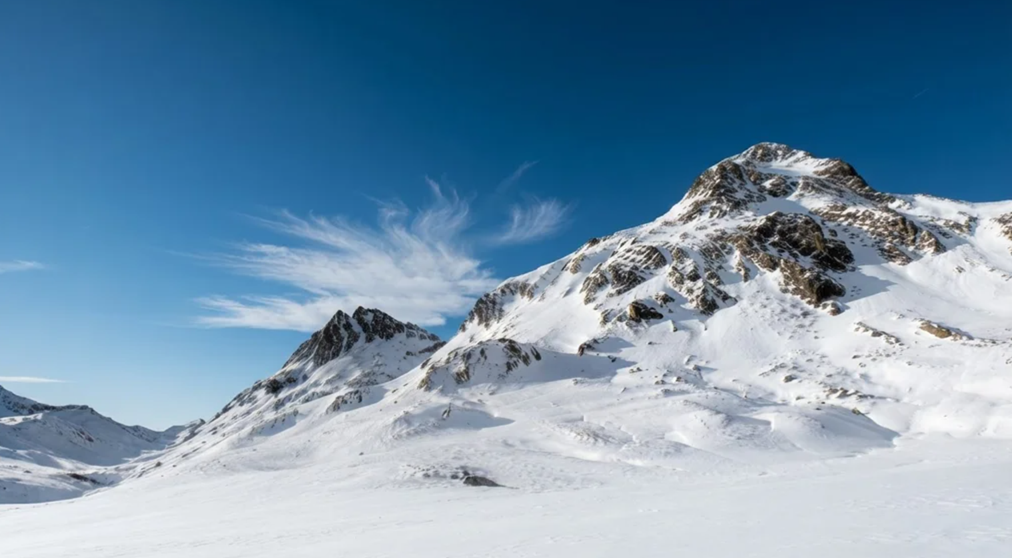
The best time to hike in Uri is from late spring to late autumn. Summer weekends can be crowded, especially at popular spots like Göscheneralpsee, so weekdays offer more solitude. Access is generally straightforward—roads lead to trailheads, cable cars rise to starting points, and public transport connects towns.
Yet caution is always wise: alpine weather shifts quickly, and trails can be slippery when wet.
Photography and Memory
Uri is a canton for photographers as much as hikers. Lakes reflect peaks, waterfalls catch light, glaciers gleam in distance. Every trail offers vantage points, and every pause becomes a photograph. Yet beyond images, the memory of Uri lies in experience—the rhythm of footsteps, the sound of rivers, the feel of altitude.
Conclusion – Uri as Narrative
To hike in Uri is to read a landscape written in stone and water. The Swiss Path tells of lakeside beauty, Göscheneralpsee of reservoirs framed by glaciers, Surenen Pass of crossings between valleys, Four Springs Trail of rivers at their source. Pazolastock and Tomasee speak of beginnings, Little Patagonia of variety, Alpkranz Uri of scale, Stäuben Waterfall of spectacle.
Together, they form a narrative of alpine life—gentle, demanding, symbolic, dramatic. Uri is not simply a canton of Switzerland; it is a geography of stories, each trail a chapter, each hike a way of understanding the land.