
Elora is a town that feels carved from both stone and story — a place where limestone cliffs rise above rushing rivers, and where the vibes of a small Ontario community blends seamlessly with the drama of nature. To write about Elora is to trace the contours of its gorge, its trails, its traditions, and its town, weaving them together into a narrative that captures both grandeur and intimacy.
A Town Between Stone and Water
Elora’s identity is inseparable from its geography. The Grand River cuts through limestone, sculpting cliffs that rise twenty‑two metres above the water. The gorge is not just scenery; it is the town’s heartbeat, shaping its history, its tourism, and its sense of place.
Visitors arriving from Toronto, the Maritimes, or across the U.S. border find themselves drawn into a landscape that feels both wild and welcoming. The cliffs tower, the river rushes, and yet the town itself hums with small‑scale charm — boutiques and heritage buildings that soften the rugged edges of nature.
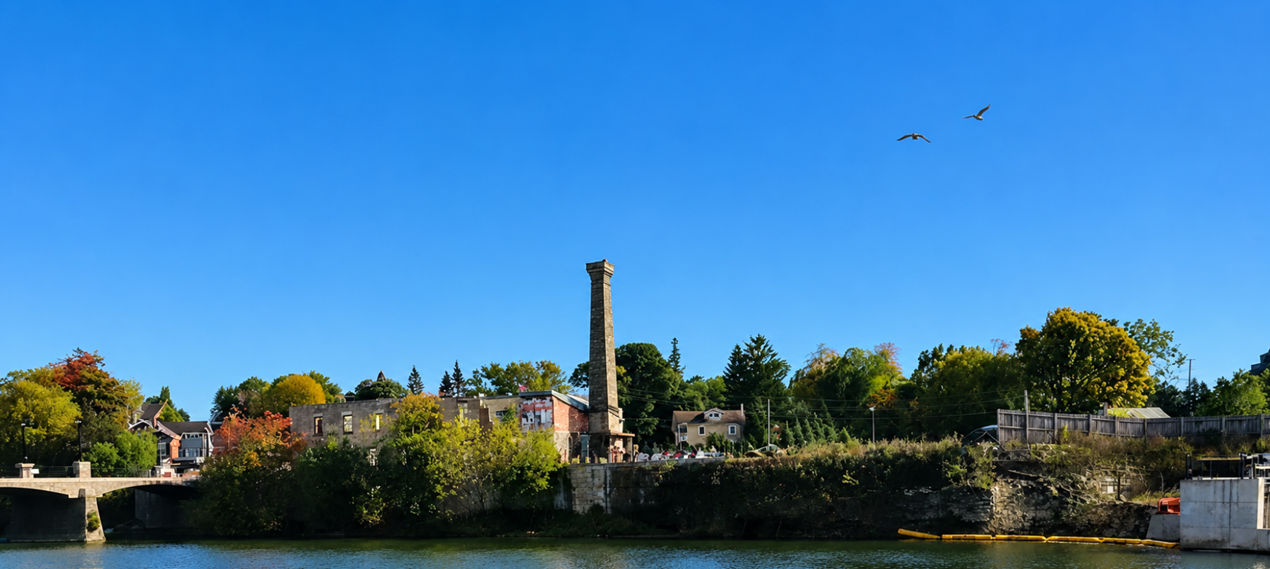
The Campground Core
At the Elora Gorge Conservation Area, camping is more than accommodation; it is immersion. With 450 sites spread across forest and field, the campground offers a spectrum of experiences. Some choose unserviced sites, embracing simplicity beneath the trees.
Others opt for fully serviced lots, where RVs vibes quietly and modern conveniences meet rustic surroundings. Flush toilets and coin‑operated showers are scattered throughout, ensuring comfort without erasing the wilderness. A radio‑free zone between sites 246 and 320 creates a pocket of quiet, while a seasonal ban on alcohol and cannabis keeps the atmosphere family‑friendly.
Two separate entrances remind visitors to plan carefully, a small logistical note that underscores the scale of the grounds. Camping here is not just about sleeping outdoors; it is about waking to the sound of the river, cooking breakfast beneath towering trees, and stepping directly onto trails that lead to the gorge.
It is about evenings spent around campfires, where the glow of flames mirrors the glow of limestone cliffs at sunset.
Trails Along the Edge
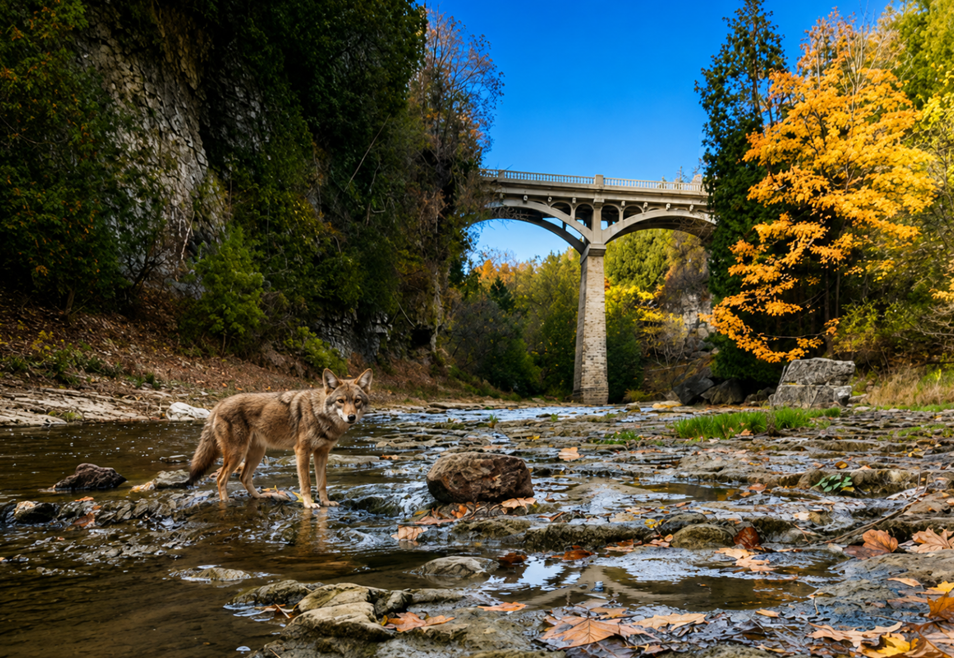
The hiking trails at Elora Gorge are gentle, designed for families and casual walkers. Dogs trot happily beside their owners, children scamper along fence‑lined paths, and the forest canopy filters sunlight into shifting patterns on the ground. The full loop stretches just over five kilometres, but many choose the shorter southern edge walk — from the Hole in the Rock to the bridge and back — where the river and cliffs reveal their most dramatic faces.
The Hole in the Rock is a staircase carved through stone, a passage that feels like a secret doorway into the gorge. Nearby, a tree with sprawling roots clings to a boulder, its form as sculptural as any artwork. Stairs descend to the river’s edge, where the roar of water echoes against limestone walls, and the bridge offers the finest vantage point of cliffs and currents.
The trails are not demanding, but they are rewarding, offering glimpses of both rugged geology and quiet forest.
Tubing the Rapids
Summer in Elora is defined by tubing. Families gather at the gates when they open at 10 a.m., helmets and lifejackets strapped tight, eager to ride the Grand River’s rapids. Tickets, purchased days in advance, guarantee a place in this seasonal ritual. For many, tubing is tradition — a way to mark Canada Day or the start of summer break.
Parents explain to children that this is not a lazy river but a real one, with currents that demand respect. The exhilaration of rushing water gives way to calm pools downstream, a rhythm that mirrors the balance of challenge and serenity. Tubing is more than recreation; it is memory‑making.
It is laughter echoing off cliffs, the splash of water against rubber tubes, and the shared thrill of navigating rapids together. It is a reminder that adventure can be both exhilarating and safe, provided rules are respected and preparation is made.
The Town’s Dual Identity
Elora itself is split between nature and culture. On one side lies the gorge and the quarry, landscapes that draw outdoor enthusiasts. On the other side lies downtown Elora, a cluster of shops, restaurants, and heritage buildings that invite lingering.
Visitors may come for the cliffs, but they stay for the cafés, the galleries, and the architecture that speaks of the town’s history.
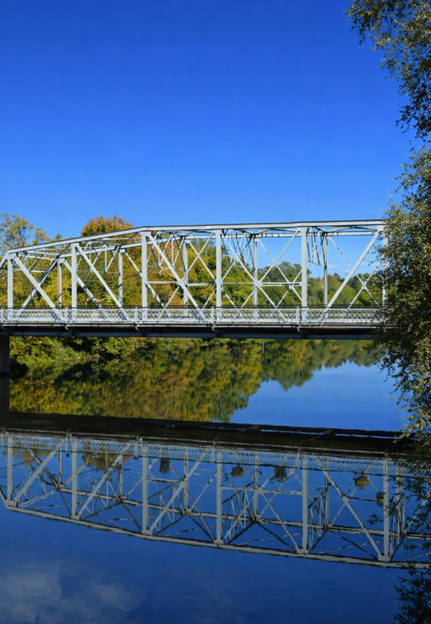
Victoria Park is a focal point, perched at the meeting of Irvine Creek and the Grand River. Picnic benches sit beneath tall trees, stairways lead down to the creek’s rocky bed, and trails wind toward lookouts and bridges. The Elora Gorge Lookout offers panoramic views, while the David Street Bridge frames the gorge in stone and steel.
The town’s designation as “Canada’s most road‑trippable” feels earned, not bestowed, a reflection of its balance between accessibility and beauty.
The Quarry’s Turquoise Heart
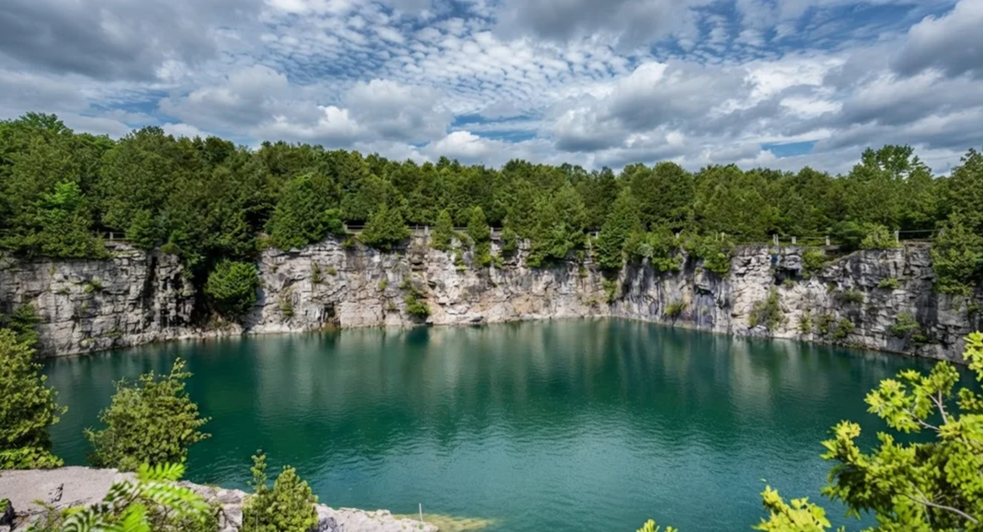
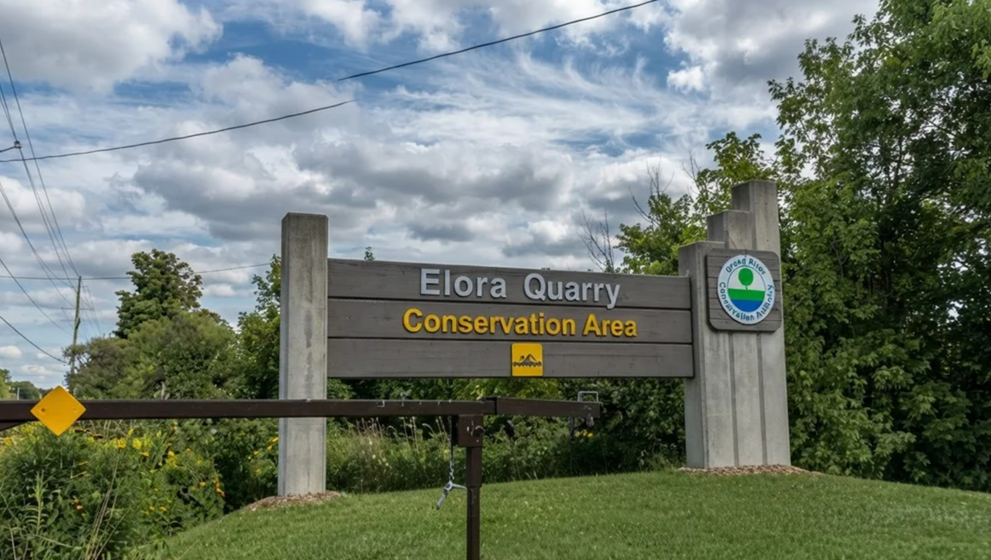
Distinct from the gorge, the Elora Quarry is a turquoise pool framed by sheer stone walls. In summer, it becomes a haven for swimmers, its waters cool and inviting beneath the heat of the sun. The quarry is seasonal, open only in warmer months, but its appeal is timeless.
It is a place where families spread towels on grassy banks, where children leap from rocks into deep water, and where the contrast between stone and liquid creates a scene of striking beauty.
Conservation and Community
The conservation area is open from May to October, offering camping, canoeing, fishing, and playgrounds alongside its trails. The Hole in the Rock and the exposed‑root tree are landmarks within, small wonders that punctuate the larger drama of cliffs and currents.
Regulations govern fishing, ensuring sustainability, while splash pads and picnic areas cater to families. The blend of natural spectacle and human infrastructure makes the conservation area both wild and welcoming.
Falls and the Tooth of Time
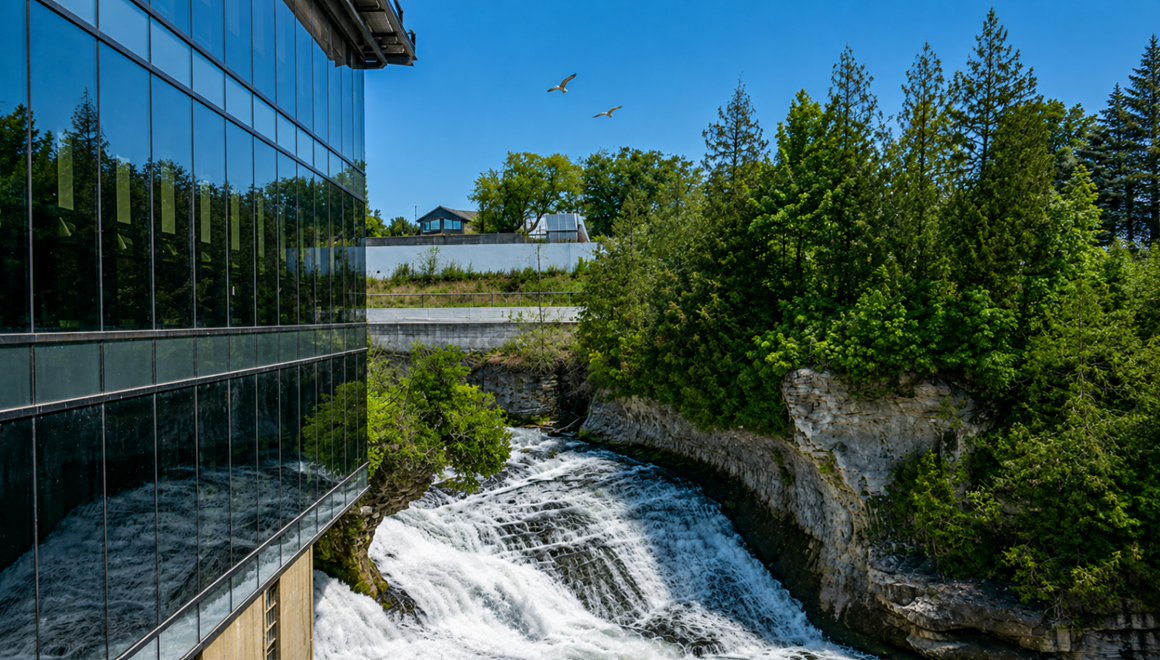
At the edge of town, the Elora Gorge Falls tumble beside the historic Elora Mill. Though modern development has obscured some views, the sound of rushing water remains. The Tooth_of_Time — a stubborn slab of rock splitting the falls — stands as a symbol of endurance.
Trees cling to its surface, roots gripping stone as the river carves endlessly around it. The Tooth of Time is more than geology; it is metaphor, a reminder that even in the face of erosion, some things hold fast.
Seasons in Elora
Elora is not confined to summer. In autumn, the cliffs blaze with colour, maples and oaks painting the gorge in red and gold. The town decorates for Christmas, its shops glowing with lights, its streets filled with festive cheer. Winter brings quiet, the river slowed, the trails hushed beneath snow.
Spring awakens the landscape, blossoms framing stone buildings, and the river swelling with meltwater. Each season offers a different lens, a different rhythm, a different way to experience the town.
The Balance of Adventure and Rest
Elora is a place of balance. It offers adrenaline in tubing, serenity in forest walks, culture in downtown shops, and history in stone architecture. It is a destination that can be both a day trip and a weekend retreat, both a family outing and a romantic escape.
Its appeal lies in its variety, in the way it can be tailored to different visitors, different moods, different seasons.
A Town Carved in Story
To visit Elora is to step into a narrative written by water and stone, by community and tradition. It is to walk trails where roots sprawl across boulders, to tube rapids where laughter echoes against cliffs. It is to stand at the Tooth of Time and feel the persistence of rock against river, the endurance of place against change.
Elora is not just a destination; it is a story, one that invites retelling, revisiting, and remembering.