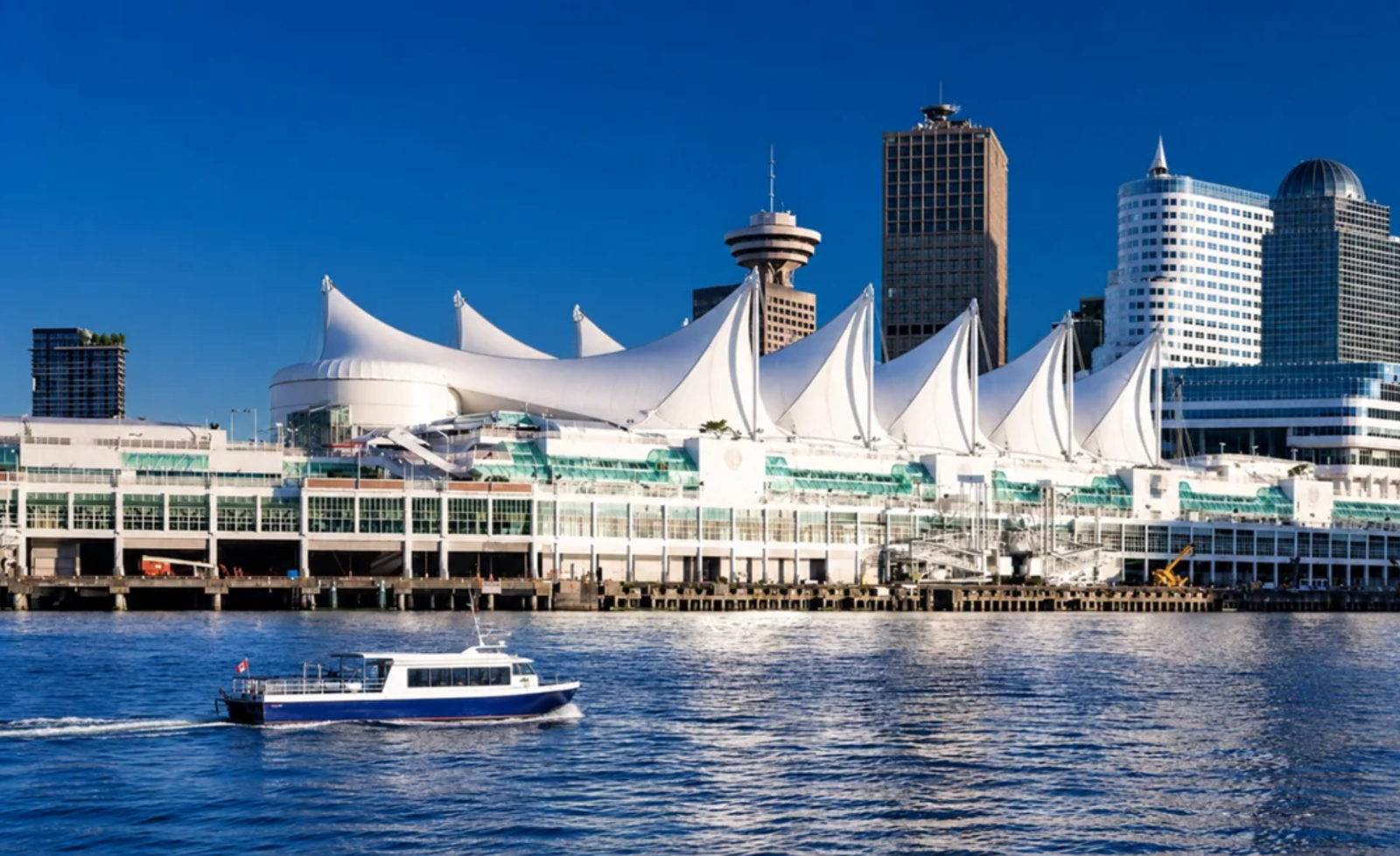
The Vancouver cruise port at Canada Place is not simply a point of embarkation—it is the beginning of a narrative woven between ocean and mountains, a city that reveals itself in chapters. From the sails of the terminal itself to the forests of Stanley Park, each step away from the pier opens into a new story.
Canada Place
Canada Place rises above the harbor with its iconic white sails, a symbol of Vancouver’s maritime spirit. Cruise ships dock here in the heart of downtown, placing travelers within walking distance of the city’s most celebrated sights. The public promenade encircling the pier offers sweeping views of Burrard Inlet, the North Shore Mountains, and the constant ballet of seaplanes landing and lifting off.
It is both a gateway and a vantage point, a place where journeys begin and where the city’s pulse can be felt in the rhythm of the water.
Stanley Park
Stanley Park is Vancouver’s great green sanctuary, a thousand acres of rainforest pressed against the city’s edge. The seawall curves for nine kilometers, a path where walkers, runners, and cyclists trace the boundary between ocean and forest. Towering cedars and Douglas firs rise above shimmering lagoons, while beaches open to views of the Lions Gate Bridge and the distant mountains.
The Vancouver Aquarium anchors the park with its marine exhibits, yet the real magic lies in the chance encounters—herons fishing in the shallows, seals surfacing along the shoreline. To wander here is to step into a living tapestry where wilderness and city coexist.
Gastown
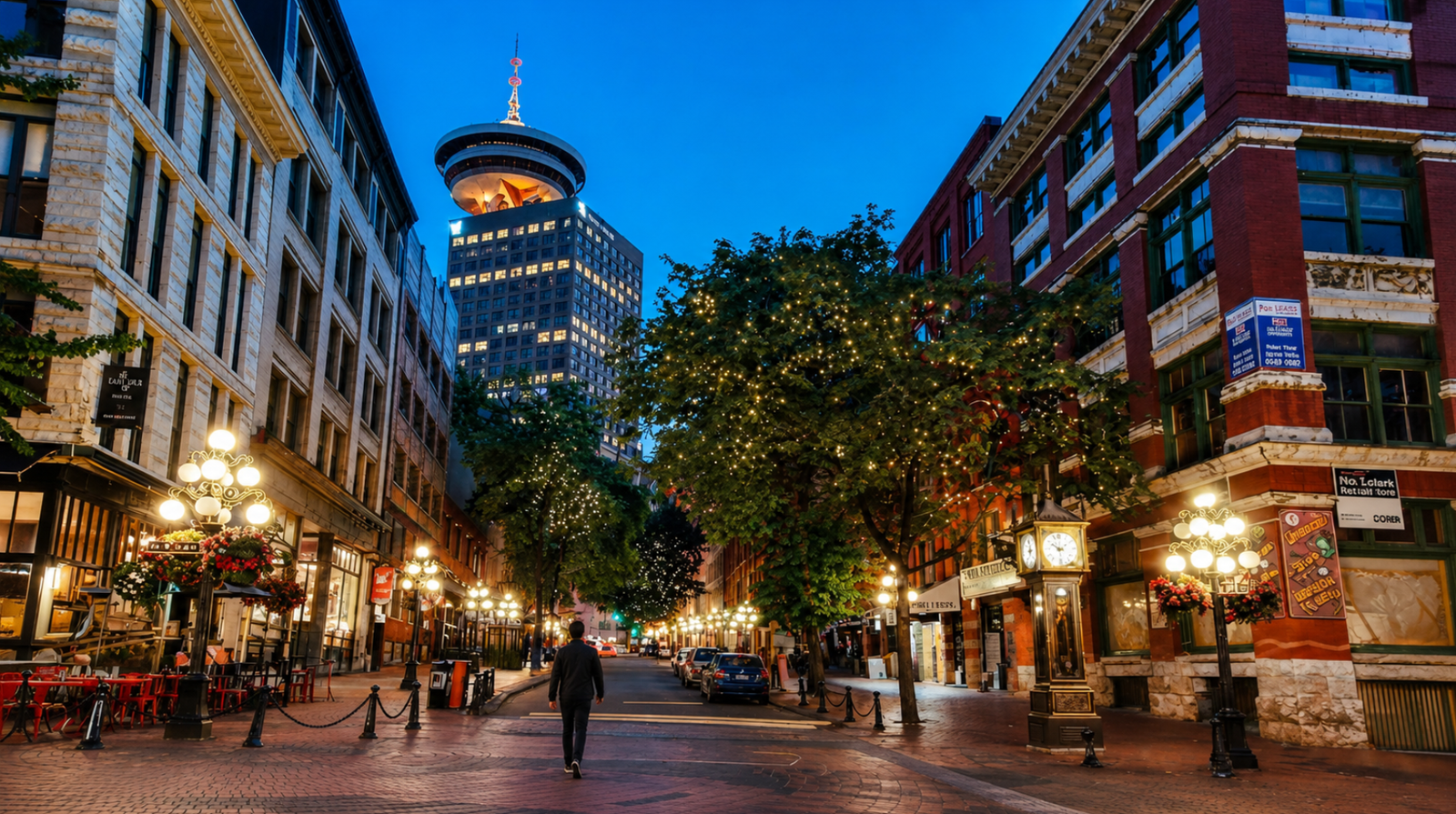
Just a short walk from Canada Place, Gastown is Vancouver’s oldest neighborhood, its cobbled streets and brick facades recalling the city’s beginnings. Boutiques and craft shops line the lanes, while pubs and restaurants spill onto the sidewalks.
The steam clock, one of only a handful in the world, whistles every quarter hour, sending plumes of vapor into the air. Gastown is a place of contrasts—heritage architecture beside modern design, traditional roasts beside artisanal cocktails. It is a reminder that Vancouver’s identity is rooted in history even as it evolves into something new.
Chinatown
Vancouver’s Chinatown is layered with culture and resilience. Ornate gates mark the entrance to streets filled with dumpling houses, herbal shops, and vibrant murals. Guided tours reveal hidden courtyards and stories of migration, while cooking classes invite visitors into the art of dumpling-making.
Though the neighborhood has faced challenges, its traditions remain vivid, offering a glimpse into the city’s multicultural fabric. It is a place where history and flavor intertwine, where lanterns glow above streets that carry generations of stories.
Granville Island
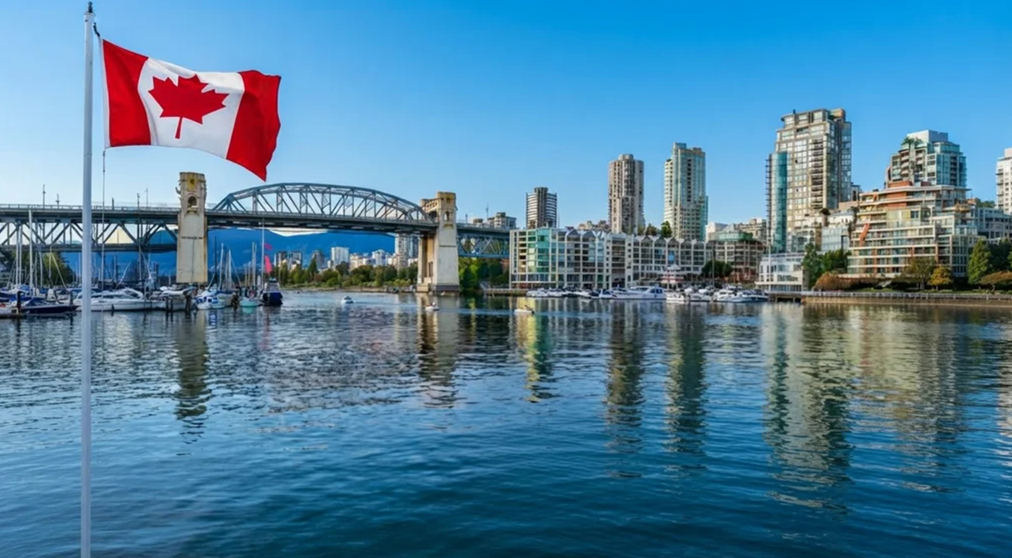
Across False Creek, Granville Island is a feast for the senses. The public market brims with fresh produce. Studios showcase glasswork and crafts, while ferries shuttle visitors across the water with skyline views. Street performers animate the plazas, and the island’s edges open to vistas of bridges and boats.
It is a place to linger, to taste, to watch the city reflected in the water. Granville Island is a cultural hub, a microcosm of Vancouver’s creative spirit.
Hop On Hop Off Tours
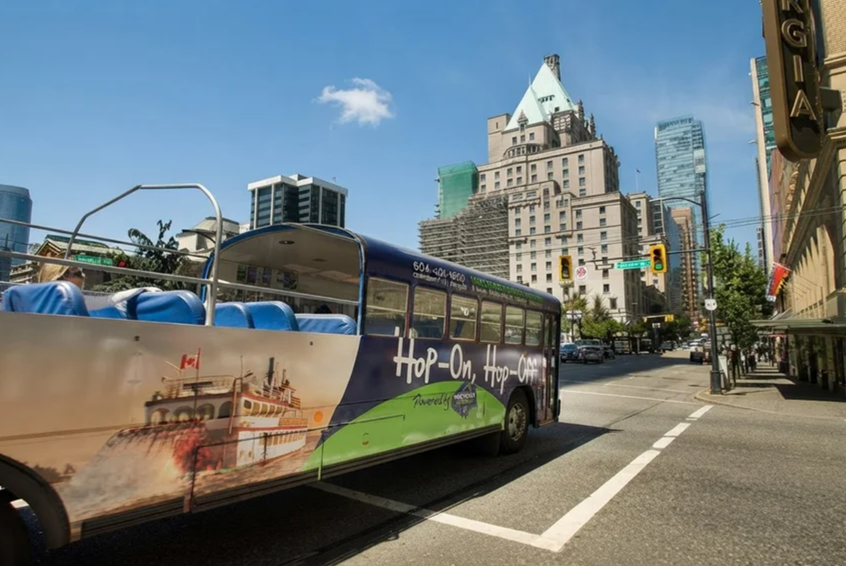
For those who prefer to glide rather than wander, Vancouver’s hop-on hop-off buses, trolleys, and boats weave through the city’s highlights. The bus loops past landmarks with ease, while the boat tour offers a perspective from the water, sails and skyscrapers rising together.
Even the humble SeaBus, crossing to North Vancouver for just a few dollars, becomes a voyage with panoramic views. These tours are more than transportation—they are moving windows into the city’s diverse landscapes.
Olympic Village
Once home to athletes of the 2010 Winter Games, Olympic Village now vibes with parks and waterfront paths. The False Creek walking route traces the shoreline, past public art and the site of opening ceremonies. It is a modern neighborhood, yet its spirit carries echoes of global celebration.
The area blends residential calm with vibrant public spaces, making it a perfect stop for those seeking both history and leisure.
Robson Street
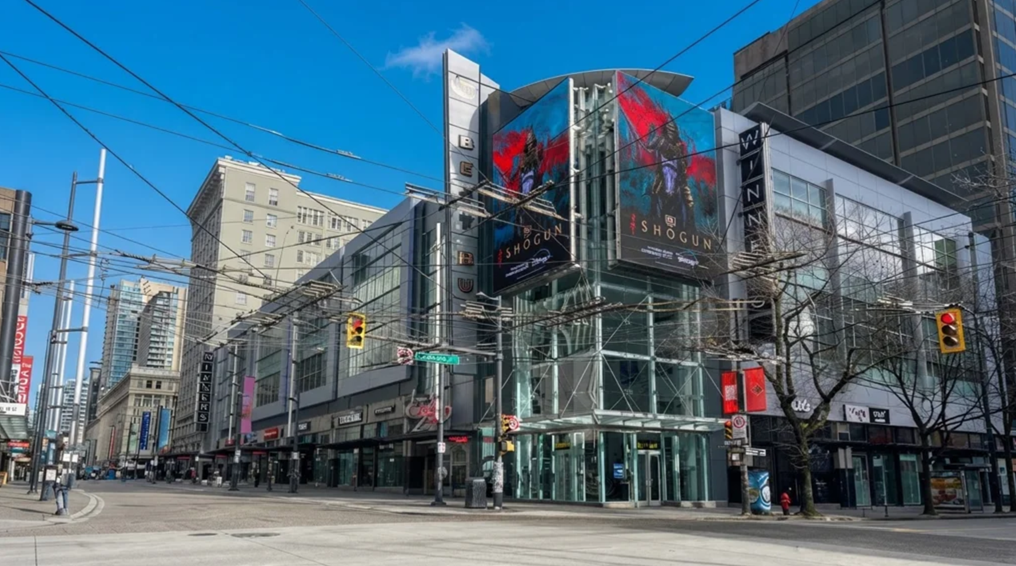
Robson Street is Vancouver’s retail spine, lined with boutiques and flagship stores. From Pacific Centre mall to Korea Town near the West End, the street shifts in character as you walk. It is both a shopping district and a cultural corridor, where fashion and food mingle with the city’s pulse.
Robson Street is not just about commerce—it is about the energy of people moving through a space that reflects the city’s cosmopolitan identity.
Museum Excursions
On rainy days, Vancouver’s museums offer shelter and discovery. Science World’s geodesic dome houses interactive exhibits that delight children and adults alike. At UBC, the Museum of Anthropology presents totem poles, carvings, and First Nations artifacts, grounding the city in the stories of its land and people.
These institutions are more than collections—they are narratives of culture, science, and heritage, each offering a different lens through which to understand Vancouver.
Public Transit
The city’s Compass Card system makes exploration effortless. Trains, buses, and ferries connect seamlessly, and a day pass often proves the simplest way to roam. Google Maps guides the routes, but the real joy lies in the journey—watching neighborhoods shift as the train glides from airport to port, or as the SeaBus cuts across the inlet.
Public transit is not just a means of movement; it is a way to experience the city’s rhythm, to see its diversity unfold stop by stop.
Conclusion
Vancouver’s cruise port at Canada Place is not merely a threshold to Alaska—it is the beginning of a journey into a city of contrasts. Forests and towers, markets and museums, seawalls and steam clocks: each path from the pier leads into a different narrative. Together, they form a chorus of experiences waiting to be lived.