
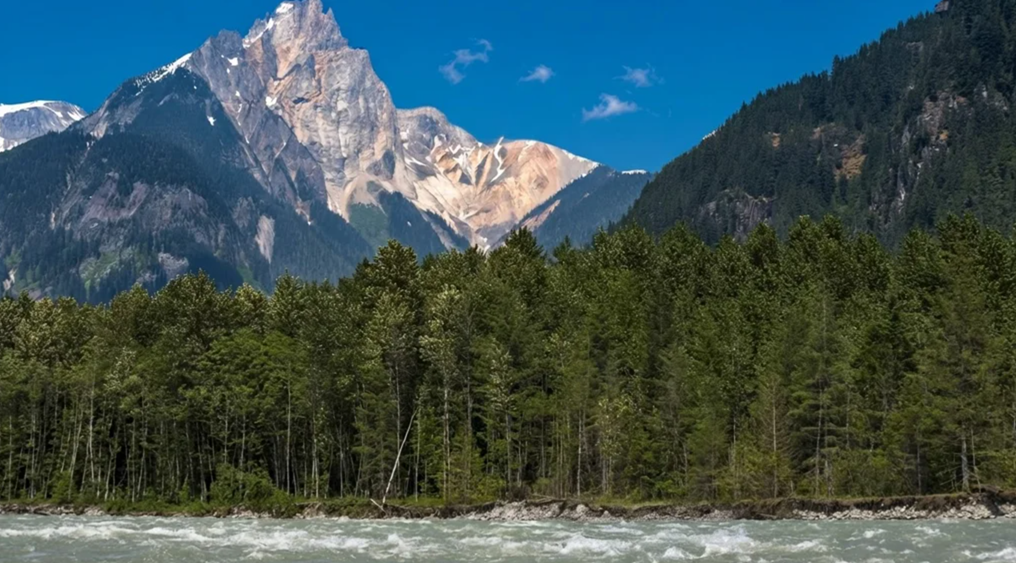
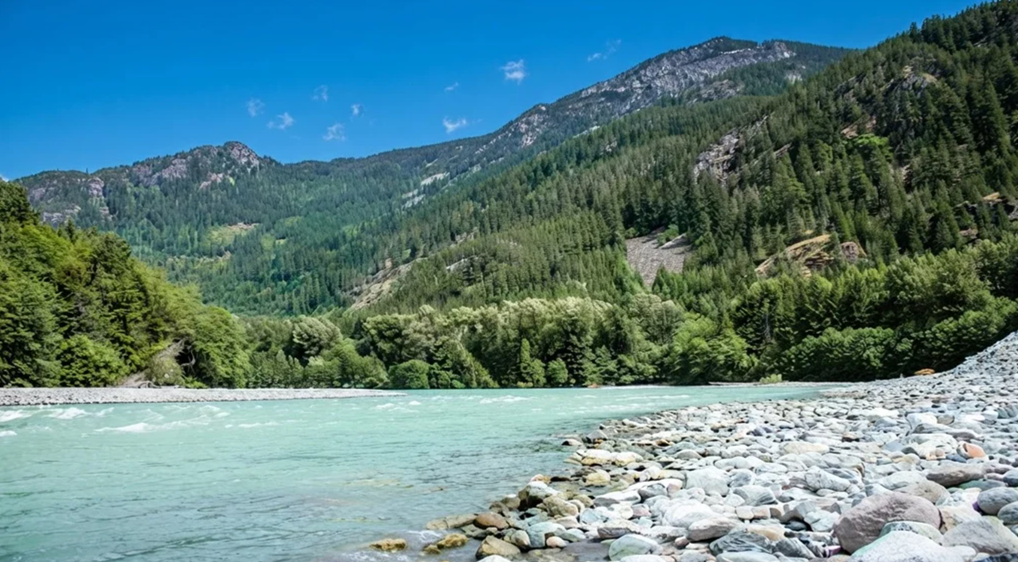
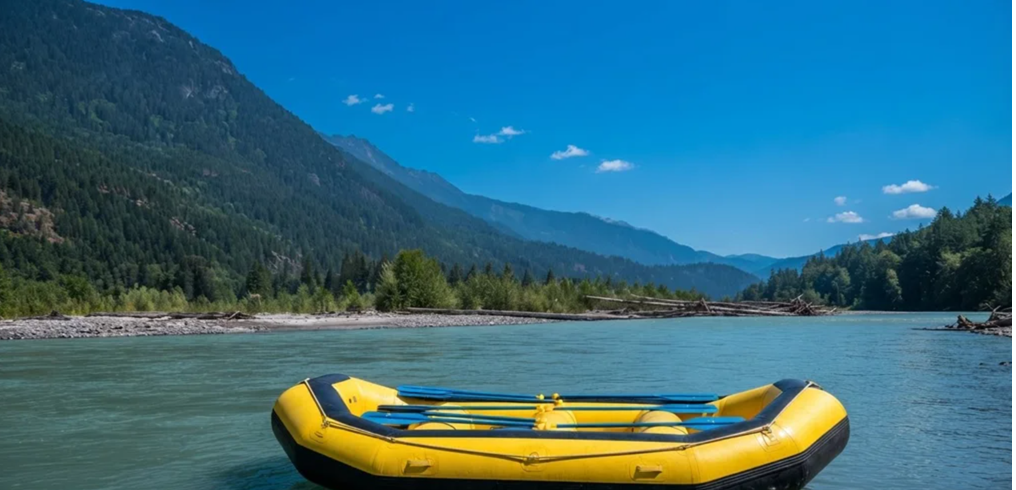
Squamish, British Columbia, is widely recognized as an outdoor adventure hub, and among its many attractions, the Elaho River stands out as one of the premier rafting destinations in the province. The river is glacier‑fed, cold, and powerful, winding through dramatic canyons and valleys that showcase waterfalls, cliffs, and snow‑capped peaks.
Rafting here is not simply a recreational activity; it is a full immersion into wilderness, combining adrenaline, teamwork, and natural beauty. This article provides a structured overview of the rafting experience, including preparation, safety measures, the highlights of the river, seasonal variations, and complementary activities in Elaho River that make the trip a complete adventure.
Preparation and Safety
Before embarking on the river, participants undergo a thorough preparation process. Canadian Outback Rafting supplies wetsuits, helmets, paddles, and thermal layers to ensure comfort and safety in the near‑freezing water. Guides assist with fitting equipment and confirm that each participant is properly secured.
Safety briefings are an essential component of the experience. Guides explain paddling commands, emergency procedures, and expectations for the day. These instructions cover how to respond if someone falls into the water, how to maintain balance in the raft, and how to work together as a team.
The briefings are detailed but reassuring, allowing participants to feel confident before facing the rapids.
The Rafting Experience
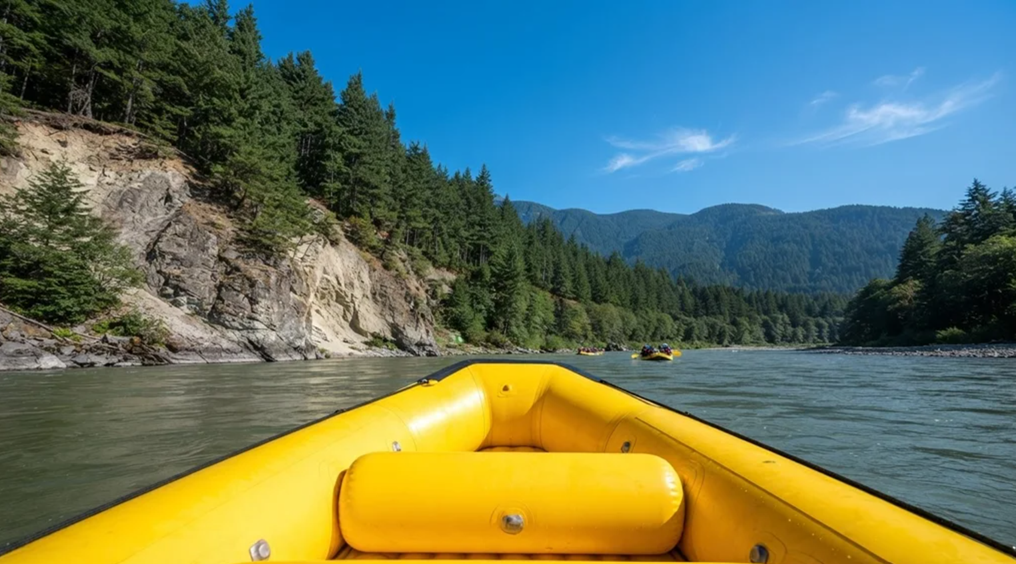
The rafting journey begins with Devil’s Elbow, a sharp 110‑degree canyon bend that immediately tests coordination and teamwork. The steep canyon walls and Class IV rapids demand synchronized paddling and quick responses to guide instructions.
This section sets the tone for the rest of the trip, reminding participants that rafting is an active negotiation with the river rather than a passive ride.The Elaho’s water is powered by glacier runoff, which means it is extremely cold. The first splash is shocking, numbing skin and stealing breath, but wetsuits and adrenaline quickly balance the sensation.
Swimming is possible in calmer eddies, though most participants prefer to remain in the raft until they are more accustomed to the temperature. The cold water adds intensity to the experience, reinforcing the raw power of the environment. As the trip continues, the river builds toward Steamroller, one of its most famous rapids.
This section delivers continuous waves that test endurance and teamwork. It is often remembered as the highlight of the day, with participants shouting and laughing as the raft disappears into walls of water and emerges dripping, only to surge forward again.
Steamroller represents the peak of adrenaline during the trip, and many rafters describe it as the moment when fear and exhilaration merge into pure excitement. The river then offers contrast with the Weeping Wall, a cliff face streaked with dozens of waterfalls during snowmelt season.
This site is considered sacred by local First Nations and provides a moment of quiet reflection. The raft slows, paddles rest, and participants take in the sight of water cascading down stone. The transition from chaos to calm demonstrates the variety of experiences the Elaho delivers, reminding rafters that the river is not only about thrill but also about beauty.
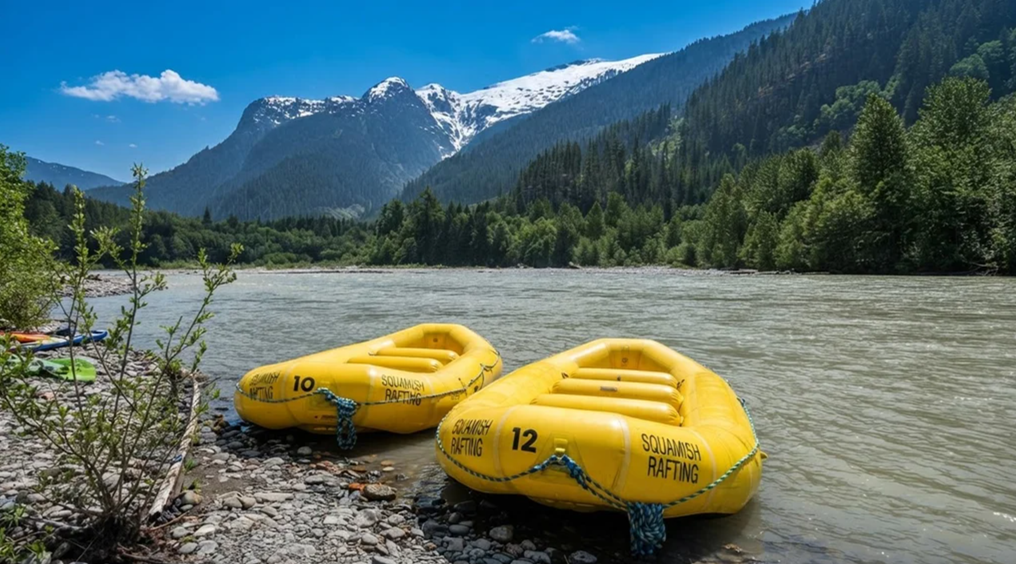
Toward the end of the trip, the river merges with the Squamish River and splits into braided channels. This section, known as the Braids, is calmer and allows rafters to rest while enjoying panoramic views of Mount Cayley and Mount Garibaldi. The adrenaline fades, replaced by awe, and the journey concludes with a sense of completion.
Guides and Group Dynamics
Guides play a central role in the rafting experience. They provide technical instruction, maintain safety, and share knowledge about the landscape. Their presence ensures that participants feel supported even in the most challenging rapids. Between rapids, guides often share stories about the mountains, wildlife, and the seasonal changes of the river.
These moments of narration add depth to the experience, connecting participants not only to the thrill of rafting but also to the broader environment. Rafting also fosters group bonding. Paddlers must coordinate to navigate successfully, and strangers quickly become teammates.
The shared challenge of facing rapids together creates camaraderie that lasts beyond the trip. Many participants describe rafting as an activity that strengthens friendships and builds trust, making it ideal for families, groups of friends, or solo travelers joining a team.
Seasonal Variations
The Elaho changes dramatically with the seasons. Snowmelt in mid‑June produces peak flow, creating the most intense conditions and making rapids like Steamroller particularly powerful. Guides often describe this period as the most exhilarating time to raft, with waves reaching their highest levels.
Later in summer, lower water levels allow access to narrower channels that are impassable earlier in the year. These conditions provide a different type of challenge, emphasizing technical navigation rather than sheer force.Erosion also reshapes the river annually, meaning no two trips are exactly alike.
Rocks shift, channels widen or narrow, and new features emerge. This variability adds to the appeal, as returning rafters encounter new experiences each season. The Elaho is a living landscape, constantly evolving, and rafting it is a way to witness that change firsthand.
Complementary Activities in Squamish
Rafting is often combined with camping and hiking to create a full weekend adventure. Alice Lake is a popular base, offering campsites surrounded by forest and access to calm waters. Evenings at the lake include campfires, games, and relaxation, providing a slower rhythm compared to the intensity of rafting.
The combination of camping and rafting allows participants to experience both the serenity and the thrill of Squamish’s outdoors. Hiking is another option, with Brohm Lake and the Tantalus Viewpoint serving as alternatives to the Chief hike during wet conditions. Trails are steep and technical, with approximately 200 meters of elevation gain.
The viewpoint offers expansive ridges and glimpses of the Tantalus Range, even when clouds obscure the peaks. Hiking prepares participants physically and mentally for rafting by building endurance and trust in the wilderness. Evenings at Alice Lake allow groups to unwind together.
These complementary activities enhance the rafting experience by creating balance between exertion and relaxation.
Why Try Rafting in Squamish
Rafting the Elaho expands comfort zones by challenging both physical and mental limits. It exposes participants to wilderness environments that are inaccessible by other means. The adrenaline rush is unmatched, delivering a thrill that combines fear and exhilaration.
Group bonding is another benefit, as shared challenges strengthen connections among participants, whether they are family members, friends, or solo travelers joining a group. The scenery is unique, featuring waterfalls, glaciers, old‑growth forests, and wildlife such as mountain goats and eagles.
The Elaho‑Squamish corridor is one of the most glaciated mountain ranges at its latitude, offering views that are rare worldwide. Rafting provides immersion in this environment, making it more than just a recreational activity.
Practical Information
Several trip options are available. The Elaho‑Squamish River Experience covers 20 kilometers with 2.5 to 3 hours on the water, featuring Class III and IV rapids. The Scenic Twilight Float offers a calmer evening trip with sunset views. The Overnight Adventure includes camping and extended rafting, appealing to those seeking a backcountry experience.
Logistics are straightforward. Check‑in occurs at Canadian Outback Rafting’s base camp, followed by gear fitting and a safety briefing. Transport is provided to the river, and waterproof cameras are recommended for capturing the experience. Trips are designed to accommodate a range of ages and ability levels, ensuring accessibility without compromising excitement.
Conclusion
Rafting the Elaho River is a structured adventure that combines safety, teamwork, and natural beauty. The rapids range from exhilarating Class IV challenges to calmer braided channels, ensuring variety throughout the trip. Complementary activities such as camping and hiking enhance the overall Squamish experience, creating a balanced itinerary that blends adrenaline with relaxation.
The Elaho River represents the essence of British Columbia’s wilderness: powerful, unpredictable, and unforgettable. For those seeking both thrill and scenery, it remains one of the most rewarding day or weekend trips available in the province. The combination of preparation, teamwork, seasonal variation, and complementary activities ensures that rafting here is not only an adventure but also a comprehensive encounter with the natural world.