
The Allure of Contrast Therapy
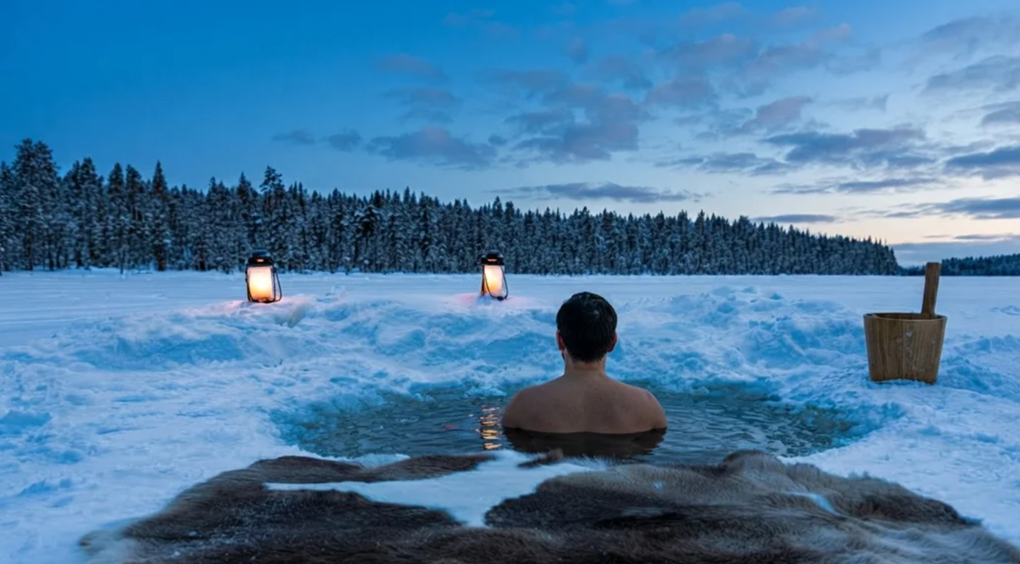
There is something elemental about the cycle of heat, cold, and rest. The practice is ancient, rooted in sweat lodges, pit saunas, and Nordic bathhouses, yet it feels startlingly modern in our overstimulated age. The ritual is simple—warm the body in a sauna, shock it with a cold plunge, then rest at a neutral temperature—but the effect is profound.
Advocates praise the health benefits: improved circulation, reduced inflammation, deeper sleep, and the ever-popular promise of “detoxification.” But beyond the science lies something more elusive. In a world of constant notifications, the act of surrendering to extremes and listening to the body feels radical.
At Circle Wellness Spa, the AI voice may guide you, but the real luxury is the silence between cues, the moment when you realize you are fully present. Contrast therapy is not just about physical recovery; it is about reclaiming rhythm. The hot-cold cycle forces you to slow down, to notice the sensations of your body, to measure time not by screens but by breath.
It is a ritual that reminds us of our resilience, and in doing so, it offers a kind of joy that feels sharper, more earned.
Circle Wellness Spa: A Modern Sanctuary
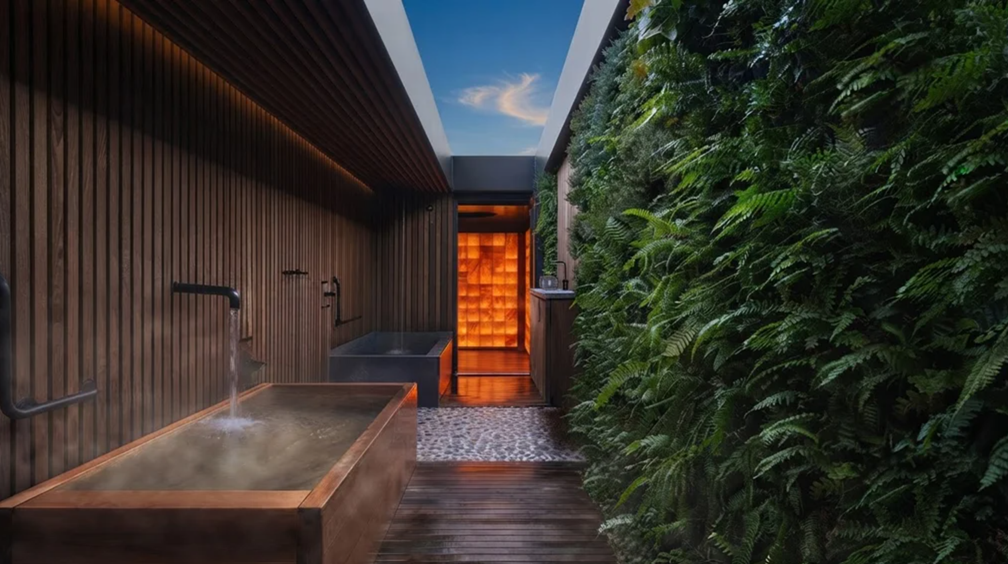
Hidden behind black gates on Granville Island, Circle Wellness Spa is a sanctuary of contrasts. It is high-tech yet deeply human, blending automated soundscapes with handcrafted cedar tubs. Guests move through a circuit of hot water, icy plunge pools, and salt-lit WellPods, guided by ethereal audio that feels cinematic.
The experience is immersive, eerie in its precision, yet grounding in its effect. The cedar tub glows under moody light, steam rising into the night sky framed by an open ceiling. December air slips in, sharp and bracing, reminding you that discomfort is part of the ritual.
The plunge pool shocks the system, forcing involuntary grunts and gasps, but the reward is a rush of vitality. Then comes the WellPod, its walls lined with glowing salt bricks, its soundtrack a haunting flute. Here, time dissolves. Minutes stretch into something timeless, and you emerge altered—softer, calmer, more awake.
Circle is not just a spa—it is a meditation on modern life, inviting guests to disconnect from screens and reconnect with sensation. It is luxury redefined, not by excess but by presence.
Scandinave Spa: The Pioneer
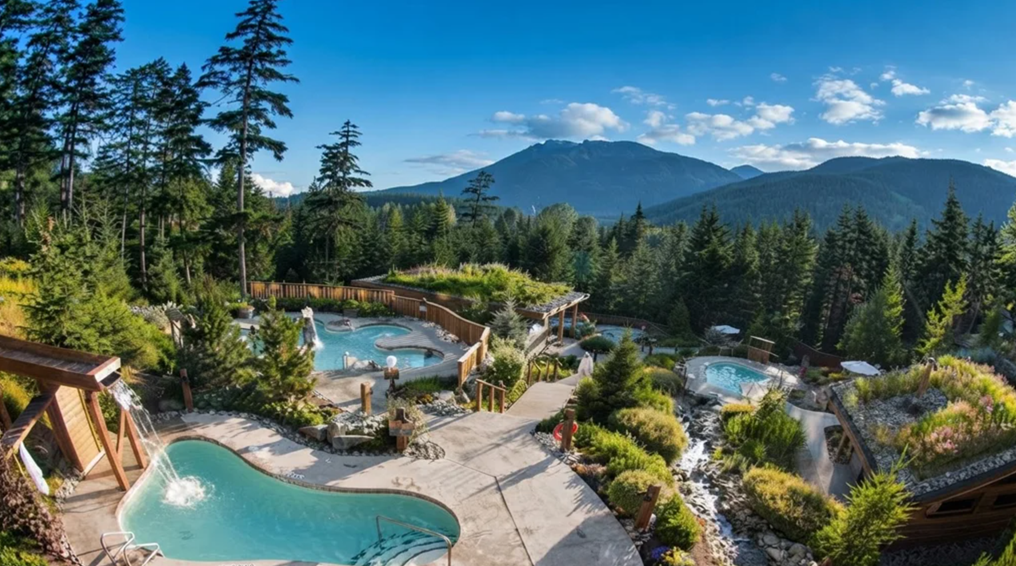
The Scandinave Spa in Whistler introduced the Nordic circuit to the West Coast in 2010. Its formula—hot, cold, rest—proved irresistible to skiers and non-skiers alike. Over time, the concept spread beyond the mountains, inspiring urban variations across Vancouver.
Scandinave remains a destination, but its influence is visible everywhere, from boutique pods to mobile saunas. It was the spark that lit the fire, showing locals that the ritual was not just indulgence but a way of life. Scandinave’s pools and saunas became a pilgrimage site, a place where the city’s pace slowed and the body’s rhythm took precedence.
From there, the culture tumbled down the mountain, reshaping Vancouver’s wellness landscape.
Vancouver’s Sauna Circuit Hotspots
The city now offers a spectrum of experiences, each with its own rhythm and personality. At Tality Spa, hidden behind a kombucha bar, private pods and communal circuits invite both solitude and social connection. The Willow Stream Spa pairs cedar saunas with a rooftop pool, offering city views alongside relaxation.
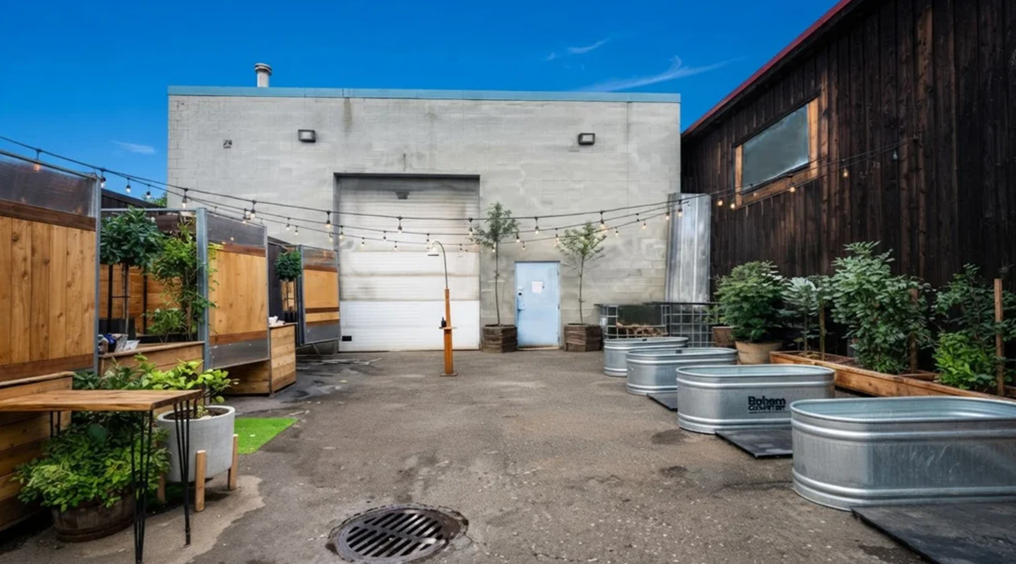
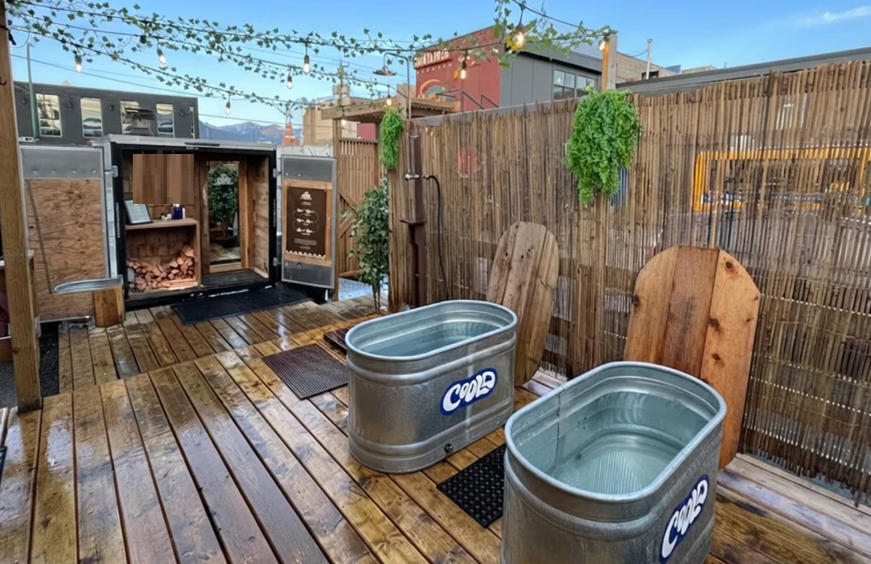
The Good Sauna roams East Van yards, a mobile sauna complete with fire pits and ice troughs. At Jericho Beach, the Finnish Sauna parks by the ocean, daring guests to plunge into February waters before retreating to sizzling rocks. And in Victoria, Ritual Nordic Spa encourages head dunks in the plunge pool, amplifying the body’s response.
Each destination offers its own variation, but all share the same philosophy: discomfort braided with luxury, resilience intertwined with joy. These hotspots are not just places to sweat and shiver; they are social spaces, gathering points, and cultural experiments.
They invite Vancouverites to reimagine wellness not as isolation but as community, not as indulgence but as resilience.
Personal Journeys into Heat and Cold
For many, sauna and cold plunge culture begins not in luxury spas but in rivers, lakes, and makeshift sanctuaries carved out of the wilderness. At fourteen, on a horseback trip through Alberta’s Rockies, a group of teenagers piled hot stones into a campfire, then moved them beneath a tarp to create a rudimentary sauna. When the heat became unbearable, they burst out from the plastic cocoon and plunged into glacial waters. It was primal, exhilarating, unforgettable—a first taste of the hot-cold cycle that would linger long after the ride ended.
Since those beginnings, the journey has stretched across continents and contexts. Portable sauna trucks parked near Deep Cove offered a chance to sweat before plunging into the ocean. Guided sauna yoga sessions in New York layered movement and music into the ritual, transforming it into something both meditative and communal. The serene pools of the Scandinave Spa in Whistler revealed the practice in its most refined form, a carefully choreographed circuit of heat, cold, and rest. Each experience reinforced the same truth: the hot-cold cycle is not simply about wellness—it is about awakening.
Discomfort, in this context, is not the enemy but the threshold to vitality. The shock of icy water, the suffocating embrace of steam, the stillness of rest—all of it conspires to remind the body of its resilience. The ritual is a dialogue between extremes, a reminder that vitality is found not in ease but in contrast.
Why It Matters Now
In anxious times, the appeal of sauna circuits is clear. They offer disconnection, a rare chance to step offline. They foster community, whether with friends, teammates, or strangers. They build resilience, teaching grit through discomfort. And they amplify joy, reminding us that pleasure is sharper when paired with challenge.
The ritual is not just about health—it is about remembering what it feels like to be fully alive. In a culture that prizes convenience, the sauna circuit insists on effort. In a world that celebrates comfort, it demands discomfort. And in doing so, it offers something rare: authenticity.
What to Know Before You Go
Timing is everything. Aim for ten to fifteen minutes in the sauna, one minute in the plunge, then ten minutes of rest. Hydration is essential; bring water and sip often. At Ritual Nordic Spa, they suggest submerging your head for a deeper reset, amplifying the body’s response.
But the practice is not for everyone—consult a doctor if pregnant or managing health concerns. And don’t forget to suit up. Most spas are communal, so a bathing suit is required, along with, as one spa owner advises, “a willingness to suffer.” These guidelines are not rules but invitations.
They remind you that the ritual is flexible, adaptable to your body’s rhythm. The point is not perfection but presence.
Conclusion: A Culture of Contrast
From Granville Island’s Circle Wellness Spa to mobile saunas by the ocean, Vancouver has embraced the art of contrast. The ritual is ancient, but its modern revival speaks to contemporary needs: to disconnect, to reconnect, to endure discomfort, and to rediscover joy.
Sauna and cold plunge culture is more than a trend—it is a way of remembering what it feels like to be fully awake. At nearly every corner of the city, from kombucha bars to oceanfront saunas, Vancouverites are choosing to sweat, shiver, and rest. They are choosing discomfort as a path to resilience, silence as a form of luxury, and contrast as a way of life.
In doing so, they are not just following a wellness trend—they are participating in a cultural shift, one that values presence over distraction, effort over ease, and joy sharpened by challenge.