
There is something undeniably romantic about the idea of eating from the wilderness. Game meat carries with it the taste of untamed landscapes, the echo of ancient hunts, and the nourishment of food unaltered by modern industry. Unlike supermarket cuts wrapped in plastic, game is leaner, cleaner, and often richer in nutrients.
It is free of hormones and antibiotics, and its flavor is shaped by forage, migration, and survival. Alongside its earthy character, game delivers essential Omega‑3 and Omega‑6 fatty acids, long praised for their role in protecting the heart. To eat game is to taste the wild itself.
It is to step into a tradition as old as humanity, where survival and sustenance were bound to the chase, and where the flavor of meat was inseparable from the land that nurtured it.
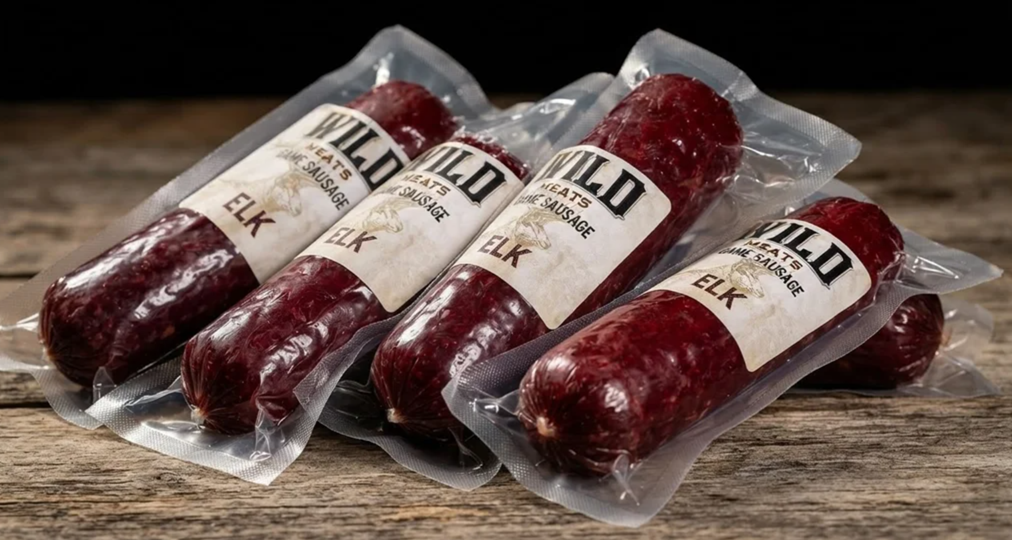
Hunting and Heritage
For early hunter‑gatherers, wild game was not a delicacy but a necessity. Protein meant satiety, strength, and endurance across vast landscapes. The hunt was survival, but it was also ritual. Fireside meals became the heart of community, and recipes were born from necessity, passed down through generations.
Even after domestication changed the human diet, cultures continued to hunt — not only for sustenance but to preserve recipes and rituals. Today, much of what we call “game” is farm‑raised, technically exotic meat rather than truly wild. Yet the allure remains: a connection to the primal past, a taste of untamed nature.
The Flavor of the Wild
Game meat is not simply food; it is a story of landscapes, migrations, and traditions. Its “gamey” taste — sometimes sharp, sometimes floral — reflects the forage and freedom of the animal’s life. Domesticated meats, raised on controlled diets, cannot replicate this complexity.
The flavor of elk carries the mineral tang of mountain grasses. Moose meat whispers of willow buds. Caribou tastes of tundra winds. Rabbit, delicate and earthy, recalls hedgerows and meadows. Each bite is a geography lesson, a sensory map of the animal’s journey.
Venison: The Classic of the Hunt
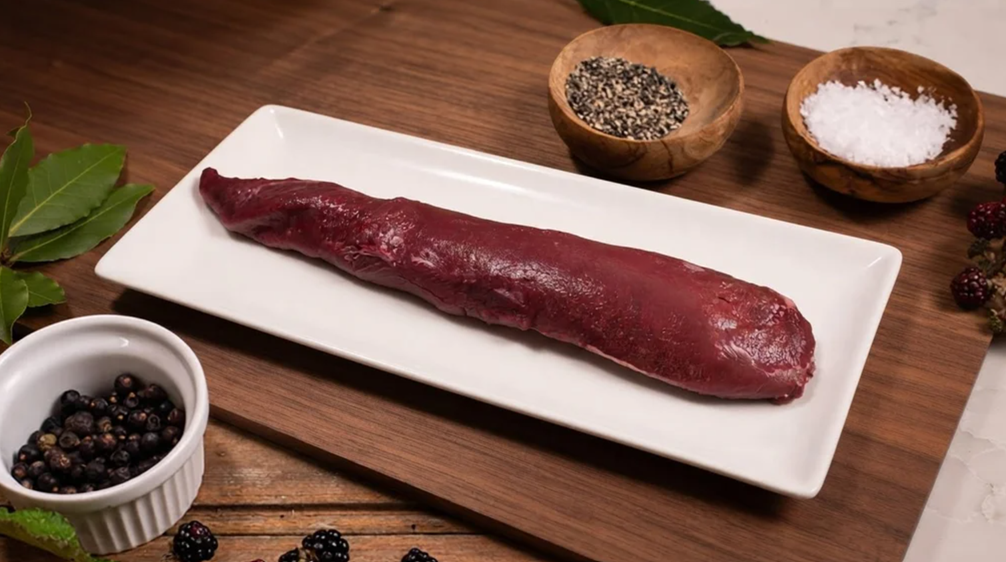
Venison, the meat of deer, is one of the most beloved wild proteins. Deeply flavored yet finer in texture than beef, it is high in protein and iron but low in saturated fat. Tender cuts like the loin or tenderloin shine when cooked medium‑rare, while tougher sections — shoulder, shank, neck — lend themselves to slow braises.
Venison chili, simmered with beans and corn, is a modern echo of an ancient staple. Fajitas with venison medallions bring a rustic twist to a tortilla dinner. Venison is typically hunted rather than farmed, making it one of the truest game meats still widely consumed.
Rabbit: The Delicate Protein
Sweet, lean, and delicate, rabbit is among the healthiest meats available. With fewer calories than poultry, it offers high protein and iron in a tender bite reminiscent of chicken. Farm‑raised rabbit is softer and fattier, while wild rabbit is darker, tougher, and demands longer cooking.
Braised with crème fraîche and quince, rabbit becomes a dish of rustic elegance. Flash‑fried, it offers a playful spin on fried chicken. Rabbit’s versatility has made it a staple in country kitchens and trattorias. It is a meat that bridges the rustic and the refined.
Elk: Rising Star of the Menu
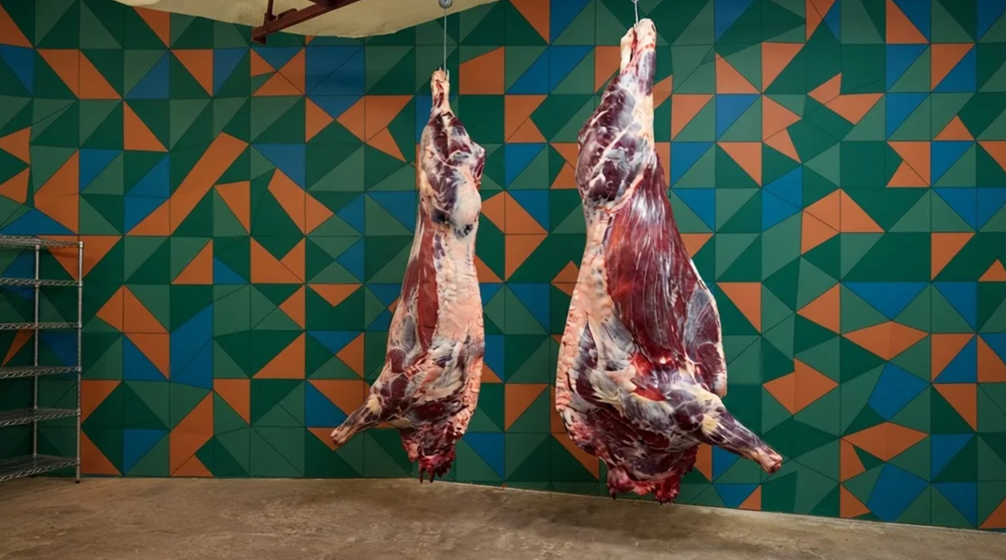
Elk has surged in popularity, its presence on menus rising over 100% in recent years. Richer than beef yet leaner than venison, elk carries a mineral depth and a hearty flavor. Cuts like tenderloin and loin are prized, while sirloin and top round offer versatility. Cooked gently to 130–140°F, elk retains its succulence.
Farm‑raised elk, fed on alfalfa and grasses, tastes closer to beef, while wild elk carries a sharper, gamey edge. Elk jerky, tenderloin steaks, and slow‑braised roasts showcase its adaptability. Elk is also high in iron, zinc, and phosphorous, making it as nourishing as it is flavorful. Its rise in popularity reflects a growing appetite for meats that are both healthy and adventurous.
Bison: The Accessible Exotic
Bison is the bridge between beef and game. Less greasy than beef, with fewer calories, it makes an excellent burger or chili base. Because of its low fat, bison must be handled carefully — removed from heat the moment it finishes cooking. Brisket suits stews, while sirloin and rounds are best pan‑seared.
Ground bison is widely available in grocery stores, making it one of the most accessible exotic meats. Bison carries with it the history of the northern plains, where herds once thundered across grasslands. To eat bison is to taste a piece of that heritage, even if most bison today is farm‑raised.
Moose: The Giant of the Forest
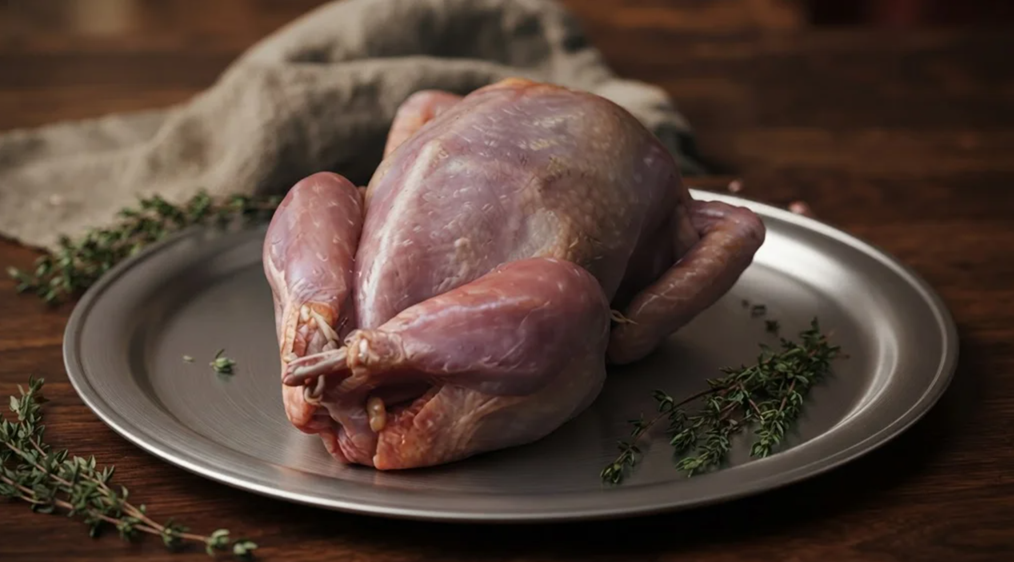
Moose, towering and nomadic, cannot be farmed. Its meat is dark, lean, and tough, with a floral undertone from willow buds in its diet. Cuts mirror those of beef — shank, rib, sirloin, brisket — but require patience in preparation. A single moose, weighing over 1,000 pounds, can feed a family for months if stored well.
Its meat is a treasure of the northern forests, a reminder of the vastness of wilderness. Moose meat is not for the faint of heart. It demands respect, both in the hunt and in the kitchen. But for those who embrace it, moose offers a flavor unlike any other.
Caribou: The Nomad’s Meat
Caribou, or reindeer, offers a flavor akin to beef but milder than venison. Its texture recalls veal, soft yet lean, with no marbling. Bulls in rut season develop a liver‑like taste, while cows remain consistent. Caribou lends itself to sausages, jerky, and stocks made from marrow, tongue, or heart.
It is a meat of endurance, capable of being dried or frozen for long journeys. For nomadic peoples of the Arctic, caribou was more than food — it was survival. Every part of the animal was used, from meat to marrow, from hide to sinew. To eat caribou today is to honor that tradition.
The Gamey Edge
The word “gamey” often divides diners. Some find it thrilling, a taste of the wild. Others find it sharp, even sour. The flavor comes from the animal’s foraging behavior, from diets of grasses, buds, and berries. Game meats are leaner than domesticated meats, with less fat to soften their flavor.
They demand careful cooking — gentle heat, patient braising, respect for the cut. Overcooked venison becomes rubbery. Overdone bison dries out. Elk, moose, and caribou each require their own approach. To embrace game is to embrace its difference. It is not beef, not chicken. It is wild, and it tastes of the wild.
Cooking with Respect
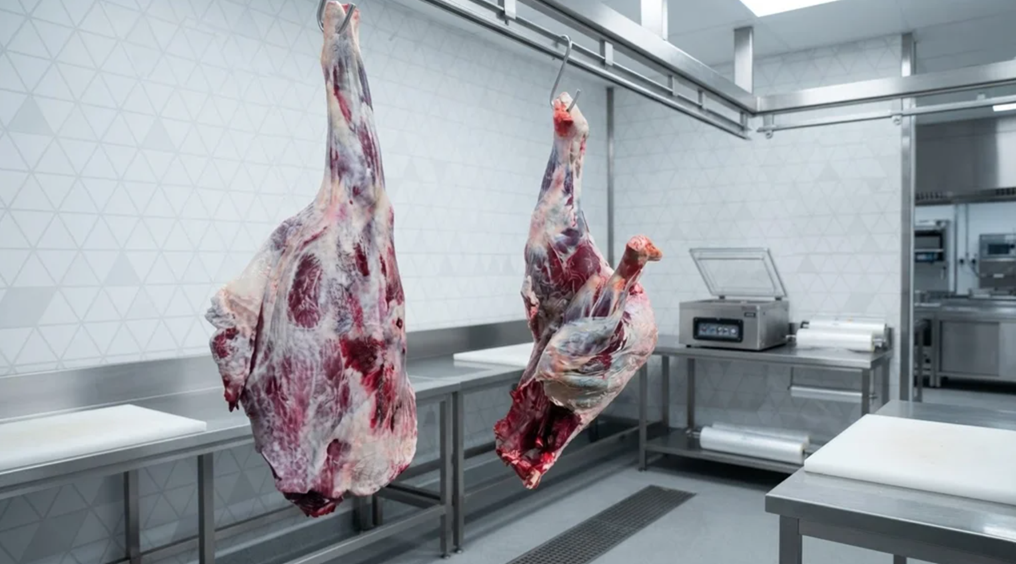
If you want to purchase game meat from a butcher, ask about flavor, texture, and preparation. Each meat has its own character, its own demands. Venison tenderloin: serve medium‑rare. Rabbit: braise for tenderness. Elk: cook gently to preserve moisture. Bison: remove from heat immediately. Moose: slow cook to soften toughness. Caribou: dry or freeze for preservation.
Cooking game is not about disguising its flavor but about honoring it. Herbs, spices, and sauces should complement, not overwhelm. Juniper berries with venison, rosemary with rabbit, garlic with elk — each pairing enhances the natural taste.
The Modern Wilderness
Today, much of the game sold in shops is farm‑raised. Technically, it is exotic meat rather than true game. Yet the appeal remains. To eat elk, bison, or rabbit is to step outside the ordinary, to taste something different. Restaurants increasingly feature game on their menus, reflecting a growing appetite for adventurous eating.
Elk steaks, bison burgers, venison ragù — these dishes bring the wild to the urban table. For hunters, game remains a tradition, a connection to land and heritage. For diners, it is a choice, a way to explore flavor and health. For both, it is a reminder that food is more than sustenance — it is story, culture, and identity.
Conclusion: The Taste of Untamed Nature
Game meat is more than protein. It is history, geography, and tradition on a plate. It is leaner, healthier, and richer in flavor than domesticated meat. It carries the taste of landscapes, the echo of hunts, the nourishment of survival. To eat game is to taste the wild itself.
It is to honor the past, embrace the present, and savor the untamed. Whether venison chili, rabbit braise, elk steak, bison burger, moose roast, or