Travelers arriving at Vancouver International Airport often face a choice between two familiar ground transport options: the regulated taxi service and app‑based rideshares such as Uber and Lyft. Both provide direct transfers to downtown Vancouver, both operate with similar travel times, and both appeal to different types of passengers depending on luggage, group size, and arrival time.
Taxi Service: Structure and Reliability
Taxis remain the most traditional option for airport transfers. At YVR, the system is regulated, with flat‑rate zone fares that range from CAD $36 to $45 for most downtown hotels. This eliminates uncertainty about pricing and ensures that passengers know the cost before departure.
Travel time varies between 25 and 45 minutes depending on traffic conditions, particularly during rush hour or when bridges into the city are congested. For families, taxis offer convenience. The door‑to‑door service means luggage can be loaded directly into the vehicle, and passengers are delivered to their hotel entrance without transfers or walking.
For late‑night arrivals, taxis are especially valuable, as the SkyTrain ceases operation shortly before 1 AM. Unlike rideshares, taxis do not apply surge pricing, so costs remain consistent regardless of demand.

Taxi Infrastructure at YVR
The airport has designated taxi ranks located outside Terminal 1 and Terminal 3. These areas are clearly marked, staffed by attendants, and organized to manage queues efficiently. Vehicles are licensed, insured, and inspected regularly, providing assurance of safety and reliability. Payment methods include cash and card, and tipping is customary.
The system is designed to handle high passenger volumes, particularly during peak travel seasons. For visitors unfamiliar with Vancouver, the regulated structure reduces stress, as there is no need to negotiate fares or worry about unexpected charges.
Uber and Lyft: Flexibility and Technology
Rideshare services such as Uber and Lyft provide an alternative that appeals to travelers who prefer app‑based booking and cashless payment. Travel times are similar to taxis, averaging 25 to 45 minutes depending on traffic. Costs range from CAD $30 to $50 for standard vehicles (UberX or Lyft Standard) and CAD $45 to $70 for larger vehicles (UberXL or Lyft XL).The primary advantage of rideshares is flexibility.
Passengers can book directly through the app, track the driver’s arrival, and pay automatically without handling cash or cards. For groups of two to four, rideshares often provide better value than taxis, especially when splitting the fare.
Pickup Process for Rideshares
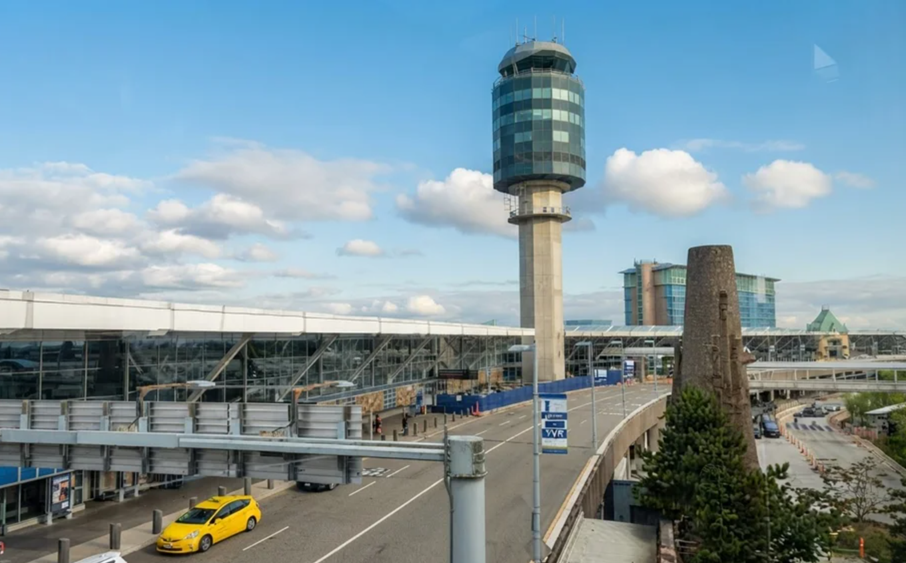
At YVR, rideshare pickups occur at designated Ride App curbs, separate from taxi bays. This distinction is important, as passengers must follow signage to the correct location. The process is straightforward once understood, but first‑time users may need to adjust to the difference.
Prices vary with demand, and surge pricing can apply during peak hours or special events. This means costs are not fixed, unlike taxis. However, passengers benefit from transparency in the app, which displays the fare estimate before booking.
Comparative Suitability
Taxis are best suited for families, passengers with heavy luggage, and late‑night arrivals after the SkyTrain closes. The regulated pricing and door‑to‑door service provide reliability and convenience. Rideshares are ideal for groups of two to four, travelers comfortable with mobile technology, and those seeking cashless transactions.
Both options deliver passengers directly to their destination, avoiding transfers and minimizing walking. The choice often depends on personal preference, group size, and arrival time.
Cost Analysis
The cost difference between taxis and rideshares is not substantial, but it can be significant for budget‑conscious travelers. Taxis charge a flat rate of CAD $36–45, while rideshares fluctuate between CAD $30 and $50 for standard service. Larger rideshare vehicles cost more, but they accommodate additional passengers and luggage.
For solo travelers, the SkyTrain remains the most economical option at CAD $7.75–9.00. However, for groups, rideshares can be competitive, especially when splitting fares. Taxis maintain consistency, which is valuable for passengers who prefer predictable costs.
Travel Time Considerations
Both taxis and rideshares are subject to traffic conditions. Travel times range from 25 to 45 minutes, with longer durations during rush hour. The SkyTrain avoids traffic entirely, but it operates only until 12:57 AM. For late‑night arrivals, taxis and rideshares are the only practical options.

Practical Notes for Travelers
Passengers should consider luggage, group size, and arrival time when choosing between taxis and rideshares. Taxis provide immediate availability at designated ranks, while rideshares require app booking and pickup at specific curbs. Payment methods differ: taxis accept cash and card, while rideshares are cashless.
For visitors unfamiliar with Vancouver, taxis offer simplicity and regulated pricing. For tech‑savvy travelers, rideshares provide flexibility and transparency. Both options integrate smoothly with the airport’s infrastructure, ensuring reliable transfers to downtown.
Integration with Vancouver’s Transport Identity
The coexistence of taxis and rideshares at YVR reflects Vancouver’s balanced approach to transport. The city values regulated services that ensure safety and fairness, while also embracing technological innovation that offers flexibility and choice.
For visitors, the availability of both options demonstrates Vancouver’s commitment to accessibility and convenience.
Conclusion
The decision between taxi and rideshare is ultimately a matter of preference. Taxis provide reliability, regulated pricing, and immediate availability. Rideshares offer flexibility, cashless payment, and competitive fares for groups. Both deliver passengers directly to downtown Vancouver in 25 to 45 minutes, making them practical alternatives to the SkyTrain.