For travelers arriving at Vancouver International Airport, buses and the NightBus service represent the most economical way to reach the city. While slower than the SkyTrain or direct car services, they provide essential coverage for budget‑conscious passengers and those arriving outside rail operating hours.
Standard Bus Services
Daytime bus routes connect the airport to surrounding neighborhoods and transit hubs. Travel times range from 45 to 75 minutes, often requiring one or more connections. The cost is low, between CAD $2.60 and $3.20 depending on zones, making buses the cheapest option for reaching destinations not directly served by the SkyTrain.
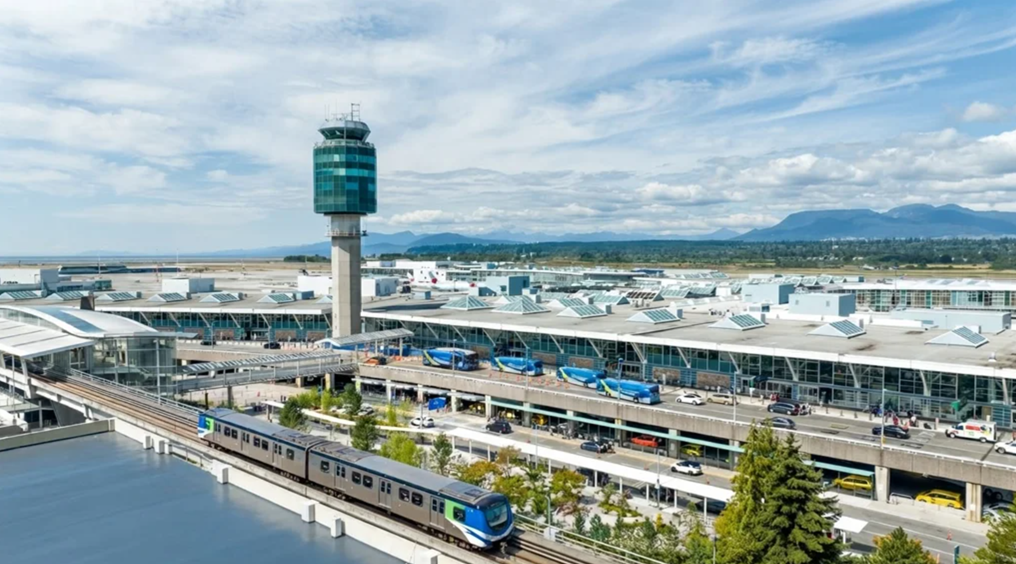
Passengers boarding buses at YVR can expect basic facilities: covered stops, posted schedules, and integration with the wider TransLink system. While less convenient than rail, buses extend coverage to areas beyond the Canada Line corridor, serving residential districts and suburban communities.
For travelers heading to Richmond, South Vancouver, or other suburban destinations, buses may actually be more direct than the SkyTrain.
NightBus Service
The N10 NightBus is the primary option when the SkyTrain is closed, operating between 1 AM and 5 AM. This route connects the airport to downtown Vancouver, ensuring that passengers arriving on late flights still have access to public transport. Travel times are longer than rail, often exceeding an hour, but the service is reliable and consistent.
For budget travelers, the NightBus is invaluable. At a fare of CAD $3.20, it provides access to the city at a fraction of the cost of taxis or rideshares. The route is designed to cover key corridors, balancing affordability with accessibility. For passengers arriving after midnight, the NightBus is often the only public transport option available.
Suitability for Travelers
Buses and the NightBus are best suited for passengers prioritizing cost over speed. Backpackers, students, and budget‑conscious visitors benefit from the low fares. Travelers not heading directly downtown may also find buses more practical, as they connect to suburban destinations without requiring a transfer through the city centre.
Families or passengers with heavy luggage may find buses less convenient, as boarding requires handling bags without assistance. For late‑night arrivals, however, the NightBus provides a critical alternative to higher‑priced services.
Cost and Payment
The fare structure is straightforward. A single ride costs CAD $2.60 to $3.20 depending on zones, and transfers are included within a 90‑minute window. Payment can be made using Compass Cards, mobile devices, or cash. Compared to taxis at CAD $36–45 and rideshares at CAD $30–50, buses represent significant savings.
Day passes are available for CAD $11.50, offering unlimited travel across the system. For visitors planning multiple trips in a single day, this option provides excellent value. For longer stays, Compass Cards can be loaded with stored value or monthly passes, further reducing costs.
Travel Time and Connections
Travel times for buses vary widely. A direct route may take 45 minutes, while journeys requiring transfers can exceed 75 minutes. The NightBus is slower, often taking more than an hour to reach downtown. Passengers should plan accordingly, allowing extra time for connections and potential delays.
The trade‑off is coverage. Buses reach areas not served by the SkyTrain, making them useful for travelers heading to suburban destinations. For those willing to accept longer travel times, buses provide flexibility at minimal cost.
Infrastructure and Accessibility
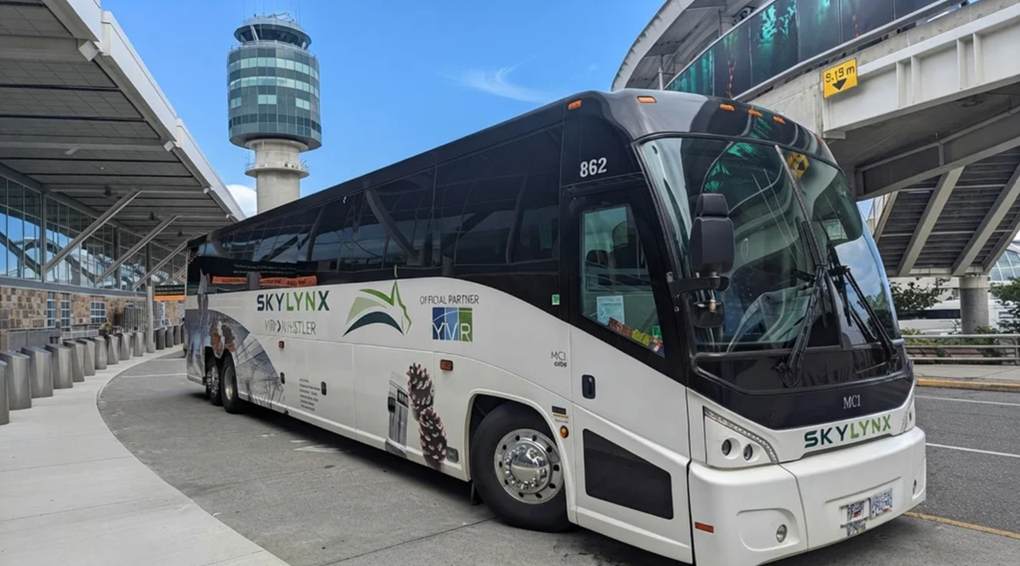
Bus stops at YVR are clearly marked and integrated into the airport’s ground transportation system. Shelters provide protection from weather, and schedules are posted for convenience. Vehicles are wheelchair accessible, ensuring inclusivity for passengers with mobility needs.
The NightBus operates on a fixed schedule, with departures timed to align with late‑night arrivals. While facilities are basic compared to rail stations, the system is functional and reliable.
Comparative Analysis
Compared to the SkyTrain, buses are slower and less direct. However, they are significantly cheaper and provide coverage to destinations beyond the rail corridor. Taxis and rideshares offer speed and convenience but at much higher costs. For passengers arriving after 1 AM, the NightBus is the only public transport option, making it essential despite longer travel times.
Traveler Scenarios
Consider a student arriving late at night with limited funds. The NightBus allows them to reach downtown for just over three dollars, saving more than thirty dollars compared to a taxi. A backpacker heading to a hostel in East Vancouver may find the bus more direct than the SkyTrain, avoiding transfers.
A family with multiple suitcases, however, may prefer a taxi despite the higher cost, valuing convenience over savings.
Integration with Vancouver’s Transport Identity
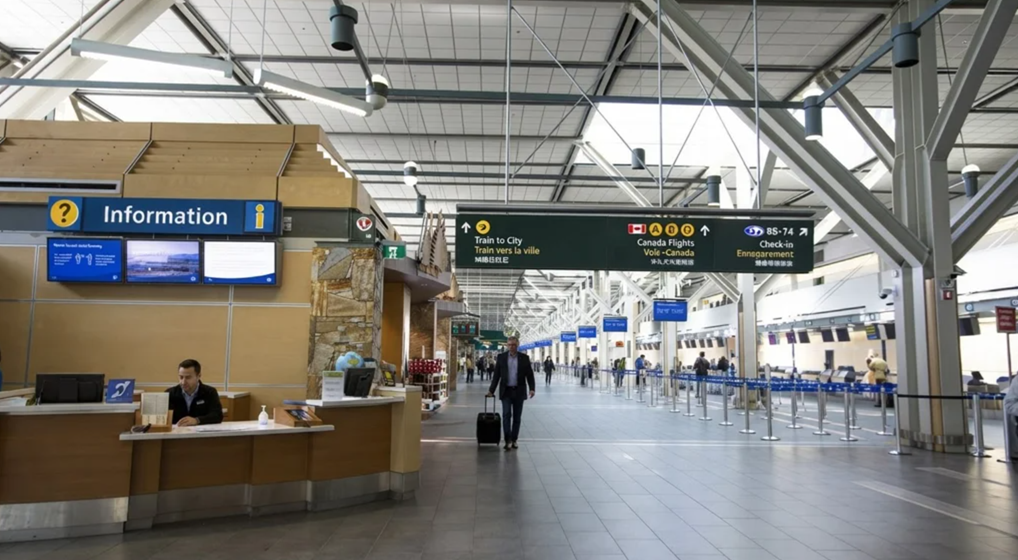
The bus and NightBus services reflect Vancouver’s commitment to comprehensive public transport. By maintaining coverage during late‑night hours and extending routes beyond the city centre, TransLink ensures accessibility for all passengers.
The system balances affordability with inclusivity, reinforcing Vancouver’s identity as a city that values sustainable and equitable transport.
Conclusion
Buses and the NightBus provide essential services for travelers seeking affordable transfers from Vancouver International Airport. While slower than rail or car services, they offer unmatched value, connecting passengers to both downtown and suburban destinations.
For budget travelers and late‑night arrivals, these services are indispensable, demonstrating Vancouver’s dedication to accessible public transport.