
The Threshold Outside Schiphol
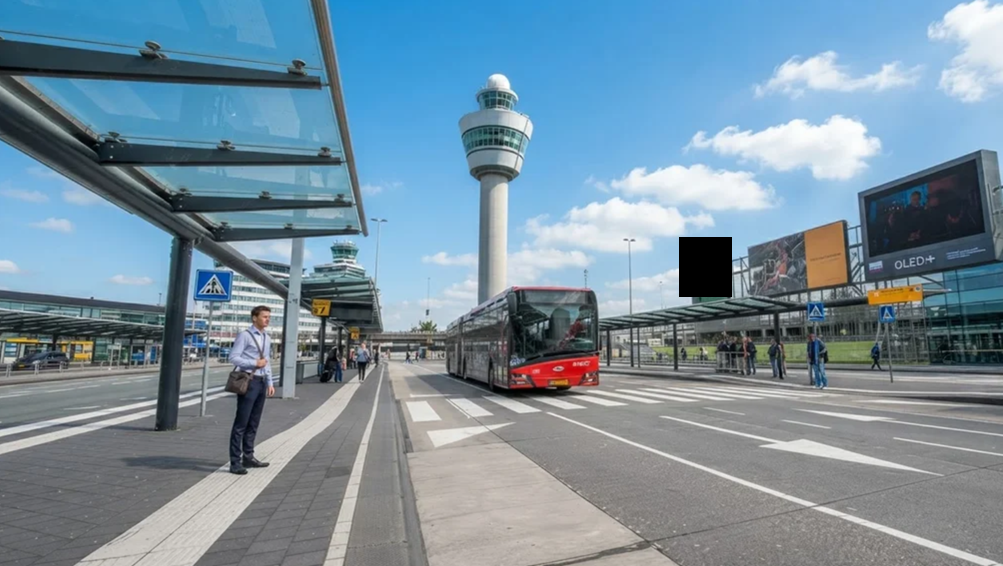
Schiphol Airport is a place of constant motion — glass concourses, polished floors, the hum of luggage wheels. Yet to truly leave the airport, you must step outside. Past the sliding doors of Schiphol Plaza, the air feels different: cooler, more open, tinged with the scent of jet fuel and the faint rhythm of traffic.
Here, at bus stop B17, the Bus 397 waits. Its red and white body is unmistakable, a vehicle poised to carry travellers not just into the city, but into its cultural heart. Unlike the train station hidden beneath the plaza, the bus is visible, communal, exposed to the sky.
Boarding feels less like slipping into infrastructure and more like joining a shared journey. You stand among tourists clutching maps, locals with shopping bags, students with headphones — all bound for Amsterdam, all gathered at the same threshold.
The Ride: A Gradual Unfolding
The journey lasts 30 to 45 minutes, depending on traffic. It is slower than the train, but slowness here is not a flaw; it is a gift. The bus glides through suburbs, past canals, and into the arteries of the city. You see Amsterdam unfold gradually, layer by layer. First come the outskirts: industrial parks, low‑rise housing, the quiet geometry of Dutch infrastructure.
Then the bus threads into leafy avenues, where cyclists glide past and children play near canals. Finally, the cultural anchors appear — the Museumplein, the Rijksmuseum, the lively square of Leidseplein. This gradual unfolding is atmospheric. It allows you to witness the city’s rhythm before you step into it fully. The bus is not merely transport; it is a moving vignette, a preview of Amsterdam’s daily life.
The Fare: A Cashless Gesture
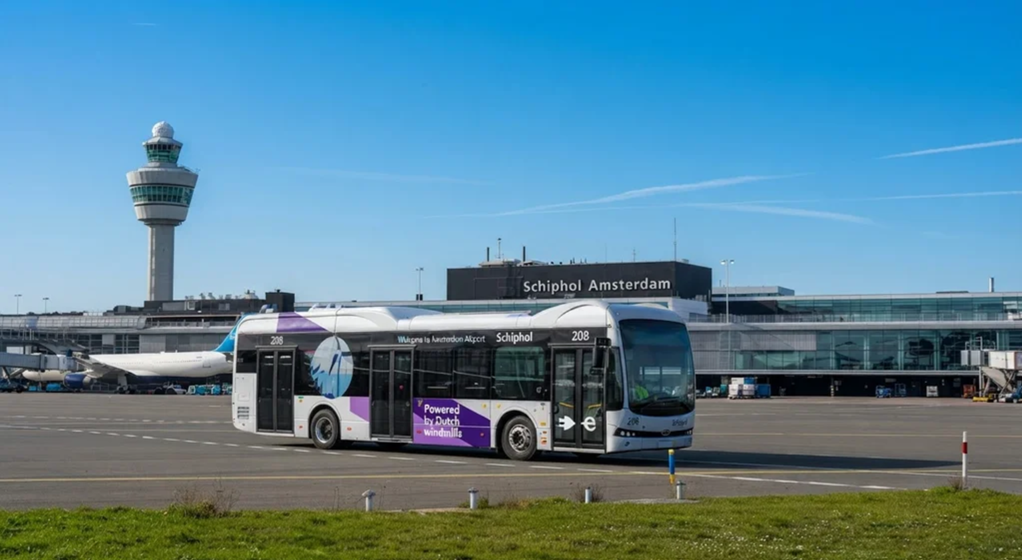
Tickets are simple: €6.50 one‑way, €11.75 return. Payment is cashless — debit or credit card only, tapped against the reader as you board. This small gesture feels emblematic of Amsterdam’s pragmatism. No coins, no paper slips, no fumbling. Just a tap, a nod, and you are part of the journey.
It is democratic, too. The same system serves tourists arriving for the first time and locals heading home. The fare is modest, accessible, and reflective of the Dutch ethos: travel should be frictionless, uncomplicated, and fair.
Frequency: The Pulse of Ten Minutes
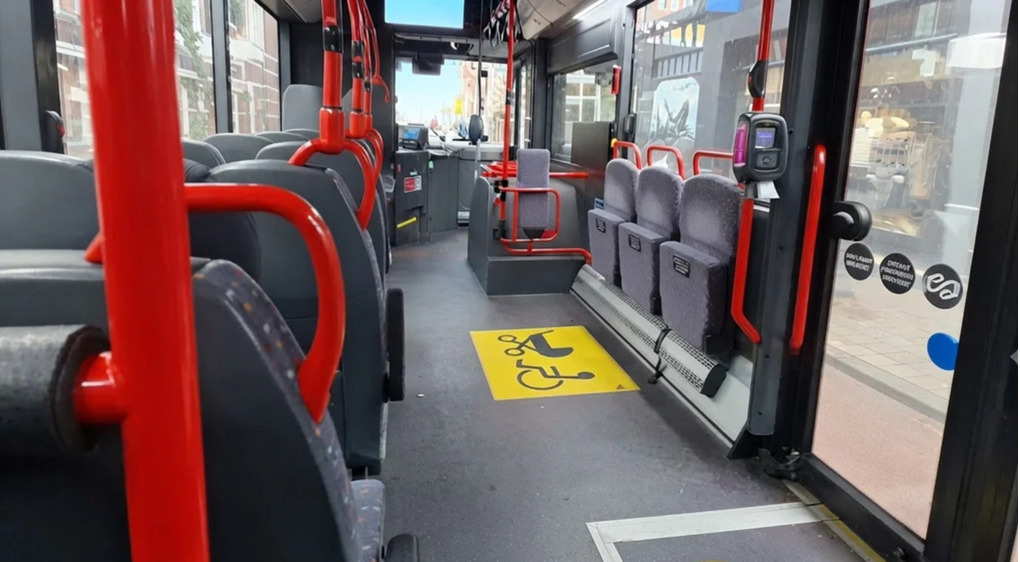
By day, the bus runs every ten minutes, a steady pulse that reassures the traveller. You never wait long; the rhythm is constant, dependable. At night, when the city quiets, the N97 night bus takes over, hourly but reliable. This frequency means you are never stranded.
Whether you arrive in the golden light of afternoon or the hush of midnight, the bus is there. It is a thread that ties airport to city across hours, a rhythm that makes Amsterdam accessible at all times.
Destinations: Anchors of Culture
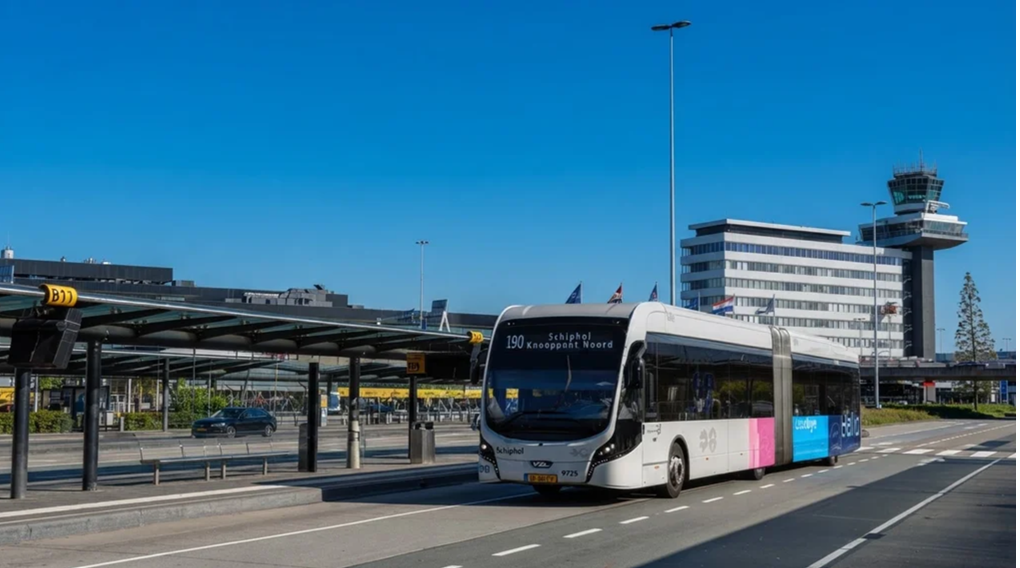
The Airport Express is best for those bound for the Museum Quarter, the Rijksmuseum, or the lively squares of Leidseplein. It delivers you directly to these cultural anchors, sparing you the detour through Centraal Station. For travellers whose Amsterdam begins with art, the bus is purposeful.
It carries you not to the city’s transport hub, but to its soul. You step off near galleries, concert halls, and theatres — places where Amsterdam’s identity is most vividly expressed.
Practical Notes for Travellers
Payment: Debit/credit card only; no cash accepted.
Timing: 30–45 minutes, longer in rush hour.
Frequency: Every 10 minutes by day, hourly at night (N97).
Best for: Direct access to Museumplein, Rijksmuseum, Leidseplein.
The Atmosphere of Arrival
The bus does not rush you. It allows the city to unfold gradually, to reveal itself in layers. You watch as the airport recedes, as suburbs give way to canals, as the cultural heart approaches. It is a slower threshold, but one rich in detail. For those who value atmosphere over speed, the bus is a gift. It is a moving vignette of Amsterdam before you step into its streets, a communal passage that immerses you in the city’s rhythm.