
At its simplest, the frikandel is a skinless, deep‑fried sausage. Yet that description hardly captures its essence. Unlike a traditional sausage, it is a hybrid creation, a blend of meats—usually chicken and beef—mixed with breadcrumbs, water, and spices.
The meat is often mechanically separated, a process that grinds what remains after the prime cuts are removed. This has earned the frikandel its reputation as the “Frankenstein of sausages.”.
The Snackbar Habitat
The frikandel thrives in its natural environment: the Dutch snackbar. Step into one of these fluorescent trattoria of fast food, and you’ll find frikandellen lined up beside kroketten and bitterballen. They also lurk in supermarket freezers, ready to be fried at home. The frikandel is not haute cuisine; it is everyday indulgence, a quick bite between errands, or the greasy companion to late‑night revelry.
Variants and Transformations
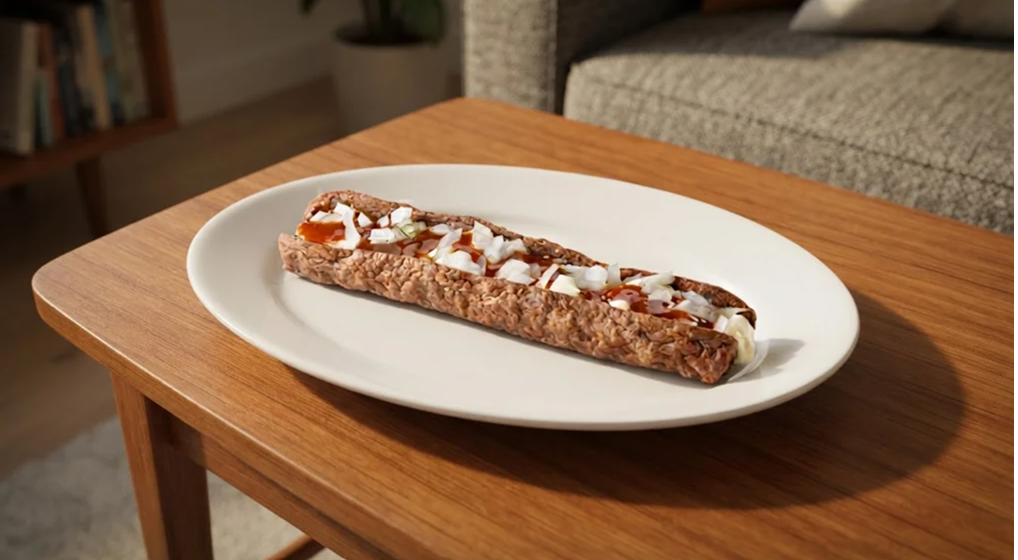
Over time, the frikandel has evolved into multiple forms. The frikandelbroodje tucks the sausage into pastry with curry sauce, resembling a Dutch take on the sausage roll. The frikandel speciaal splits the sausage open and fills it with mayonnaise, curry ketchup, and raw onions—a messy, tangy concoction beloved by many.
Then there are the experiments: the loempidel, which wraps the frikandel in spring‑roll pastry; the frikandel XXL, weighing in at 250 grams; and the pesto frikandel, dressed with pine nuts and Parmesan for the food snobs. Some attempts—like chocolate frikandellen—have thankfully faded into obscurity.
A Nation’s Appetite
Statistics reveal the depth of Dutch devotion: more than 599 million frikandellen are eaten annually, averaging 35 per person. That makes it not just a snack but a cultural phenomenon. For some, it is nostalgia wrapped in grease; for others, a guilty pleasure. For many, it is simply part of life.
The Vegetarian Revolution
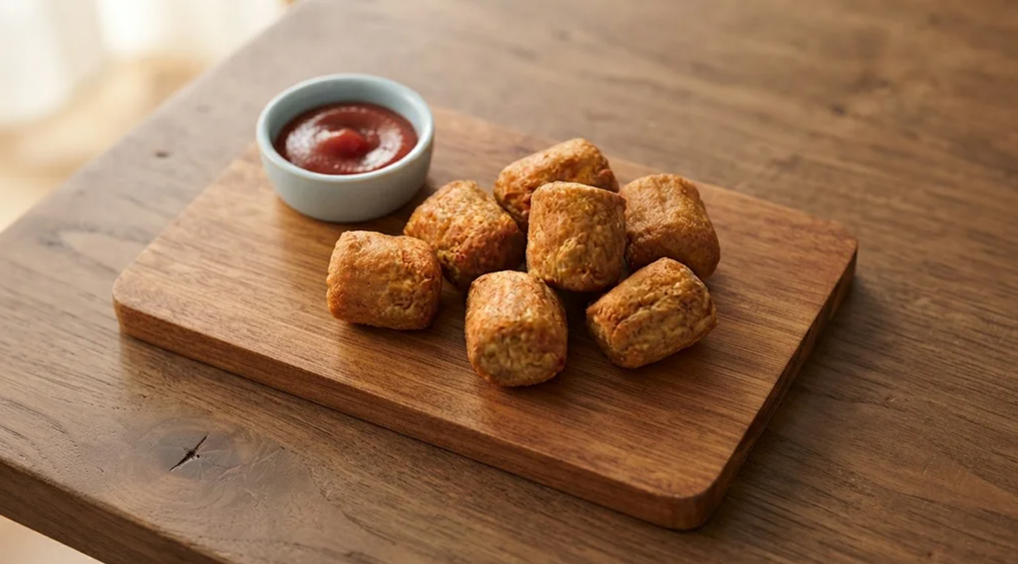
In recent years, vegetarian and vegan versions have entered the market. Made from soy protein and grains, they mimic the taste and texture of the original. For those wary of mechanically separated meat, these alternatives offer a way to enjoy the ritual without the guilt. They also prove that even the most controversial of foods can adapt to modern sensibilities.
The German Connection
The word “frikadelle” in German refers to a flat meatball, and cooking manuals from the 17th century mention variations of it. Though different from the Dutch frikandel, the linguistic link suggests a shared culinary heritage. Over time, the Dutch version diverged, becoming longer, skinless, and fried.
Today, frikandellen are eaten not only in the Netherlands but also in parts of Belgium and Germany, proving that this peculiar snack has crossed borders.
The Taste Debate
Ask someone to describe the taste, and you’ll hear contradictions. Some call it savory, satisfying, and comforting. Others find it bland, rubbery, or unsettling. The texture—chewy, dense, skinless—sets it apart from other sausages. The sauces and toppings often define the experience more than the meat itself. Curry ketchup, mayonnaise, onions, or even apple sauce can transform it from repulsive to irresistible.
The XXL Obsession
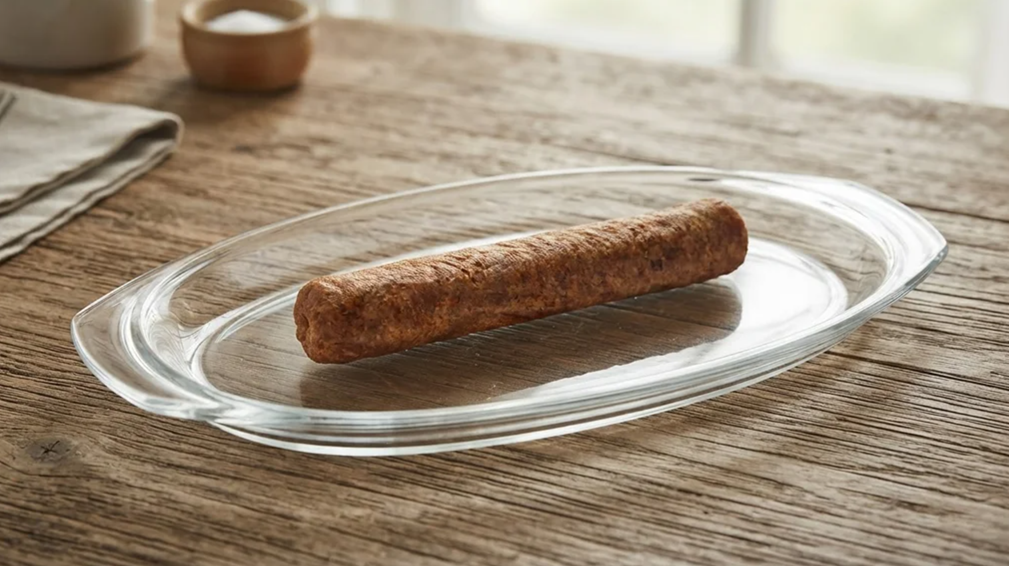
For those who believe bigger is better, the frikandel XXL offers excess in its purest form. At 250 grams, it challenges both appetite and practicality. Finding a broodje long enough to contain it is part of the fun. It is not about refinement but about spectacle, a carnival of meat that dares you to finish it.
The Gentrified Pesto Version
On the other end of the spectrum lies the pesto frikandel. Here, the humble sausage is dressed in pesto mayonnaise, pine nuts, and Parmesan. It is an attempt to elevate the snack, to make it palatable to food snobs. Whether successful or not, it shows the frikandel’s adaptability. It can be greasy street food or a tongue‑in‑cheek gourmet item.
A Dutch Treasure
So what is a frikandel? It is not just a sausage. It is a cultural artifact, a symbol of Dutch snack culture, a subject of debate and affection. It is greasy, ambiguous, and unapologetic. Whether you recoil or reach for another, the frikandel has earned its place in the Netherlands’ culinary identity.
It is a reminder that food is not only about taste but also about tradition, memory, and the quirks that make a culture unique.