
Amsterdam Central Station is more than a railway hub. It is a living monument, a gateway, and a stage where the city’s past and future meet. Every day, 180,000 travelers stream through its halls, a number that grows relentlessly, pressing the station to reinvent itself again and again.
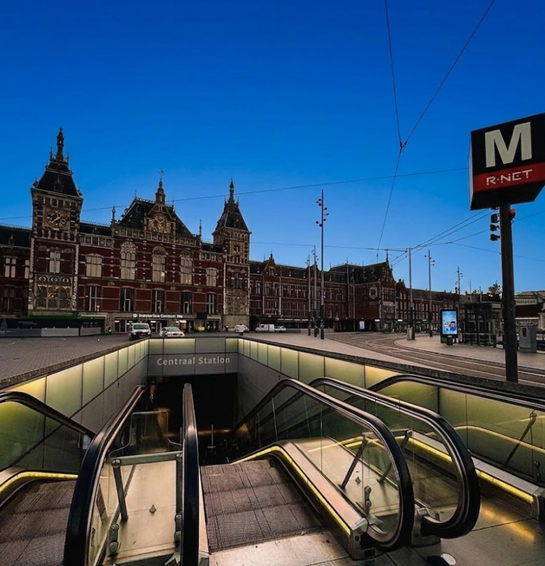
🏛 Cuypers’ Twin Gates
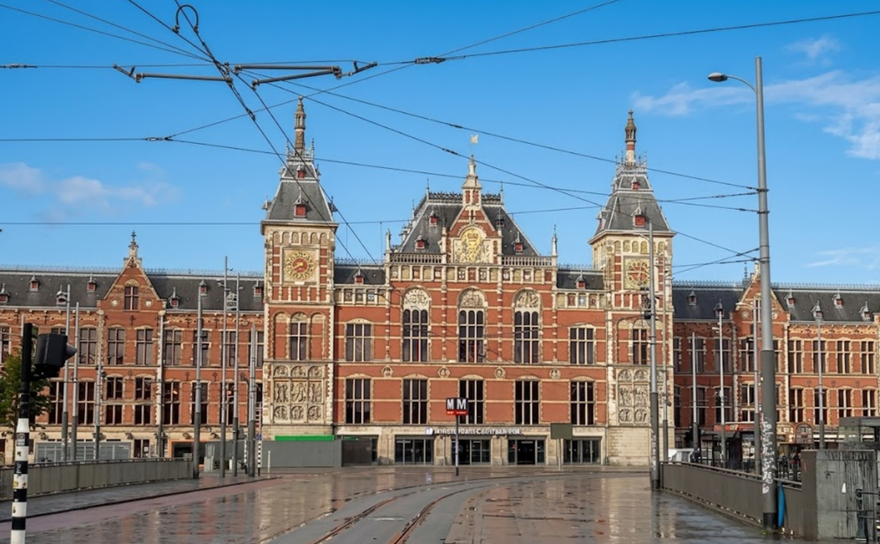
When Pierre Cuypers designed the station, he envisioned it as one of two symbolic entrances to Amsterdam. In the south, he built the Rijksmuseum, a temple of art and culture. In the north, he raised Central Station, a temple of commerce and travel. Together, they became twin gates to the city, framing its identity in brick and stone.
The resemblance between the two buildings is striking. Both feature Cuypers’ signature neo-Renaissance flourishes, with turrets, arches, and decorative details that blend grandeur with functionality. The Rijksmuseum is the grand lady, art-minded and contemplative. Central Station is her practical younger sister, bustling with daily life.
Cuypers imagined them as bookends to Amsterdam’s story: one celebrating the treasures of the past, the other welcoming the possibilities of the future.
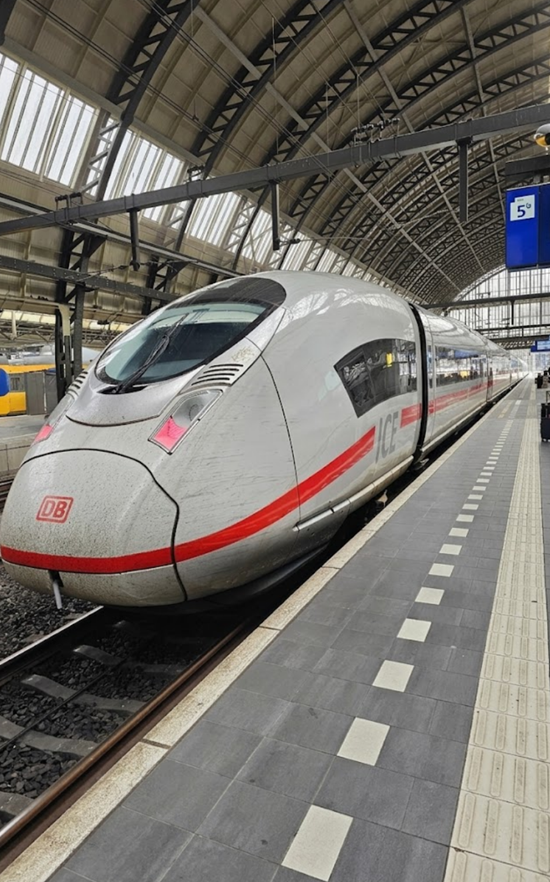
🚉 A Monument and a Machine
Central Station is both a monument to the industrial renaissance and a machine of motion. It is where trains, trams, buses, metros, ferries, taxis, and bicycles converge in a choreography of daily life.
Trams stop at the front, facing the medieval city center.
Buses rise at the back, overlooking the IJ river and Amsterdam Noord.
Metro entrances burrow beneath the station, accessible from both front and IJzijde.
Ferries glide across the IJ, carrying passengers to Noord.
Taxis line up at the west side, ready for quick departures.
Cyclists stream along the new promenade, the busiest bike route in town.
This choreography is relentless. The station is a junction machine, a place where every form of transport intersects. It is not just a building — it is a living organism, adapting to the rhythms of a growing city.
🌊 Reconnecting with the Water
When the station was built on the IJ estuary, it severed Amsterdam from its harbor — the city’s lifeblood. For decades, the waterfront lay hidden behind tracks and terminals. But recent redesigns have restored the bond. The bus terminal was lifted to train level, cars diverted into one-way tunnels, and promenades opened along the water.
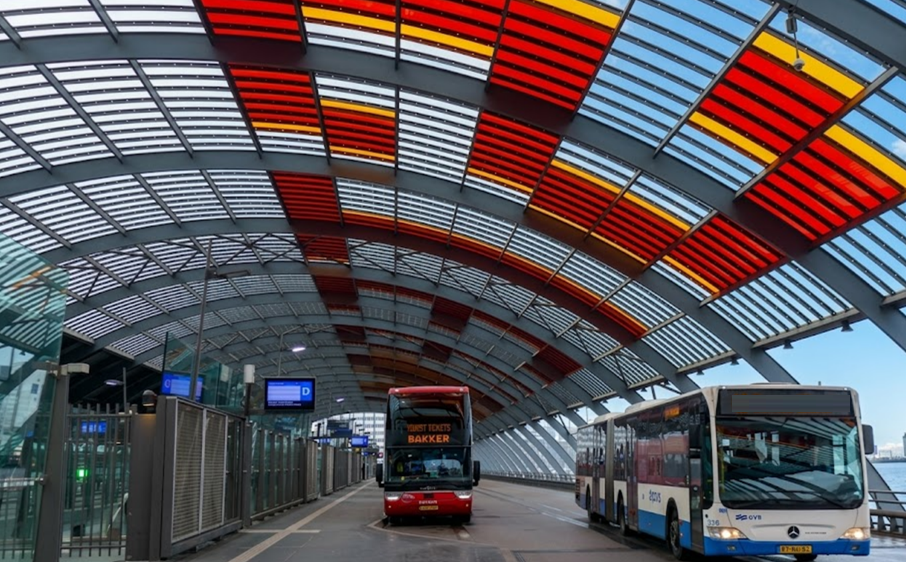
Pedestrians and cyclists now flow freely between the historic city and the river. The south side, once clogged with buses, has been liberated for water again.Central Station finally lives up to its name: a true junction where city and estuary embrace.
🚤 Gateway to the Canals
From the station’s front steps, you can slip directly into Amsterdam’s canals. Daytime cruises reveal the city’s highlights in golden light; evening tours shimmer with reflections of bridges and townhouses. Private boats offer intimacy, while public cruises provide ease .Central Station is the simplest, most convenient embarkation point — a place where trains and trams deliver you straight to the water’s edge.
🎶 A Stage for Culture
Central Station is not only transit — it is performance. By day, it is a corridor of shops and travelers. This practical by day, theatrical by night — makes the station a cultural landmark as much as a transport hub.
🔮 Preparing for Tomorrow
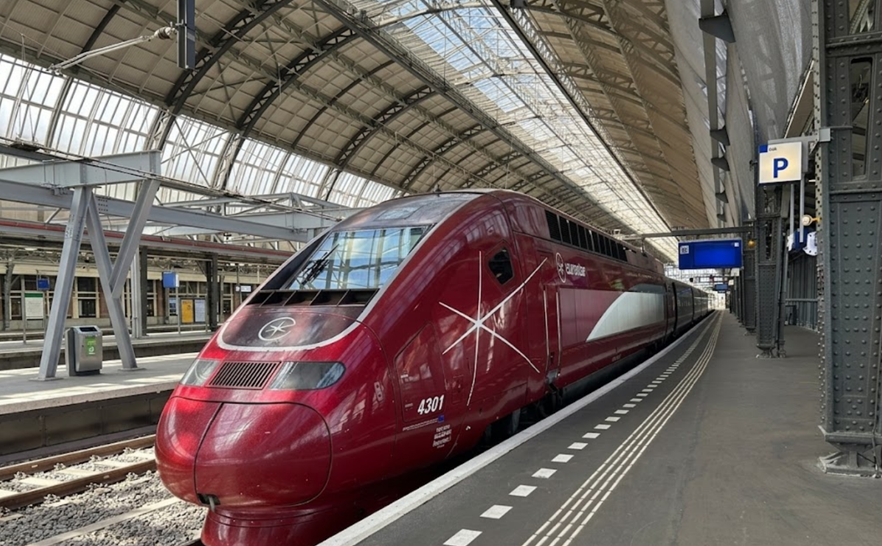
Despite modernizations, the station must keep evolving. ProRail’s Program High Frequency Rail widens platforms and builds new tunnels to handle the surge of passengers. Amsterdam Central is not a static monument — it is a living organism, adapting to the vibes of a growing city. The future will bring more trains, more trams, more ferries, more bicycles. The station must stretch, expand, and transform to keep pace.
✨ The Soul of Amsterdam
Amsterdam Central Station is both a threshold and a destination. It is where the city greets the world, where history and modernity collide, and where every traveler — whether stepping off a train, boarding a ferry, or drifting into the canals — becomes part of the city’s endless motion.
It is a place of arrivals and departures, of reunions and farewells, of daily routines and extraordinary journeys. It is the beating heart of Amsterdam, a monument in motion.