
Origins in the Middle Ages
Appeltaart is not simply a dessert; it is a story that begins in the Middle Ages, when ovens were unreliable. It was a dish born of necessity, yet it carried with it the warmth of community and the comfort of shared tradition. The earliest versions were rustic, heavy with apples and coarse dough, but even then the essence was clear: fruit preserved in pastry, spiced with whatever the household could afford.
Over centuries, as trade routes expanded and spices became more accessible, the pie evolved into something fragrant and layered, a dessert that spoke of both simplicity and sophistication.
The Pastry Foundation
The crust of appeltaart is a pâte sucrée, a sweet shortcrust pastry that forms the sturdy walls of the pie. Unlike the delicate shells of French tarts, this crust is thick, almost architectural, designed to hold the weight of apples piled high. In modern kitchens, bakers often swap white sugar for brown, lending a caramel depth that feels richer, more autumnal.
The blueprint: butter softened into flour, sugar folded in, eggs binding the mixture into a dough that is both pliable and resilient. It is rolled and pressed into a springform pan, its sides rising tall, ready to cradle the filling. This crust is not merely a vessel; it is part of the experience, flaky yet substantial, a counterpoint to the fruit’s softness.
The Spice of Speculaas
No appeltaart is complete without its spice. Rutger Bakt’s recipe for speculaaskruiden — the Dutch spice blend — is a chorus of cinnamon, nutmeg, cloves, ginger, cardamom, and white pepper. These are the flavors of winter markets, of wooden stalls and steaming mugs, of biscuits shaped into windmills.
When folded into the filling, the spices transform the apples, giving them warmth and complexity. Cinnamon dominates, but it is the subtle notes — the pepper’s bite, the cardamom’s floral lift — that make the pie distinctly Dutch. This blend ties appeltaart to speculoos cookies, to the broader culinary identity of the Netherlands, where spice is not just seasoning but heritage.
The Filling: Apples and More
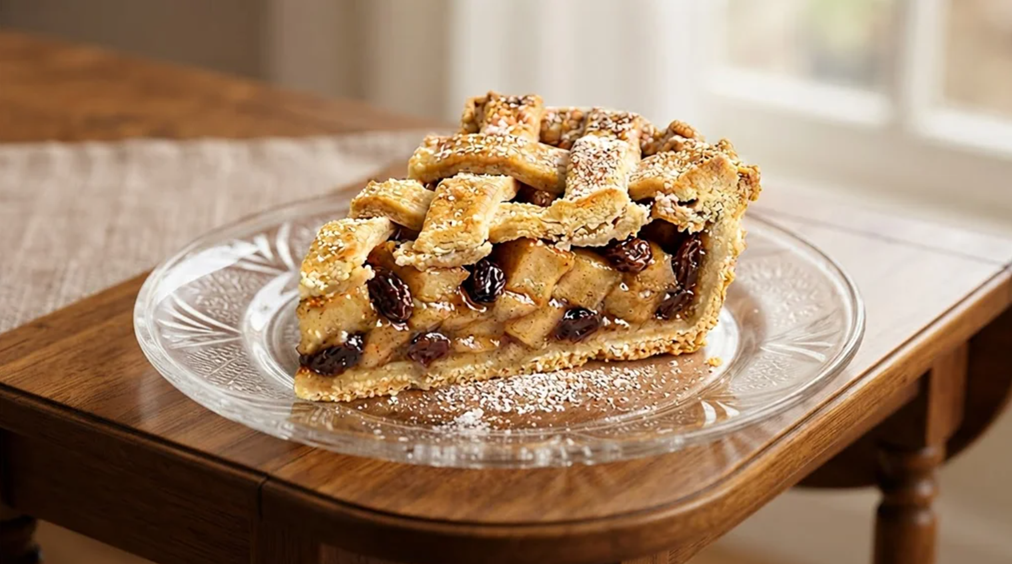
The heart of appeltaart is its filling: thick slices of crisp, tart apples, often varieties like Elstar or Jonagold, chosen for their ability to hold shape under heat. These apples are cut generously, never thin, so that each bite is a chunk, a mouthful of fruit rather than a sliver. Raisins or currants are scattered among the apples, adding bursts of sweetness and texture.
Sugar and lemon juice are folded in, creating a filling that is both bright and deep. The mixture is not overly wet; Dutch bakers prefer a drier interior, one that allows the fruit to shine without collapsing into syrup. This restraint is what sets appeltaart apart from American apple pie, which often leans toward gooey interiors. The Dutch version is austere, yet generous, a balance of fruit and spice that feels honest.
The Architecture of the Pie
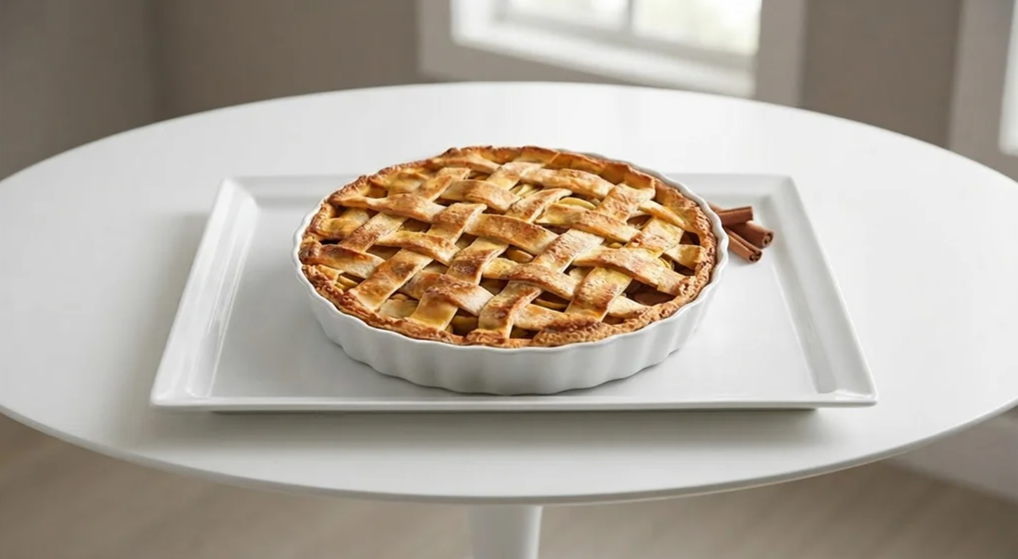
Appeltaart is baked in a springform pan, a choice that defines its shape and stature. The pan allows the crust to rise tall, creating a pie that is deep, almost monumental. When released from the pan, the pie stands firm, its sides golden and flaky, its top latticed or streuseled.
The lattice is traditional: strands of dough crisscrossed over the filling, creating windows through which the apples peek. It is both decorative and functional, allowing steam to escape while giving the pie a rustic charm. Streusel, a crumbly topping of butter, sugar, and flour, is another option, adding texture and sweetness. Whichever topping is chosen, the pie is unmistakable: tall, proud, a centerpiece rather than a side dish.
Serving Tradition
In the Netherlands, appeltaart is served at room temperature, often with a dollop of whipped cream — appeltaart met slagroom. The cream softens the pie’s edges, adding lightness to its density. Vanilla ice cream is another companion, its coldness contrasting with the pie’s warmth.
A slice of appeltaart is rarely eaten without a cup of hot coffee, the bitterness cutting through the sweetness, the pairing as natural as bread and butter. This ritual is part of Dutch culture, where appeltaart is a staple offering, a comfort food that anchors conversations and gatherings.
Generational Knowledge
Appeltaart is often the first pie young people learn to bake, a rite of passage in Dutch kitchens. Yet it is widely believed that the best versions come from grandmothers, whose hands have shaped dough for decades, whose instincts know the exact balance of spice and fruit.
These pies are not measured in grams or minutes but in memory and touch. A grandmother’s appeltaart carries with it the weight of tradition, the assurance of experience, the taste of home. It is a dessert that connects generations, a recipe passed down, adapted, but never abandoned.
Appeltaart vs. American Apple Pie
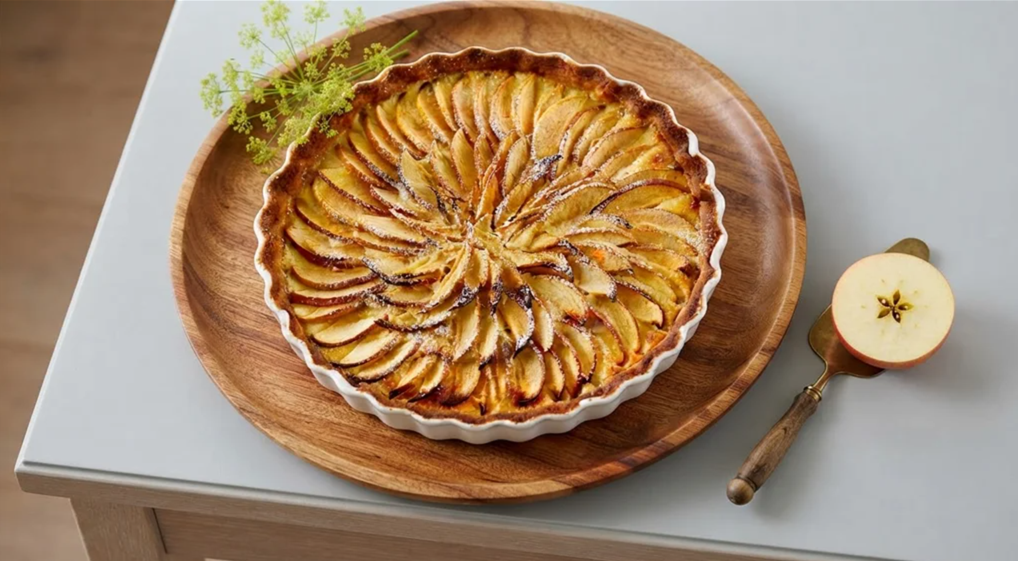
Though both are apple pies, the Dutch and American versions diverge in philosophy. American apple pie is flatter, baked in shallow pans, its filling often syrupy, its crust thinner. It is a pie of abundance, sweet and glossy, often served warm with ice cream. Dutch appeltaart, by contrast, is deeper, drier, more restrained.
It emphasizes fruit over syrup, spice over sugar, structure over indulgence. It is less about excess and more about balance, a pie that feels rooted in history rather than spectacle. This difference reflects cultural attitudes: the American pie as a symbol of prosperity, the Dutch pie as a symbol of continuity. Both are beloved, but they tell different stories.
Symbolism and Continuity
Appeltaart symbolizes continuity. It is a dish that has survived centuries, adapted but unchanged in essence. Its ingredients are simple, its method straightforward, yet its presence is profound. It is a reminder that tradition need not be grand to be meaningful. A pie, shared with coffee, topped with cream, can carry history, culture, and identity.
Conclusion: A Slice of Home
Appeltaart is more than pastry and fruit. It is history, spice carried through trade routes, crusts shaped by grandmothers. It is a dessert that embodies the Netherlands, a slice of home that is both humble and monumental. To eat appeltaart is to taste continuity, to join a lineage of bakers and families, to savor a tradition that has endured for centuries. It is not just dessert; it is heritage, served one slice at a time.