
Some places feel as though they belong to everyone. Not because they are crowded or commercial, but because they carry a timeless invitation: come as you are, stay as long as you wish, and let the land remind you of its rhythms. The Banff Upper Hot Springs is one of those places.
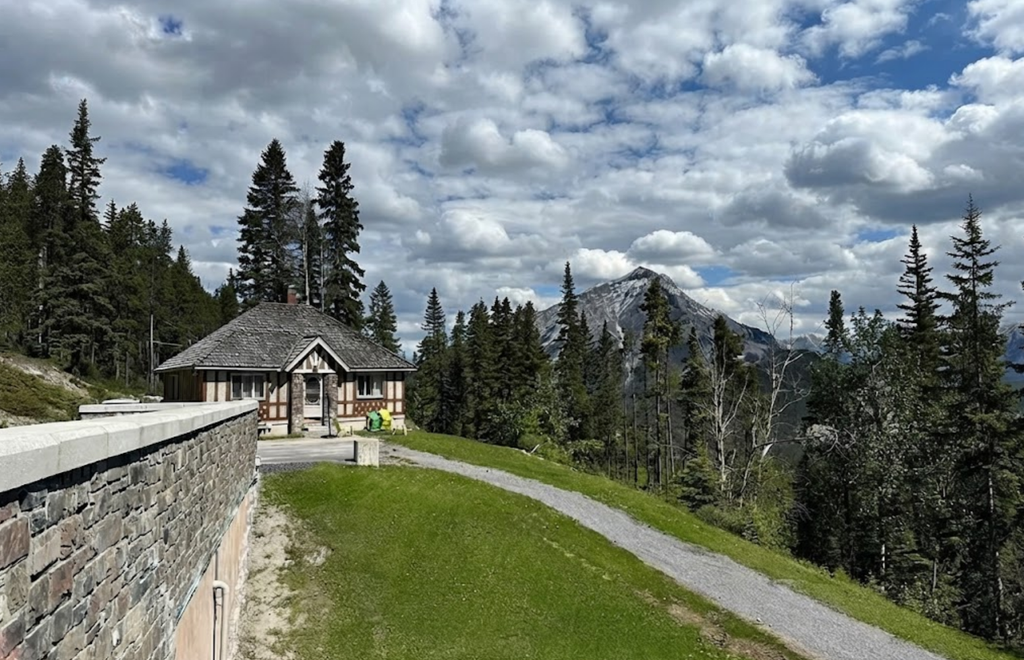
Perched high on Sulphur Mountain, just 5 kilometres outside the town of Banff, this heritage bathhouse has been welcoming traveler since 1886. The building itself is a federal heritage site, with interpretive exhibits that tell the story of Banff’s beginnings.
The waters, rich in minerals, have drawn generations of visitors, and the surrounding peaks of Rundle and Cascade frame the experience with grandeur.
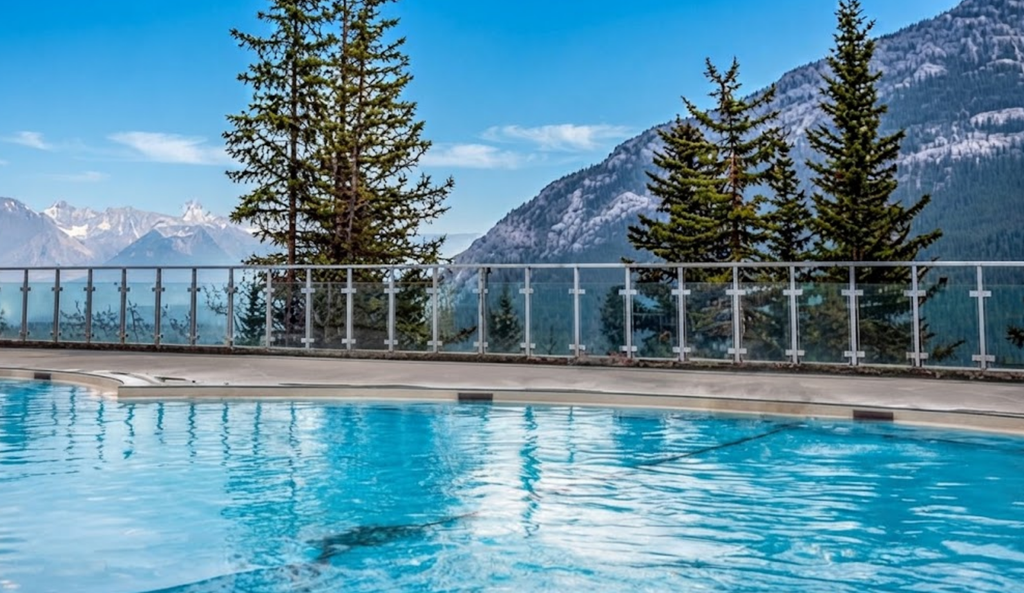
First Impressions
Arriving at the Upper Hot Springs feels like stepping into a living story. The road winds upward, the air thins, and suddenly the jagged peaks of the Rockies rise around the bathhouse. The structure is modest, designed for function rather than luxury, yet it holds a quiet dignity. Inside, there is no spa menu or private cabanas.
Instead, there is a large, shallow pool fed by thermal waters, and the promise of mountain views that silence conversation. The water temperature hovers between 37–40 ℃ (98–104 ℉), though nature has its moods. In winter, the pool can climb to 47 ℃; in spring, it may dip to 27 ℃.
On most days, the warmth feels like a deep embrace, reminding visitors that this is not a man‑made spa with multiple pools to ease the body in. It is one pool, one temperature, one elemental experience.
The Tradition of Soaking
The pool is communal by design. Families with children, couples leaning into each other, and solo travellers gazing at the peaks all share the same water, the same view. Shoes are left at the entrance; everyone walks barefoot. Cameras are permitted, but most guests seem content to let the steam blur the edges of the day.
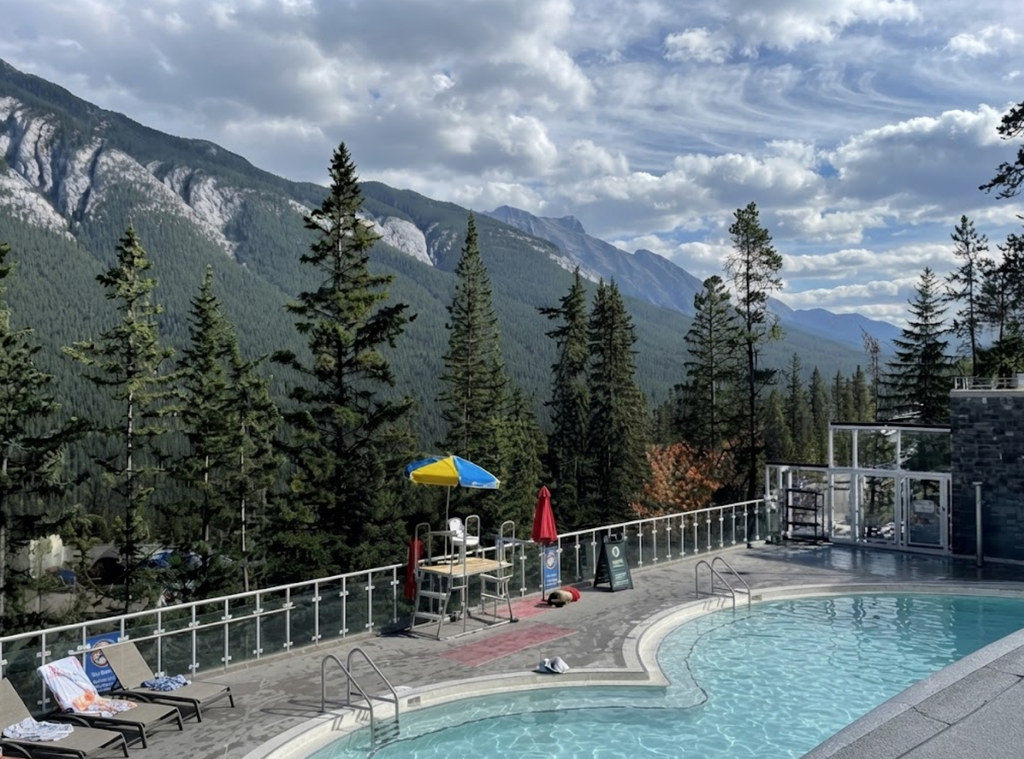
Forgotten swimsuits are no obstacle. Vintage navy‑and‑white rentals are available, a quirky tradition that adds charm. Modest swimwear of all kinds is welcome, from burkinis to long‑sleeved shirts and pants, as long as they are not the clothes worn in from the street.
Practical Details
Hours: Open daily, 10 a.m. – 10 p.m. Last entry at 9:30 p.m.
Admission: Adults $17.50, youth/seniors $15.25, under 3 free. Family passes available. Locker included.
National Park Pass: Required for all visitors.
Parking: Paid parking May 15 – Oct 12, 9 a.m. – 9 p.m. Spaces limited.
Transit: Roam Route 1 “Sulphur Mountain” bus runs every 20 minutes from downtown Banff.
Guests are advised to bring a towel (or rent one), sunscreen, and a water bottle. Food and drink are not permitted by the pool.
Timing the Visit
Crowds are part of the rhythm here. The pool has a capacity limit, and tickets are sold only in person — no reservations, no online bookings. Timing matters. Early mornings offer the calmest entry, with minimal waiting. Evenings provide a quieter atmosphere, when the sun dips behind the peaks. In summer, twilight lingers until closing, casting a glow over the water.
In winter, steam rises against snow‑covered slopes, creating one of the most magical atmospheres in the Rockies.
A Living History
The Upper Hot Springs is the modern soaking spot, but the story begins at the Cave and Basin Historic Site. Settlers working on the railroad in the 1880s stumbled upon the springs and argued over ownership. To resolve the dispute, Prime Minister John A. Macdonald set aside 27 square kilometre as public land.
Banff National Park was born — Canada’s first national park, created not for profit but for preservation. Indigenous peoples had long known these waters as places of healing and gathering. What settlers called a “discovery” was in fact a continuation of knowledge already woven into the land. Today, the Cave and Basin is preserved as an educational site, while the Upper Hot Springs carries the soaking tradition forward.
The Minerals That Shape the Water
The waters here are rich in minerals, each contributing to the restorative reputation of the springs:
Sulphate: 572 mg/l
Calcium: 205 mg/l
Bicarbonate: 134 mg/l
Magnesium: 42 mg/l
Sodium: 6.6 mg/l
Whether or not one believes in the health benefits, there is no denying the way the water feels: soft, buoyant, and deeply warming.
For Solo Travellers
Safety and inclusivity are central to the design. Parks Canada has ensured accessibility for all genders and abilities. The atmosphere is social but not intrusive — conversation flows easily, yet silence is equally welcome. For solo female travellers, the hot springs are among the most welcoming activities in Banff.
Seasonal Magic
Each season transforms the experience.
Summer: Long daylight hours, mountain wildflowers, and warm evenings make the pool a lively gathering place.
Autumn: Crisp air, golden larches, and fewer crowds create a quieter, reflective atmosphere.
Winter: Snow blankets the Rockies, steam rises thickly, and the pool becomes a glowing sanctuary.
Spring: Melting snow feeds the rivers, temperatures fluctuate, and the hot springs feel like a bridge between seasons.
Why It Matters
The Banff Upper Hot Springs is more than a pool. It is a living reminder of why national parks exist: to protect natural wonders and make them available to everyone. Affordable, accessible by public transit, and open year‑round, it offers luxury of a different kind — the luxury of mountain air, mineral water, and shared tradition.
Final Thoughts
Leaving the pool barefoot, shoes carried in hand, towel damp, skin tingling from the heat, visitors step back into the crisp mountain air. The peaks of the Rockies stand unchanged, as they have for centuries. To soak in these waters is to belong to the place, even briefly. It is to share in its history, to carry its memory forward. The Banff Upper Hot Springs is not just one of the best things to do in Banff. It is one of the best ways to feel Banff — to let the land itself remind every traveller that rest is part of the journey.