
Europe is home to more than 400 national parks, each shaped by its own landscape and cultural traditions. Traveling through them reveals not only natural beauty but also the diverse ways countries regulate and protect their wilderness. In Spain, the Picos de Europa offers a dramatic road trip through limestone peaks and deep gorges, while in France, the Calanques National Park near Marseille can be explored entirely without a car, blending Mediterranean cliffs with turquoise coves.
Rules vary widely. In Croatia’s Plitvice Lakes National Park, wild camping is permitted, offering travelers the chance to immerse themselves in a landscape of cascading waterfalls and turquoise lakes. By contrast, in Spain’s Sierra de Guadarrama National Park and Slovenia’s Triglav National Park, wild camping is strictly forbidden.
Where camping is restricted, a network of managed mountain huts makes long-distance trekking possible. Crossing Triglav or Austria’s Hohe Tauern National Park, hikers can move from hut to hut, experiencing alpine wilderness without breaking regulations. These huts provide simple accommodations—wooden bunks, shared meals, and rustic charm—that allow travelers to journey deeper into the mountains while respecting conservation rules.
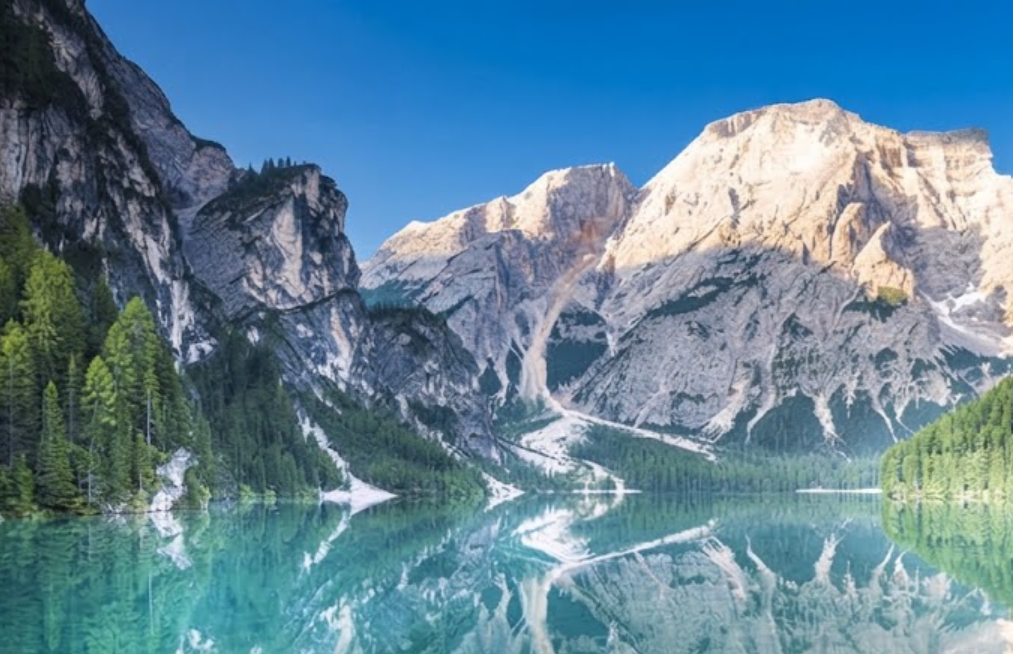
Access is often free. Most parks do not charge entrance fees, though specific attractions—such as waterfalls or gorges—may require tickets. Permits are rarely needed; one exception is Mount Teide in Tenerife, where summit access is regulated. Swimming rules are equally varied: Triglav permits it selectively, while other parks ban it entirely. Drones, however, are almost universally prohibited across Europe’s protected areas.
These differences shape the way travelers experience each park. Some trips are best planned around road journeys, others around hut-to-hut hikes, and still others around coastal itineraries. Together, they highlight the richness of Europe’s protected landscapes and the importance of respecting local codes of conduct while exploring them.
1. Hohe Tauern National Park Hike, Austria
Hohe Tauern National Park is Austria’s largest protected area and the biggest in the Alps, spanning Salzburg, Tyrol, and Carinthia. Covering more than 1,800 km², it is a dramatic alpine wilderness of glaciers, valleys, waterfalls, and peaks above 3,000 meters. The Großglockner (3,798 m), Austria’s highest mountain, dominates the skyline, while the Großvenediger and Kitzsteinhorn stand as alpine icons. Wildlife thrives here, with golden eagles, marmots, chamois, and rare alpine flowers creating a living alpine museum.
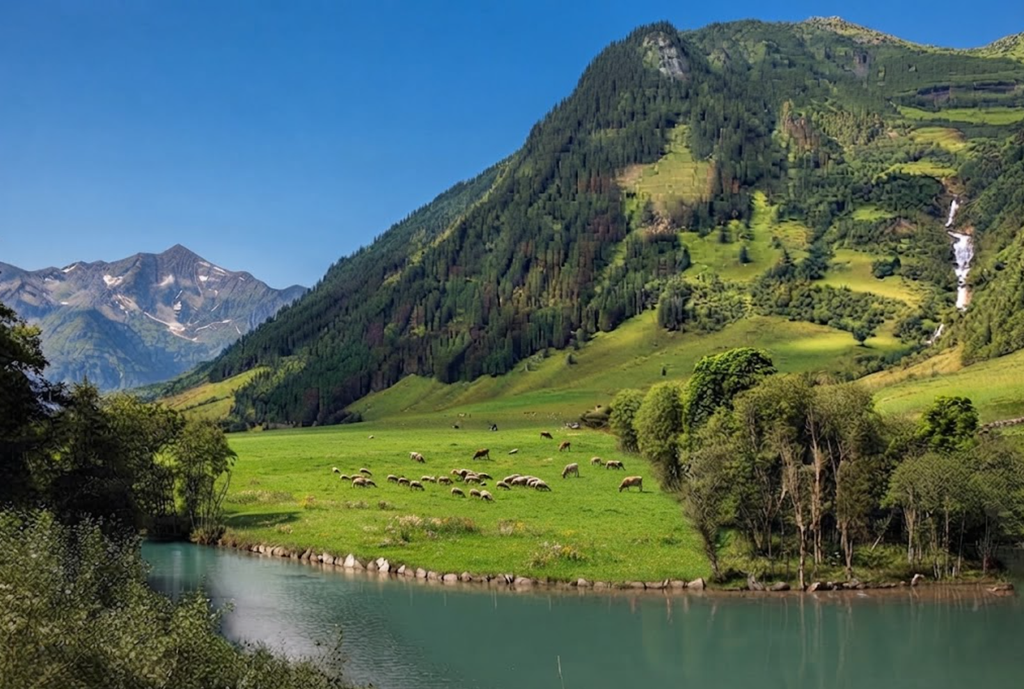
Hiking is possible year‑round, with each season offering distinct experiences: winter snowshoe hikes, spring blossoms and meltwater rivers, summer wildflower meadows, and autumn’s golden larches. Matrei in East Tyrol serves as a prime gateway, offering 40–50 marked trails. Highlights include the Wodenalm hike through centuries‑old larch forests, the 15 km Matrei Valley Trail enriched with historical storyboards, and the recently reopened Proßeggklamm Trail plunging into a 120‑meter gorge ending at the Steiner Waterfall. Weisssee Glacier World provides cable‑car access to glacial lakes and panoramic ridges.
Beyond Matrei, Heiligenblut am Großglockner offers top hikes such as the Gamsgrubenweg and Pasterze Glacier Path. The park contains 130 km² of glacier fields and numerous lakes, including Weisssee and Grünsee. Wild camping is prohibited, though bivouacking may be tolerated with permission. Accessibility is straightforward, with Salzburg just 2–2.5 hours away. Founded in 1981, Hohe Tauern was Austria’s first national park, protecting alpine ecosystems and cultural traditions. Today, it remains a sanctuary of peaks, valleys, and wildlife, offering everything from family‑friendly trails to demanding alpine tours.
2. Plitvice Lakes National Park, Croatia
Plitvice Lakes National Park is Croatia’s most iconic natural wonder, a World Heritage Site since 1979. Its 16 emerald lakes, linked by more than 90 waterfalls, cascade in terraces across a karst landscape, dropping 133 meters in total. Wooden boardwalks guide visitors over crystal‑clear waters, where every ripple reflects the surrounding forest.
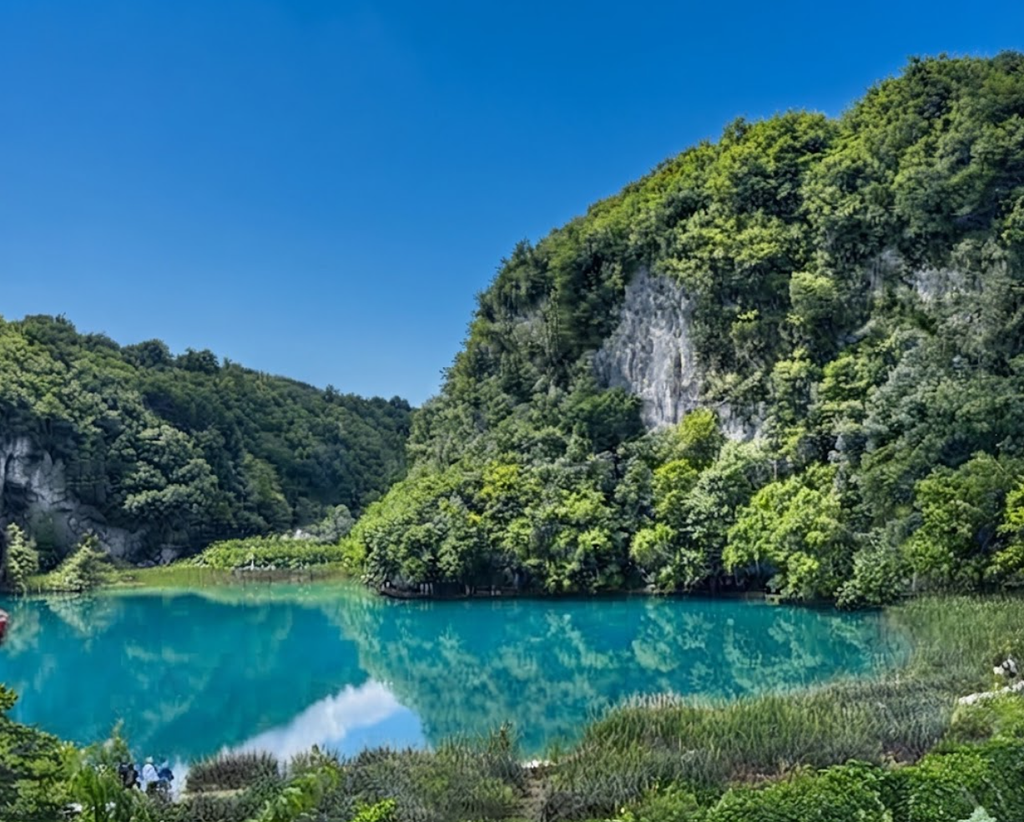
The Lower Lakes, reached from Entrance 1, offer a dramatic introduction with Veliki Slap, Croatia’s tallest waterfall at 78 meters. Compact yet spectacular, this section is the most photographed, with turquoise basins framed by limestone cliffs and lush forest. Crossing Kozjak Lake by boat leads to the Upper Lakes, quieter and more intimate, where cascades tumble through shaded valleys and crowds thin out.
Seven official routes, labeled A through K, cater to different time frames and fitness levels. Short loops focus on the Lower Lakes, while full‑day programs combine both sections with boat and shuttle rides. Route K, lasting 6–8 hours, offers the most complete experience.
Practical tips include booking tickets in advance, arriving early to avoid crowds, and bringing food and water, as options inside the park are limited. Plitvice is accessible by car or bus from Zagreb, Zadar, and Split, with tours available from multiple cities.
The park transforms with the seasons: roaring waterfalls in spring, lush greenery in summer, fiery foliage in autumn, and frozen cascades in winter. Its geology is dynamic, with travertine barriers constantly reshaping the lakes. Rich forests and wildlife, including deer and rare birds, add to its ecological significance.
Plitvice is more than a postcard—it is a living ecosystem where geology, hydrology, and biology converge. A full day reveals its magic, but returning in different seasons uncovers new dimensions of this timeless landscape.
3. Teide National Park, Spain
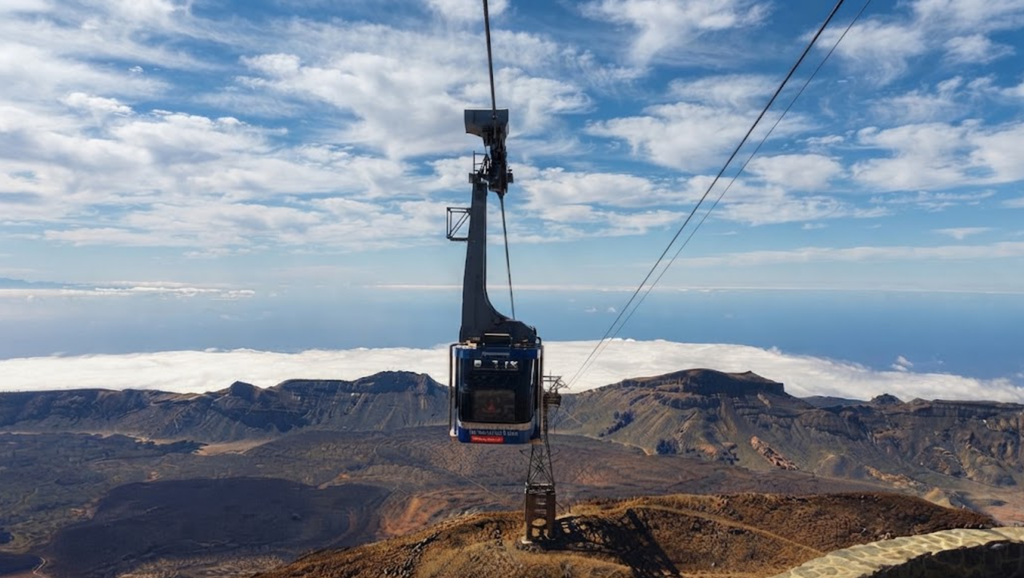
Teide National Park, declared in 1954 and a World Heritage Site since 2007, is Tenerife’s volcanic heart and Spain’s highest peak at 3,718 meters. Covering nearly 19,000 hectares, it is a surreal wilderness of lava flows, lunar valleys, and jagged rock formations that feels closer to Mars than Earth. Approaches vary: the TF‑21 from Los Cristianos climbs through volcanic scenery, the TF‑38 skirts cliffs, while the TF‑24 from La Esperanza winds through misty forests before breaking into a sea of clouds. Buses also connect visitors from Playa de las Américas and Puerto de la Cruz.
Guided excursions range from half‑day hikes to stargazing tours, adding geological and cultural context. The park’s centerpiece, Mount Teide, rises above the Las Cañadas caldera, with Pico Viejo and Montaña Blanca nearby. Despite altitude, 139 plant species thrive, including the striking red bugloss, alongside wildlife such as lizards, kestrels, and endemic invertebrates.
Over 40 marked trails showcase the park. The Roques de García loop offers surreal volcanic formations in a two‑hour walk, while the Arenas Negras route provides sweeping panoramas and encounters with endemic flora. The cable car ascends to 3,555 meters, with short trails to viewpoints, though summit access requires a permit.
Practical considerations include altitude challenges, strong UV exposure, and limited shade. Entry is free, but summit permits are regulated, with eco‑tax measures expected from 2026. Teide is also one of the world’s premier stargazing sites, protected by strict conservation laws.
In essence, Teide National Park is a mosaic of volcanic drama, ecological resilience, and astronomical wonder — a destination to be absorbed slowly, trail by trail, view by view.
4. Triglav National Park, Slovenia
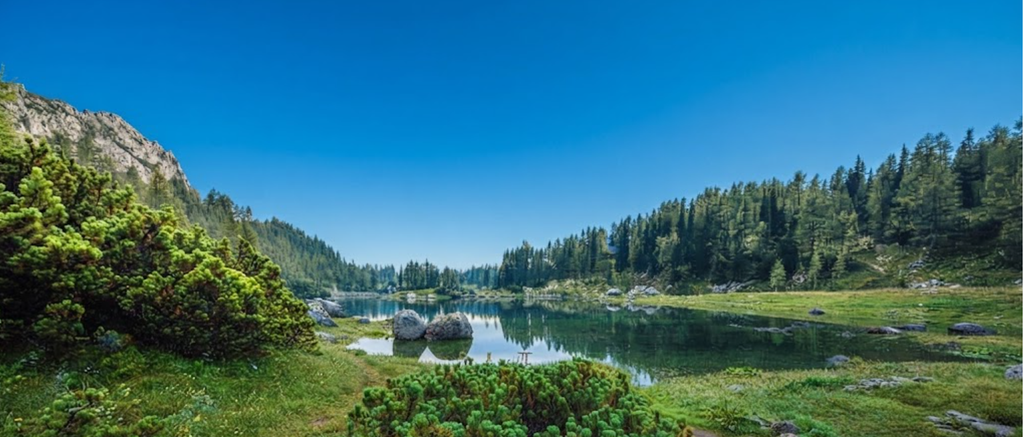
Triglav National Park is Slovenia’s largest protected area, spanning 838 square kilometers of the Julian Alps. Its landscape of limestone ridges, glacial valleys, alpine lakes, and high pastures is dominated by Mount Triglav, the nation’s highest peak at 2,864 meters. Hiking here is both a natural and cultural experience, deeply tied to Slovenian identity.
Trails range from gentle valley walks beside clear rivers to demanding climbs across ridges and pastures. Seasons define the character of each hike: spring brings wildflowers and snow‑capped contrasts, summer opens high terrain and shimmering lakes, autumn offers golden forests and quieter paths, while winter transforms the park into a challenging alpine environment requiring mountaineering skills.
Preparation is essential. Weather shifts quickly, so warm layers, sturdy boots, and windproof jackets are non‑negotiable. Navigation can be unreliable, making offline maps and careful planning vital. Helmets are recommended on exposed trails, and water must be carried due to scarce streams in karst terrain.
Highlights include the Soča Trail, a 25‑kilometer route along the emerald river; the Mostnica Gorge, with its elephant‑shaped rock; the Pokljuka Plateau, a forested highland ideal for hut‑to‑hut tours; and the Seven Lakes Valley, the symbolic heart of the park. Climbing Mount Triglav remains a national rite of passage, often included in multi‑day hut‑to‑hut treks.
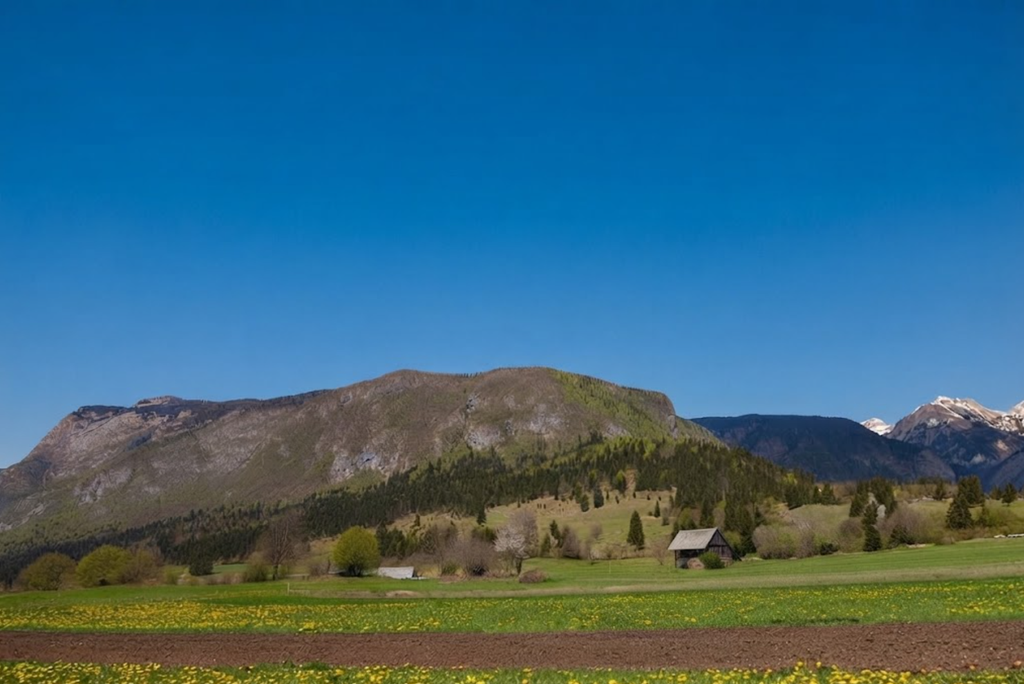
The Juliana Trail offers a long‑distance circuit around the Julian Alps, connecting landscapes with villages and cultural heritage. Multi‑day hut‑to‑hut journeys reveal jagged ridges, alpine lakes, and meadows grazed by ibex, combining challenge with camaraderie in mountain huts.
Triglav National Park is more than scenery; it is a symbol of Slovenia’s alpine heritage. Hiking here means engaging with a landscape that has shaped a nation, offering beauty, difficulty, and meaning in equal measure.
5. The Picos de Europa, Spain
The Picos de Europa is one of Spain’s most dramatic mountain ranges, stretching across Asturias, Cantabria, and León. Though compact at just 40 kilometers, it offers a condensed alpine world of limestone peaks, deep gorges, meadows, and stone villages. For hikers, it remains rugged and authentic, less crowded than the Pyrenees or Alps.
Access is easiest via Bilbao, Santander, or Asturias airports, with a rental car essential for reaching trailheads. The prime hiking season runs from late May to September, with July and August busiest. Staying in both the northern and southern valleys—Poncebos, Sotres, or Fuente Dé—provides access to varied terrain. Accommodation is simple, ranging from guesthouses to mountain refuges, and costs remain affordable compared to other European ranges.
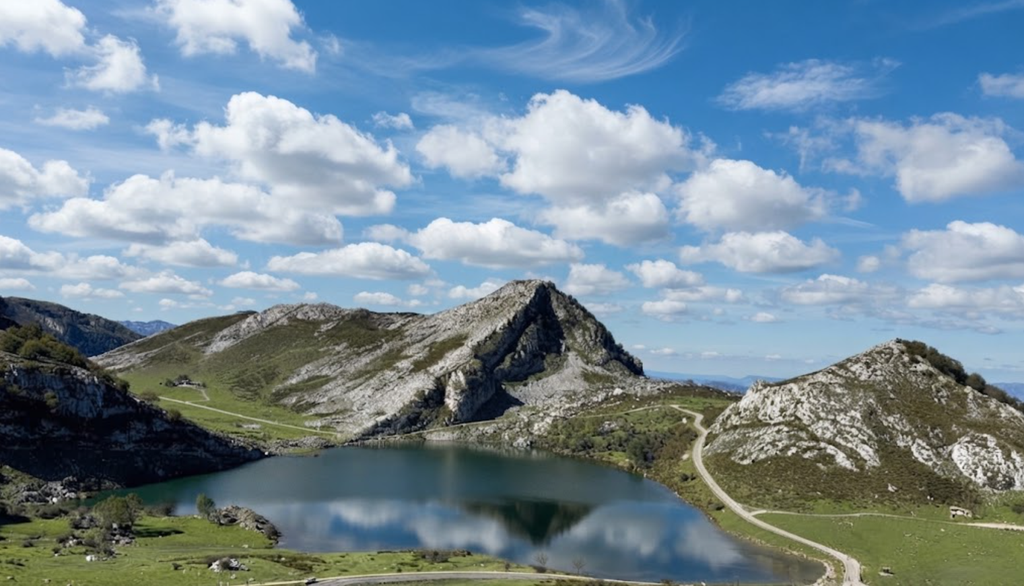
The park’s trails showcase its diversity. The Ruta de Cares is the most famous, a 23.7 km gorge walk along the Cares River. Easier routes include Puertos de Áliva, accessible by cable car, while challenging ascents like Peña Vieja and Pica el Jierru demand alpine skills. Shorter walks, such as San Vicente Pot or Poncebos to Bulnes, offer cultural immersion. Multi‑day treks, including the demanding Refugio Jou de los Cabrones, provide solitude in remote terrain.
Together, the Cornión, Urrieles, and Ándara massifs form a compact playground where every valley feels like a discovery. From accessible gorge walks to demanding summits, the Picos de Europa delivers immense variety in a small footprint, making it one of Spain’s most rewarding hiking destinations.
6. Calanques National Park, France
Calanques National Park, stretching between Marseille and Cassis, is a striking Mediterranean landscape where limestone cliffs plunge into turquoise waters. Hiking here blends rugged terrain with delicate ecosystems, offering both challenge and reward.
Arrival is straightforward via Marseille Provence Airport, with a 45‑minute drive to the park. Cassis provides proximity to iconic trails, while Marseille offers urban variety. Spring and autumn are ideal seasons, with mild temperatures and fewer restrictions. Summer brings heat and fire risks, requiring pre‑booked passes, while winter offers solitude but unpredictable weather.
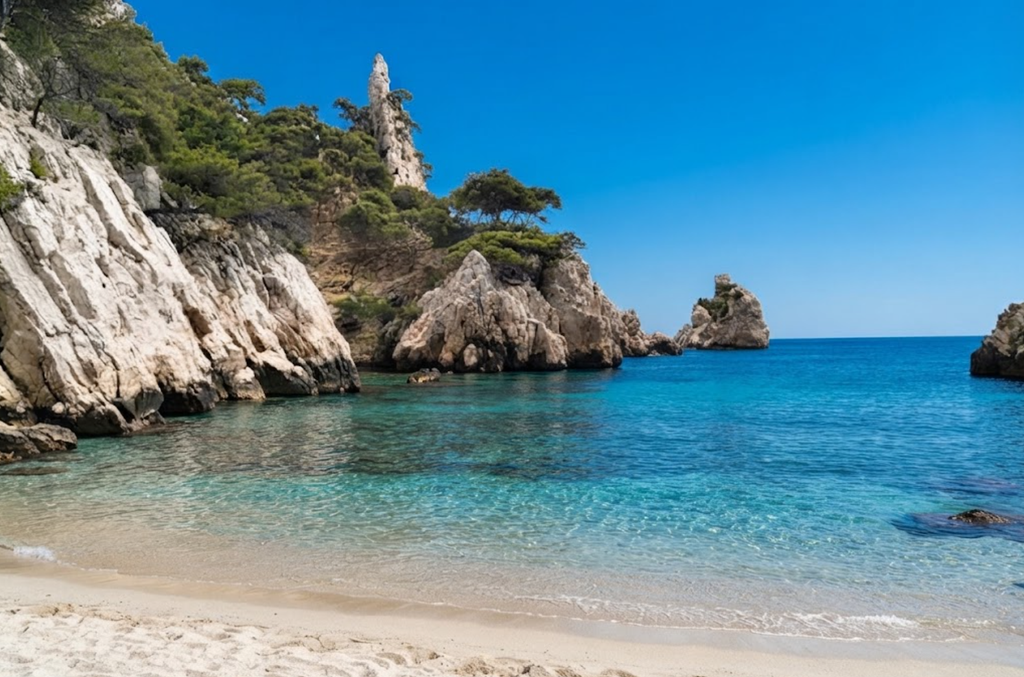
The signature hike is the Cassis to Calanque d’En Vau, a 9.3 km trail passing Port‑Miou and Port‑Pin before descending steeply into En Vau’s fjord‑like canyon. Swimming and snorkeling here are highlights, though crowds gather quickly. The Calanque de Sugiton trail is gentler, with panoramic views from the Belvédère and twin coves for swimming. For solitude, Marseilleveyre offers an 8.2 km loop with views of the Riou Archipelago, while Sormiou provides a family‑friendly 2 km walk to a sandy beach. Shorter routes like Port Miou to Port Pin are perfect for casual walkers.
Beyond hiking, visitors can kayak, dive, or climb the limestone walls. Preparation is essential: water, sturdy shoes, sun protection, and early starts. Camping is forbidden, and summer closures are common, so checking official updates is critical.
7. Sierra de Guadarrama National Park, Spain
Sierra de Guadarrama National Park, declared in 2013, lies just an hour from Madrid and spans 34,000 hectares of granite peaks, alpine meadows, and dense forests. At its heart rises Peñalara Peak, 2,428 meters high, offering sweeping views across valleys and ridges shaped by glacial origins. The park is part of the Sistema Central, with ranges such as Cuerda Larga, Siete Picos, La Pedriza, and Peña del Oso, each with distinct character.
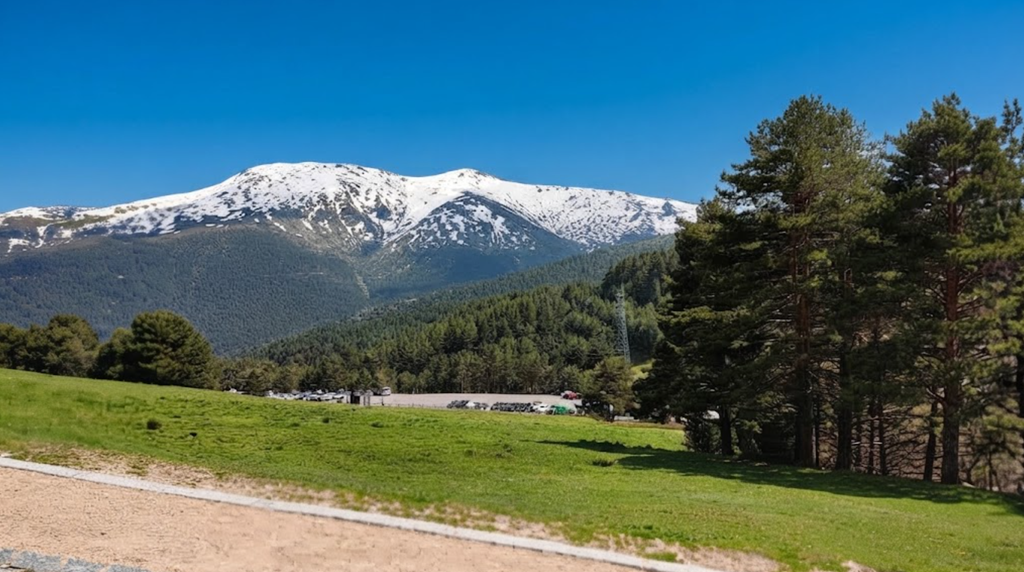
Its biodiversity is remarkable, hosting nearly half of Spain’s species. Mammals include ibex, wild boar, fallow deer, and wolves, while birdlife features black vultures, golden eagles, and Iberian imperial eagles. Forests of pine and oak, alpine grasslands, and monumental trees enrich the landscape.
Activities vary by season: summer brings hiking, cycling, canyoning, and swimming in natural pools like Las Presillas; winter transforms the peaks into ski resorts such as Valdesquí and Puerto de Navacerrada. Hiking remains the most immersive experience, with trails ranging from gentle walks near Rascafría to demanding ascents of Cuerda Larga or La Maliciosa.
The Cuerda Larga ridge is a 15.5 km traverse above 2,000 meters, offering expansive views but requiring preparation for exposure and weather. Other landmarks include Siete Picos, La Pedriza’s granite outcrops, and Puerto de Navafría.
Open daily, the park is best visited between May and October. It is Madrid’s wilderness frontier, a place where wolves roam, eagles soar, and granite ridges rise against the sky. For visitors, it offers both adventure and serenity, a reminder that untamed nature lies just beyond the city.