
Where Ingenuity Takes Flight
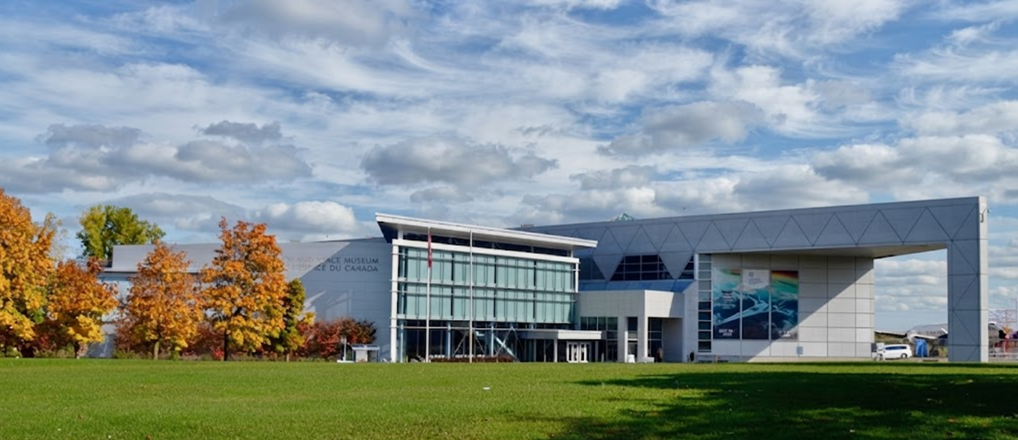
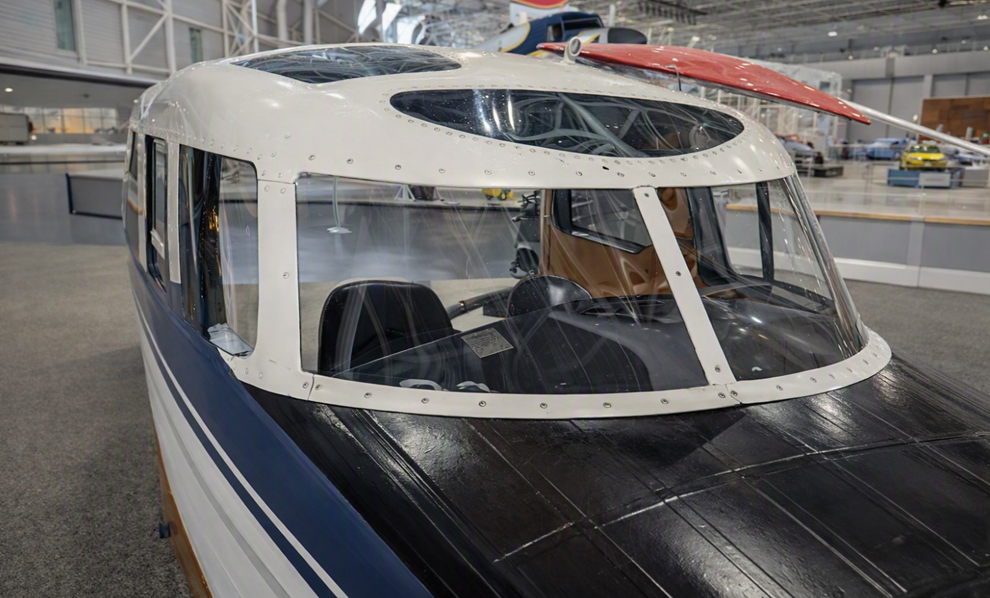
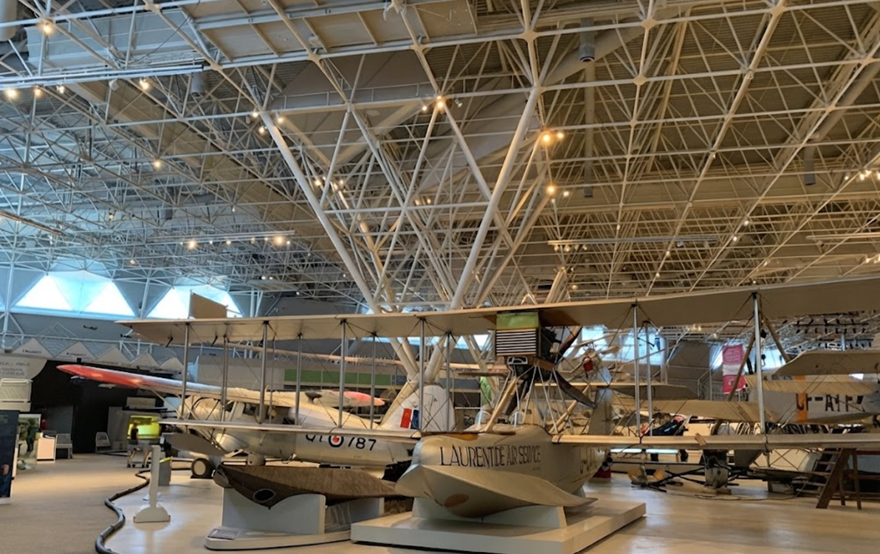
On the edge of Ottawa, where the runways of a former military airbase stretch into the horizon, the Canada Aviation and Space Museum rises like a cathedral to human ambition. Its hangars are vast, its collection unmatched: more than 130 aircraft and artifacts, each one a testament to the dream of flight and the audacity of those who chased it.
Step inside and you are immediately surrounded by the hum of history—the fragile beginnings of aviation, the roar of wartime bombers, the sleek promise of jet engines, and the silent mysteries of space.
The Origins of Flight in Canada
The story begins in 1909, when the Silver Dart lifted off in Nova Scotia, marking Canada’s first powered flight. That fragile machine, stitched together from wood and canvas, is preserved here as a relic of courage. It sits quietly, wings stretched, reminding visitors that every soaring jet and every spacecraft began with a leap of faith.
The museum’s collection policy is deliberate: to illustrate the development of the flying machine in both peace and war, from the pioneer period to the present. Aircraft from many nations are represented, but Canadian achievements are given pride of place. This international breadth has earned the museum a reputation as one of the finest aviation museums in the world.
Wartime Skies: Machines of Conflict
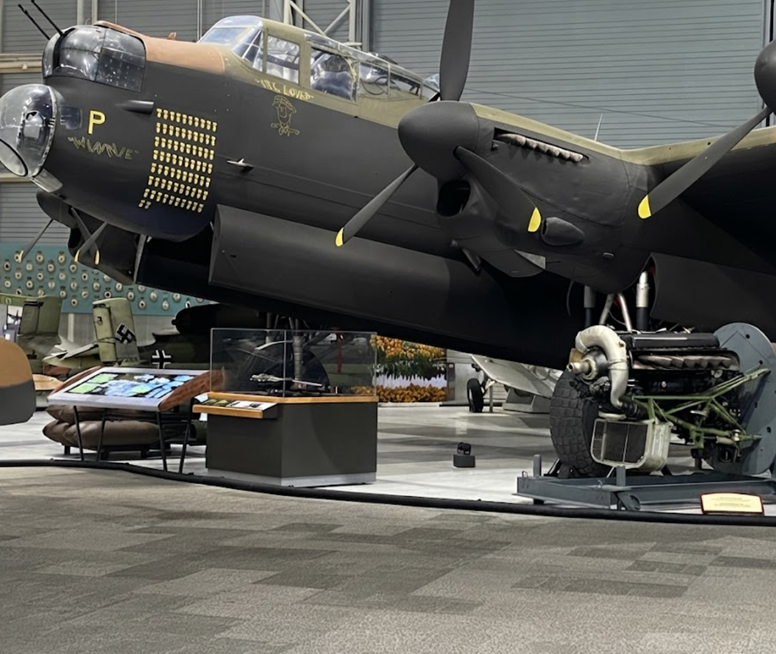
Walk deeper into the Main Exhibition Hall and the atmosphere shifts. Here, the Lancaster bomber looms, its fuselage heavy with memory. Canadians flew these legendary machines across Europe during the Second World War, their missions etched into the collective story of sacrifice and resilience.
Nearby, the A.E.G. G.IV, the only surviving German twin‑engine aircraft from the First World War, stands as a rare artifact of early aerial warfare. Alongside it, the Messerschmitt Me 163B, the world’s first rocket fighter, speaks of desperation and innovation in equal measure.
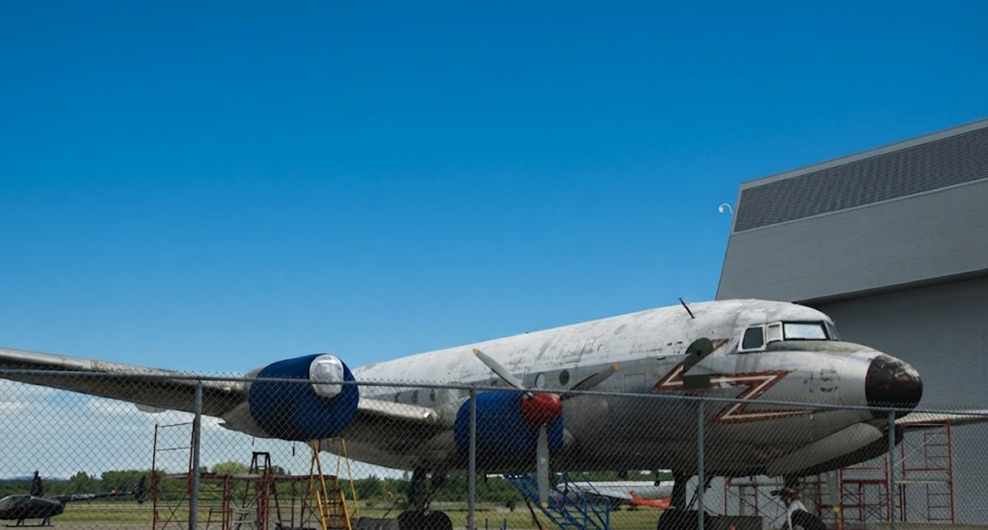
The museum does not glorify war—it contextualizes it. Visitors are invited to consider the human stories behind the machines: the pilots who climbed into cockpits, the engineers who designed under pressure, the families who waited for news.
Civil Aviation: The Birth of Air Transport
Beyond the war machines lies another narrative: the rise of civil aviation. The 1947 prototype of the de Havilland Canada Beaver is displayed here, a bush plane that transformed remote travel across Canada’s rugged landscapes. Its legacy is one of accessibility—connecting communities, delivering supplies, and opening the vast northern wilderness to exploration.
Bush flying is given special attention in the museum’s exhibits. It is uniquely Canadian, a story of resilience and ingenuity in the face of geography. The Beaver, alongside other aircraft, embodies the spirit of a nation determined to bridge distances.
Into the Jet Age
The museum’s collection also charts the evolution of jet technology. Sleek examples of the Sabre, MiG‑15, and Harrier line the hall, their sharp silhouettes contrasting with the rounded forms of earlier propeller aircraft. These machines represent speed, power, and the Cold War era’s relentless pursuit of superiority in the skies.
The Avro Arrow: A Controversial Legacy
No artifact captures Canadian imagination quite like the Avro Arrow. The museum houses the largest surviving piece of this ill‑fated aircraft, a project that promised to place Canada at the forefront of aerospace innovation before its abrupt cancellation in 1959.
Visitors linger here, drawn by the Arrow’s mythology. It is a story of ambition cut short, of politics and economics colliding with engineering brilliance. The surviving fragments are displayed with reverence, a reminder of what might have been.
Canada in Space: From Orbit to Imagination
The museum is not confined to Earth’s atmosphere. Its Canada in Space exhibits highlight the nation’s contributions to exploration beyond the skies. The original Canadarm, once clasped to the Endeavour space shuttle, stretches out like a relic of modern mythology.
Interactive galleries invite visitors to slip into the role of astronauts. Helmets can be tried on, simulators replicate the dizzying disorientation of orbit, and the Life in Orbit exhibition immerses guests in the routines of the International Space Station.
Here, the narrative shifts from machines of war and transport to machines of discovery. Canada’s role in space exploration is celebrated as part of a global endeavor, proof that ingenuity knows no boundaries.
Guided Tours and Hidden Hangars
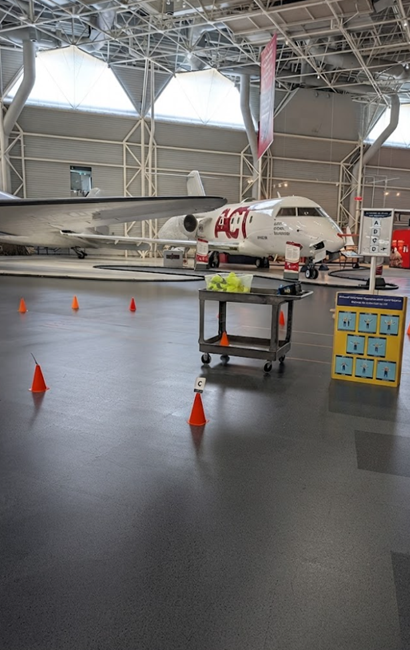
The museum welcomes self‑guided exploration, but its guided tours—offered in both English and French—add a layer of storytelling that transforms steel and rivets into human drama. These tours last around 45 minutes, weaving context into the exhibits.
For those who crave more, the Reserve Hangar tour reveals treasures not on public display. Prototypes, fragments, and forgotten machines wait in the shadows, accessible only through this special guided experience.
Flight Beyond the Exhibit
The museum does not stop at observation. Step outside and you can take to the skies yourself. Helicopter blades whip the air, vintage biplanes rumble with nostalgia, and Cessnas lift families above Ottawa’s skyline.
Family Sightseeing Rides: Two to three passengers soar over downtown Ottawa for $45–$55.
Helicopter Tours: From $79 to $229 per person, offering sweeping aerial views of Parliament Hill and Gatineau.
Biplane Tours: Between $95 and $199 per person, available May through October, delivering the thrill of open‑cockpit flight.
These experiences transform the museum from a place of history into a place of living adventure.
For Students: Learning Through Play
The museum is also a classroom. Its STEAM‑based programs encourage experimentation and discovery, turning lessons into play. Students explore Canada’s aerospace history, engage in hands‑on activities, and realize that science is not a subject—it is an adventure.
Curriculum‑based tours maximize opportunities to explore, experiment, observe, assess, and discuss findings. Children slip into the role of engineers and astronauts, testing theories and observing outcomes.
Practical Details
📍 Address: 11, promenade de l’Aviation, Ottawa, K1K 2X5
📞 Contact: 1-866-442-4416
📧 Email: contact@IngeniumCanada.org
🕘 Hours: Daily, 9:00 am – 5:00 pm (closed Christmas Day)
🎟️ Admission:
Adults $16.75,
Seniors/Students $14.50,
Youth $11.50,
Families $42.25.
Free entry from 4:00–5:00 pm with advance booking.
Memberships extend access across Ingenium’s three national museums, offering year‑round entry into Canada’s heritage of science and innovation.
Events and Ceremonies
The museum doubles as a venue for conferences, receptions, and weddings. Its state‑of‑the‑art theatre and grand event spaces are surrounded by treasures of aerospace history, offering a setting unlike any other. It also hosts Ingenium’s Remembrance Day ceremonies, where the machines of war become backdrops for reflection and honor.
Where Ingenuity Takes Flight
The Canada Aviation and Space Museum is not simply a collection of aircraft—it is a living archive of human daring. From fragile beginnings to the edge of space, it tells the story of how Canadians helped shape the skies and beyond.
Whether you come to marvel at the Avro Arrow, touch the Canadarm, or feel the rush of wind in a biplane, this museum is where ingenuity takes flight. It is a place where history is not only preserved but experienced, where the dream of flight continues to inspire.