A National Space of Reflection
The Canadian War Museum rises from the LeBreton Flats like a monument carved into the landscape. Its angular lines suggest both the scars of conflict and the resilience of renewal. From the outside, the building feels austere, its sloping roof blending with the horizon, but step inside and the atmosphere shifts. Light filters through narrow windows, guiding visitors toward galleries that balance remembrance with education. It is not only a museum of military history but a place where memory is honored, where silence and storytelling coexist.
Origins and Evolution
The museum’s roots stretch back to 1880, when a modest collection of militia artifacts formed its foundation. Over time, the collection grew, shaped by wars that defined Canada’s role on the world stage. The move to LeBreton Flats in 2005 was symbolic: the opening coincided with the 60th anniversary of V‑E Day and the museum’s 125th anniversary. Since then, more than 500,000 visitors each year have walked its halls, making it one of Ottawa’s most respected institutions. Its mission is clear—to present Canada’s military history with honesty, respect, and humanity.
Canadian Experience Galleries
At the heart of the museum are the Canadian Experience Galleries. These spaces unfold like chapters in a book, each gallery devoted to a different era. Pre‑contact warfare, colonial conflicts, the World Wars, peacekeeping missions, and modern engagements are all represented. Artifacts are not displayed as distant relics but as human stories: uniforms worn by soldiers, letters written from the front, medals awarded for bravery. The galleries emphasize that war is not abstract—it is lived experience, shaped by individuals whose voices still echo.
Collections of Global Standing
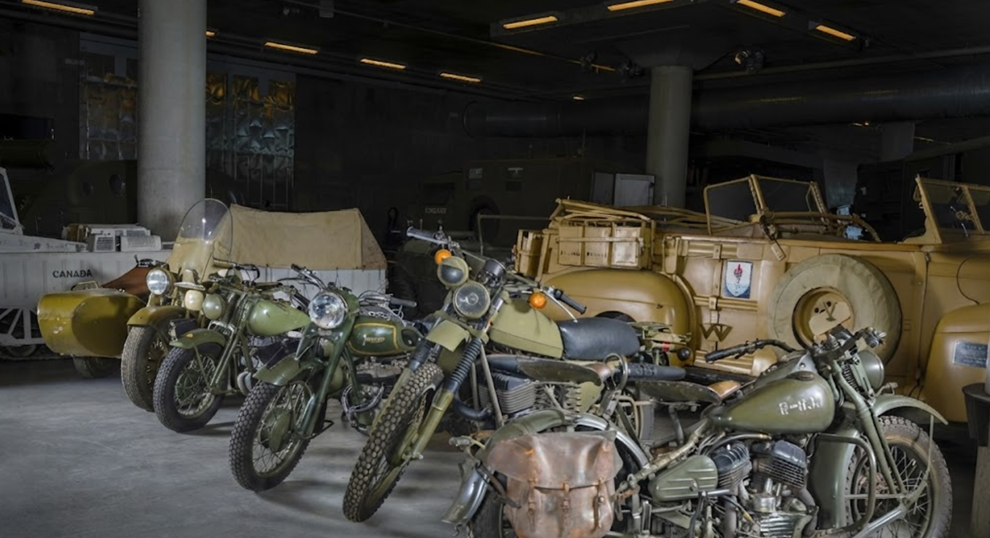
The museum’s holdings are vast and internationally recognized. More than 3 million artifacts, documents, and recordings form a tapestry of Canada’s military past. Rare vehicles and artillery stand alongside uniforms and medals, while personal memoirs add intimacy to the narrative. The Beaverbrook Collection of War Art, with 14,000 works, captures the emotional and visual dimensions of conflict. Researchers find depth in the Military History Research Centre, home to the George Metcalf Archival Collection and the Hartland Molson Library. Together, these collections ensure that Canada’s military history is preserved not only as fact but as lived memory.
LeBreton Gallery: Machines and Meaning
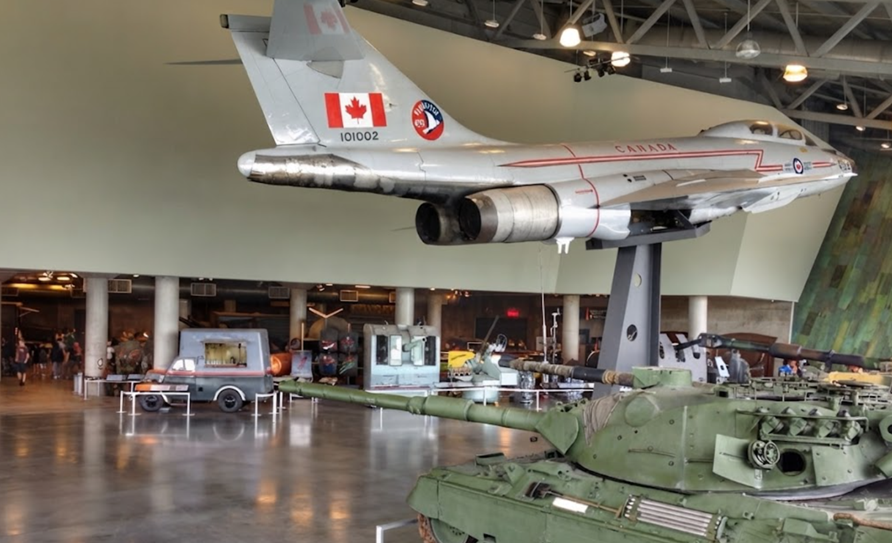
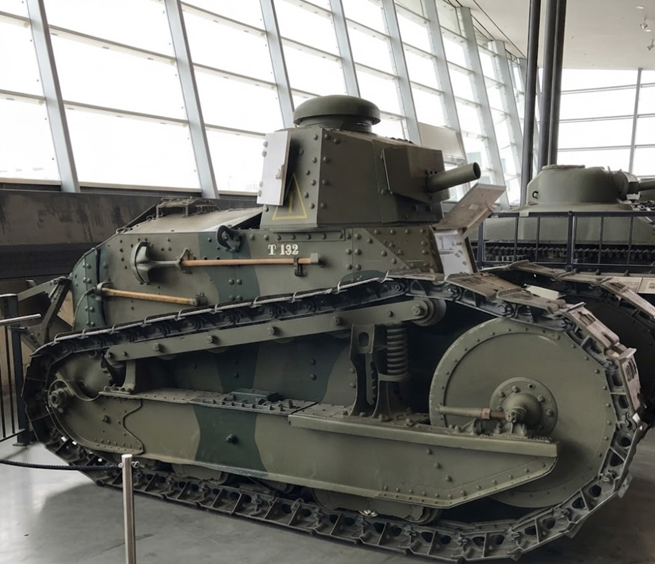
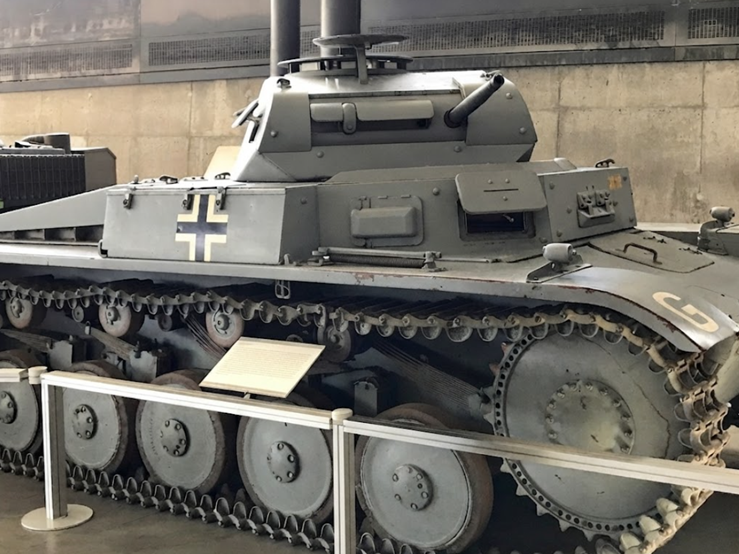
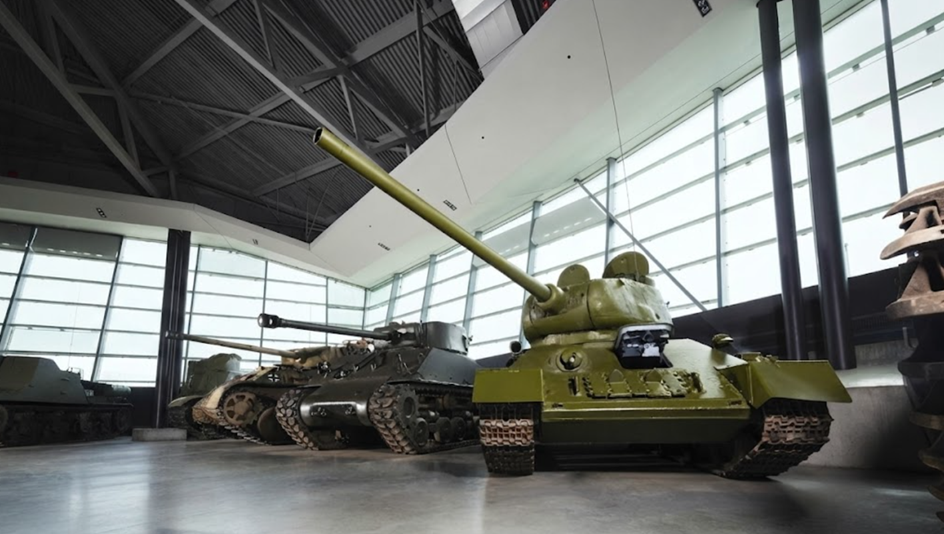
The LeBreton Gallery is an open‑storage space where tanks, artillery, and aircraft stand in quiet formation. Walking among them, you feel the scale of conflict—the size of a tank, the weight of artillery, the presence of aircraft that once filled the skies. Yet these machines are not presented as trophies; they are contextualized as tools of war, reminders of ingenuity and destruction. The gallery emphasizes the human dimension: the soldiers who operated them, the civilians affected by their use, the societies transformed by their presence.
Tours and Interpretation
Public tours bring the museum to life. Program interpreters guide groups through galleries, weaving stories that connect artifacts to lived experience. Their narration transforms objects into voices, ensuring that visitors leave with more than facts—they leave with understanding. Tours highlight defining moments in Canada’s military history, showing how past events continue to shape the nation today.
Practical Details
Location: 1 Vimy Place, Ottawa
By car: On‑site parking available.
By transit: VIA Rail to Ottawa, then OC Transpo to Pimisi Station, a seven‑minute walk north.
By bicycle: Bike racks available onsite.Timed tickets are required for entry, available online or at the box office. Admission is free Thursdays from 5:00–7:00 p.m. A limited number of strollers and wheelchairs are available at no charge.
Gift Shop
The museum is not only about reflection but also about pause and comfort. The gift shop extends the experience, with military models, books, artisan crafts, and commemorative items that carry the museum’s spirit home. Visitors often leave with more than souvenirs; they carry reminders of the stories they encountered.
Architecture as Symbol
The building itself is part of the narrative. Designed to evoke both conflict and hope, its sloping roofline resembles a battlefield scar healed by time. The use of concrete and glass creates contrasts—strength and transparency, permanence and openness. From certain angles, the museum appears to rise from the earth, as though history itself has shaped its form. Inside, the interplay of light and shadow mirrors the themes of war and remembrance.
A Crown Corporation
The Canadian War Museum is part of the Canadian Museum of History Corporation, a Crown corporation established by the Museums Act. Together with the Canadian Museum of History and the Virtual Museum of New France, its mandate is to deepen Canadians’ understanding of the events, people, and objects that have shaped national identity, while also enhancing awareness of world history and cultures.
Why It Matters
The Canadian War Museum is ranked #1 of 299 “Top Things to Do in Ottawa” on TripAdvisor (2018). But beyond accolades, it is a place where history is not distant—it is immediate, human, and deeply felt. Its galleries remind us that war is not only about battles and strategies but about lives lived, sacrifices made, and legacies carried forward. Visitors leave with a sense of connection, not only to Canada’s past but to the universal human experience of conflict and resilience.
Closing Reflection
To walk through the Canadian War Museum is to journey through time. It is to see artifacts not as static objects but as voices, to feel the weight of history in machines and memoirs, to understand that remembrance is both national and personal. The museum stands as a testament to Canada’s military past and as a beacon of hope for the future—a place where memory is preserved, stories are told, and history is made human.