
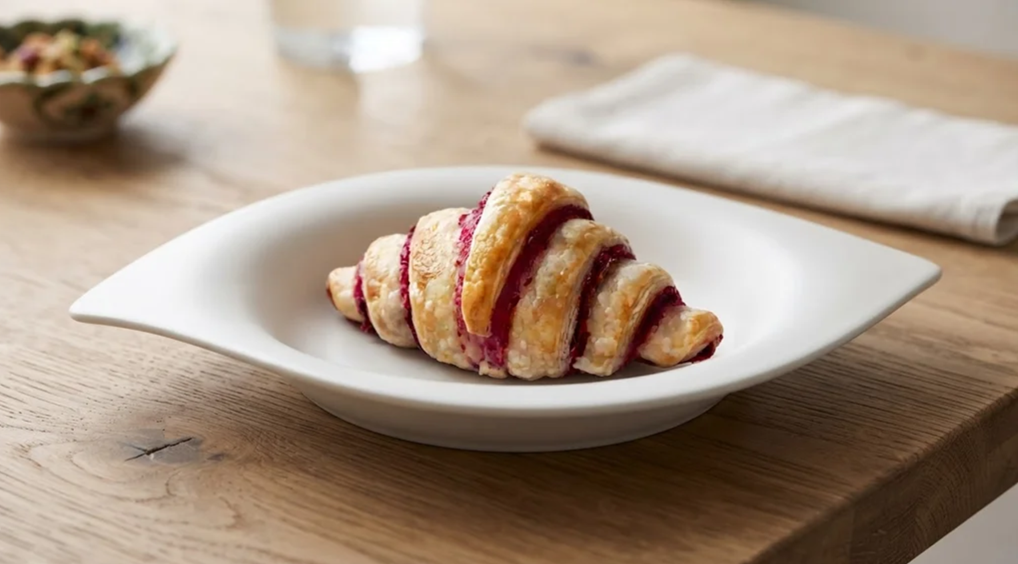
The croissant is more than a pastry. It is tradition and a story folded into butter and dough. To understand why this crescent‑shaped bread roll has become so ubiquitous—and why disappointment is so keen when it is poorly made—we must trace its history, its craft, and its enduring place in the rhythm of mornings.
The Promise of a Perfect Morning
There is a particular kind of morning that feels complete only with a croissant. The newspaper rustles, the coffee steams, and the croissant sits warm on the plate, its golden layers waiting to shatter at the touch. When made well, it is perfection: crisp on the outside, tender within, buttery without being heavy.
When made poorly, it is a betrayal—dense, greasy, lifeless. The contrast between promise and reality is sharp, which is why the croissant inspires such devotion.
The Long Process of Lamination
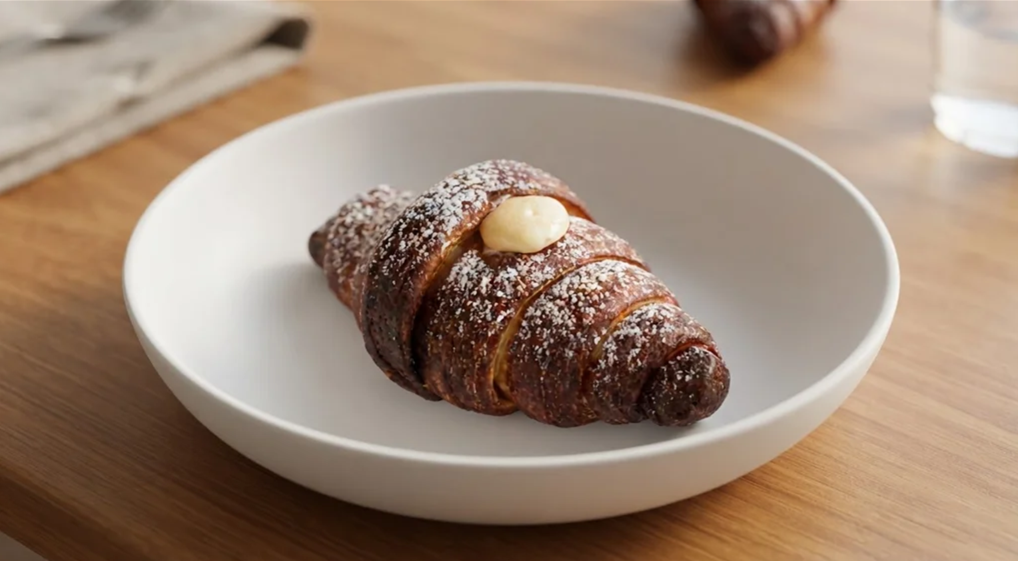
The technique of croissant‑making is deceptively simple. Yeast‑leavened dough is layered with butter, rolled, folded, and rolled again. Each fold creates new strata, a hidden architecture that will later rise into flakes. The crucial element is neatness. If the butter does not reach the edges, the croissant will emerge uneven, with dry patches where the magic failed.
Precision is the soul of pastry, and lamination is its discipline.The process is long, stretching over hours, sometimes days. Yet it is not complicated. It is patience, repetition, and care. The baker becomes both architect and sculptor, building layers that will later collapse into air and crispness.
Crescent by Name, Crescent by Tradition
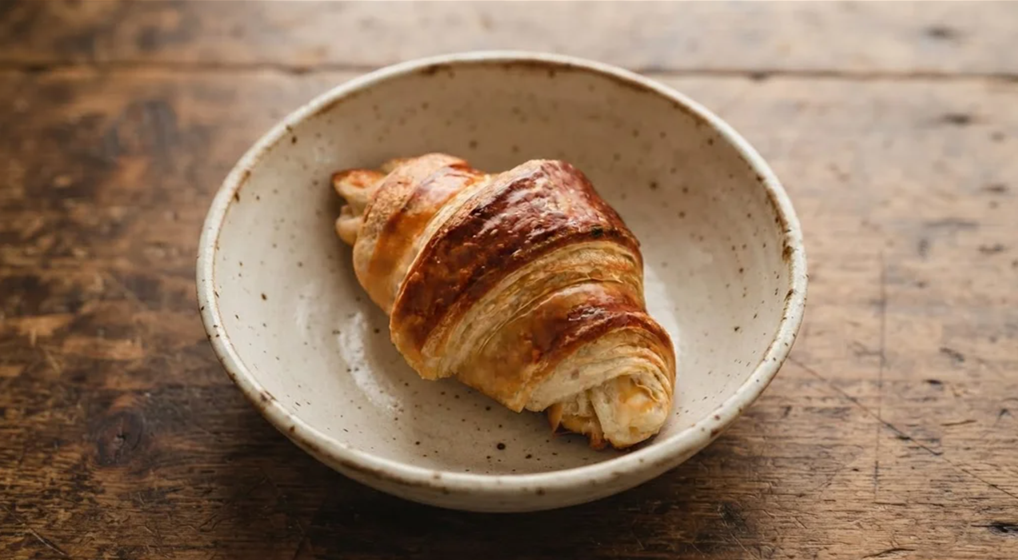
The word croissant means crescent, and its shape carries centuries of symbolism. Crescent breads have been baked since the Middle Ages, crescent cakes even earlier, their curves echoing the moon and its cycles. The modern croissant, however, belongs to the family of viennoiserie—those hybrid creations that borrow the indulgence of pastry and the structure of bread.
Viennoiserie is a bridge between worlds. It is bread that flirts with dessert, pastry that nods to sustenance. The croissant, with its buttery flakes and airy crumb, is the most famous of these hybrids, but it is not alone. Pain au chocolat, brioche, Danish pastries—all share the same lineage of yeast‑leavened dough enriched with butter and folded into layers.
The Craft of Butter and Dough
Butter is the heart of the croissant. It must be cold, pliable, and evenly distributed. The dough must be elastic yet firm, able to stretch without tearing. Together they create the layers that define the pastry.
A Tradition of Pauser
Rolled out, ready to bake, the dough is a promise. The oven transforms it into something more than food: a crisp shell that shatters, a tender interior that melts, a fragrance that fills the room. Add coffee, and the pairing becomes a tradition of pause.