
A Square of Many Names
Across Canada, the date square is a dessert of many disguises. In Manitoba kitchens, it is simply “date squares.” In British Columbia, it becomes matrimonial cake. On the East Coast, it crumbles into “date crumbles.” Each name carries its own regional affection, but the essence remains unchanged: a buttery oat crust, a sticky-sweet date filling, and a crumble topping that speaks of comfort and tradition.
This multiplicity of names is more than linguistic play. It reflects the way food migrates across regions, adapting to local dialects and family lore. The same square, baked in prairie kitchens, coastal cottages, or mountain chalets, becomes a shared cultural thread. It is a dessert that unites Canadians even as it wears different labels.
Symbolism in Layers
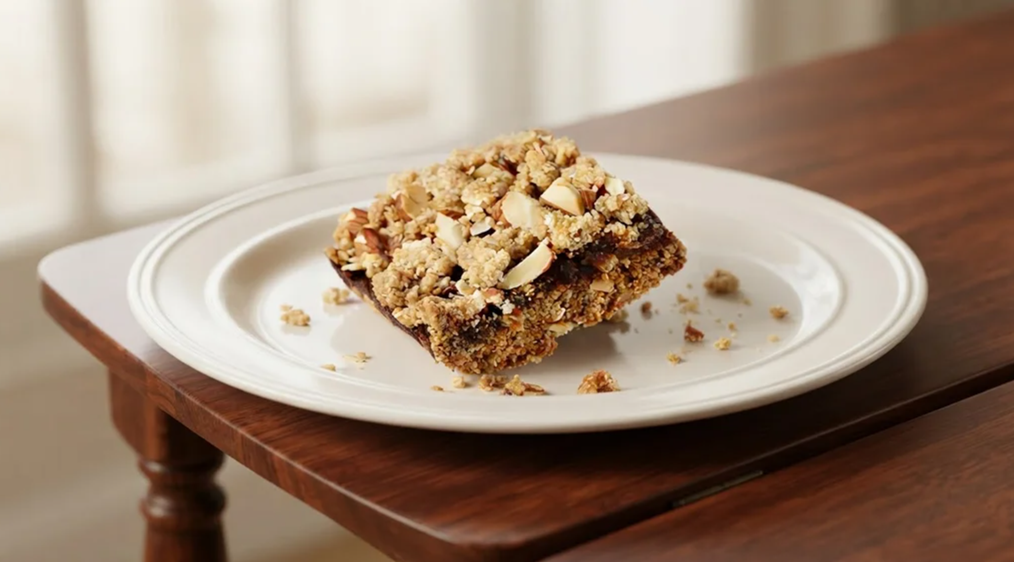
The lore behind the name “matrimonial” is as charming as the dessert itself. The rough oat layers are said to symbolize the ups and downs of marriage, while the sweet date filling represents the love that binds it all together. A cookie that doubles as marriage advice — succinct, enduring, and delicious. This symbolism is not accidental.
Food has long been used to tell stories, to encode wisdom in edible form. The matrimonial cake is a reminder that sweetness lies between the rough patches, that love is what holds together the crumble of daily life. It is a philosophy baked into oats and dates, carried from one generation to the next.
Crafting the Classic
The recipe is deceptively simple. The base: oats, flour, sugar, and butter pressed into a pan. The filling: simmered dates, a touch of sugar, and vanilla until creamy and spreadable. The topping: more oats and butter, scattered loosely to bake into golden rubble. Some bakers add cinnamon to the oats, others brighten the filling with lemon zest or almond extract.
A handful of walnuts or candied citrus peel can transform the middle into something festive. Yet the traditionalists insist: keep it plain, keep it perfect. The choice of oats matters. While instant oatmeal can technically be used, it lacks the texture that gives the square its crumbly bite.
Old-fashioned or quick-cooking oats are preferred, their rough edges creating the rustic mouthfeel that defines the dessert.
Storage and Longevity
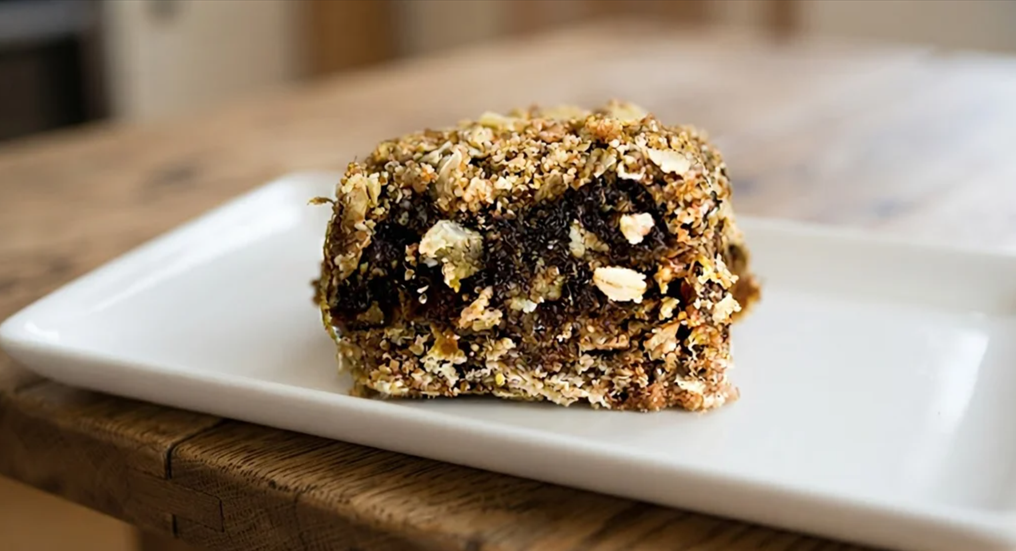
Fresh from the oven, the squares are best cooled before cutting — patience ensures clean edges rather than crumbling chaos. At room temperature, they keep for 3–4 days, though some say 5–7. In the fridge, they last up to two weeks, though the chill can dry them slightly.
For longer keeping, they freeze beautifully: layered with parchment or wrapped individually, they rest in the freezer for up to three months. Thaw overnight, or warm a single square in the microwave for thirty seconds to restore its soft, sticky charm. This longevity makes them ideal for travel.
Packed into tins or wrapped in wax paper, they accompany picnics, hikes, and long train journeys. They are a dessert that endures, both in storage and in memory.
Traditions of Serving
Date squares are versatile. They travel well, tucked into lunchboxes or picnic baskets. They pair with tea or coffee, and some swear they are hearty enough for breakfast. Served warm with a scoop of ice cream, they become a dessert worthy of company. Cold from the fridge, they offer a chewy bite that feels almost virtuous.
The rituals of serving vary by household. Some cut them into neat squares, others into generous rectangles. Some dust them with powdered sugar, others leave them plain. Yet in every case, the act of serving is an act of sharing — a square passed across the table, a bite offered to a friend.
A Coast-to-Coast Tradition
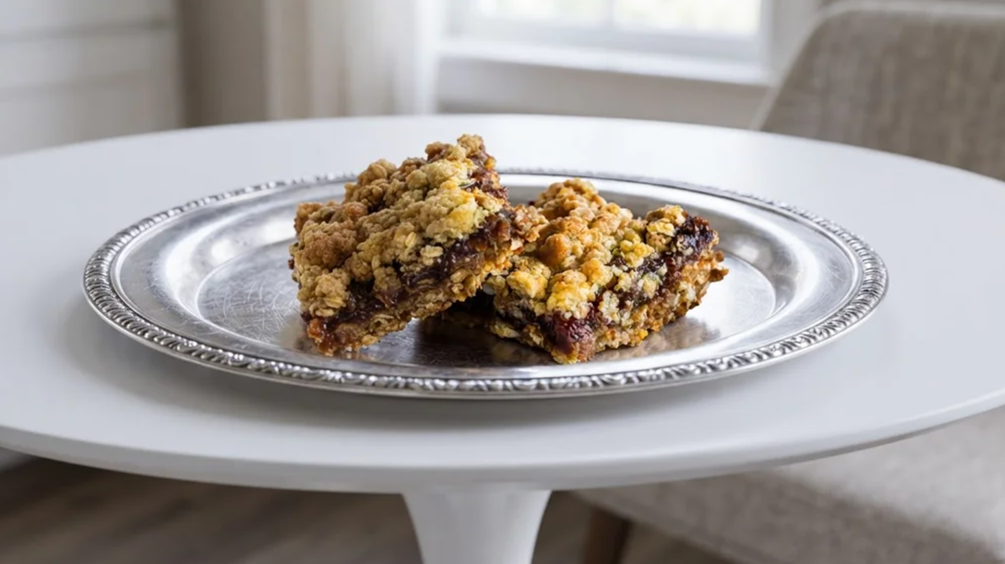
Coast to coast, the recipe remains largely unchanged, passed down in handwritten notes and family cookbooks. The only adjustments are minor — halving the sugar in the filling, testing pan sizes, tweaking bake times. This continuity is remarkable.
In a world where recipes evolve rapidly, where trends sweep through kitchens, the date square endures. It is a dessert that resists reinvention, that insists on its own perfection.
Regional Variations
Though the core recipe is stable, regional variations add nuance. In Quebec, the square is sometimes called carré aux dattes, and may include a hint of citrus. In Newfoundland, molasses occasionally finds its way into the crumble, deepening the flavor. On the prairies, the filling is often kept plain, a straightforward celebration of dates.
These variations are not departures but embellishments. They show how a recipe can adapt without losing its identity, how a square can carry local flavor while remaining universally recognizable.
The Cult Following
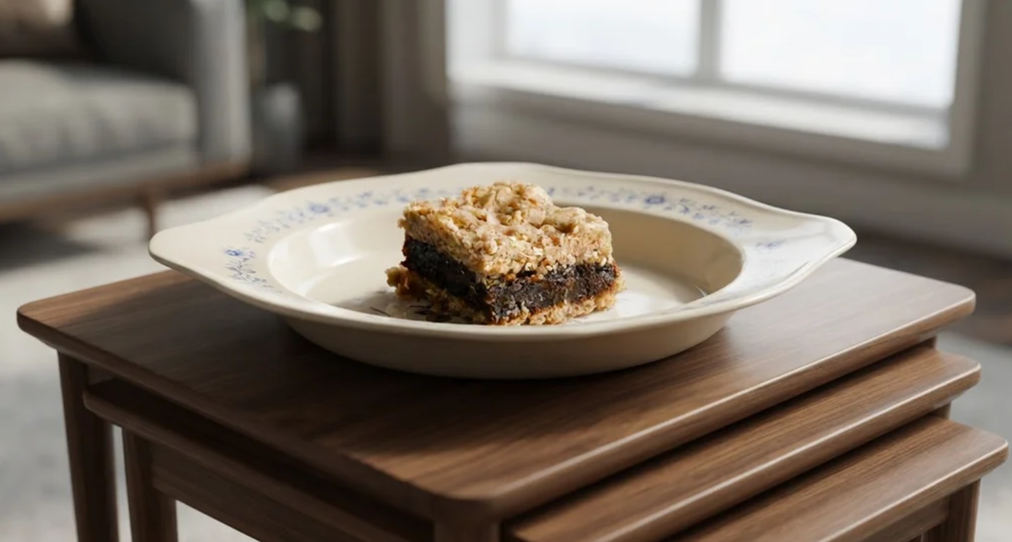
Date squares have a cult following across Canada. They are not flashy, not trendy, yet they inspire devotion. Perhaps it is their simplicity, their ability to satisfy without excess. Perhaps it is nostalgia, the memory of childhood kitchens and family gatherings. Whatever the reason, the following is real.
They are a dessert that belongs everywhere, that feels at home in every setting.
Nutritional Comfort
Though sweet, date squares carry a sense of nourishment. Dates are rich in fiber and natural sugars, oats provide substance, butter offers indulgence. They are filling, satisfying, almost breakfast-worthy.This balance makes them unique. They are dessert, yes, but also sustenance. They blur the line between treat and staple, between indulgence and necessity.
A Canadian Icon
Like butter tarts or Nanaimo bars, date squares are woven into Canada’s culinary identity. They are unassuming yet deeply satisfying, a dessert that offers both sustenance and nostalgia. Each bite is a reminder of kitchens past, of family gatherings, of coastlines and prairies. A square that is more than a sweet — it is a story, a symbol, and a taste of home.
Conclusion: Sweetness Between the Crumble
In the end, the date square is more than oats and dates. It is a metaphor, a tradition, a comfort. It is the sweetness between the rough patches, the love that holds together the crumble of life. From coast to coast, from one generation to the next, it endures. A square of many names, a dessert of many meanings, a Canadian classic that continues to be baked, shared, and loved.