
Amsterdam is a city of contrasts — the polished perfection of canal houses, the grandeur of Museumplein, the quiet dignity of Jordaan. And then there is De Pijp, a neighbourhood that refuses to be staged, a place where daily life spills onto the sidewalks in all its messy, beautiful imperfection.
Step outside the canal rings and you’ll find yourself in this bohemian enclave, part of Oud-Zuid, yet distinctly its own. Flower pots crowd corners, bicycles lean against façades, delivery trucks block narrow streets in the morning, and children’s laughter echoes from playgrounds tucked between rows of 19th-century houses.
A Name Wrapped in Mystery
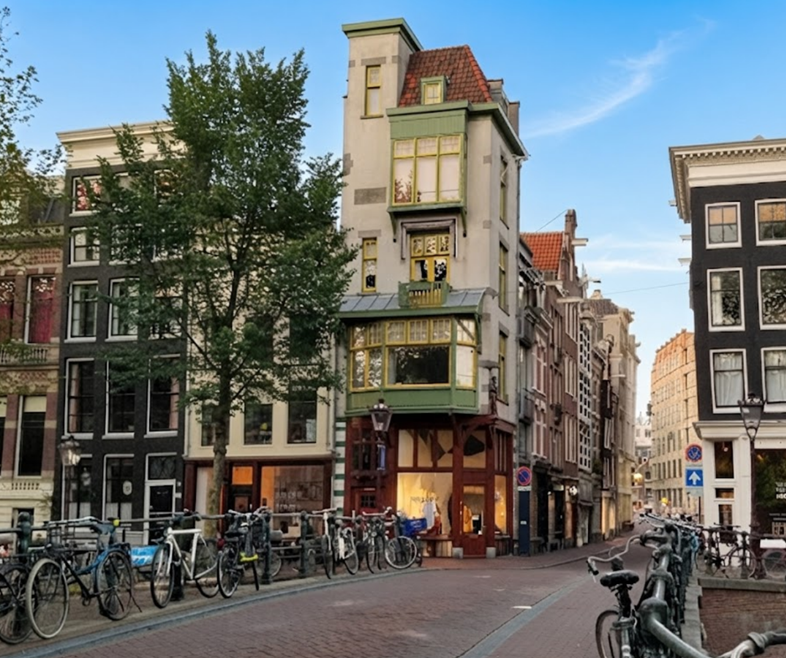
The name De Pijp translates to “The Pipe,” but its origin is uncertain. Some say it refers to the gas company pipeline that once ran through the area. Others imagine the streets themselves, long and narrow like pipes, or the funnel of people moving through daily. Whatever the truth, the name has stuck, and with it a sense of intrigue.
Built in the 19th century to house the working class, De Pijp was Amsterdam’s answer to overcrowding in Jordaan. Immigrant families — Spanish, and later waves from across Europe and beyond — settled here. Artists and students followed, drawn by cheap rents and a vibrant street life. The neighbourhood earned the nickname Quartier Latin, Amsterdam’s Latin Quarter, echoing the bohemian spirit of Paris.
Originally confined to Oude Pijp, the area expanded into Nieuwe Pijp and Diamantbuurt, each with its own character. Today, De Pijp is far from cheap — a two-bedroom apartment can command €3,500 a month — but the spirit of diversity and creativity remains.
The Charm of Imperfection
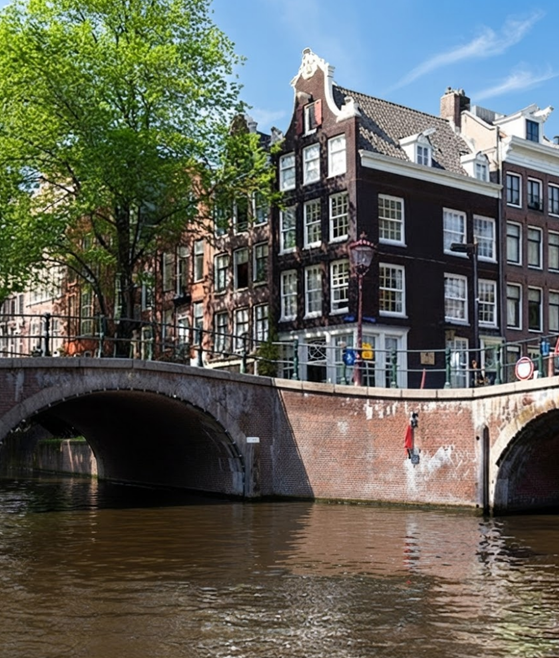
Unlike the canal belt, De Pijp has no waterways threading through its streets. Instead, it is framed by the Amstel River to the east and the Ruysdaelkade to the west. Its houses are stacked four storeys high, neat but not ornate, built for practicality rather than grandeur. Yet there is beauty here: façades softened by ivy, balconies crowded with geraniums, and the expressive brickwork of the Amsterdam School.
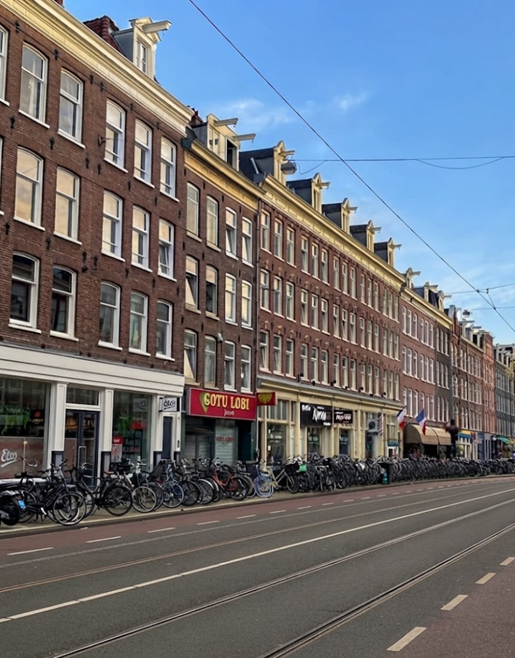
Walk down Karel du Jardinstraat, and you’ll find yourself under a canopy of trees, light filtering through leaves onto cobblestones. Turn onto Van Woustraat, and the mood shifts — busy, practical, lined with shops where locals buy their groceries and essentials. This is not a neighbourhood curated for tourists; it is a place where life unfolds unselfconsciously.
Things To Do Like a Tourist
Albert Cuyp Market
Since 1905, the Albert Cuyp Market has been the beating heart of De Pijp. With over 260 stalls, it is Amsterdam’s largest street market, and arguably its most famous. Here you’ll find everything: fresh herring, stroopwafels hot off the iron, fabrics, flowers, cosmetics, and quirky souvenirs.
Locals shop for their weekly groceries, while tourists wander in search of bargains and Dutch specialties. The market is open Monday to Saturday, 9:30 AM–5 PM, and closed on Sundays. Arrive early to avoid the crowds, and don’t miss the chance to sample a warm stroopwafel or a cone of fresh fries.
Museum De Dageraad
De Pijp is a showcase of Amsterdam School architecture, a style defined by expressive brickwork, undulating façades, and sculptural details. The most famous example is De Dageraad, now a museum dedicated to the movement. Step inside to learn how architects like Michel de Klerk and Piet Kramer transformed social housing into works of art.
Huis met de Kabouters
The “House of Gnomes,” a 19th-century building adorned with whimsical sculptures, is one of De Pijp’s most beloved landmarks. It holds Rijksmonument status and is a reminder that architecture here is never just functional — it is playful, expressive, and deeply human.
Things To Do Like a Local
Sarphatipark
Designed by physician and city planner Samuel Sarphati, this small park is a green oasis in the heart of De Pijp. English-style gardens, ponds, and meadows invite relaxation, while playgrounds keep children entertained. Ducks glide across the water, and locals sprawl on the grass with books or picnic baskets.
Gerard Doustraat & Ceintuurbaanhese streets are lined with boutiques and shops, perfect for slow browsing. From fashion to homeware, the selection is eclectic and distinctly local.
Cinetol
A cultural hub hosting workshops, concerts, and community events. Its laid-back atmosphere makes it a favourite among locals seeking creativity and connection.
Kinderboerderij de Pijp
Hidden behind Hotel Okura, this petting zoo is a delight for families. Free to enter, it welcomes children to meet goats, rabbits, and other animals.
Diamantbuurt
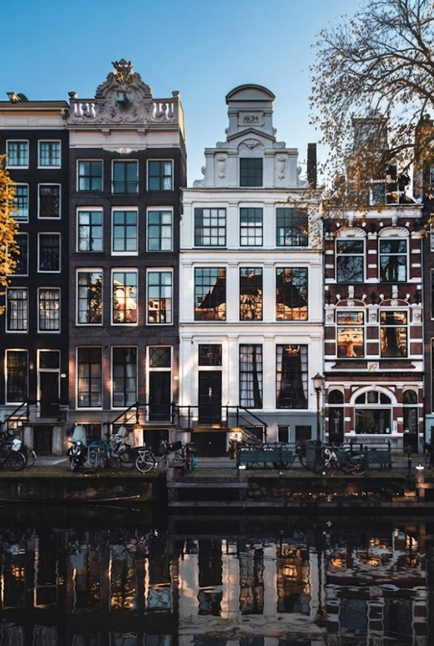
Quieter and greener than the rest of De Pijp, Diamantbuurt is dotted with Amsterdam School buildings. Walk along Jozef Israëlskade, watch boats drift by on the Amstelkanaal, and continue to the Amsteldijk for serene river views.
Shopping in De Pijp
Boutiques here are small, curated, and full of personality.
Anna + Nina – jewelry and homeware with eclectic flair.
All The Luck In The World – vintage-inspired fashion and décor.
Things I Like, Things I Love – playful lifestyle finds.
For groceries:
Stadsmarkt De Pijp – organic produce and farm-to-table goods.
Albert Heijn (Cornelis Troostplein) – a large supermarket open late.
Dirk van den Broek (Marie Heinekenplein) – discount groceries with long weekday hours.
Staying in De Pijp
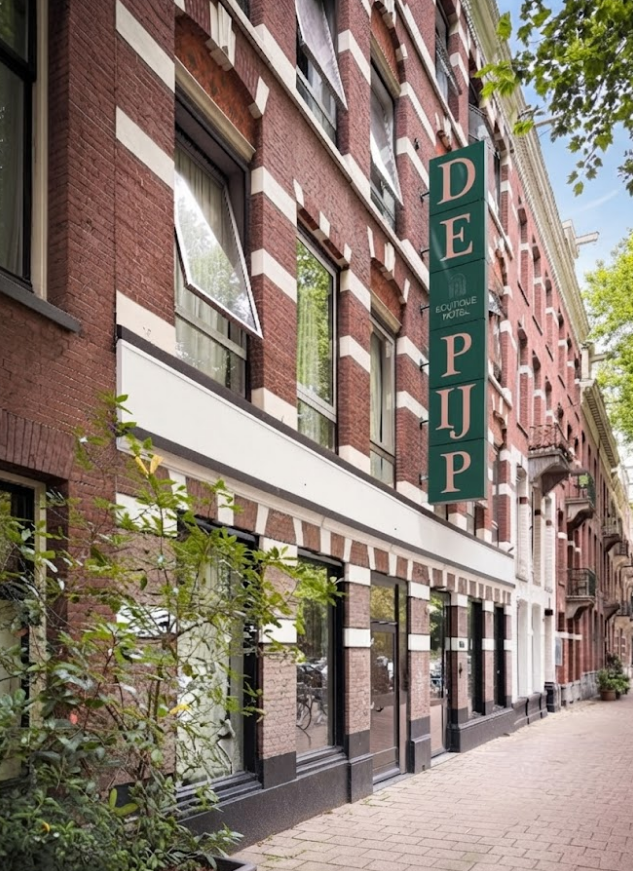
The College Hotel Amsterdam – historic charm with modern luxury.
Sir Albert Hotel – boutique style in the heart of the neighbourhood.
Social Hub Amsterdam – hybrid student and traveler accommodation, popular with university students.
Location and Access
De Pijp sits just 3.7 km from Amsterdam Centraal Station, a 10–15 minute bike ride along the Amstel. Tram lines 4, 16, and 24, plus the M52 metro, connect it seamlessly to the rest of the city. Universities are close:
VU Amsterdam – 15-minute cycle.
University of Amsterdam Roeterseiland campus – 27-minute tram ride.
Homeschool Van Amsterdam Wibautsraat – 15-minute walk.
Architecture
De Pijp’s streets are lined with four-storey 19th-century houses, built for workers but softened by time. The Amsterdam School influence is strongest in Nieuwe Pijp and Diamantbuurt, where expressive brickwork and sculptural forms catch the eye. The architecture here is not grand, but it is deeply human.
It tells the story of a neighbourhood built through poverty, transformed by creativity, and cherished for its imperfections.
Why De Pijp Captivates
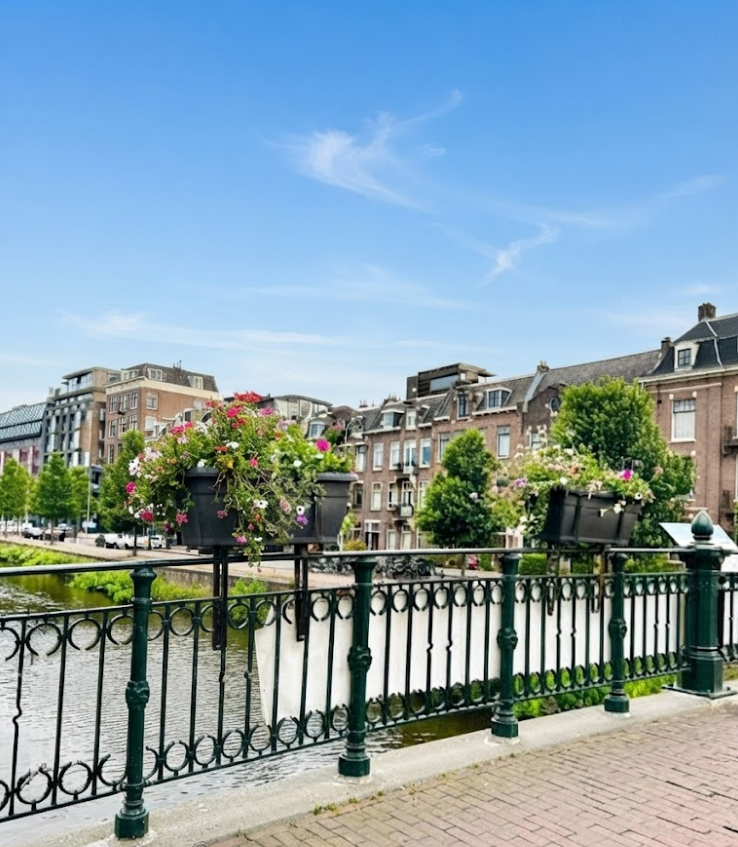
De Pijp is not about canals or postcard perfection. It is about life lived in the open: children playing in Sarphatipark, locals balancing shopping bags on bicycles, the scent of fresh stroopwafels at Albert Cuyp, the canopy of trees on Karel du Jardinstraat, and boats gliding past the Amstel.
It is a neighbourhood that embraces imperfection, celebrates diversity, and invites you to slow down. Whether you come for boutique shopping, or a quiet walk along the river, De Pijp will leave you with a sense of belonging — as if you’ve stepped into a community rather than a tourist attraction.