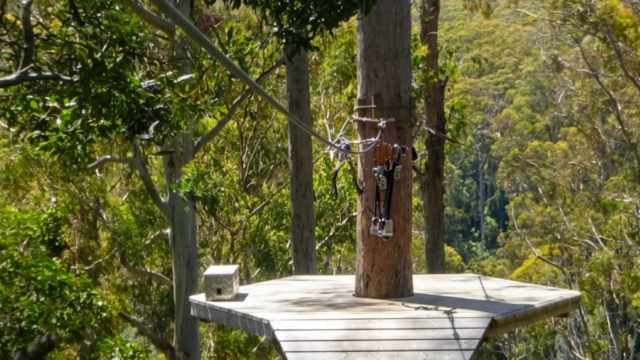
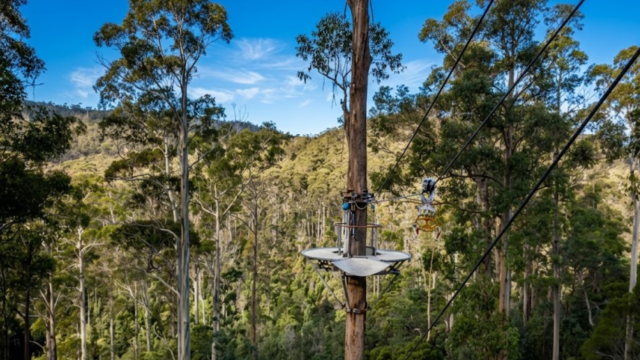
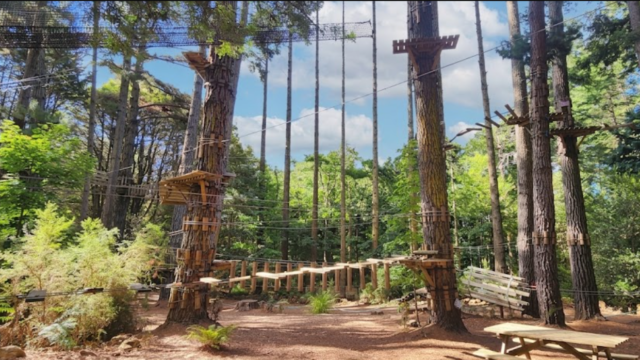
🌲 Hollybank Wilderness Adventures: Flight Through the Treetops
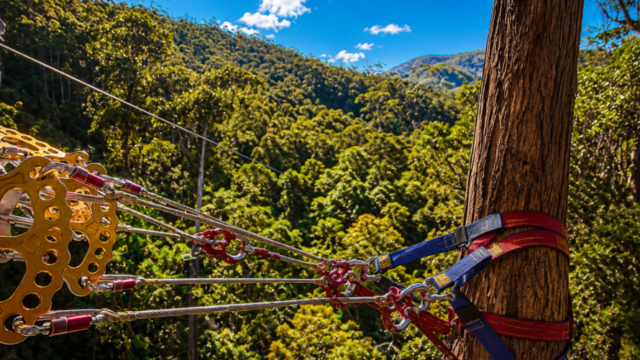
- Hollybank Treetops Adventure, No Sweat, Underwood, Tasmania, 7268, Australia
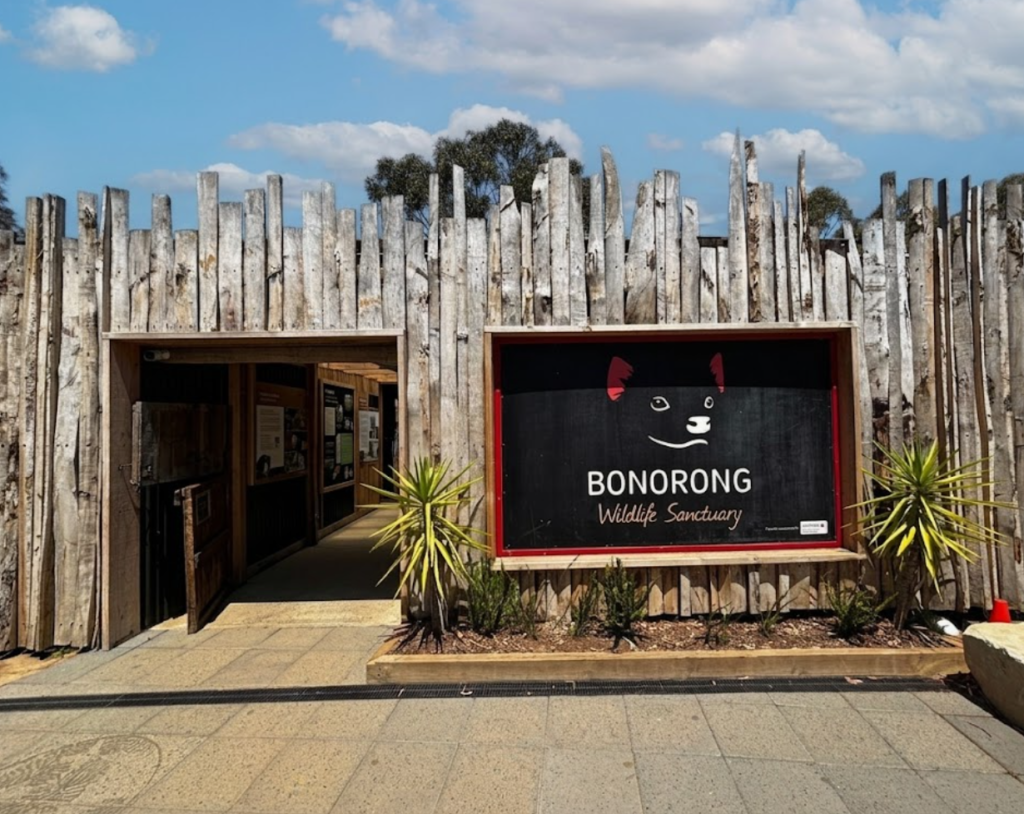
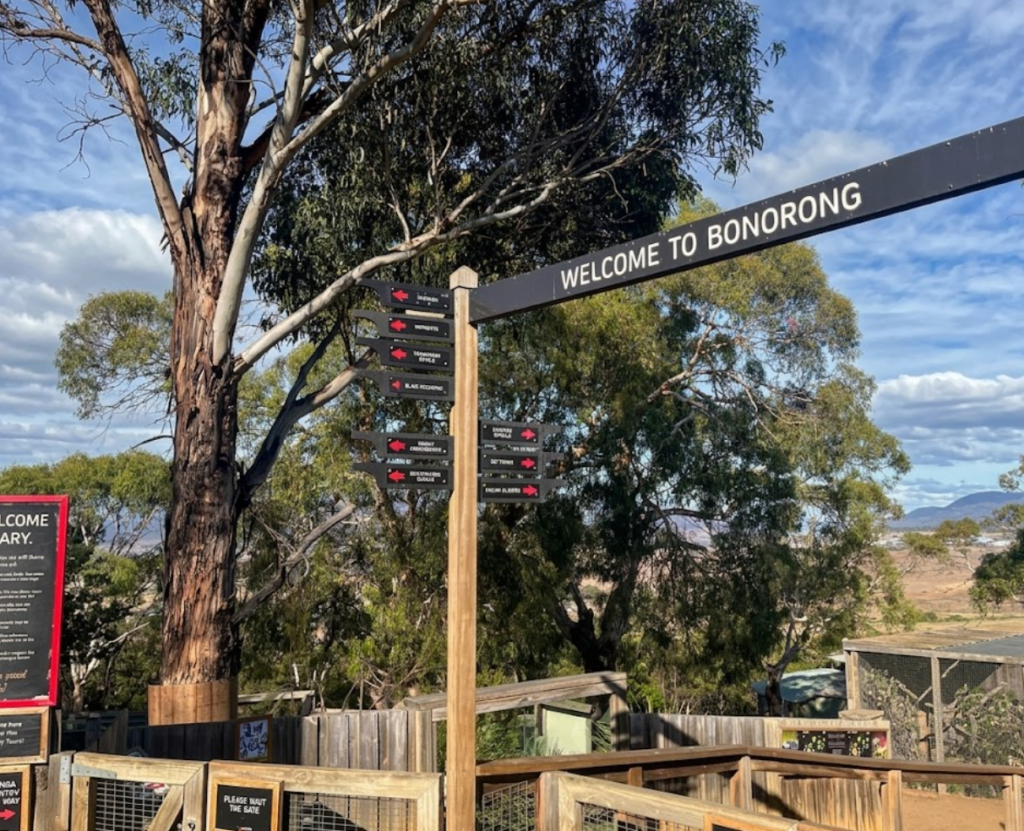
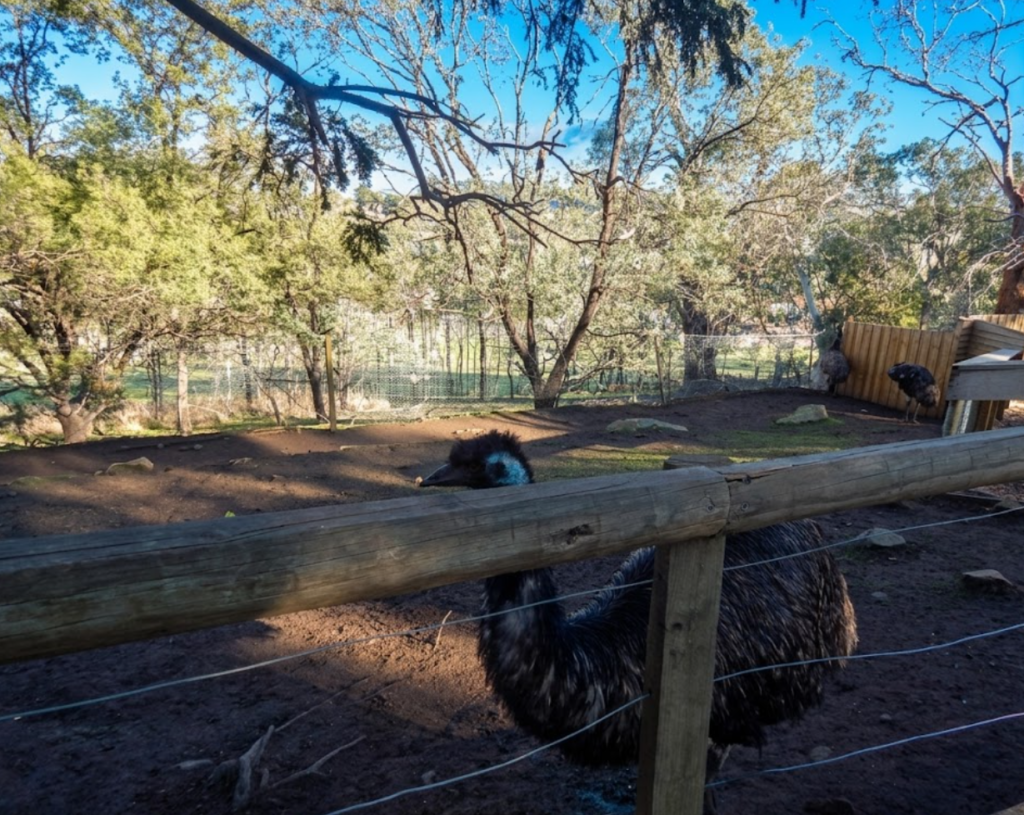
Tasmania is a place where nature feels raw, untamed, and deeply alive. When the Royal Princess docked in Hobart, one shore excursion stood out above all others: Bonorong Wildlife Sanctuary. Just thirty minutes north of the city, this remarkable refuge offers more than animal encounters — it is a living story of conservation, survival, and connection.
A Sanctuary with Purpose
Bonorong is not a zoo. It is a sanctuary, a place where injured and orphaned animals are rescued, rehabilitated, and, whenever possible, released back into the wild. For those who cannot fend for themselves, Bonorong becomes a permanent home.
The sanctuary also operates Tasmania’s largest 24/7 wildlife rescue service, answering calls across the island to save creatures in need. The name “Bonorong” itself carries meaning. Derived from an Aboriginal word for “native companion,” it acknowledges the deep ties between land, people, and wildlife.
The sanctuary humbly honors the Mumirimina people, the original custodians of this land, whose presence was tragically erased during the colonial period.
Meeting Tasmania’s Icons
Tasmania conjures one image above all: the Tasmanian devil. Visitors often arrive hoping to glimpse one, and perhaps even a platypus. Luck favors many halfway. In a spacious enclosure, a devil darts past, its distinctive white V across the chest flashing as it moves.
The platypus, however, remains elusive. Guides explain that they rarely arrive needing care, and replicating their environment would be a challenge. One wish fulfilled, one deferred — yet the day feels complete. Beyond the devil, Bonorong is home to kangaroos, wombats, koalas, quolls, cockatoos, echidnas, and Tasmanian bettongs.
Each encounter carries weight — not just an animal, but a story of endurance.
Fred the Centenarian Cockatoo
Among the sanctuary’s residents, Fred the sulphur‑crested cockatoo stands out. At 110 years old, he was entrusted to Bonorong after his owner’s passing. Spry and spirited, Fred greets guests with a mischievous gleam, living proof of the sanctuary’s promise of lifelong care. Watching him nibble at food and interact with visitors is a reminder that every creature here has a story — some spanning more than a century.
Walking the Circle
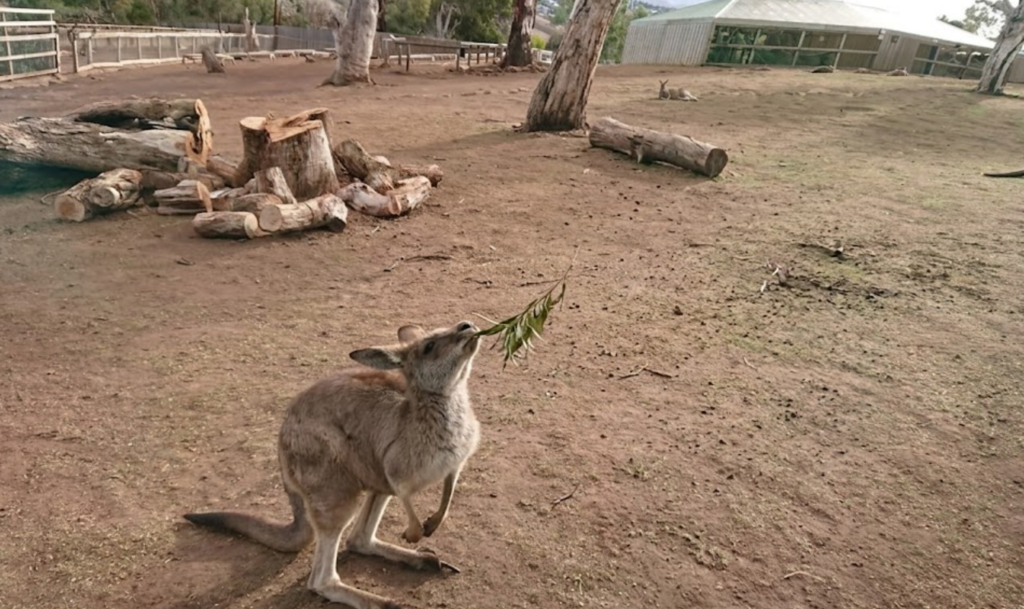
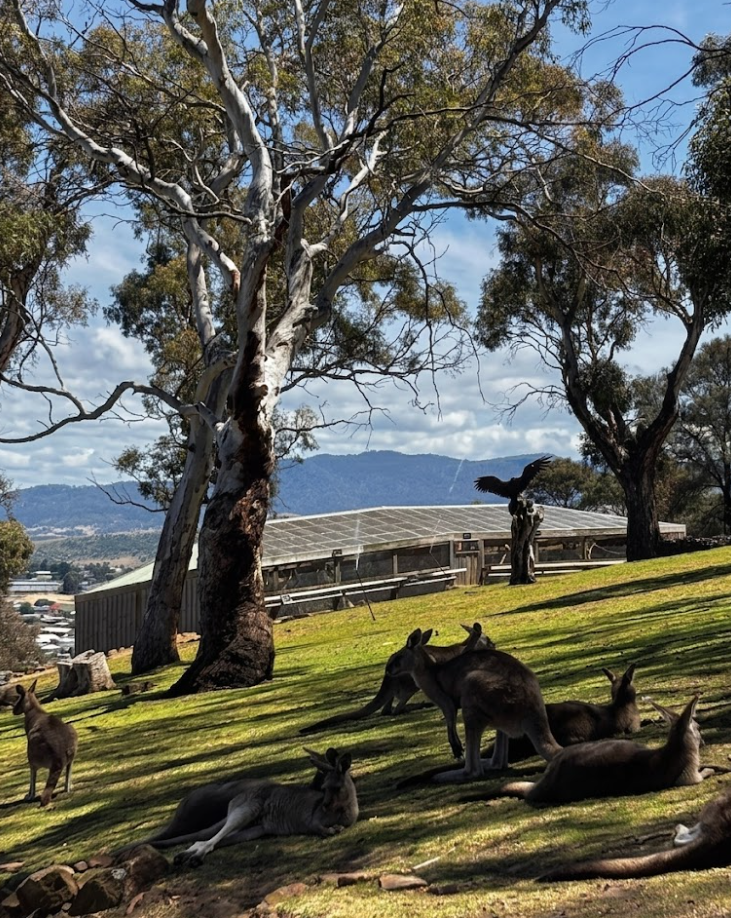
The sanctuary unfolds in a wide loop, a dirt path leading visitors past enclosures and open spaces where wildlife roams. Kangaroos approach with gentle curiosity, their soft noses brushing against offered hands. Birds call from shaded corners, wombats lumber with quiet determination, and cockatoos chatter overhead.
Forester kangaroos graze freely, tawny frogmouths camouflage against branches, pademelons dart shyly, and devils pace their enclosures. Every step feels like a dialogue with Tasmania’s natural heritage.
Interactive Tours
Bonorong offers both day and night tours. A two‑hour group day tour is informative and fun, with free time to explore independently. Feeding the free‑roaming kangaroos is a highlight — their gentle nature makes the experience safe and memorable, especially for families with children.
For those seeking something more immersive, the Feeding Frenzy tour allows guests to go behind the scenes with a keeper and hand‑feed a variety of animals. Night tours, meanwhile, reveal a different side of the sanctuary, as nocturnal creatures like quolls, devils, and possums become active at dusk.
Conservation in Action
Bonorong has run a Tasmanian devil breeding program for more than twenty years, contributing to national efforts to safeguard the species. The sanctuary also educates visitors about the challenges facing wildlife, from habitat loss to disease.
Conservation can feel overwhelming, but Bonorong makes it personal. A free course on how to rescue wildlife empowers individuals to make a difference.
Practical Guide
Why Visit Bonorong?
How Long to Spend
Most visitors stay 2–3 hours, enough to explore enclosures, join feeding sessions, and attend talks. Special encounters or night tours require half a day or an evening.
Getting There
Bonorong is about 30 km north of Hobart, a 30‑minute drive. From central Hobart, head north on the Midland Highway (A1), follow signs near Brighton for Briggs Road, and continue to 593 Briggs Road. The sealed road is suitable for all vehicles, including campervans.
Best Time to Visit
Weather
Southern Tasmania’s climate is mild:
Campervan Parking
On‑site parking includes spaces for campervans and larger vehicles. Parking is free and located just a short walk from the entrance.

Reflections
As the world’s largest surviving carnivorous marsupial, the Tasmanian devil embodies resilience. Short, squat, and just 30 cm high at the shoulder, its ferocity lies in its powerful jaw and voracious appetite. It is said that whatever they eat, nothing remains — not even bones.
Seeing one up close is unforgettable. Meeting Fred the cockatoo, feeding kangaroos, and walking among wombats and quolls adds layers to the experience. More than that, every visit supports a sanctuary that rescues, rehabilitates, and protects Tasmania’s native companions.
Bonorong is the real deal. It is a place of education and conservation, where visitors leave not only with memories but with a deeper understanding of what it means to care for wildlife.
Conclusion
A day at Bonorong may not deliver every animal wish — the platypus remains elusive — but the richness of the experience goes far beyond a checklist. It is about stories of survival, the joy of interaction, and the quiet power of conservation.
Bonorong Wildlife Sanctuary is not just a destination; it is a reminder that every small act of care adds up. For Tasmania’s native companions, it is a lifeline. For visitors, it is a chance to connect with the wild heart of an island that still holds secrets worth protecting.
There are no reviews yet.