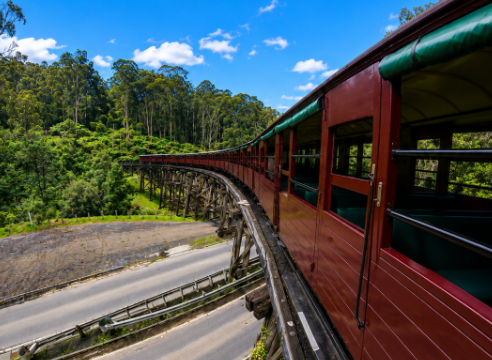
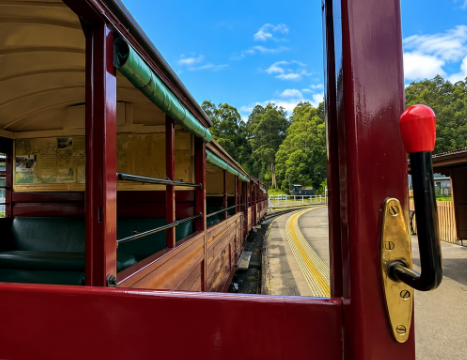
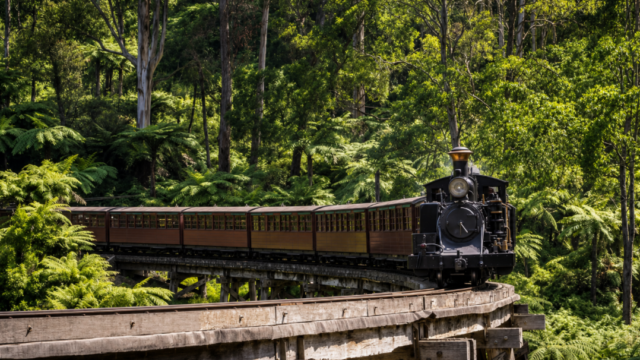
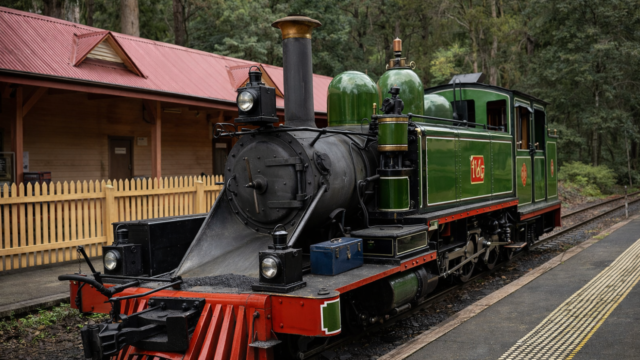
Puffing Billy: Steam Dreams in the Dandenong Ranges
- Puffing Billy Railway, Belgrave, Melbourne, Victoria, 3160, Australia
The Road to Phillip Island
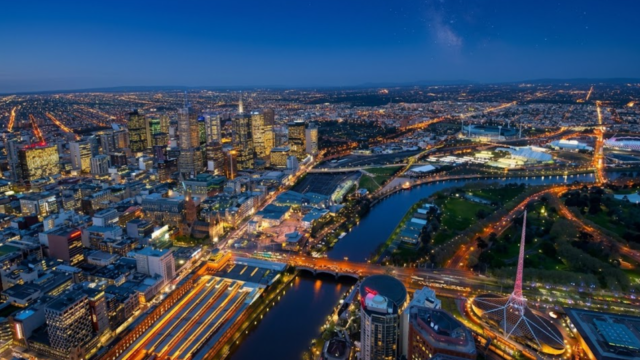
The journey begins in Melbourne, where the city’s skyline fades into rolling countryside. Two hours south, the highway narrows, and the air grows saltier. Phillip Island is not remote in the way you might imagine — the roads are smooth, the signage clear, and towns dot the route with petrol stations.
Yet as you cross the bridge onto the island, there’s a shift. The pace slows. The horizon opens. You sense you’re entering a place where nature still dictates the vibes. Phillip Island is famous for its rugged coastline, surf beaches, and wildlife reserves, but one spectacle eclipses them all: the nightly return of the Little Penguins.
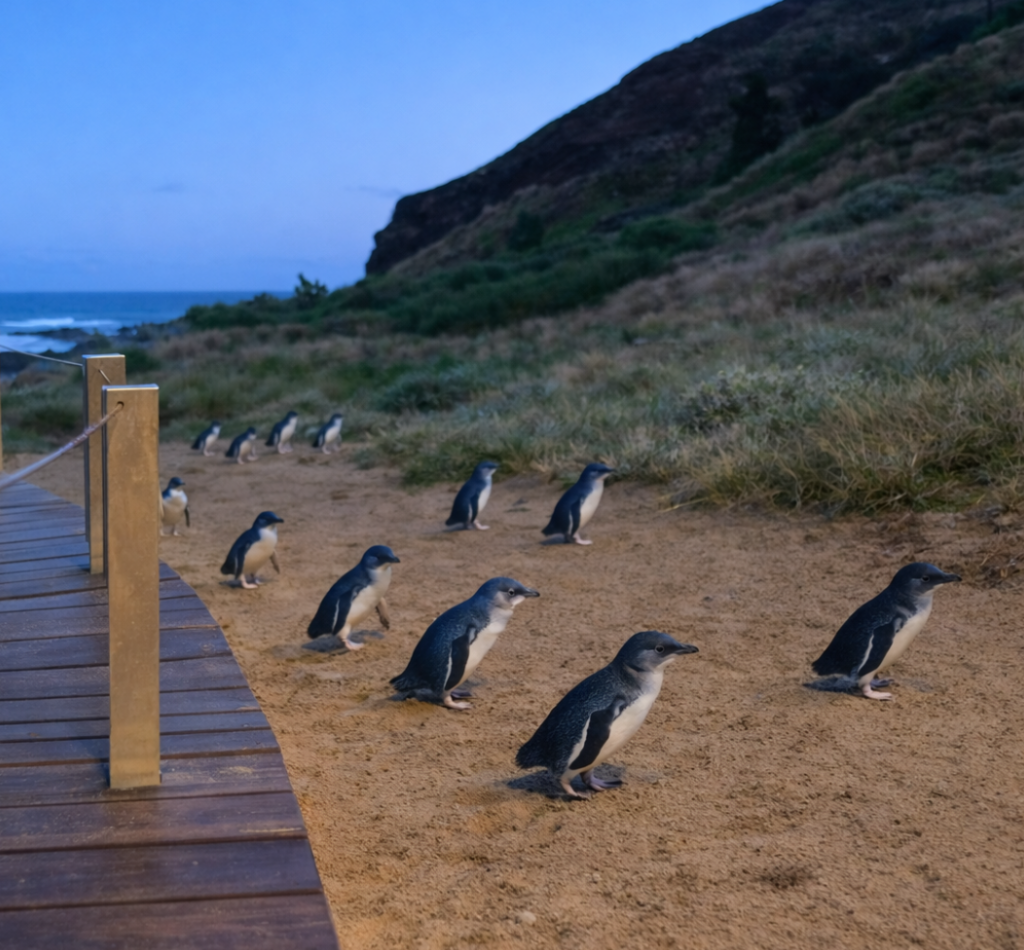
These are the smallest penguins in the world, standing just 33 centimeters tall and weighing barely a kilo. Despite their size, they are extraordinary swimmers, capable of covering up to 1,000 kilometers in open water. And every evening, they come home.
The Ritual of Return
At sunset, the ocean becomes a stage. Tiny silhouettes bob in the surf, gathering in groups. They wait until the light is low enough — predators gone, shadows deepened — before making their dash. The first wave of penguins tumbles ashore, shaking off saltwater, chirping in high‑pitched voices, and waddling toward the dunes.
It’s called the Penguin Parade, but it feels more like a ritual than a performance. For thousands of years, these penguins have followed the same path, returning to burrows carved into sandy hillsides. Some burrows lie more than a kilometer inland, and watching the penguins climb rocks and shuffle up steep tracks is a lesson in perseverance.
The Visitor Centre
Your evening begins at the Visitor Centre, a modern hub with information displays, ranger talks, food outlets, and gift shops. It’s here that you learn the history: curious locals would sit on the beach with torches, waiting for the penguins.
As interest grew, so did infrastructure — seating areas, boardwalks, and eventually a full conservation program. Today, the site is fully accessible and sensory‑inclusive, designed to protect the penguins while welcoming thousands of visitors. Rangers give talks before the parade begins, explaining the penguins’ life cycle, feeding habits, and conservation challenges.
The Boardwalks
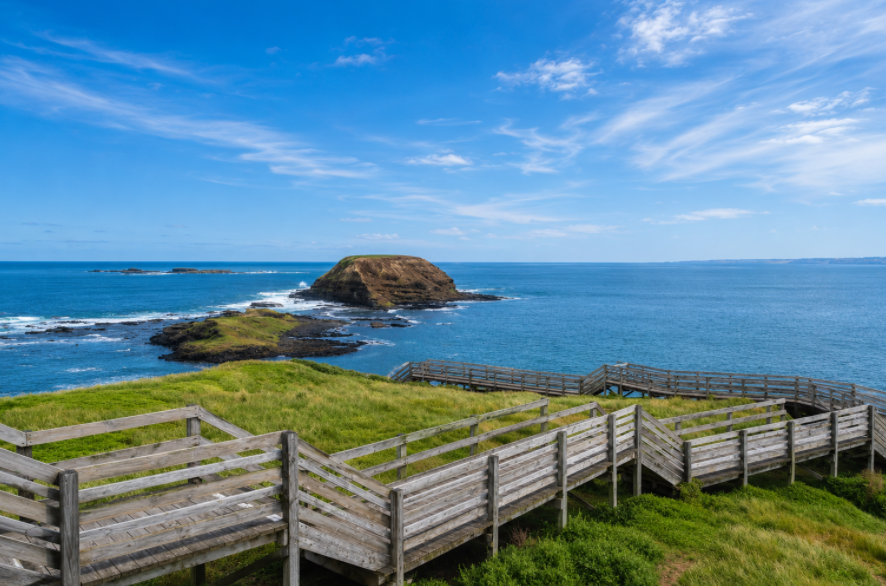
From the Visitor Centre, timber boardwalks wind down the hillside toward the bay. Two large seating areas face the beach, offering panoramic views of the water. As dusk falls, the anticipation builds. You’re asked to remain seated, silent, and still. No flash, no photos, no standing.
It’s a collective pause, a moment of respect for the penguins’ journey.After twenty minutes, the rules relax. You can wander the boardwalks, following the penguins as they scurry through grasses, chirp at burrow entrances, or waddle right beside the footpath.
Some even head uphill toward the Visitor Centre, their tiny tracks running parallel to the main walkway.
Penguins Everywhere
Unlike other wildlife experiences, where sightings are uncertain, the Penguin Parade guarantees encounters. Around 2,000 penguins are recorded each evening, though numbers vary with the seasons. In spring, they’re busy breeding. In summer, they’re feeding chicks.
In winter, they arrive earlier, under colder skies. The atmosphere shifts with the season. On a summer night, the parade begins around 8:30pm, stretching late into the evening. In winter, the penguins arrive closer to 5:30pm, making it easier for families with young children.
More Than Penguins
The boardwalks reveal more than penguins. Wallabies graze in the shadows. Birds dart overhead. Echidnas shuffle through the undergrowth. If you’re lucky, you might spot an Eastern Barred Bandicoot, though they are famously shy.
This is what makes Phillip Island special: the parade is the headline act, but the supporting cast is just as enchanting.
The Nobbies
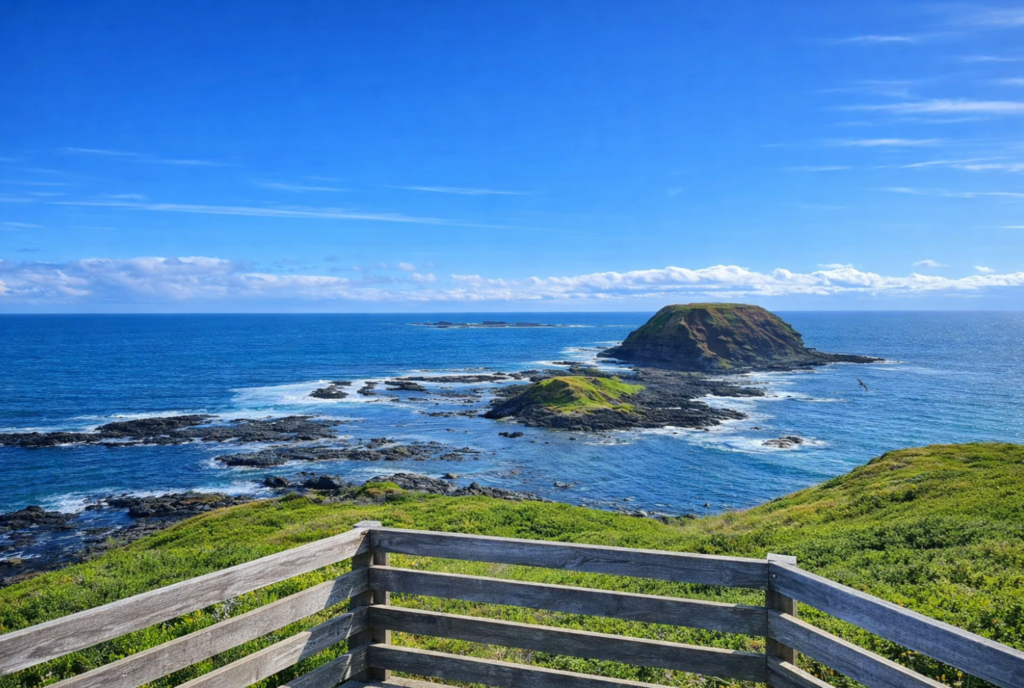
Many tours pair the parade with a stop at The Nobbies, a dramatic headland where ocean spray collides with black volcanic cliffs. Boardwalks stretch across the headlands, offering views of turquoise water and jagged rock formations.
There’s a blowhole lookout where waves thunder into hidden caves, and on calmer days, you might spot seals basking offshore. Even without wildlife, the scenery is staggering — elemental beauty in its rawest form.
Practical Details
Arrival times: Penguins return at sunset, later in summer, earlier in winter.
Tickets: General viewing starts at AUD $32. Options include Penguin Plus or Underground Viewing, though the boardwalks provide plenty of encounters.
Accessibility: The site is fully accessible and sensory‑inclusive.
Transport: Self‑drive is easiest. V/Line buses reach the island but not the parade site. Taxis and tours are available.
Tips: Arrive 1.5 hours early, bring warm clothes, something to sit on, and leave the camera behind — photography is prohibited after sunset.
A Shared Moment
What makes the Penguin Parade unforgettable is not just the sight of penguins but the atmosphere. Hundreds of people sit in silence, waiting. Children whisper. Adults lean forward. And then, as the penguins emerge, there’s a collective intake of breath.
It’s rare to see humans so still, so reverent. For twenty minutes, the world pauses, and all attention is on creatures barely a foot tall, yet infinitely resilient.
Why It Matters
Phillip Island receives more than five million visitors a year, yet the penguins remain the stars. Their nightly return is a reminder of resilience — of creatures so small, yet so enduring. Watching them waddle home under the cover of dusk, you realize this isn’t just a tourist attraction.
It’s a living story, one that continues long after the crowds have gone.
Narrative Flow: A Night in Detail
Here’s how it unfolds:
Sunset: The sky fades to indigo. The bay glimmers. Rangers remind visitors to stay seated.
First arrivals: Small groups surface, shaking off salt, scanning for safety. Their chirps echo across the sand.
The dash: Penguins leap rocks, climb dunes, and vanish into burrows. Determination etched into every step.
Boardwalk wander: Visitors move gently, watching penguins scurry through vegetation, chatter at burrow entrances, or waddle beside the path.
Final moments: As the crowd disperses, penguins continue their journey inland, disappearing into the night.

The Emotional Core
Travel is often about landscapes, food, or culture. But sometimes, it’s about humility. Watching Little Penguins reminds you of scale — of how small creatures can endure vast oceans, how customs can outlast generations, how nature continues regardless of us.
Phillip Island is tourist‑friendly, with smooth roads and clear signage, but the parade itself feels timeless. It’s not staged. It’s not choreographed. It’s simply life unfolding, night after night, as it has for thousands of years.
Closing Reflection
As you leave the boardwalk, the night air is cool, the stars sharp above the bay. The penguins are tucked into burrows, chirping softly, safe until dawn. You drive back across the bridge, headlights cutting through the dark, carrying with you the memory of resilience in miniature.
Phillip Island’s Little Penguins are more than an attraction. They are a reminder of determination, of community, of rituals that endure. And once you’ve seen them waddle home, you’ll never forget the sight.
There are no reviews yet.